Calacatta marble costs more than many other marbles because desirable slabs are relatively scarce, selective quarrying is costly, and demand remains strong. Its bright white background and dramatic natural veining make it especially popular in luxury interiors. Processing, slab selection, transportation, and fabrication add to the final price.
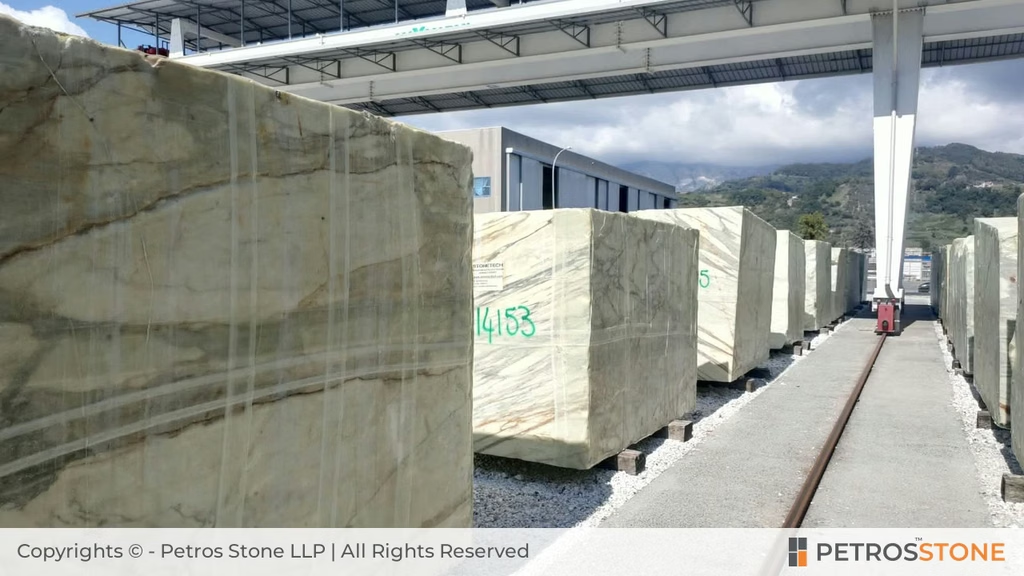
In this article, we explain why Calacatta marble costs more than other options, from limited availability and selective quarrying to slab quality, processing, and strong demand. We compare its prices with Carrara, Statuario, quartz, and porcelain, and explore how to assess slab quality, manage costs, and decide whether Calacatta is worth the investment.
- Why Is Calacatta Marble So Scarce?
- Why Is Calacatta Marble Hard to Extract?
- Why Is Calacatta Marble in High Demand?
- Why Can't Newer Alternatives Compete With Calacatta?
- How Does Calacatta Marble Compare in Price With Other Options?
- How Do Slab Characteristics Change the Price?
- What Else Adds to the Cost?
- Is Paying More for Calacatta Worth It?
- FAQs
- Key Takeaways
Why Is Calacatta Marble So Scarce?
Where is it quarried, and how limited is the supply?
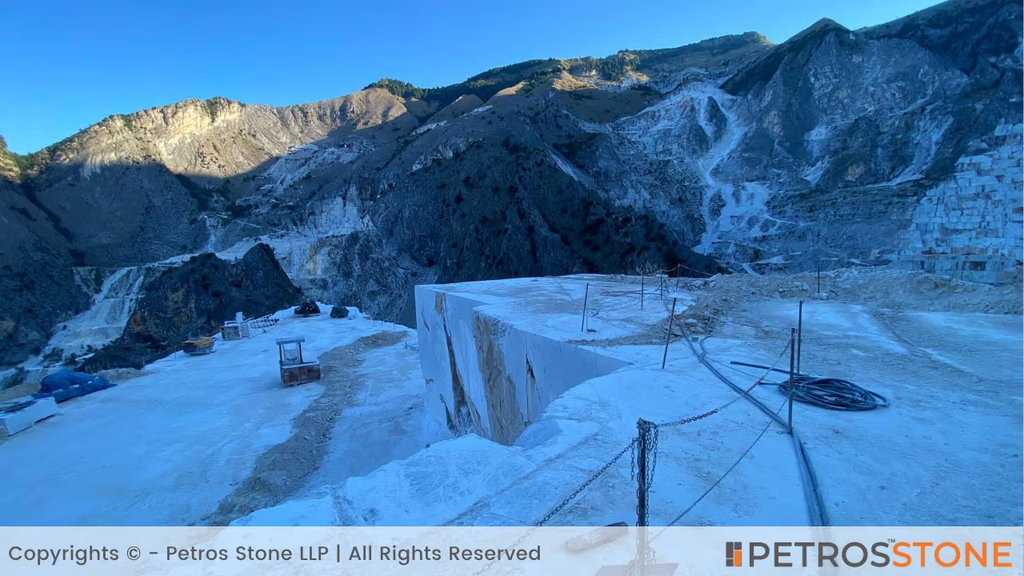
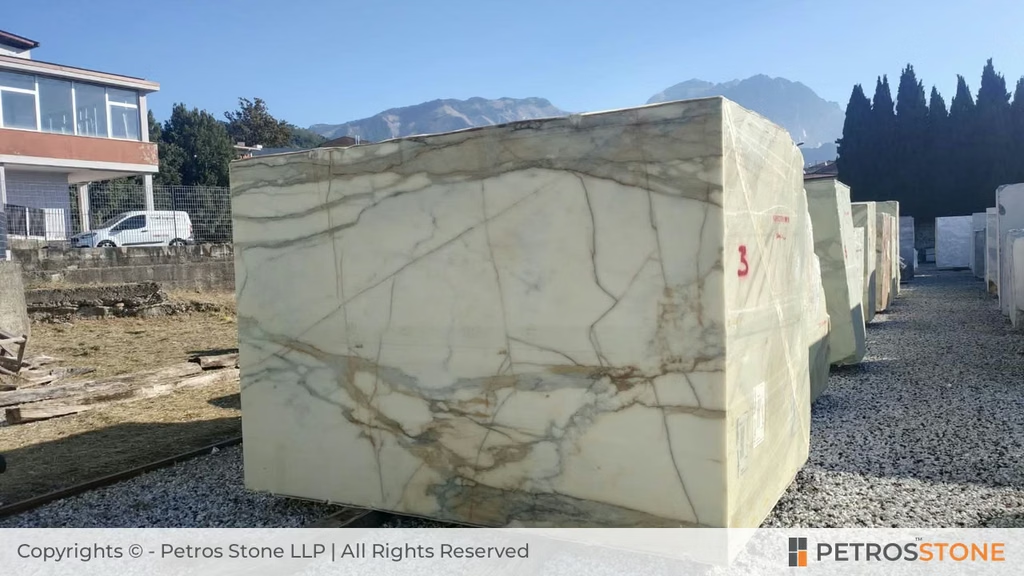
Calacatta marble comes from the Apuan Alps in Tuscany, Italy, near the Carrara marble district. Only selected blocks produce the white backgrounds and distinctive veining sought in premium Calacatta slabs. The availability of these desirable blocks is more important to its premium price than the overall quantity of marble extracted from the region.
What does ‘true Calacatta’ mean, and why aren’t imitations the same stone?
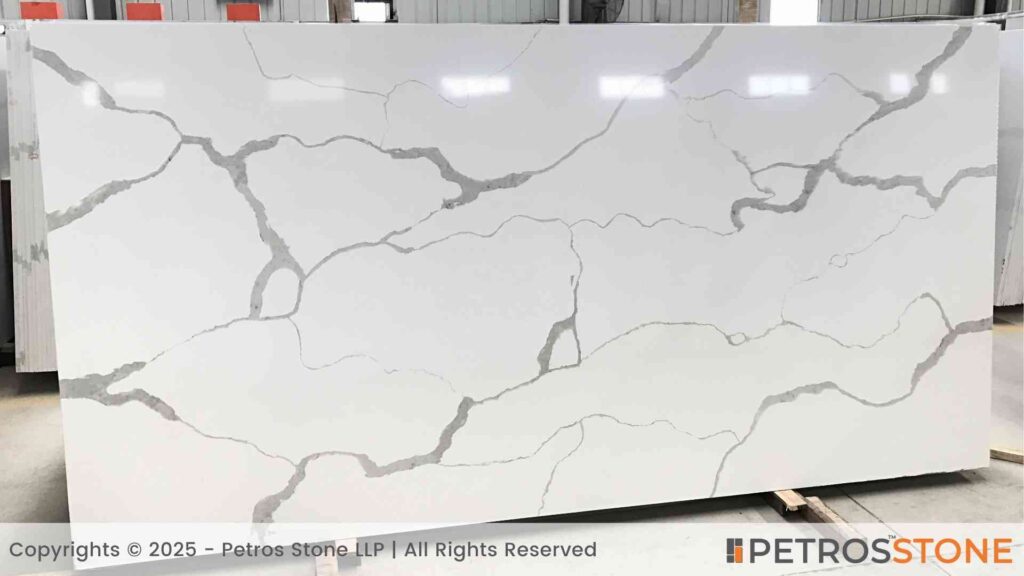
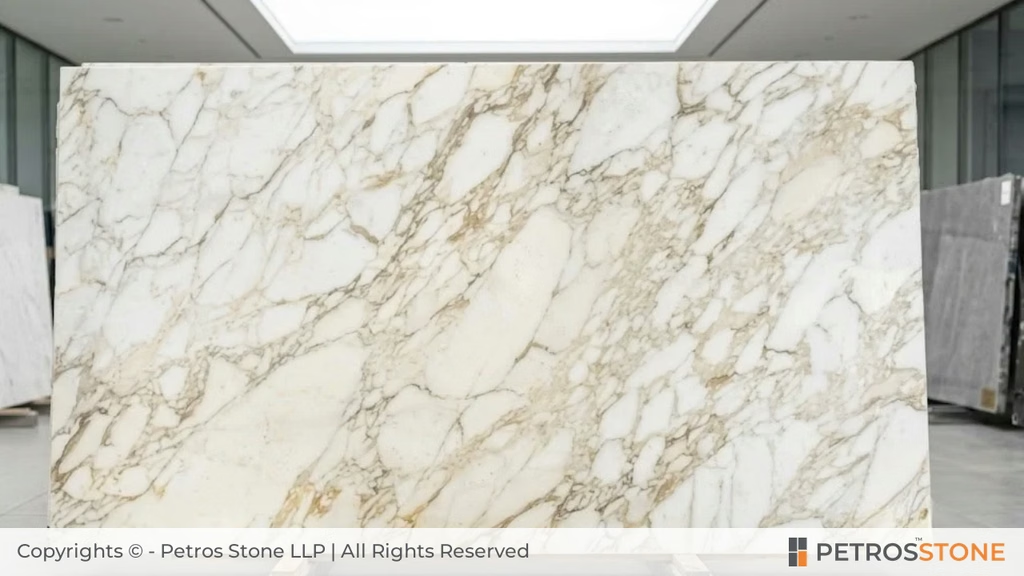
Calacatta is a family of natural marbles, not a single quality grade. Quartz and porcelain can reproduce its appearance, but they are different materials. Buyers should verify the material description, request origin documentation where available, and inspect the actual slab.

Why do Borghini, Oro and Viola cost more than Gold?
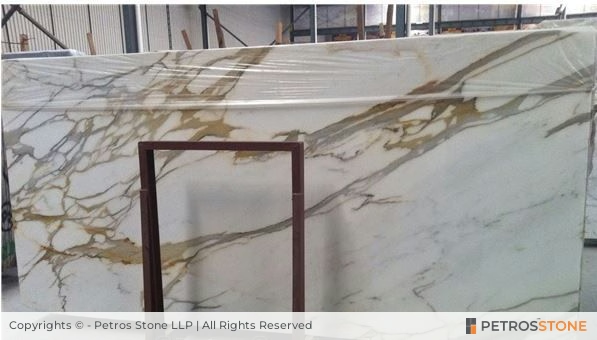
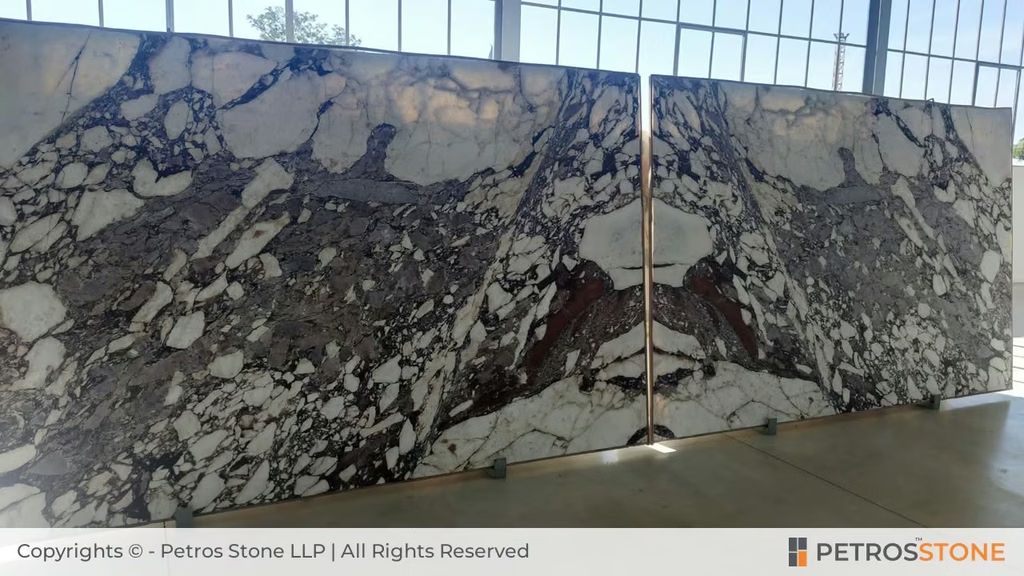
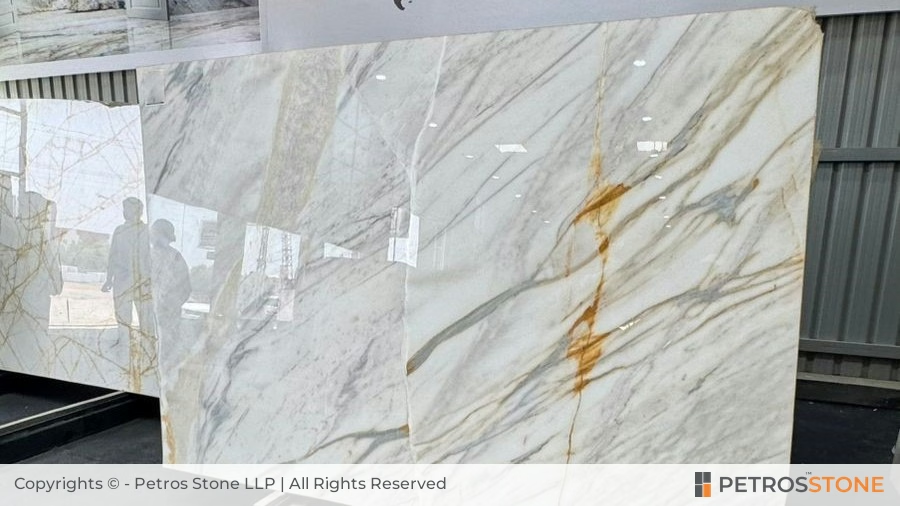
These varieties are valued for their distinctive patterns and colours. Their prices depend on availability, slab quality, and market demand. Calacatta Gold is often a more accessible option, but no variety is automatically the cheapest or most expensive in every market.
Why Is Calacatta Marble Hard to Extract?

How does quarry access affect cost?
Quarrying in mountainous terrain requires specialised equipment, skilled crews and careful handling. Natural fractures and the need to preserve large, usable blocks add to extraction costs. Obtaining blocks with desirable Calacatta characteristics makes selective quarrying particularly important.
What happens to a block between quarry and slab?
Quarriers separate blocks using methods such as diamond-wire cutting, then saw them into slabs. Processing may include resin treatment, mesh reinforcement, calibration, and polishing. Each stage adds handling and production costs, although these processes are also common for other marble varieties.
How much of each block is premium-grade?
Not every slab has the colour, veining and condition required for premium applications. Less desirable patterns, fissures and other imperfections can reduce a slab’s commercial value. No single verified premium-grade yield percentage applies to all Calacatta quarries.
Why Is Calacatta Marble in High Demand?

Architects and designers favour Calacatta for its bright background and dramatic grey, gold, or purple veining. Its natural patterns make it popular for kitchen islands, bathroom vanities, feature walls and luxury hospitality projects. Strong demand for distinctive slabs, combined with limited availability, supports its premium price.
What gives Calacatta Marble its historical significance and value?
The wider Carrara region has supplied marble since Roman times, and Michelangelo famously selected marble from the area for his sculptures. This heritage contributes to the reputation of Italian marble. Today, however, Calacatta’s price depends primarily on availability, appearance, slab quality, and demand—not historical significance alone.
Why Can’t Newer Alternatives Compete With Calacatta?
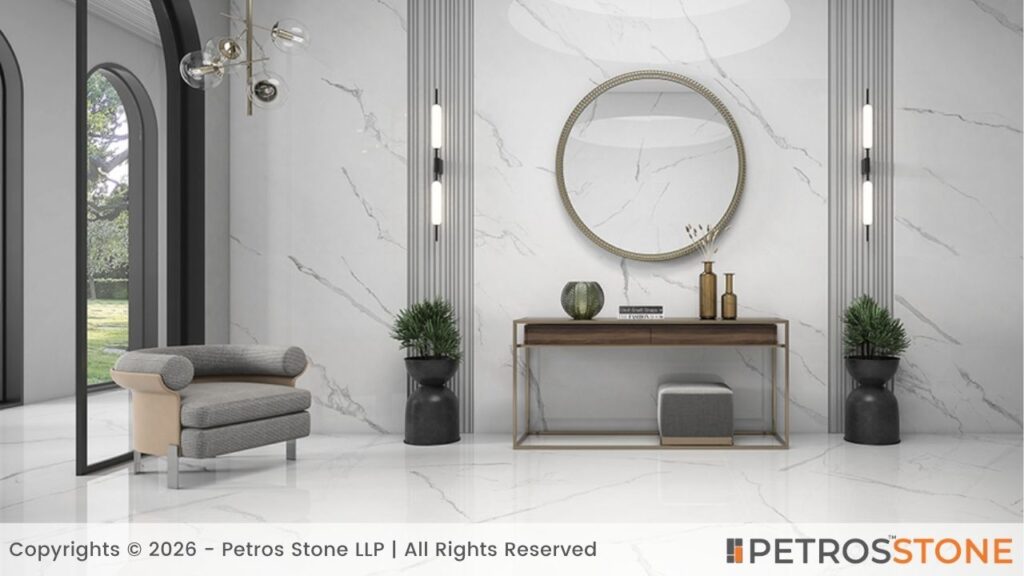
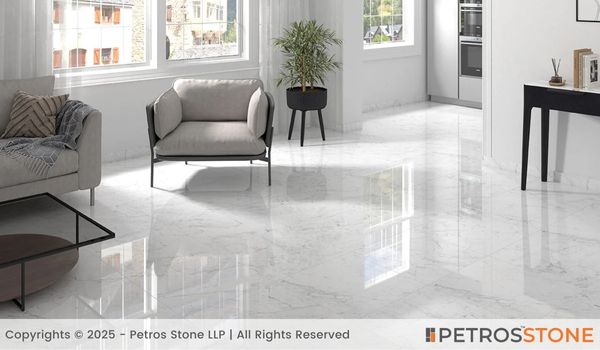
Quartz and porcelain can reproduce Calacatta’s appearance and may offer advantages in consistency, stain resistance, or routine maintenance. However, they cannot replicate the exact natural veining of an individual marble slab. Carrara and other natural stones provide alternatives at different price points, but their patterns and visual character differ.
Calacatta’s advantage is its combination of natural variation, distinctive veining, and luxury appeal — not superior performance in every application.
How Does Calacatta Marble Compare in Price With Other Options?
The following are indicative price ranges per sq. ft., excluding fabrication, installation, and applicable taxes. Actual prices vary by supplier, thickness, grade, and slab quality.
Calacatta Marble Price Comparison With Other Options
| Material | Image | Indicative slab price – 20 mm thickness (USD/sq. ft.) |
|---|---|---|
| Carrara marble | 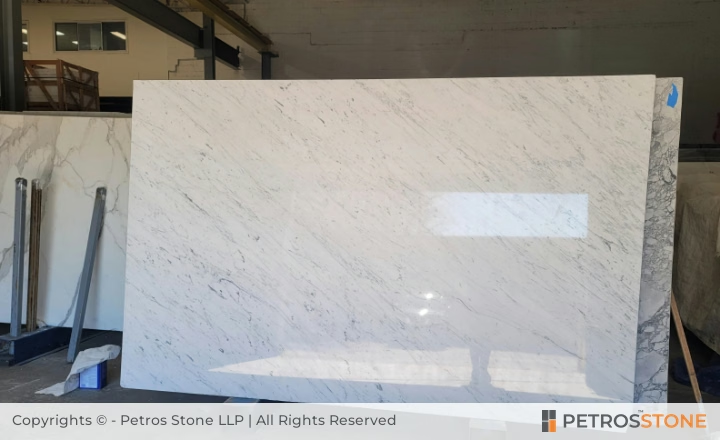 | $25–$60 |
| Statuario marble | 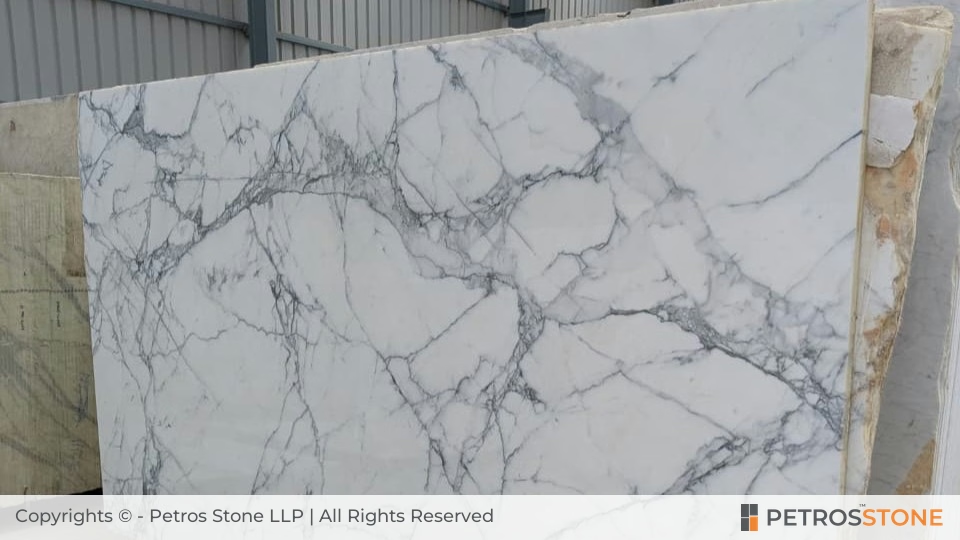 | $50–$100 |
| Calacatta Gold marble | | $50–$90 |
| Premium Calacatta varieties | 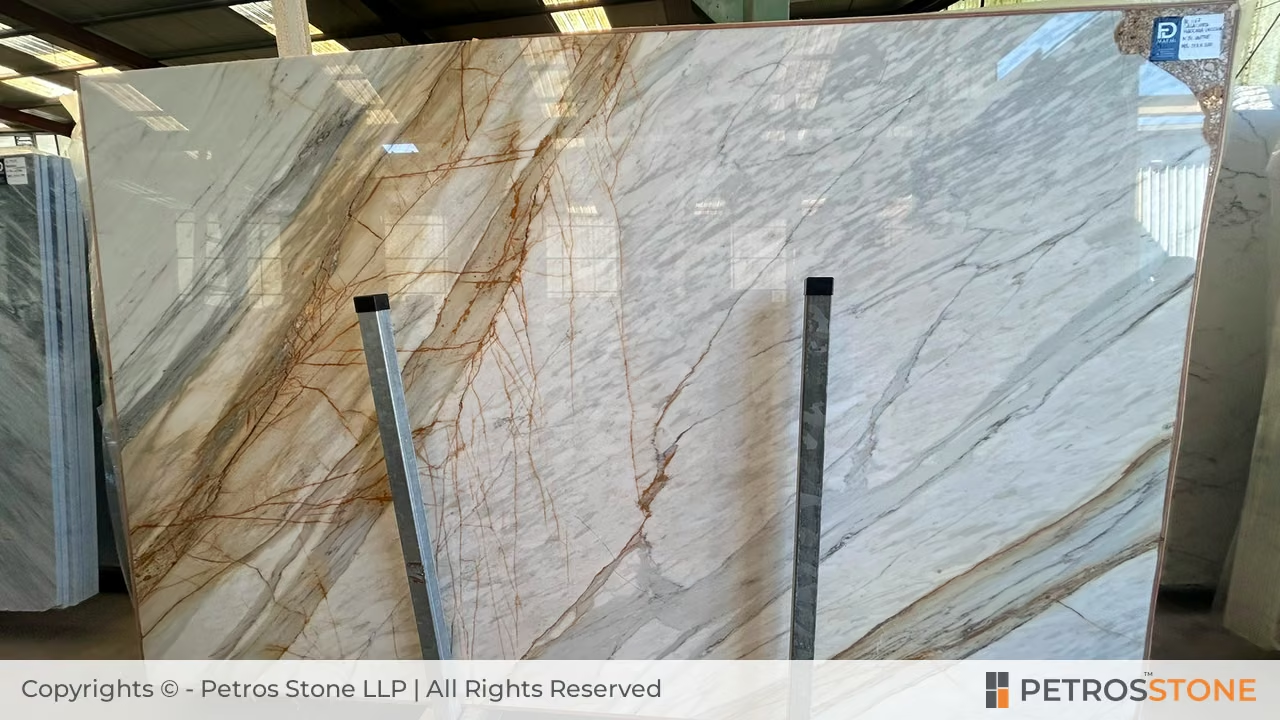 | $80–$150+ |
| Calacatta-look quartz | 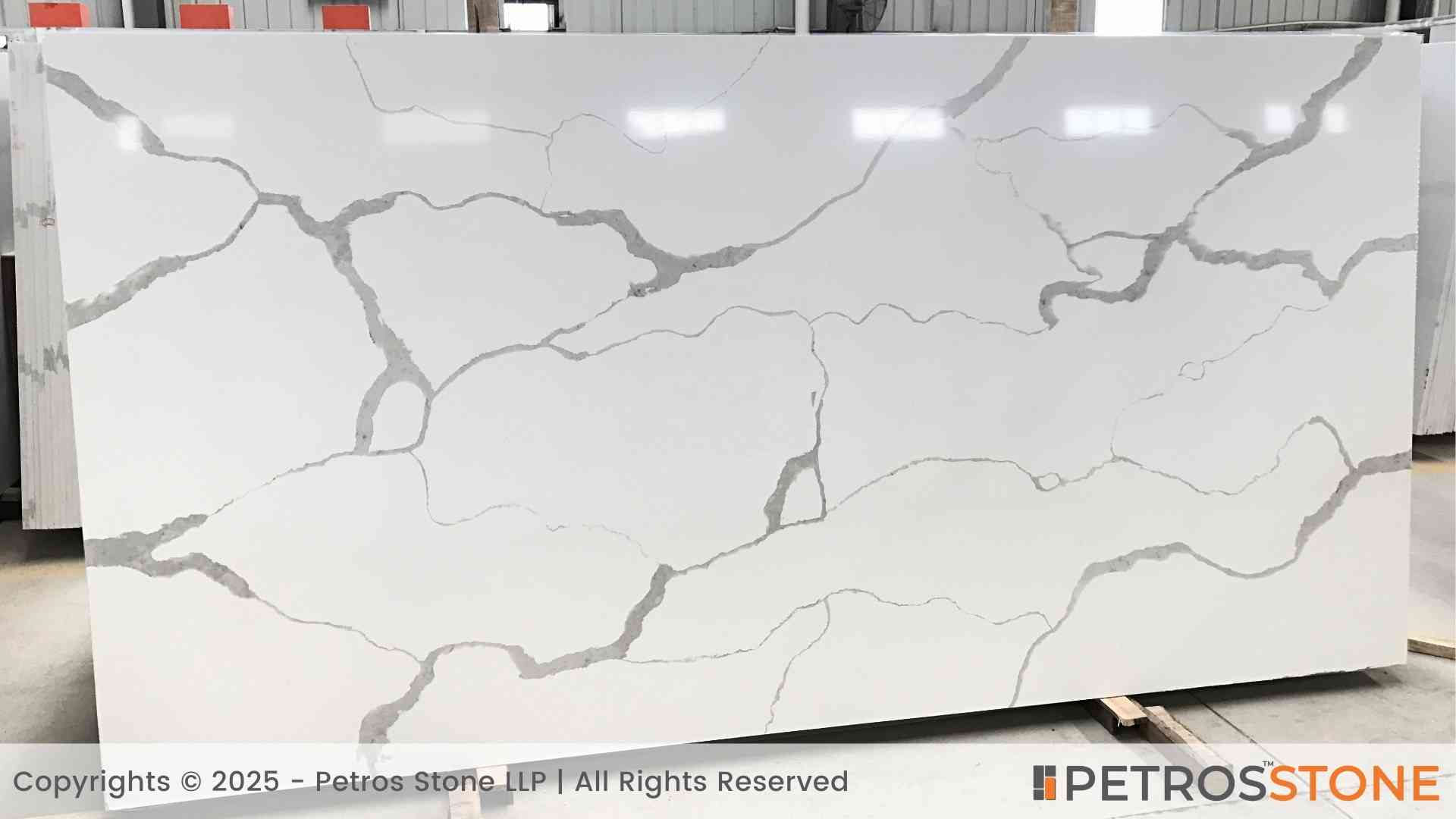 | $30–$70 |
| Calacatta-look porcelain | 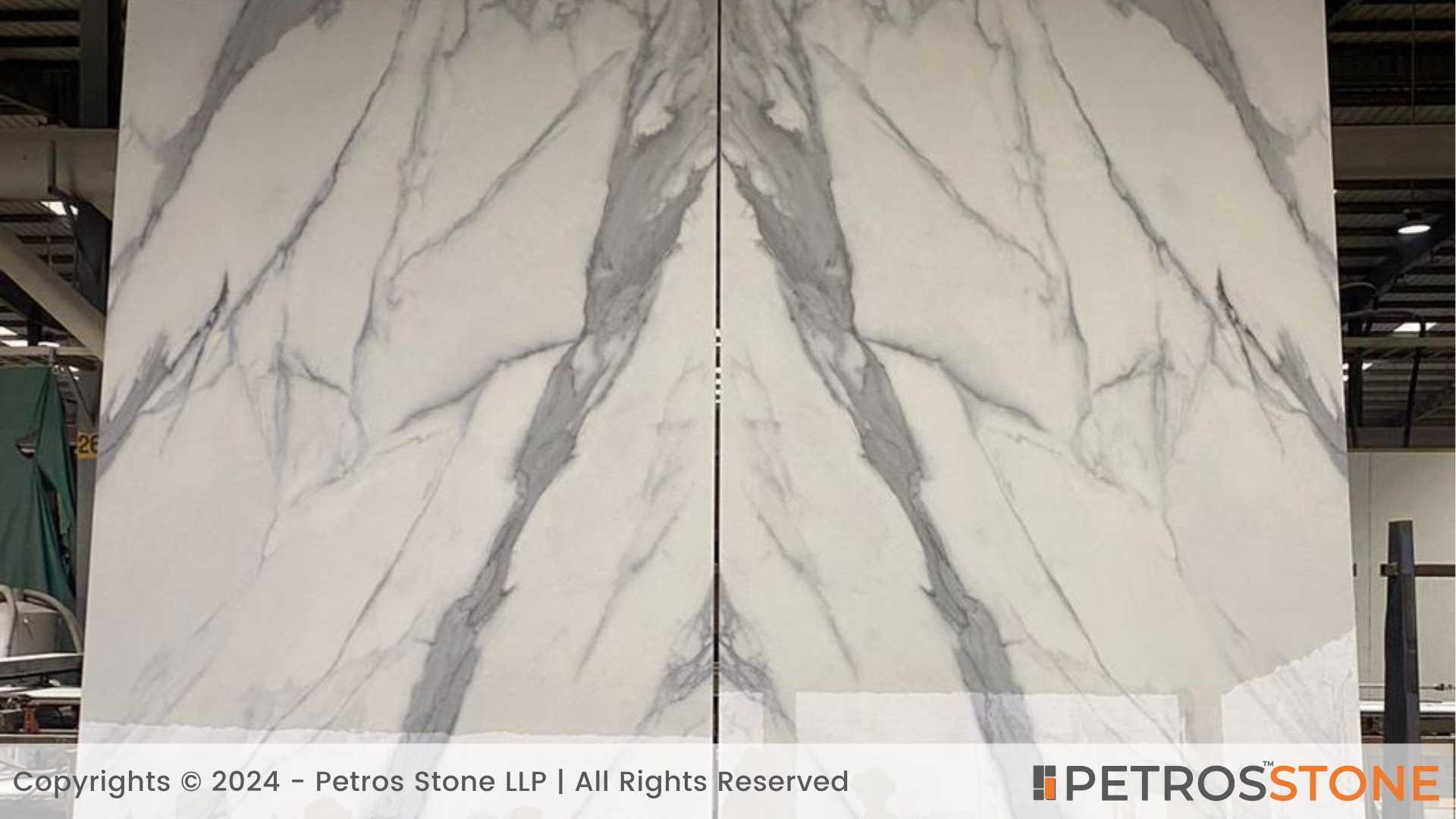 | $20–$60 |
How Do Slab Characteristics Change the Price?
How do veining and background purity affect cost?
A bright white background and striking, well-balanced veining can command a premium. The most valuable pattern depends on the design and buyer’s preference.
Do slab size, thickness, and book-matching affect the price?
Yes. Larger or thicker slabs require more material and careful handling. Book-matching uses adjacent slabs to create mirrored patterns, often requiring coordinated selection and additional material.
Do fissures and resin filling affect value?
Yes. Natural fissures, visible repairs, and the extent of resin treatment can affect appearance and fabrication. Inspect the slab under suitable lighting and ask about repairs before approval.
What Else Adds to the Cost?
How do shipping, import duties, and handling affect the price?
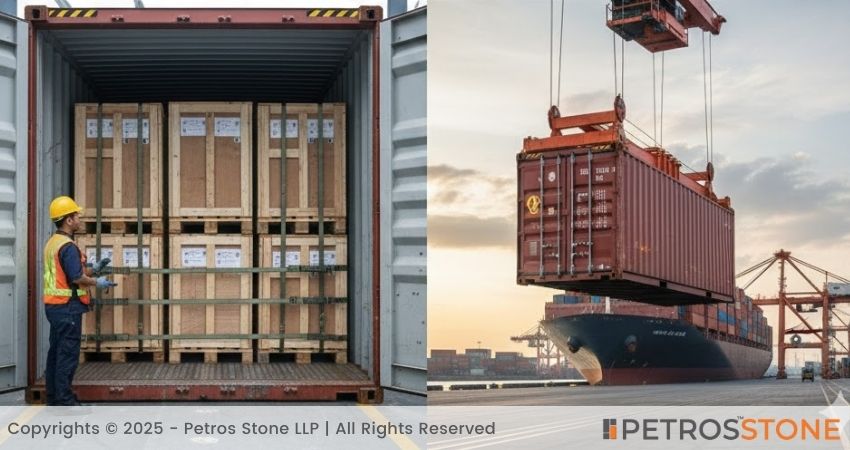
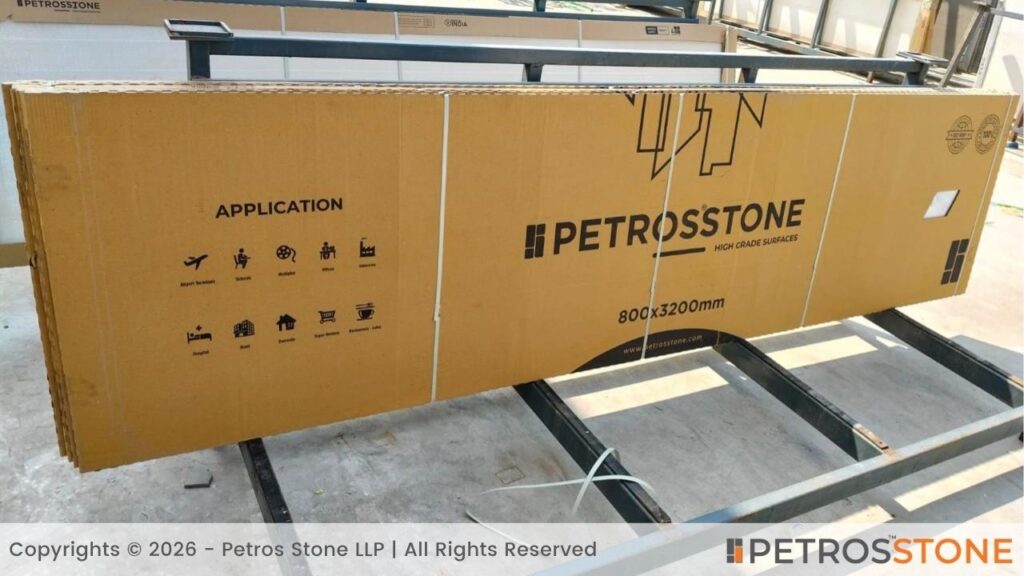
Marble is heavy and can break during transport. Packaging, freight, insurance, customs duties, port handling, and inland delivery add to the landed cost. Duties vary by destination, product classification, and current regulations.
Why is Calacatta marble more expensive to fabricate?
Vein matching, sink cut-outs, edge profiles, and complex layouts require careful planning. Because the stone is expensive, cutting mistakes and breakage can result in substantial losses.
How do fabricator margins and slab-yard selection affect cost?
Importers and slab yards charge for storage, handling, inventory, and operating costs. Selecting specific slabs or matching several pieces may add to the price. Confirm whether a quotation covers the slab alone or includes fabrication, delivery, and installation.
Is Paying More for Calacatta Worth It?
Calacatta is worth considering when its natural veining is central to the design, particularly for kitchen islands, feature walls, fireplaces and bathroom vanities. For busy kitchens or projects prioritising easy maintenance, quartz and porcelain may be more practical. Marble is susceptible to scratches and acid etching; sealing does not prevent etching.
What are the best ways to save on Calacatta?
- Consider Statuario: Compare actual slabs and prices; it is not always cheaper than Calacatta.
- Choose Calacatta Gold: It can be a more accessible option than rarer varieties, depending on slab quality.
- Use it selectively: Reserve premium marble for an island, vanity, or feature wall rather than an entire project.
- Ask about remnants: Leftover slabs can reduce material costs for smaller applications, provided dimensions and quality meet the requirements.
FAQs
Is Calacatta more expensive than Carrara?
Generally, yes. Calacatta’s limited availability of desirable slabs and strong demand often result in a higher price, although actual prices depend on grade and supplier.
How much can a Calacatta slab cost?
Premium slabs can cost thousands of dollars, with exceptional pieces exceeding $10,000. Dimensions, thickness, variety, and appearance influence the final price.
Is Calacatta Gold the cheapest Calacatta variety?
It is often a more accessible option, but individual slab quality and availability can change the price ranking.
Does Calacatta marble need sealing?
Sealing can reduce the risk of staining but does not prevent acid etching or scratches. Use a suitable stone sealer and follow the supplier’s care instructions.
How can I avoid buying imitation Calacatta?
Check the material description and origin documentation where available, and inspect the actual slab. Ensure the invoice identifies natural marble, quartz, or porcelain correctly.
Key Takeaways
- Calacatta’s premium reflects the limited availability of desirable slabs, selective quarrying, and strong demand.
- Slab quality, veining, processing, fabrication, and transport influence the final price.
- Carrara, Statuario, quartz, and porcelain offer alternatives, but differ in appearance, performance, and cost.
- Using Calacatta selectively or buying suitable remnants can reduce project costs.
- Compare complete quotations and inspect the actual material before purchasing.

Tapas Koul leads editorial direction and content strategy at Petros® Stone, bringing over 15 years of combined experience in e-commerce, publishing, and digital communication. His work spans research, strategy, and communication, with a focus on natural stone, its technical properties, processing, and architectural applications. Collaborating with Petros® Stone’s production team, laboratory experts, and specialists, he translates industry knowledge into clear, engaging content and communication for diverse audiences.
Feel free to get in touch for a free consultation, quote, and get a detailed understanding from our experts here at Petros®. Visit www.petrosstone.com or call +91-8446360361 or WhatsApp

Brown Granite

White Galaxy Granite

Blue Bahia Granite

Silver Cloud Granite

Black Pearl Granite

Dallas White Granite