People have trusted sandstone as a building material for centuries. It has played a huge role in crafting famous landmarks, historic buildings, beautiful gardens, and even modern designs all over the world. Its natural colors, unique textures, and lasting strength make it popular with homeowners, builders, and designers. To pick sandstone for paving, walls, flooring, or gardens, you need to know about the material to make a decision for the future.
Sandstone is not like factory-made materials, which all look the same. It tells a story of ancient rivers and deserts holding a deep link to Earth’s past in every piece. Its natural beauty fits in with the environment and provides the strong foundation needed for tough construction projects.
Popular Sandstone Types (India)
| Type of Indian Sandstone | Images | Sandstone Color | Origin | Average Cost |
| Rainbow Sandstone | 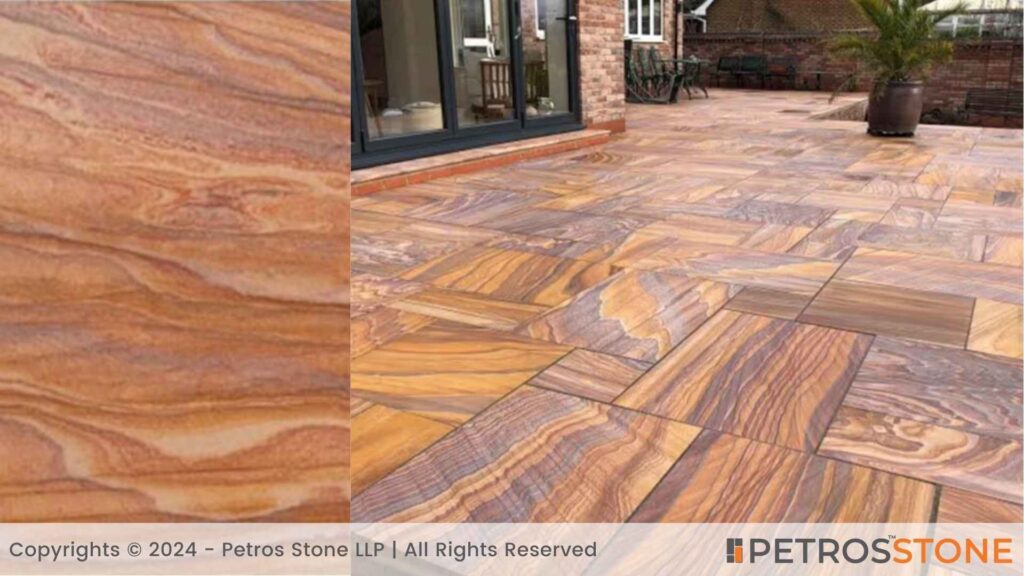 | A mix of cream, pink, violet, and brown | Nagaur, Rajasthan | USD 2.5 to 4 per sq. ft. |
| Agra Red Sandstone | 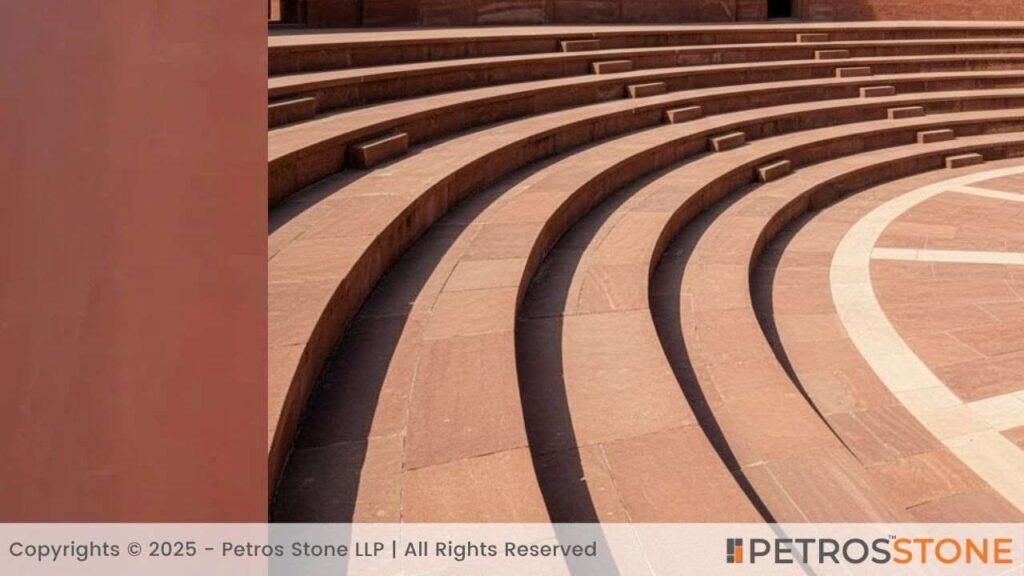 | Terracotta red tone | Dholpur, Rajasthan | USD 2 to 3.5 per sq. ft. |
| Modak Sandstone | 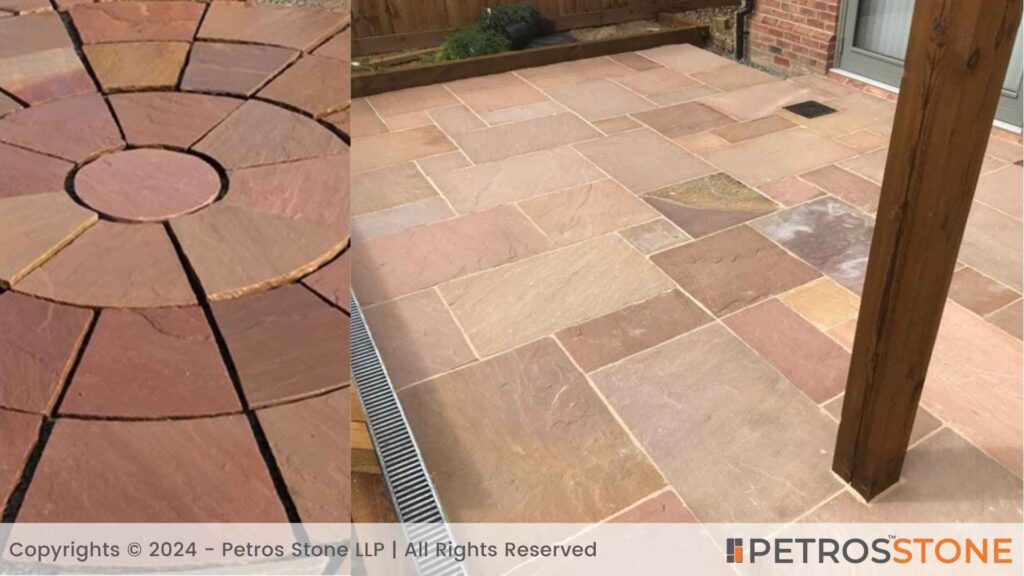 | Mix of bright pink, orange, and light cream | Regions of Rajasthan and Madhya Pradesh | USD 2 to 3 per sq. ft. |
| Raveena Sandstone | 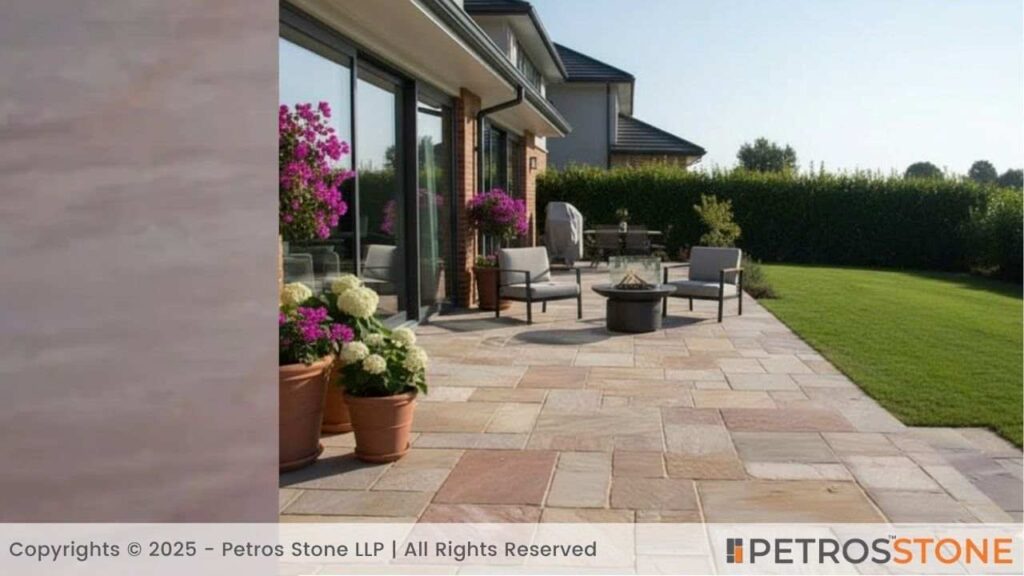 | A mix of grey, rust, beige, pink, and brown | A few regions of Rajasthan | USD 2.5 to 4 per sq. ft. |
| Jodhpur Pink Sandstone | 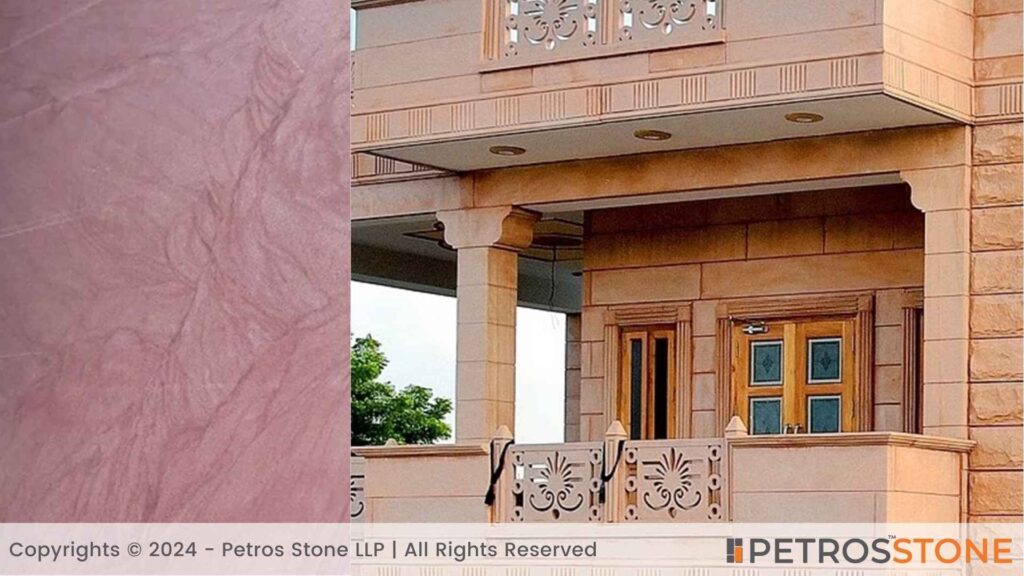 | Shades ranging from pale rose to deep pink | Jodhpur, Rajasthan | USD 2 to 3.5 per sq. ft. |
| Autumn Brown Sandstone | 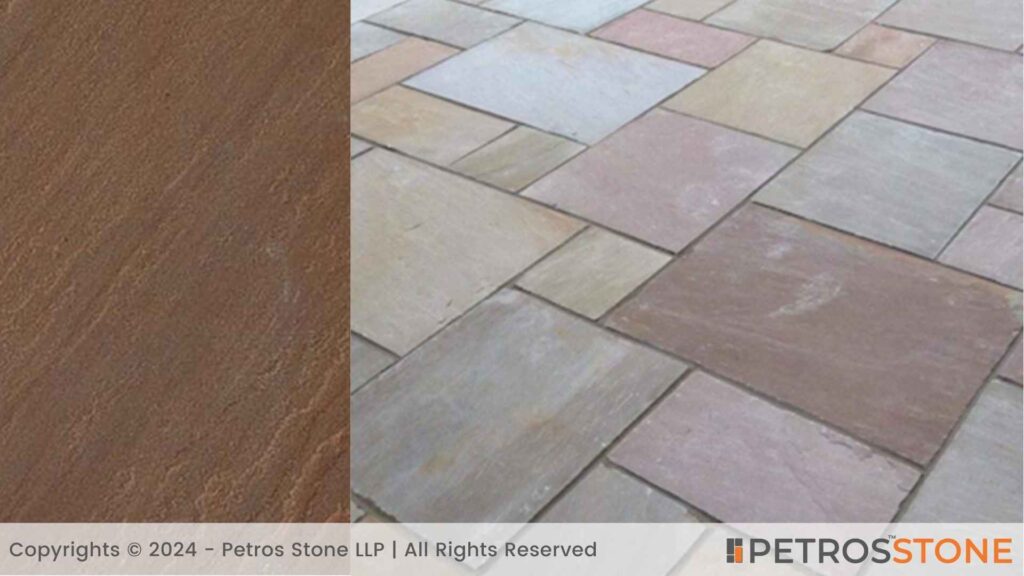 | Warm tones of brown, buff, and tan | Bundi and Jodhpur districts of Rajasthan | USD 2 to 3 per sq. ft. |
| Chocolate Sandstone | 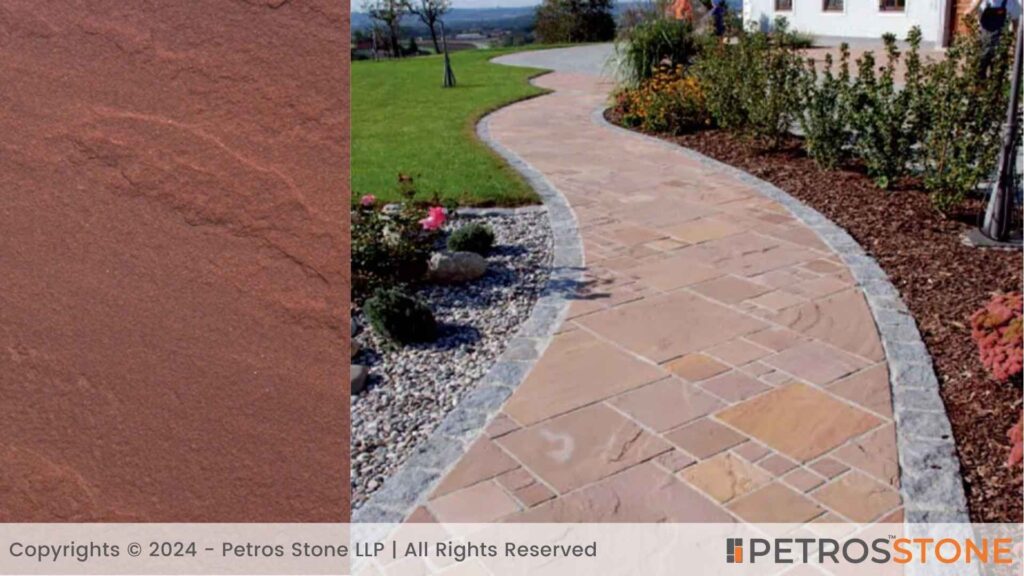 | Dark brown | Mandana, Kota, and Dholpur | USD 2.5 to 4 per sq. ft. |
| Fossil Mint Sandstone | 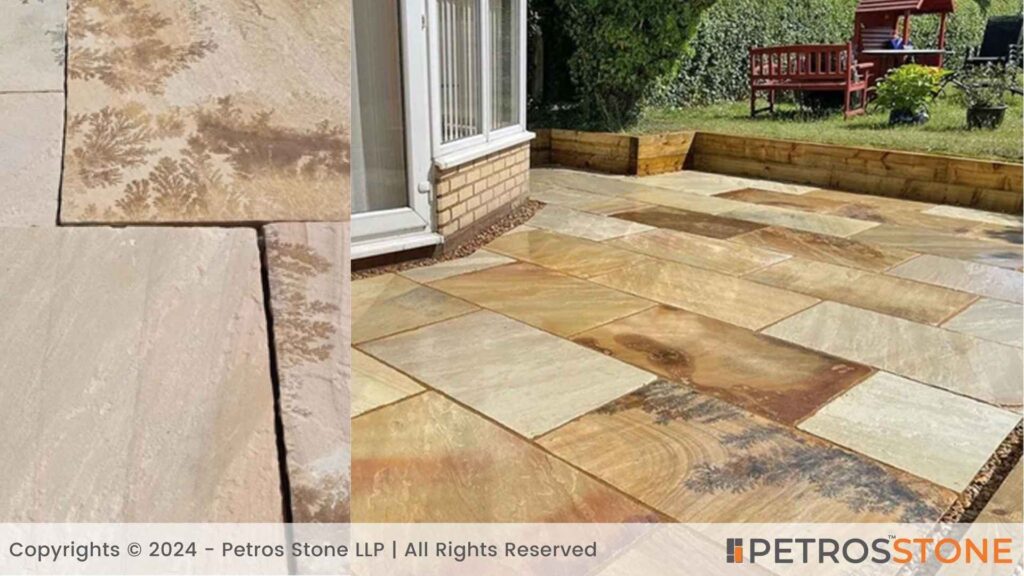 | Creamy beige with imprints in beige, brown, or dark colors | Madhya Pradesh and Rajasthan | USD 2.5 to 4.5 per sq. ft. |
| Camel Dust Sandstone | 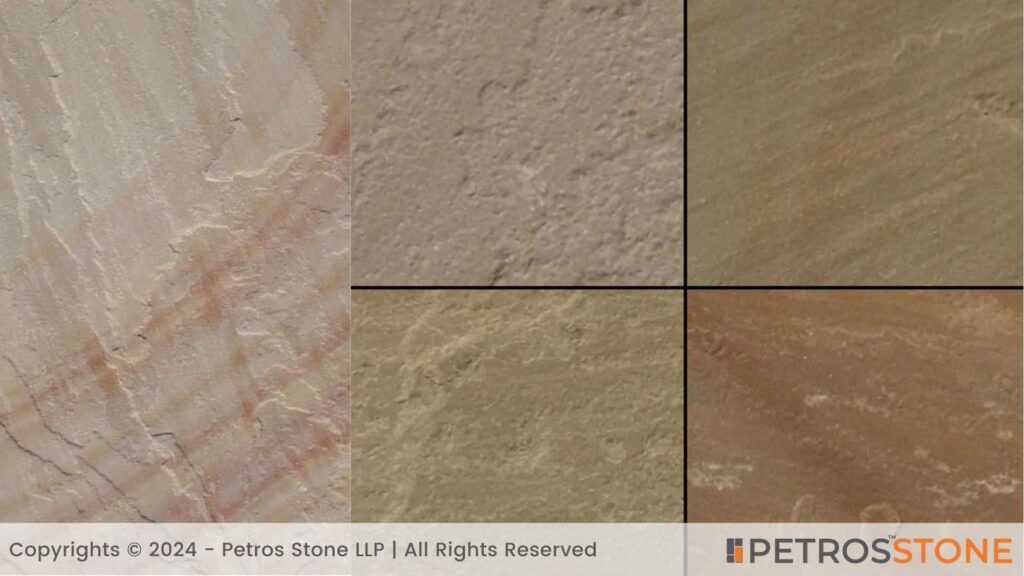 | Mix of brown, tan, and beige | Rajasthan | USD 2 to 3.5 per sq. ft. |
| Raj Green Sandstone | 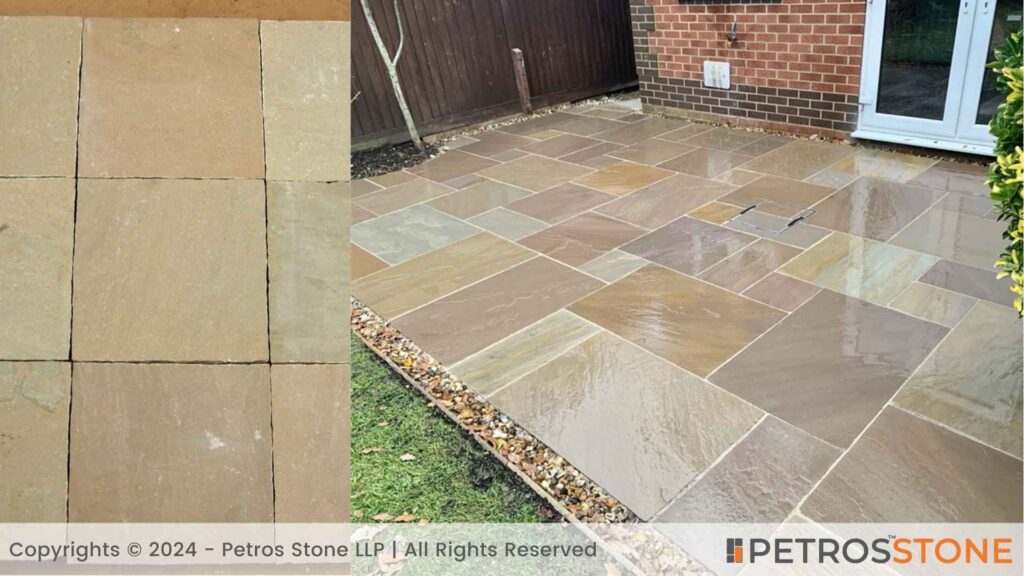 | Green, grey, and brown | Bundi district, Rajasthan | USD 2.5 to 4 per sq. ft. |
| Mint Yellow Sandstone | 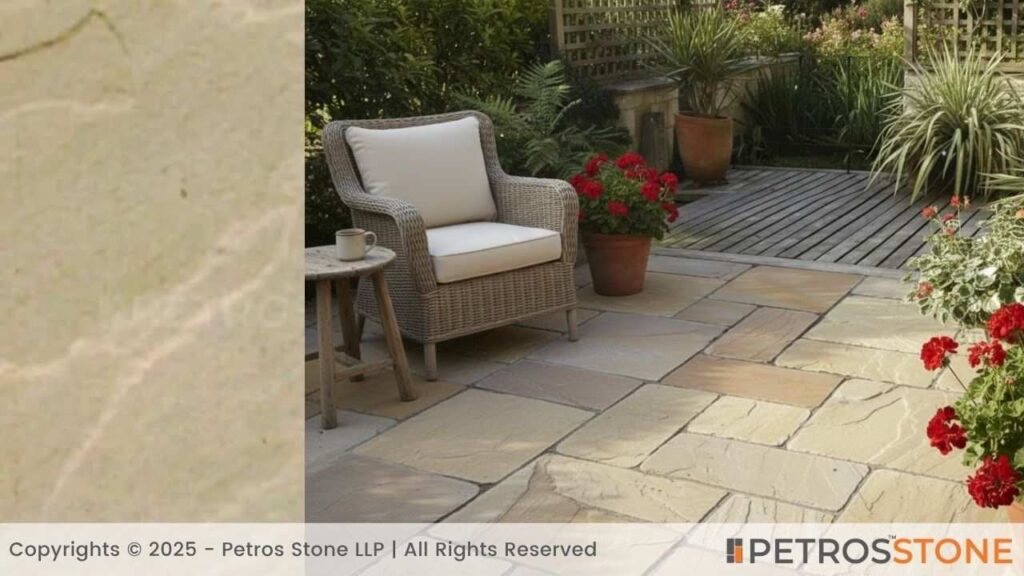 | Muted yellow with mint green | Madhya Pradesh and Rajasthan | USD 2.5 to 4 per sq. ft. |
| Teakwood Sandstone | 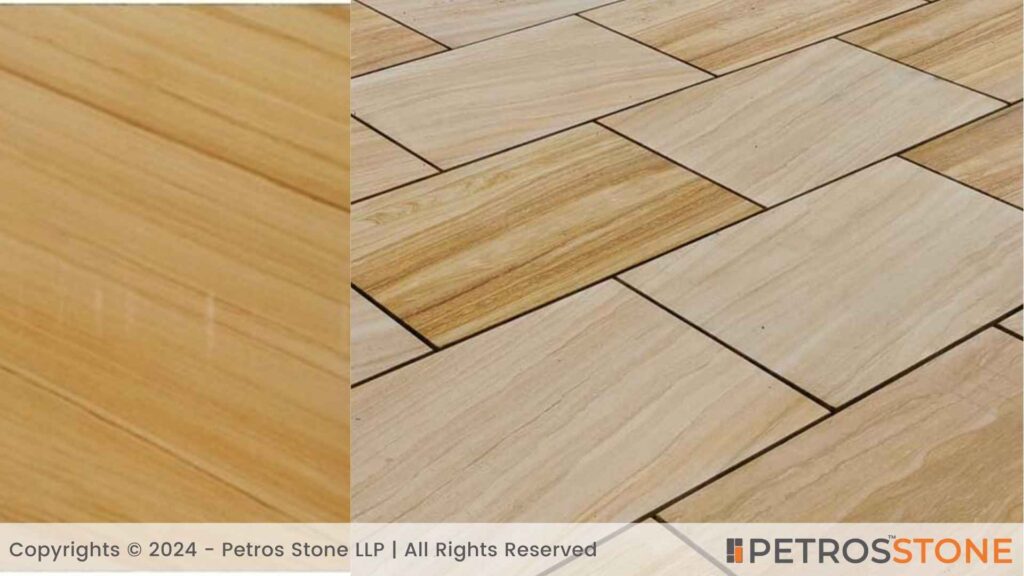 | Light yellow | Rajasthan | USD 3 to 4.5 per sq. ft. |
| Dholpur Beige Sandstone | 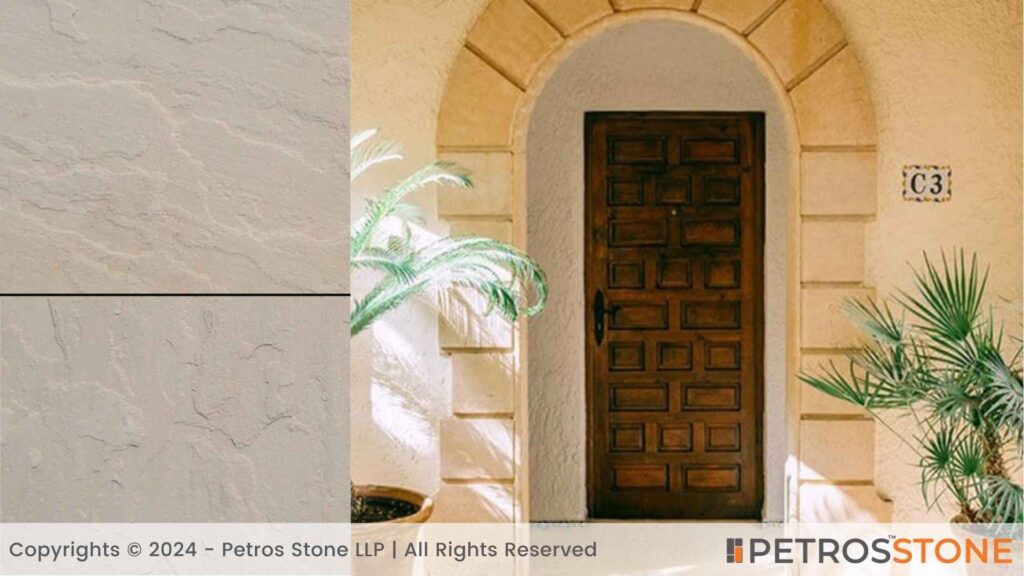 | Beige | Dholpur region of Rajasthan | USD 2 to 3.5 per sq. ft. |
| Kandla Grey Sandstone | 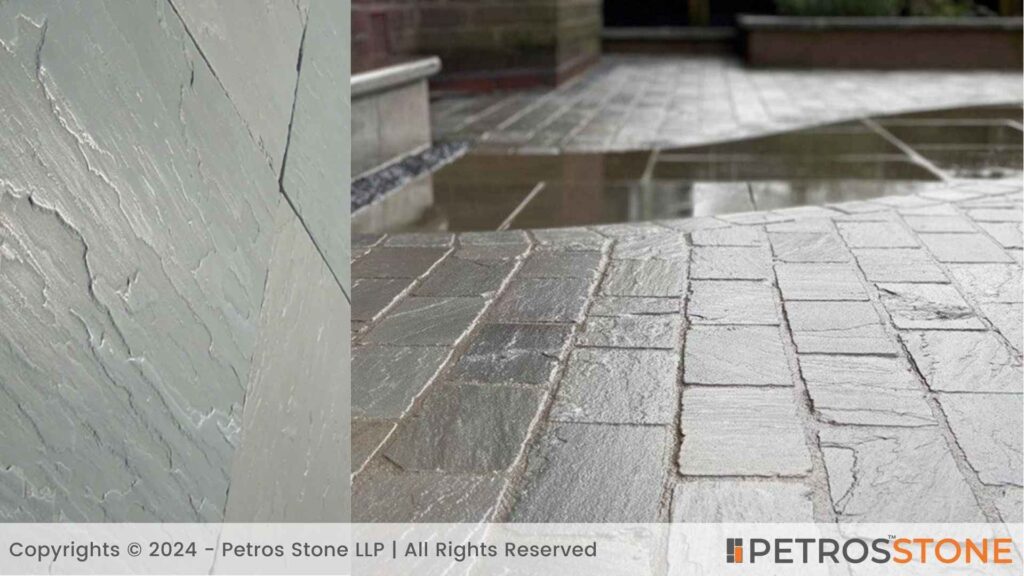 | Tones ranging from light to medium grey | Rajasthan | USD 2.5 to 4 per sq. ft. |
| Mint Sandstone | 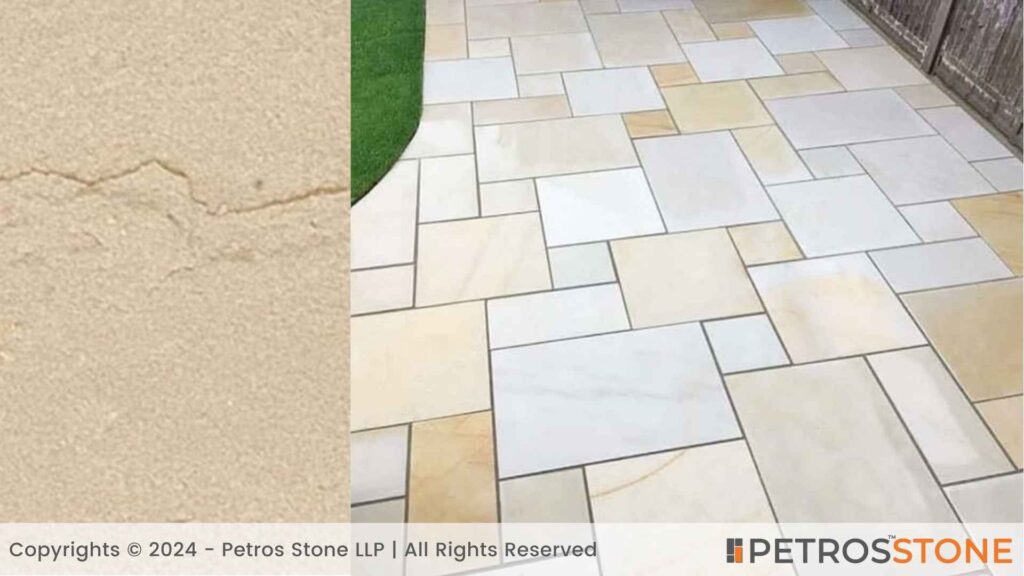 | Shades of beige, pale green, and light yellow | Rajasthan and Gwalior, Madhya Pradesh | USD 2.5 to 4 per sq. ft. |
| Rippon Buff Sandstone | 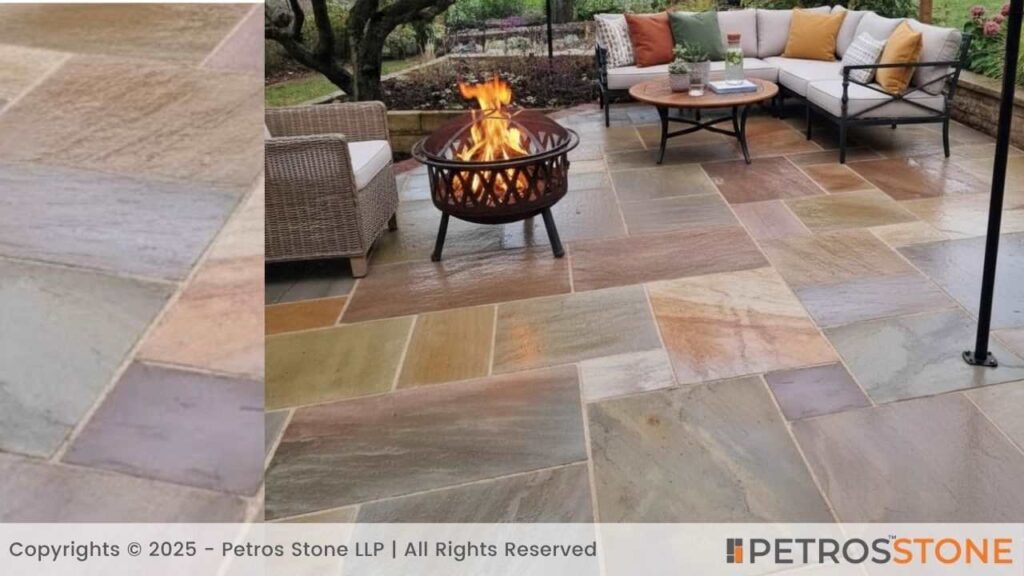 | A blend of orange, purple, and yellow streaks | Rajasthan | USD 2.5 to 4 per sq. ft. |
| Petros Sandstone | 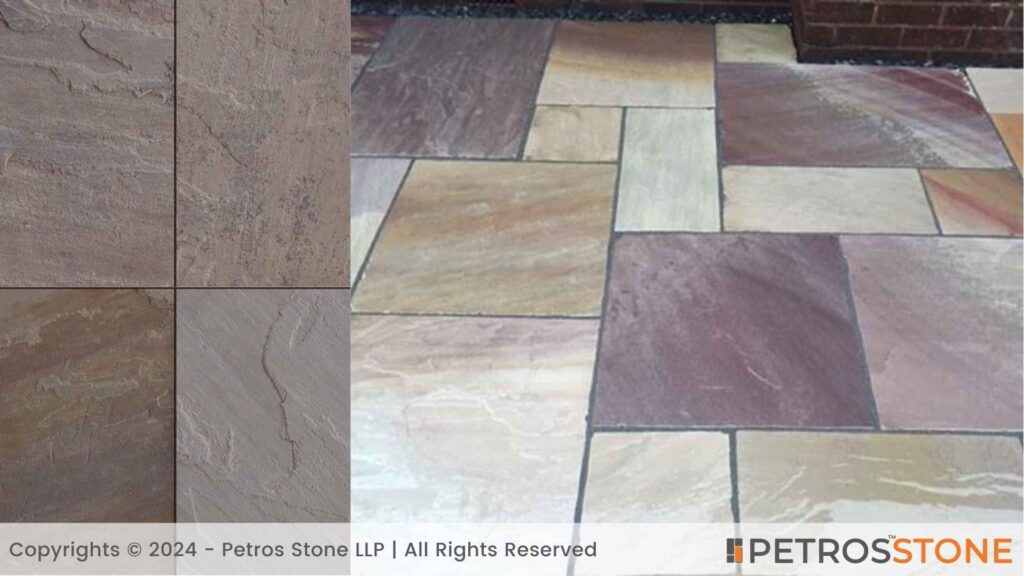 | Touch of brown with grey and soft purple | Rajasthan | USD 2.5 to 3.5 per sq. ft. |
| Ivory Sandstone | 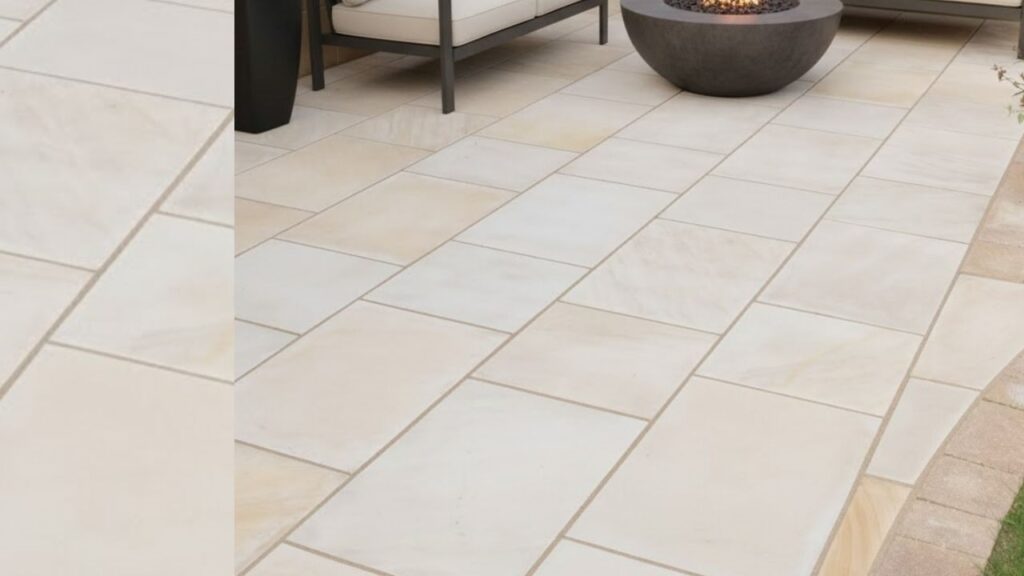 | Tones ranging from light grey to beige | Rajasthan | USD 2 to 3.5 per sq ft. |
| Gold Sandstone | 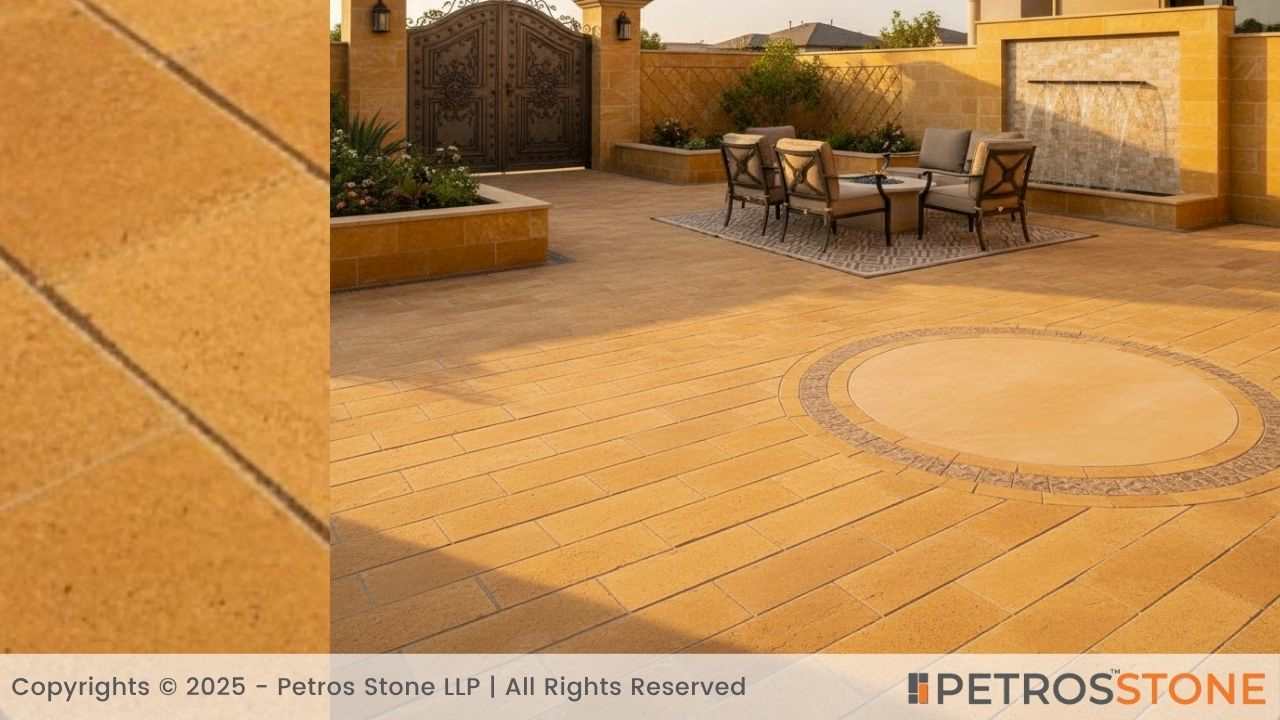 | Golden | Rajasthan | USD 3 to 4.5 per sq. ft. |
| Flowery Gold Sandstone | 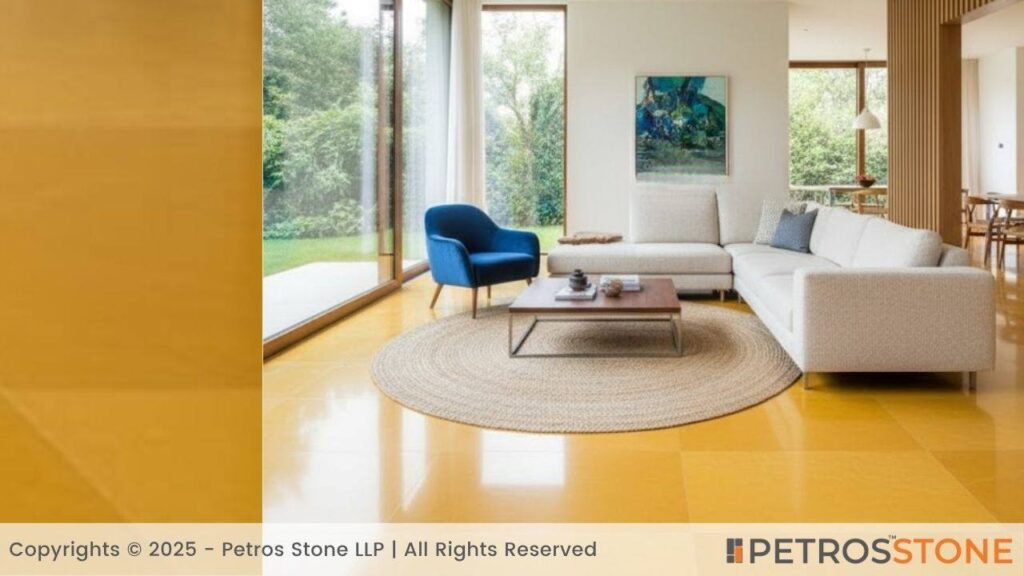 | Bright golden | Rajasthan | USD 3 to 4.5 per sq. ft. |
| Desert Yellow Brown Sandstone | 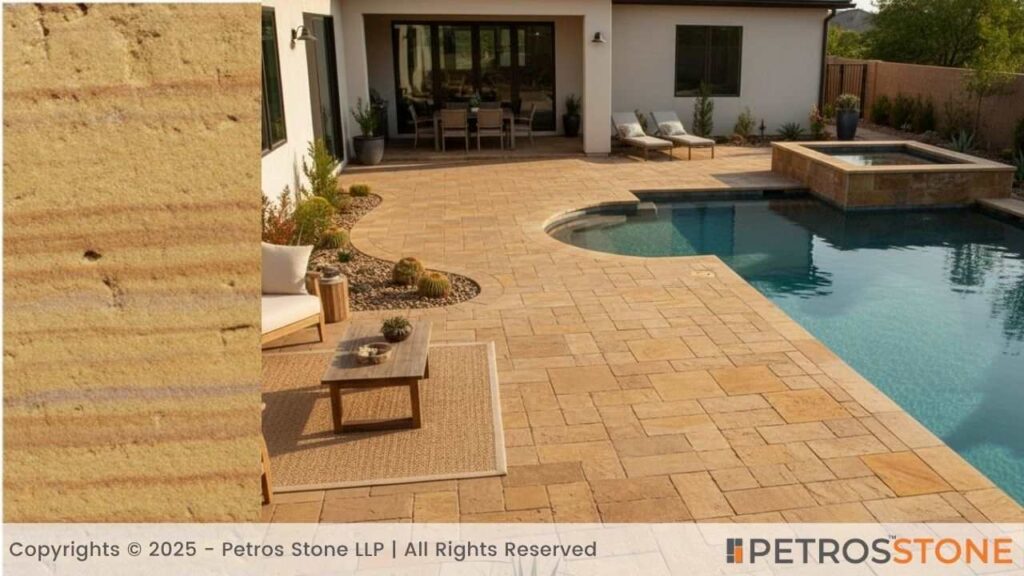 | Mix of sandy brown and golden yellow | Rajasthan | USD 2.5 to 4 per sq. ft. |
| Gardha Yellow Sandstone | 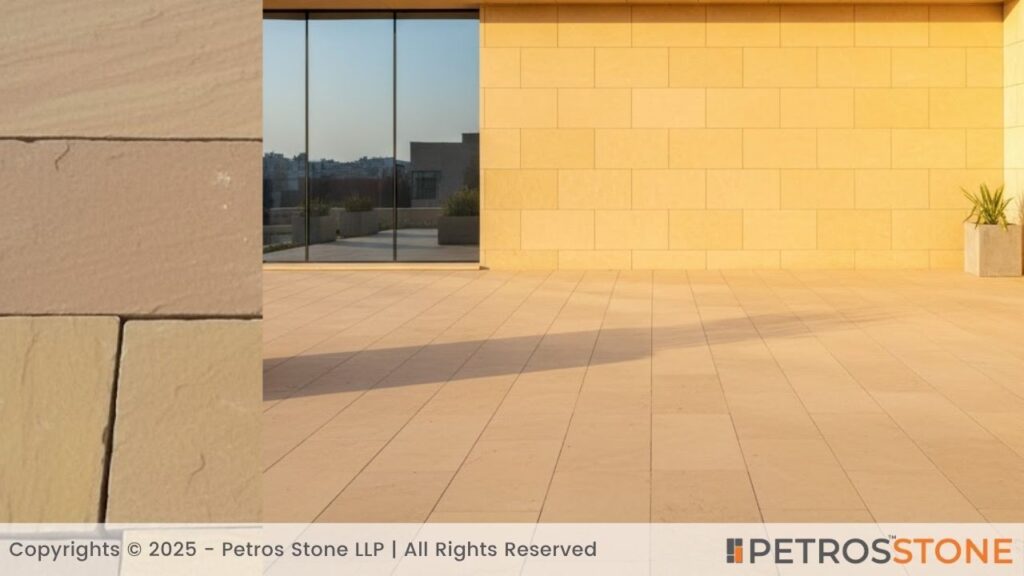 | Yellow golden hues | Rajasthan | USD 2.5 to 4 per sq. ft. |
| Sagar Black Sandstone | 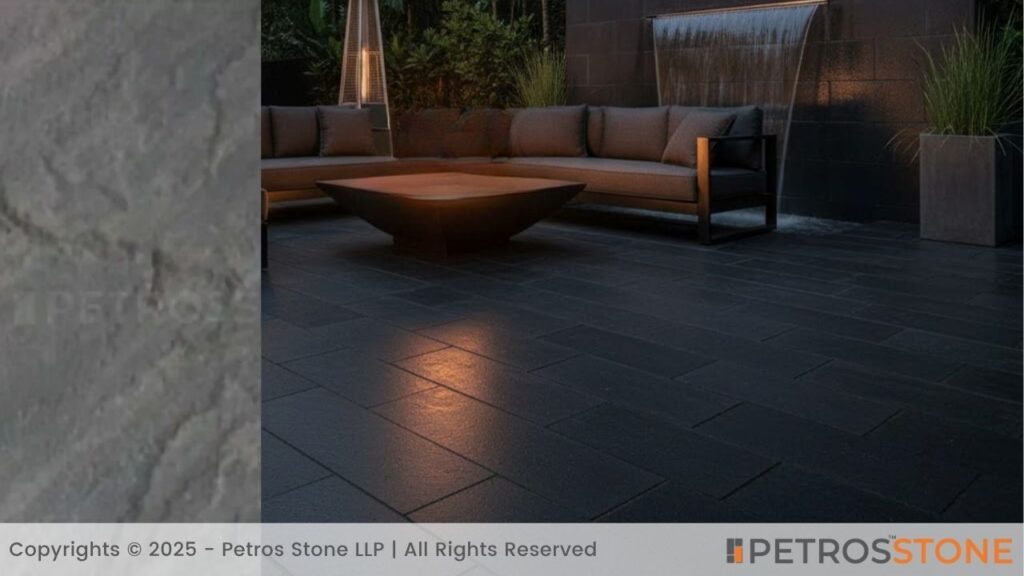 | Deep black | Sagar district, Madhya Pradesh | USD 3 to 4.5 per sq. ft. |
| Mandana Red Sandstone | 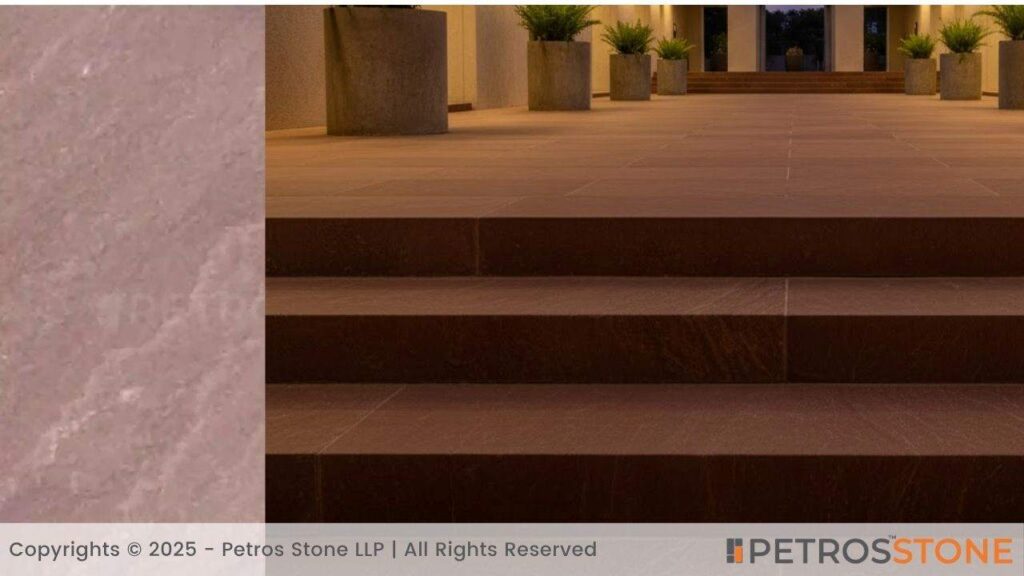 | Dark red-brown shade | Rajasthan | USD 2.5 to 4 per sq. ft. |
| Panther Sandstone | 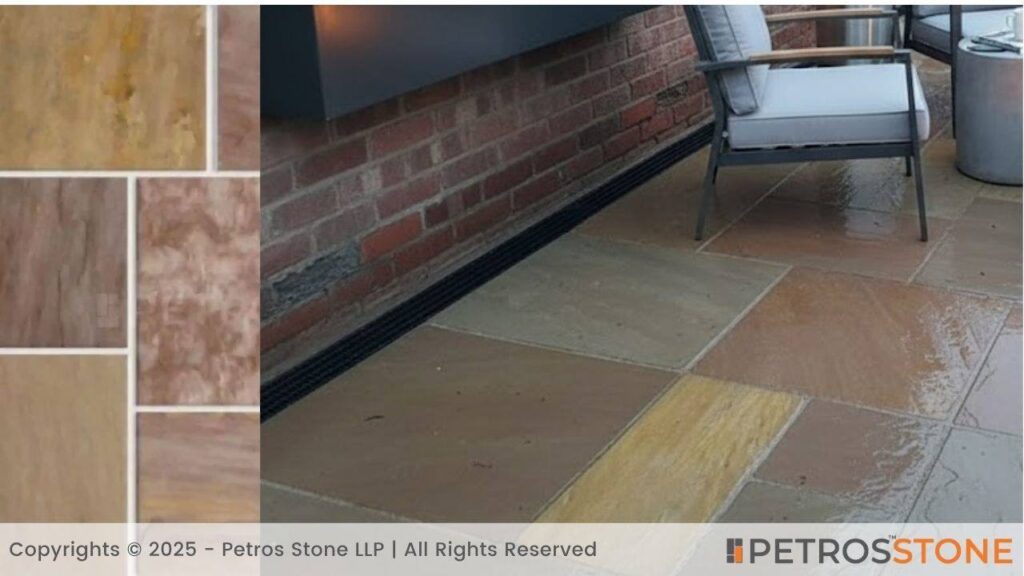 | Mix of charcoal grey, deep black, and dark brown | Rajasthan | USD 3 to 4.5 per sq. ft. |
In this article, we cover all you need to know about sandstone. It explains how it forms, its types, costs, installation, and ways to maintain it. It helps you learn how to pick and look after this classic material.
- Popular Sandstone Types (India)
- What Is Sandstone?
- How Sandstone Forms – A Geological Journey
- Popular Sandstone Colors and Commercial Types
- 1. Rainbow Sandstone
- 2. Agra Red Sandstone
- 3. Modak Sandstone
- 4. Raveena Sandstone
- 5. Jodhpur Pink Sandstone
- 6. Autumn Brown Sandstone
- 7. Chocolate Sandstone
- 8. Fossil Mint Sandstone
- 9. Camel Dust Sandstone
- 10. Raj Green Sandstone
- 11. Mint Yellow Sandstone
- 12. Teakwood Sandstone
- 13. Dholpur Beige Sandstone
- 14. Kandla Grey Sandstone
- 15. Mint Sandstone
- 16. Rippon Buff Sandstone
- 17. Petros Sandstone
- 18. Ivory Sandstone
- 19. Gold Sandstone
- 20. Flowery Gold Sandstone
- 21. Desert Yellow Brown Sandstone
- 22. Gardha Yellow Sandstone
- 23. Sagar Black Sandstone
- 24. Mandana Red Sandstone
- 25. Panther Sandstone
- Common Uses & Applications of Sandstone
- Sandstone Secrets You May Overlook
- Comparing Physical Qualities and Practical Uses
- Project Goal, Recommended Sandstone Type & Key Reasons
- Sandstone Finishes
- Table – Sandstone Finishes
- A Few Fascinating Facts About Sandstone
- Sandstone in Buildings
- Sandstone – Maintenance & Lifespan
- Summary
- Key Takeaways
What Is Sandstone?
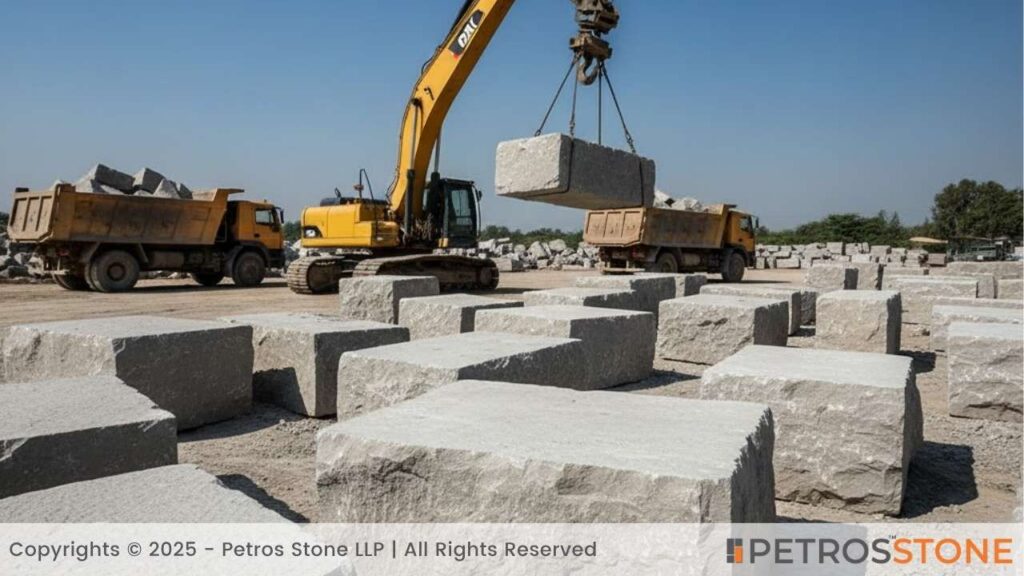
Sandstone is a sedimentary rock formed when loose sand grains are compressed and cemented together over millions of years. In simple terms, it is sand that has turned into stone through pressure and natural mineral binding.
Geologists define sand based on particle size — between 0.0625 mm and 2 mm in diameter. Most sand grains are made of quartz (SiO₂), a mineral prized for its hardness and resistance to chemical weathering. This is why sandstone is generally durable and long-lasting.
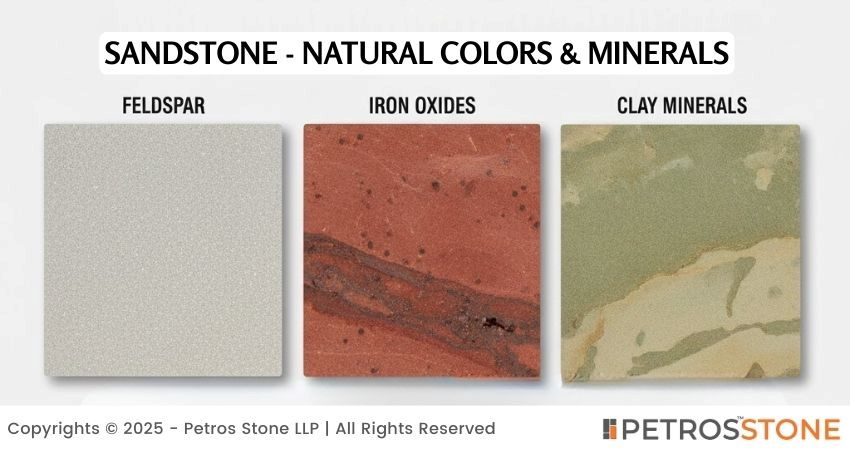
Sandstone’s natural colors and textures range from soft greys and warm yellows to deep reds and rich browns. These colors come from trace minerals in the cementing materials, such as:
- Feldspar
- Iron oxides (like Fe₂O₃ – hematite, and FeOOH – goethite)
- Clay minerals (kaolinite, illite, smectite)
How Sandstone Forms – A Geological Journey
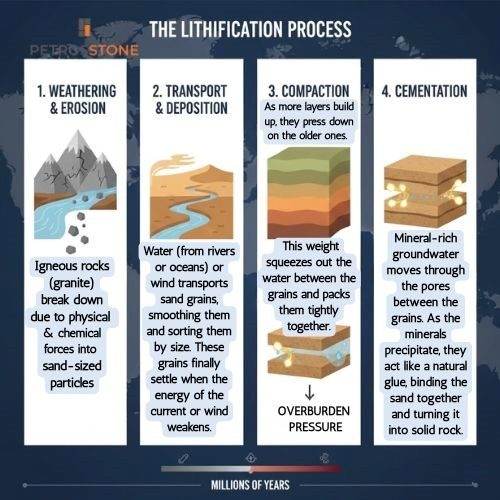
Sandstone starts as loose sand that turns into a solid rock over time. This hardening process, called lithification, takes millions of years and is an essential part of sedimentary geology.
Understanding the Lithification Process
- Weathering and Erosion: This starts with rocks breaking down both and . Most often, these are igneous rocks like granite, which have a lot of quartz and feldspar in them. This breakdown leads to particles the size of sand.
- Transport and Deposition: Water in rivers and oceans or wind in deserts moves these sand particles. As they are carried, they get smoother and are sorted by size. When the force moving them weakens, the sand settles down, forming layers in places like basins, riverbeds, or huge dunes.
- Compaction: Layers of sediment build up to thousands of feet over time. The heavy weight of these layers presses down on the lower ones. This pressure squeezes out water and pushes the sand grains closer, making them packed together.
- Cementation: This step is crucial. Groundwater rich in minerals moves through the tiny spaces left between the sand grains. As time passes, the minerals settle and harden, acting like a natural glue that holds the sand grains together, turning them into solid rock.
The Role of Cementing Materials
The kind of cementing material has the most significant impact on the final properties of the rock:
- Silica {SiO}: Silica cement comes from the gradual breakdown of quartz grains themselves and forms a very strong, lasting bond. Sandstones with silica cement resist chemicals well and make tough and durable building materials that stand up to weathering over time.
- Calcite {CaCO}: This type of carbonate cement produces sandstone that is softer and more porous. It has a warm, attractive appearance, but reacts to acid rain or pollution often found in cities. Without proper sealing or care, it is not ideal for places with high pollution.
- Iron Oxides {Fe₂O₃}: These cements are responsible for the classic reds, yellows, and browns that show up in rocks like Agra Red and various Desert Sandstones. They add decent strength and keep the material stable against chemicals.
- Clay: Minerals in clay, such as Kaolinite, form a weak bond, which makes the rock more likely to crumble and break down when it faces freeze-thaw cycles or too much moisture.

Popular Sandstone Colors and Commercial Types
The wide range of sandstone is most evident in its commercial types, many of which are famous around the world.
Indian Sandstone Types (A Global Leader)
India stands as the top exporter of premium sandstone, with Rajasthan leading due to its reliable quality and wide variety. Let’s explore the top sandstone types native to India.
1. Rainbow Sandstone
Rainbow sandstone is one of the most unique sandstones featuring wave-like flowing bands. As the stone is rich in colored veins, a smooth and sawn finish helps accentuate the aesthetics, whether it’s used for interiors or exteriors.
2. Agra Red Sandstone
Agra Red sandstone is one of the most durable and visually stunning types of Indian sandstone. Seen in landmarks like Red Fort and Agra Fort, the terracotta-toned stone exudes a sense of timelessness. It is typically used as an anti-skid flooring material in amphitheaters, feature walls, sculptures, and facades, among other applications.
3. Modak Sandstone
This Indian sandstone comprises the shades of light cream, orange, and bright pink. Modak sandstone is often added to curate rustic aesthetics and craft a warm spatial experience with its dark pink swirling pattern. It is weather-resistant and sturdy, making the stone suitable for landscape elements like courtyards, driveways, pathways, etc.
4. Raveena Sandstone
Raveena sandstone is known for its unique blend of colors, including pink, grey, rust, beige, and brown. This color combination aids in imparting a timeless look to any space. Owing to the resilience of the stone, it can be used for outdoor paving, cladding, and landscaping applications. This sandstone requires regular sealing for protection from stains and to maintain its natural charm.
5. Jodhpur Pink Sandstone
Jodhpur Pink sandstone is famous for its soft pink tones, ranging from pale rose color to deep pink tones. The consistent visual appearance of this sandstone may showcase natural patterns through occasional veining. It is available in diverse surface finishes ranging from polished, brushed, to honed, to suit the design language. The soothing look of this sandstone is often added to both modern and traditional designs for refinement.
6. Autumn Brown Sandstone
Autumn brown sandstone features an earthy touch with its textured and riven surface flaunting a warm palette composed of tan, buff, and brown. The rustic look of this sandstone color resembles the shades of autumn leaves. As every slab is unique, a few pieces may exhibit a subtle streak pattern on them, enhancing their character. It is a popular pick for country-style homes, outdoor paving, patios, etc.
7. Chocolate Sandstone
Chocolate brown sandstone is known for its rich brown tones resembling the shade of dark chocolate. This is one of the sandstone varieties that can be quarried from across the globe. The fine to medium-sized grains lead to a uniformly textured surface, and the stone may exhibit occasional veining for visual appeal. Being a sturdy sandstone, it can be used to craft garden pathways, wall cladding, and other architectural features.
8. Fossil Mint Sandstone
This is another unique sandstone color with a creamy beige color base enriched with fossil imprints in brown, beige, or other darker colors. What makes this sandstone special is the varying patterns and textures representing hints of fossils. It is best used outdoors, as on bright sunny days, when the intricate fossil pattern becomes clearly visible. However, it requires proper sealing to safeguard the stone against moisture and extreme heat.
9. Camel Dust Sandstone
Camel dust sandstone is amongst the captivating Indian sandstones with its earthy hues borrowed from a desert landscape palette. It exhibits subtle tones of dusty brown, beige, and tan and may showcase slight color variations. This sandstone is naturally weather-resistant and durable, making it a smart choice for both interiors and exteriors. It is popularly used for paving, exterior cladding, and landscape features.
10. Raj Green Sandstone
Raj green sandstone flaunts a beautiful blend of the tones of grey, green, and brown. It imparts a natural touch through its color palette, resembling a forest, and curates an inviting space. The neutral shades with sublime veining make it an excellent choice for harmonious outdoors through its application in public plazas, flooring, and cozy patios.
11. Mint Yellow Sandstone
Mint yellow sandstone is one of the most popularly used sandstones in exterior wall claddings and floorings. It features a muted yellow tone with hints of mint green and offers great sturdiness. The surface of this sandstone exhibits a medium-grained texture with multiple surface finishing options to attain the desired look. It is usually used in countertops, staircases, garden pathways, and claddings to add a sense of elegance to the room.
12. Teakwood Sandstone
Teakwood sandstone is known for its visual appearance mimicking wood. Commonly known as Khatu Teak Sandstone, it is a light yellow-colored sandstone with a natural texture and a typical wooden-grain veining pattern. What makes it popular is the density of the sandstone, making it durable for outdoor applications like pool deck areas, flooring, etc. Its smooth and sawn finish leads to clean aesthetics with excellent anti-slip properties.
13. Dholpur Beige Sandstone
This sandstone color is known to add natural charm to design through its beige tone. The soft tones of this sandstone help craft inviting and sophisticated spaces. It is well-known for its uniform texture and the flexibility to complement different design statements. To ensure longevity of the material, it demands regular sealing to keep the surface stain-free. Dholpur beige sandstone is commonly used for planter walls, stone benches, wall cladding, feature pillars, etc.
14. Kandla Grey Sandstone
Kandla grey sandstone comprises hues of grey ranging from light to medium grey. It is one of the popular picks for contemporary designs with its neutral appearance. When it comes to a balanced landscape design, Kandla grey sandstone helps create a contrast with the vibrant plantation palette and curates a cohesive visual setting. The most popular surface finishes for this sandstone color are shotblasted, riven, sawn, and tumbled. It is popularly used as garden stepping stones for a modern yet functional setting.
15. Mint Sandstone
Mint sandstone, also known as Gwalior mint, is one of the finest varieties of sandstone for both outdoor and indoor applications. It is comprised of soothing shades of pale green, beige, and light yellow to evoke a sense of calm and impart earthy aesthetics. The fine-grained texture paired with its anti-slip properties makes this sandstone an ideal choice for pool decks, patios, and courtyards.
16. Rippon Buff Sandstone
This sandstone color is known for its warm yet vibrant aesthetics, comprised of yellow, orange, and purple streaks on a buff-toned base. It is one of the most popular picks for landscape design to add a splash of brightness in nature. The varying hues in each slab of this sandstone help curate a very natural and rustic space.
17. Petros Sandstone
Petros Sandstone features the shades of grey, soft purple, and an earthy touch of brown. The versatile blend of tones makes it compatible with both contemporary and traditional designs. The weather-resistance and durability of this sandstone make it a practical and aesthetic choice for exterior walls, patio flooring, and walkways.
18. Ivory Sandstone
This Indian sandstone is known for crafting bright spaces with its creamy and pale tones. It exhibits slight variations from light grey to beige. Ivory sandstone is popularly used in minimalistic designs to add a sense of sophistication. Beige, being a versatile color, blends with different design languages, and when it comes to outdoors, it can be used in feature walls, columns, and paving.
19. Gold Sandstone
As the name states, this is a golden-colored sandstone highly used for decorative purposes. Being amongst neutral sandstone colors, it is often used to develop eye-catching patterns in flooring. The application of gold sandstone can be seen in the famous forts and havelis of Jaisalmer. Yet, it continues to be amongst the popular stones for both modern interiors and exteriors.
20. Flowery Gold Sandstone
Flowery gold is an eye-pleasing sandstone flaunting a one-of-a-kind organic veining pattern. This sandstone is famous for its bright golden shade, along with hints of brown. Owing to the sense of luxury it imparts, this sandstone color is often used for feature walls, interior decoration, and cooking countertops to complement light-wooden furniture.
21. Desert Yellow Brown Sandstone
The desert yellow brown sandstone borrows its sandy brown, golden yellow, and occasional yellow hues from an Indian desert. Its natural palette makes it perfect for outdoor spaces like pathways, pool decks, and wall cladding. Mimicking the authentic charm of a desert terrain, the shade variation ensures that no two slabs look alike, imparting an organic charm to the space.
22. Gardha Yellow Sandstone
This Indian sandstone is admired for its warm yellow-golden tones, known to brighten up spaces. The consistent tone and fine-grain texture make it ideal for wall cladding and paving, demanding a sense of continuity. It exhibits low water absorption and is resistant to weathering, promising longevity even when exposed to outdoor conditions. A polished surface finish crafts shiny and elegant interiors.
23. Sagar Black Sandstone
This Indian sandstone is famous for its bold aesthetics in deep black tones. Sagar black sandstone exhibits a fine-grained texture and has a natural luster, further accentuating its aesthetic appeal. It is a durable stone, ideal for indoor and outdoor applications. The striking black tones of this sandstone are used for wall cladding, paving, feature walls, etc.
24. Mandana Red Sandstone
Mandana red sandstone is famous for its deep red-brown hues, known to add depth and character to any space. With a dense grain structure, it is one of the most durable sandstone varieties, resistant to abrasion. It’s ideal for public-use areas like walkways, steps, and courtyards, and is available in multiple surface finishes, such as polished and honed. Mandana red sandstone can be blended with lighter tones for a striking contrast.
25. Panther Sandstone
Panther is an Indian sandstone known for its captivating dark color palette comprising charcoal grey, dark brown, and deep black. The natural appearance of this stone resembles the dark and majestic panther coat. It is often used to add drama to space and comes with excellent durability and weather-resistance properties. Owing to the strength of the stone, it can be used for both indoor and outdoor applications.
Global Sandstone Types
- Sydney Sandstone (Australia): This sandstone ranges from cream to golden yellow. It is recognized for its role as cladding on many historic buildings in Sydney.
- York Sandstone (UK): Known for being tough and resistant to weather, this stone comes in shades of grey, beige, or buff. Builders in Northern England have relied on it for centuries in paving and construction work.
- Navajo Sandstone (USA): This sandstone is famous for its vibrant red and orange hues, forming the impressive cliffs and dunes seen throughout the American Southwest.

Common Uses & Applications of Sandstone
Exterior Applications
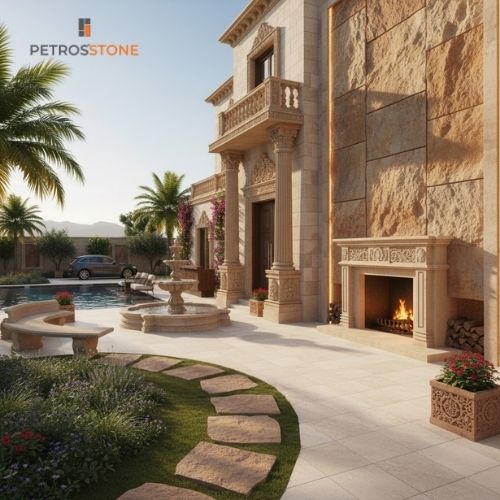
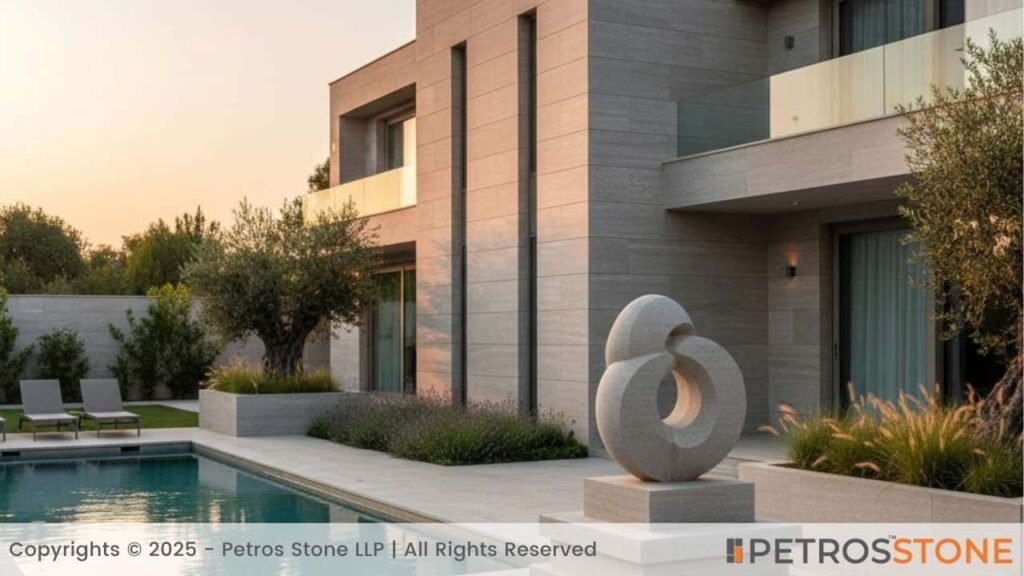
Builders often choose sandstone for outer cladding thanks to its natural patterns warm tones, and ability to handle weather conditions well. It adds beauty to homes, villas, hotels, schools, and buildings with traditional designs. Sandstone’s ability to stay cool helps keep indoor spaces more comfortable in warm regions.
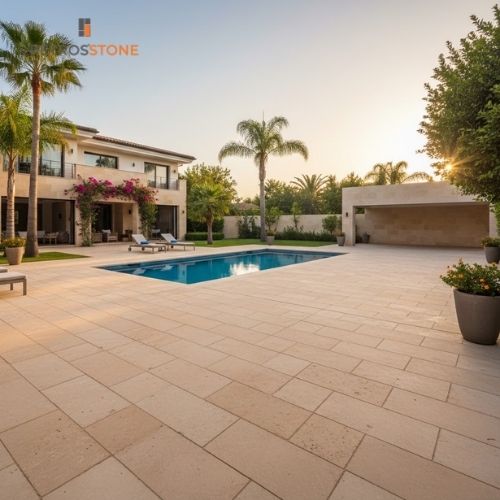
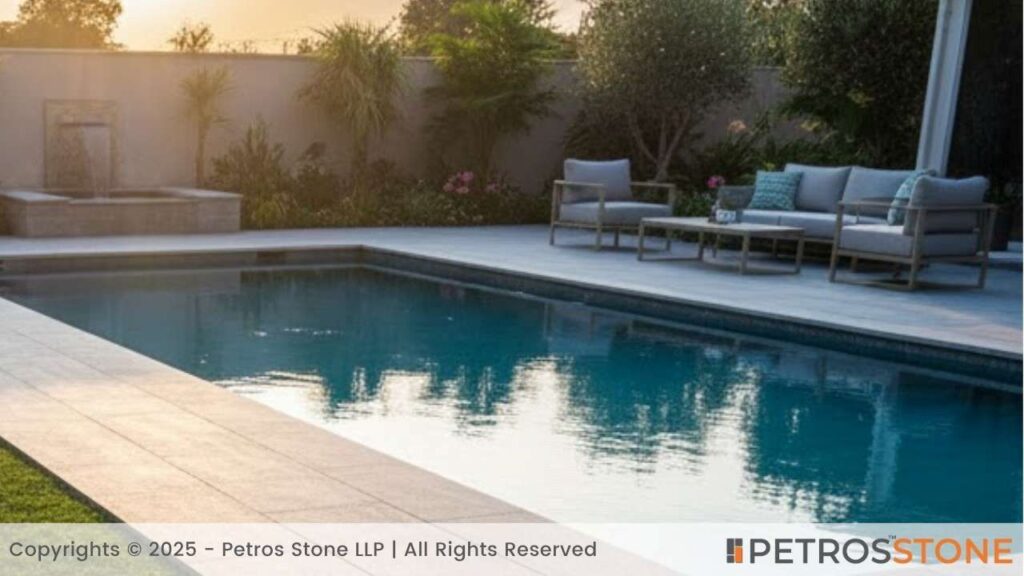
Sandstone is a popular choice for outdoor paving because it lasts a long time and doesn’t get slippery . People often use it in places like patios, courtyards, driveways, and pool decks. It can handle foot traffic heavy vehicles if thick enough, and outdoor weather without losing its color too fast.
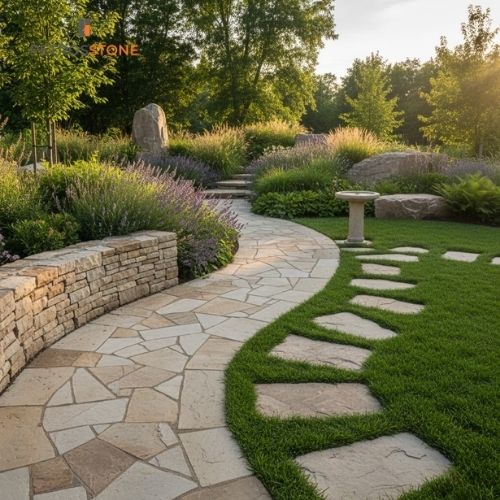
You can use sandstone to create pathways stepping stones, garden edges retaining walls, or even decorative rock features. It fits in well with natural surroundings and greenery making it great for modern or rustic garden designs. Its earthy colors make walkways and steps look nice, while retaining walls help support structures.
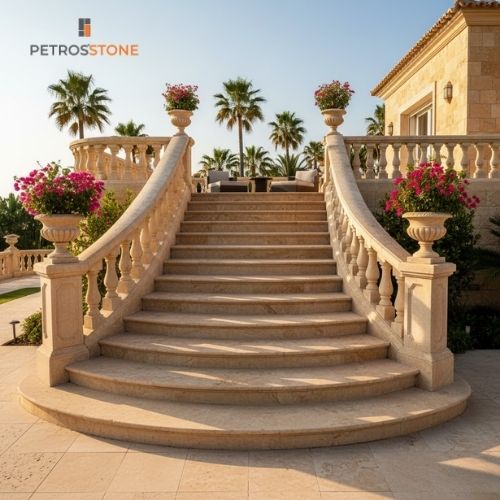
People use sandstone slabs and blocks a lot for making outdoor stairs and terrace steps. These materials provide a strong grip, are very sturdy, and can handle tough weather. Even in rainy seasons or areas with frost, they stay safe and last long.
Interior Uses
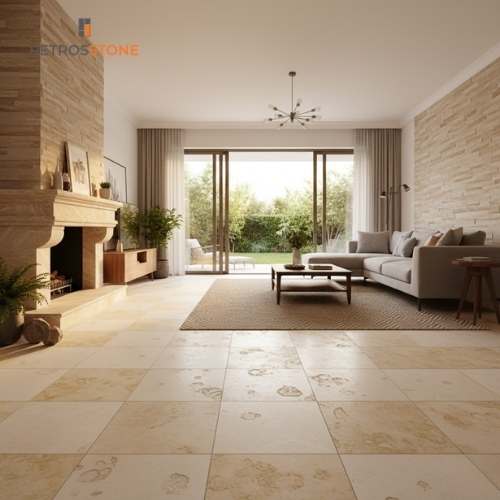
Sandstone floors give indoor spaces a cozy and natural vibe. When finished with a honed or brushed texture, they look polished but still maintain their earthy appearance. They feel nice to walk on so they work well in busy areas like hallways and living rooms.
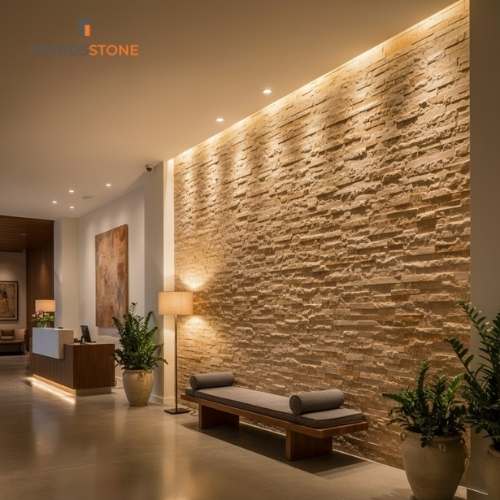
You can use textured sandstone cladding to make any wall inside a room stand out. It’s often seen in living rooms, hotel lobbies, offices, and reception spaces. These walls add depth and personality while providing a classic and natural look.
Since sandstone handles heat well, it works great for fireplace mantels, hearths, and surrounds. Its earthy colors go well with wood and metal bringing warmth and a welcoming vibe to any room.
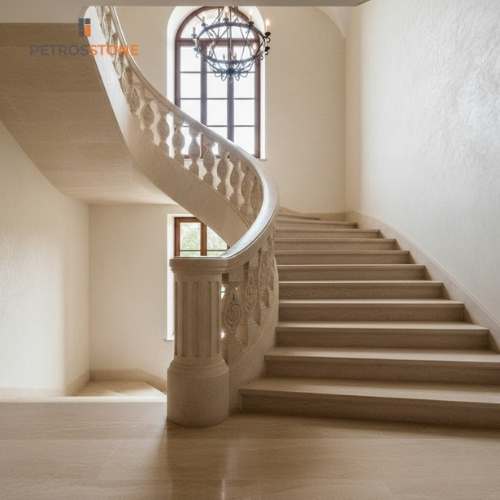
People often choose sandstone for indoor stair treads and risers in villas or boutique commercial places. It not looks good but also offers a natural grip making staircases both attractive and safe.
Architectural & Decorative Elements
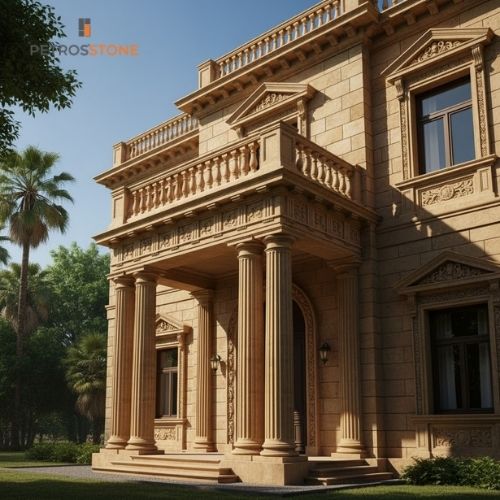
Building with sandstone features like columns, balustrades, and window or door frames gives structures a timeless and elegant appearance. People use these elements in villas, resorts, temples, and heritage-style architecture because they last long and look artistic.
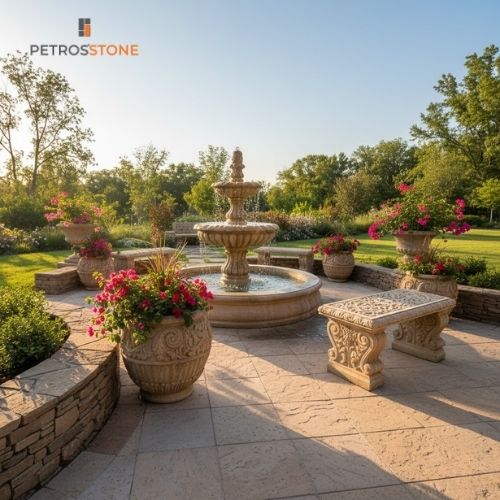
Craftsmen shape sandstone into benches, planters, fountain bases, and decorative water features. These items handle weather changes like sun and rain well and enhance the beauty of outdoor areas.
Sandstone Secrets You May Overlook
When buying sandstone, you need to think beyond just how it looks or feels. The rock’s durability depends on its geological makeup and how well it has been processed.
The Risk You Might Not Expect with Bedding Planes
Many buyers believe thicker sandstone is always more durable, but that’s not the case. Since sandstone is a sedimentary rock, it comes with bedding planes, which are the layers formed during deposition breaks.
- A thicker stone slab (30 mm) might be weaker than a thinner broken flagstone (20 mm) when the thicker piece gets cut along a weak bedding plane. This issue, known as face-bedding, is pretty common.
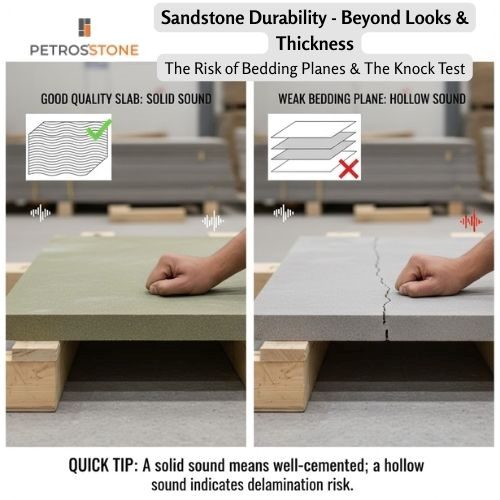
Quick Tip: Knock on the underside of the slab using your knuckles or a rubber mallet. A solid sound generally means the slab is well-cemented and of good quality. If it echoes or makes a hollow noise, though, the slab has delamination or a weak plane that could chip or flake over time. This quick check can often be more dependable than just taking a supplier’s ‘premium quality’ label at face value.
Porosity – The Measure of Durability
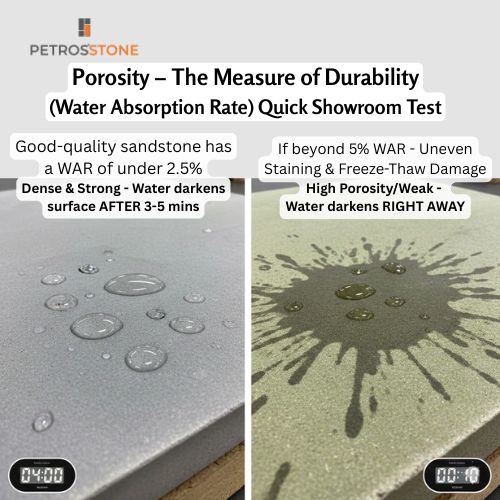
Granite is dense, but sandstone stands out for its porosity. To measure the quality of dense sandstone paving, such as Kandla Grey or Raj Green, experts use the Water Absorption Rate (WAR) as the key performance indicator.
- Industry Guidelines Say: Good-quality sandstone has a WAR of under 2.5%. If it goes beyond 5%, there is a high chance of uneven staining in damp or shaded spots, and the stone may suffer freeze-thaw damage in colder climates.
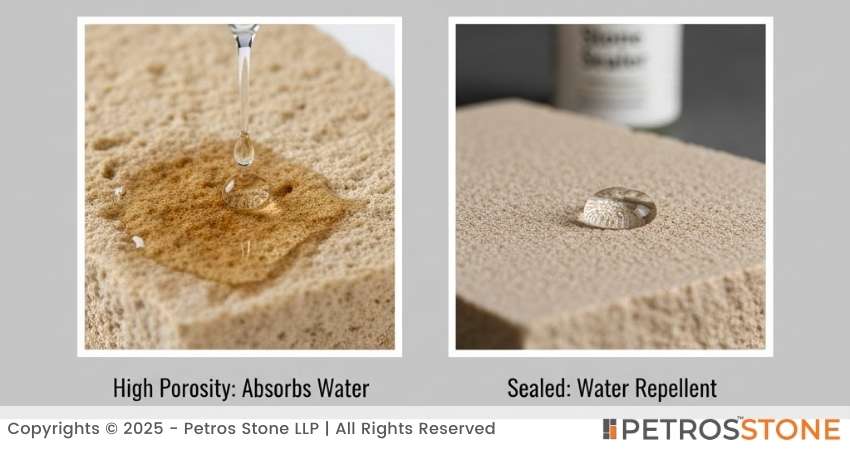
- Quick Showroom Test to Try: Drip a few drops of water onto the stone. If the sandstone is dense and strong, it should take at least 3 to 5 minutes before the water starts to noticeably darken the surface. If it darkens right away, the stone has high porosity or weak bonding.
How to Cut and Lay It (Risks Related to Specific Stones)
The strength of sandstone depends a lot on the way people handle and place it.
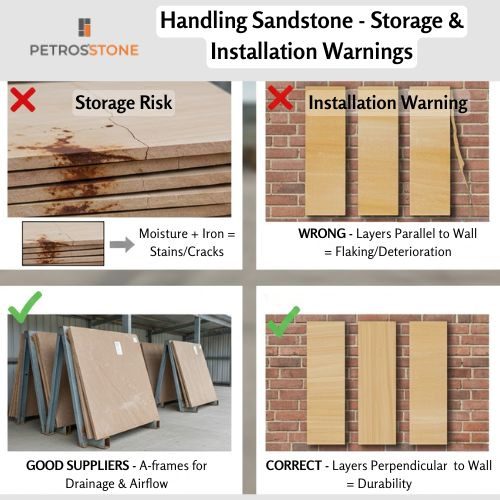
- Storage Risk – Sandstone types with high iron oxide levels, such as Autumn Brown and Agra Red, may form thin cracks and noticeable iron stains when stored flat during the monsoon or over extended periods. Small cracks let moisture in, which reacts with the iron. Good suppliers always store these stones on A-frames to ensure proper drainage and airflow, avoiding the 10%-15% drop in strength.
- Installation Warning – To install cladding, architects understand sandstone holds up best when its natural bedding planes sit perpendicular to the wall surface. If placed with the layers running parallel to the wall surface to improve appearance, the stone faces more wear and tear, which can lead to hidden flaking and faster deterioration.
Comparing Physical Qualities and Practical Uses
To determine where a stone works best, one must evaluate its physical qualities. These properties have a crucial role in every construction undertaking.
Typical Property Description
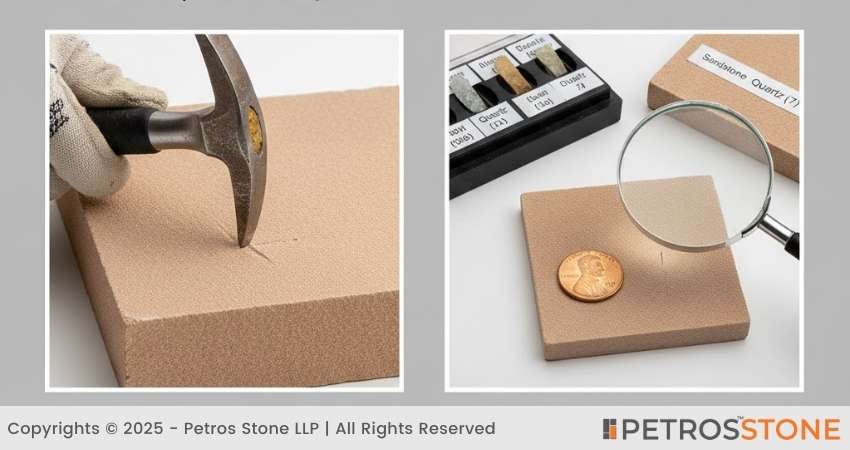
Hardness (Mohs Scale): The hardness of this material ranges from 6 to 7. It is strong enough to endure wear and tear.
Porosity: Porosity can vary between 3% and 15%. If it is more porous, sealing the material becomes more important.
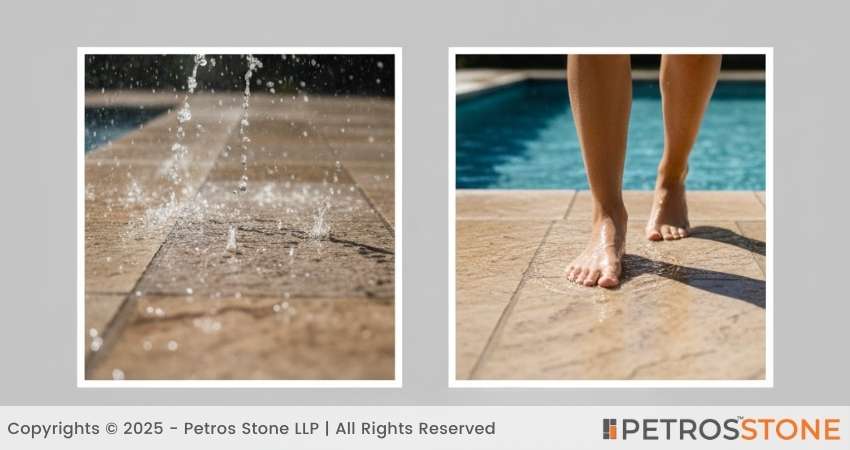
Slip Resistance: Natural split finish provides excellent grip, making it perfect and safe to use around pools, outdoor pathways, and paving.
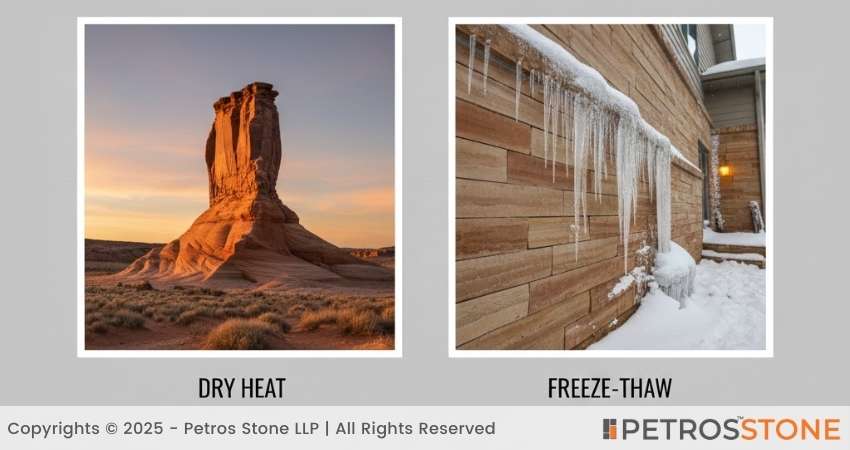
Weather Resistance: It performs very well in outdoor settings. This includes being durable in wet, dry, or freeze-thaw environments, and quartz types.
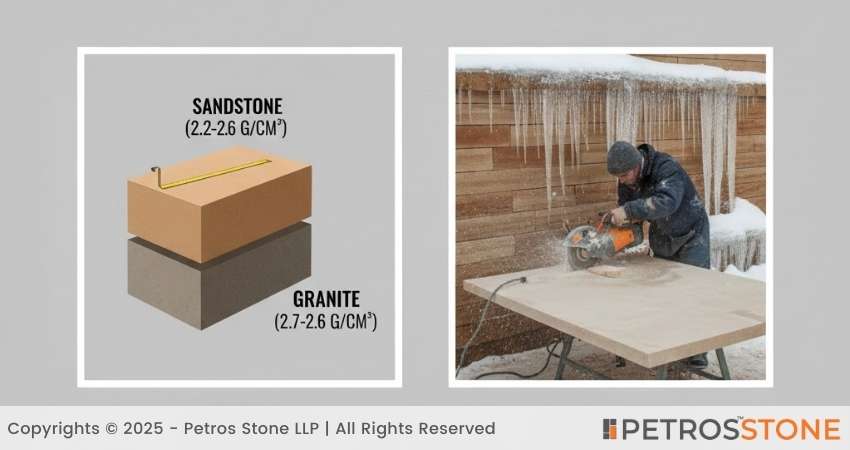
Density: Medium density 2.2 to 2.6 grams per cubic centimeter, making it easier to cut, shape, and install compared to harder materials like granite.
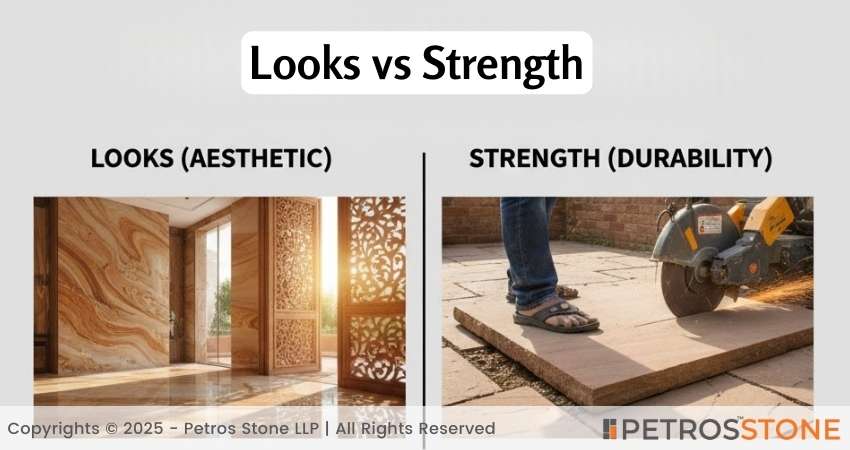
Comparison Based on Pupose: Looks vs. Strength
Selecting sandstone should depend on its intended purpose. Don’t just think about how it looks.
Project Goal, Recommended Sandstone Type & Key Reasons
Pool Surrounds and Damp Areas
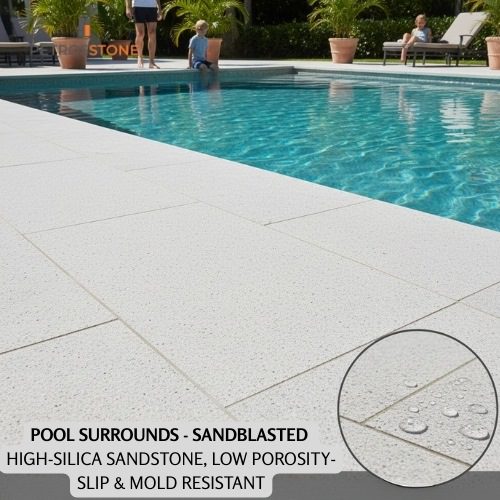
Choose sandstone with high silica content and a sandblasted finish. Its low porosity and textured surface ensure safety while resisting mold growth and staining. Indian sandstone varieties like Kandla Grey, Raj Green, Autumn Brown are known for their naturally high quartz content and density, making them suitable for the demanding sandblasting process
Detailed Carvings or Jali Screens
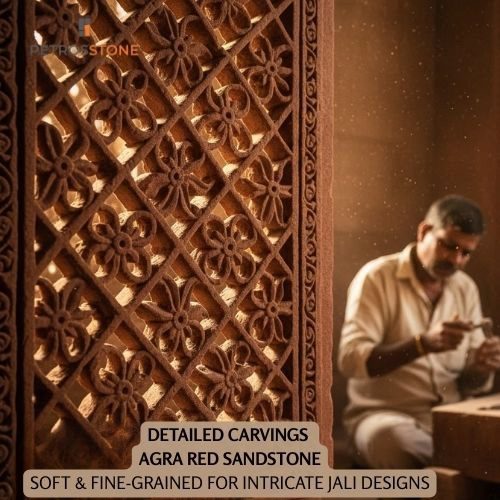
Go with calcareous sandstone or fine-grained Arkose, like the Agra Red variety. This type remains softer when quarried, which helps masons create intricate shapes and patterns seen in traditional Indian Jali designs.
Modern and Uniform Paving
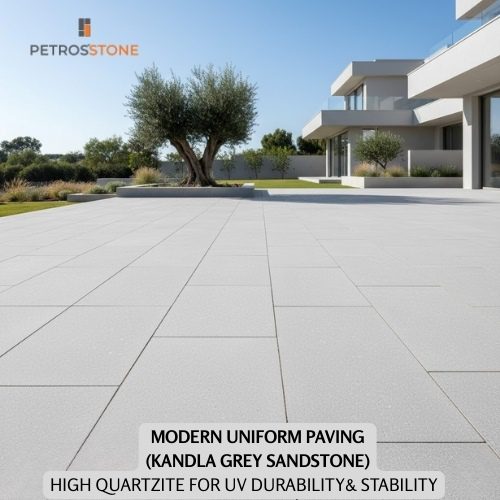
Opt for Kandla Grey or light York Sandstone, which belong to the Quartz Arenite family. Their high quartz concentration provides excellent UV durability and keeps the stone stable without much natural shifting.
Sandstone Finishes
Sandstone finishes vary widely, from natural and rustic to smooth and contemporary, allowing designers to choose the perfect texture, grip, and visual style for both interior and exterior applications.
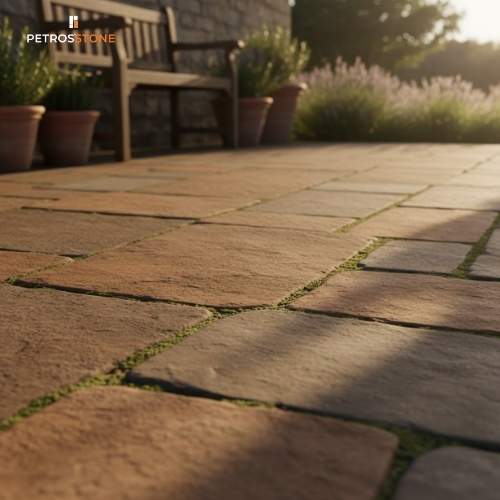
A natural split surface that provides excellent grip, making it ideal for outdoor paving.
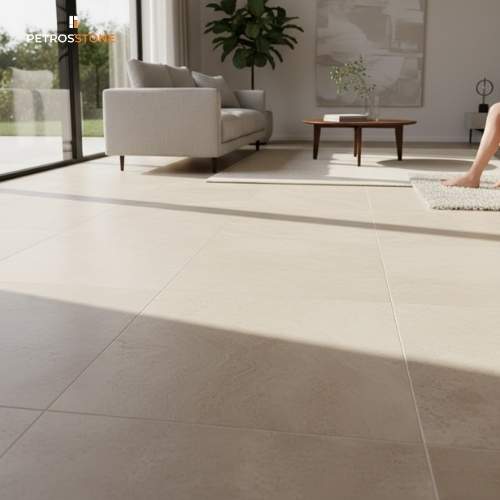
A smooth, matte surface that offers a refined look, perfect for indoor flooring.
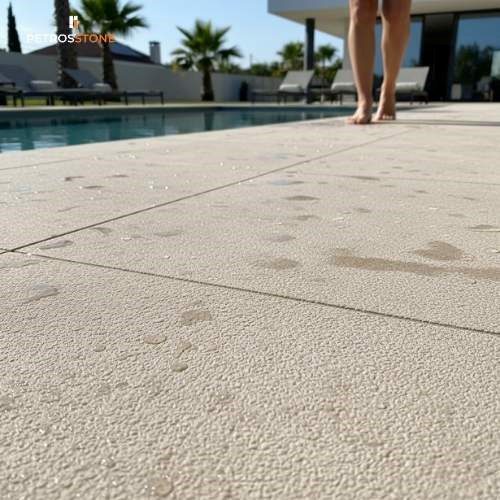
A textured, high-grip surface suited for wet areas like poolside decks.
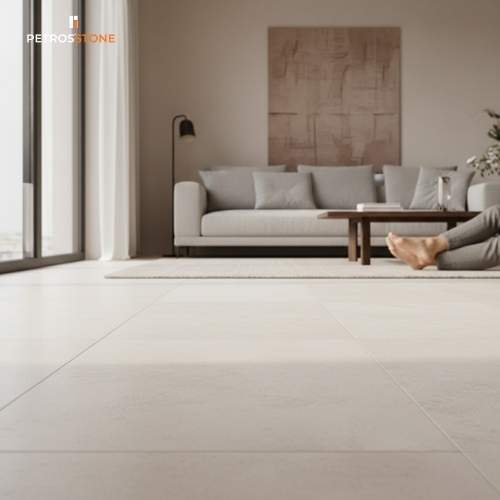
A soft, subtly textured surface that complements contemporary interior designs.
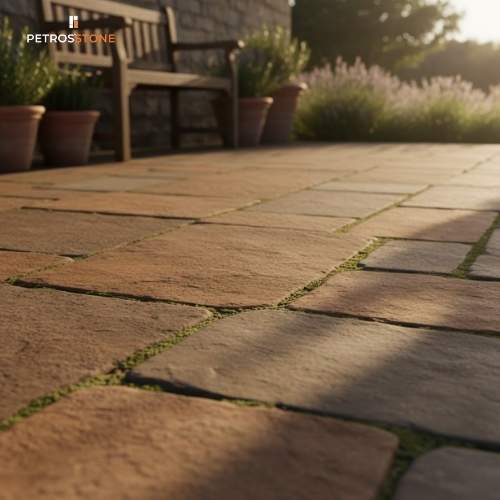
An aged, weathered look ideal for heritage, rustic, or vintage-style projects.
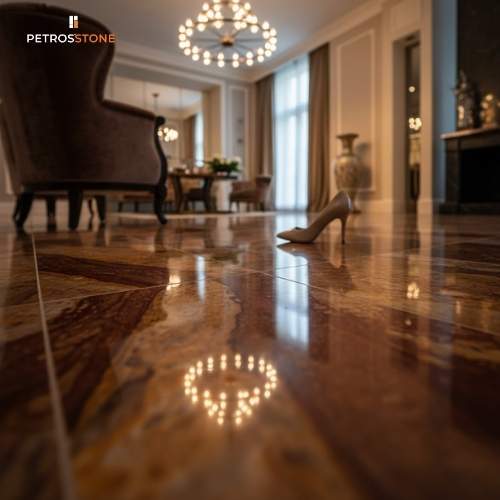
A rare, glossy surface in sandstone, used selectively for premium interior accents.
Table – Sandstone Finishes
| Finish | Images | Description | Best Use |
|---|---|---|---|
| Riven | 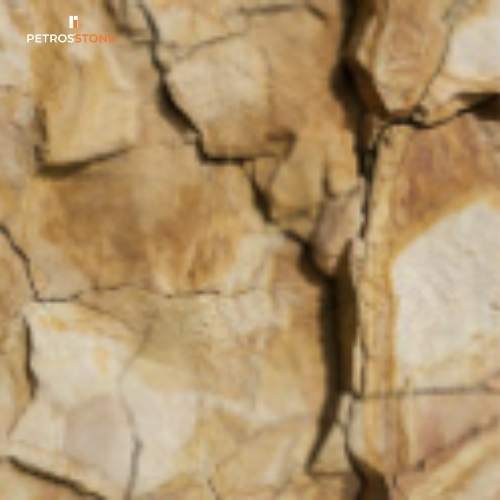 Riven Finish | Natural split surface | Outdoor paving |
| Honed | 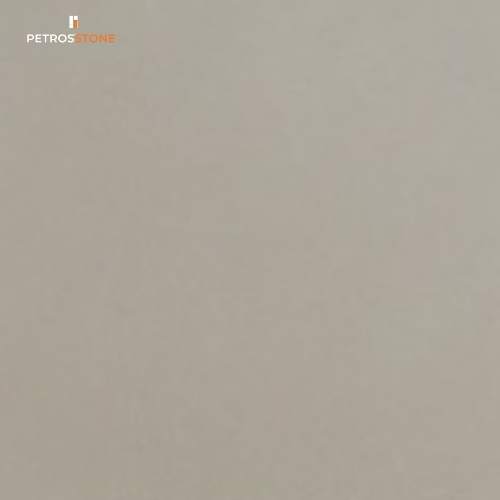 Honed Finish | Smooth matte surface | Indoor flooring |
| Shot-Blasted | 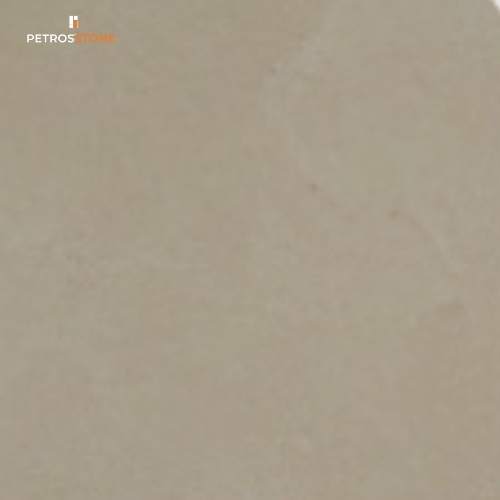 Shot-blasted Finish | High-grip surface | Poolside areas |
| Sandblasted + Brushed | 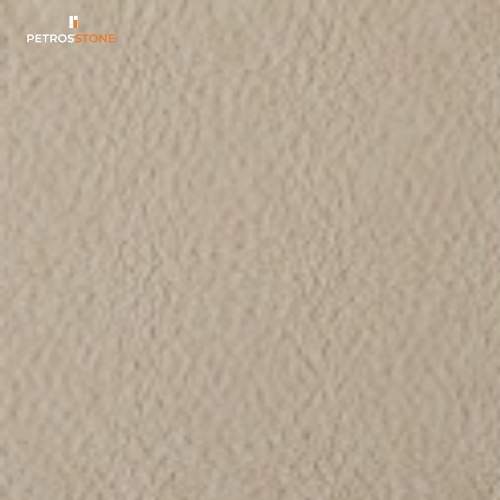 Sandblasted + Brushed Finish | Soft, refined | Contemporary interiors |
| Tumbled |  Tumbled Finish | Aged, antique feel | Heritage/vintage projects |
| Polished |  Polished Finish | Shiny (rare in sandstone) | Select interiors |
A Few Fascinating Facts About Sandstone
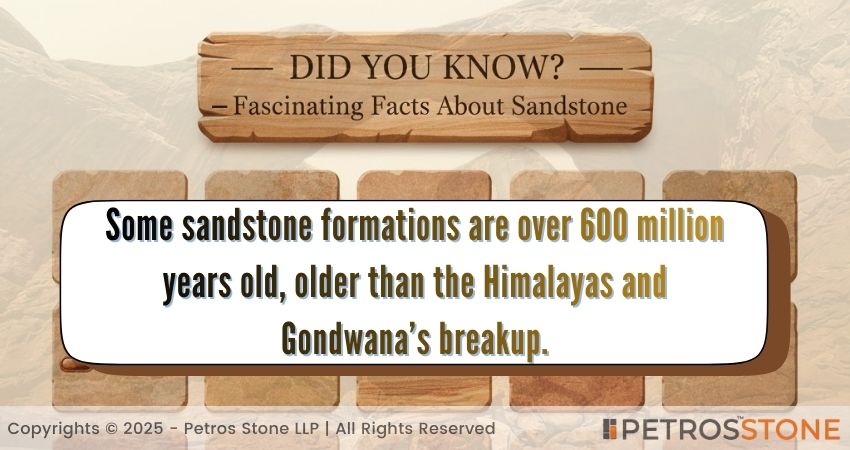
1. Sandstone existed before most mountains
There are sandstone formations that have been around for more than 600 million years. They are older than the Himalayas and even before Gondwana, the supercontinent, broke apart.
2. It acts like a natural history vault
Sandstone holds onto amazing things like:
- Fossils
- Marks left by plants
- Ancient wavy patterns
- Dinosaur footprints
These treasures can stay well-preserved for millions of years.
3. Its color shows the minerals it comes from
- Red or Brown means it has high iron levels.
- Yellow or Buff shows goethite or limonite presence.
- Green points to glauconite.
- White contains pure quartz.
The color acts like a mineral fingerprint.
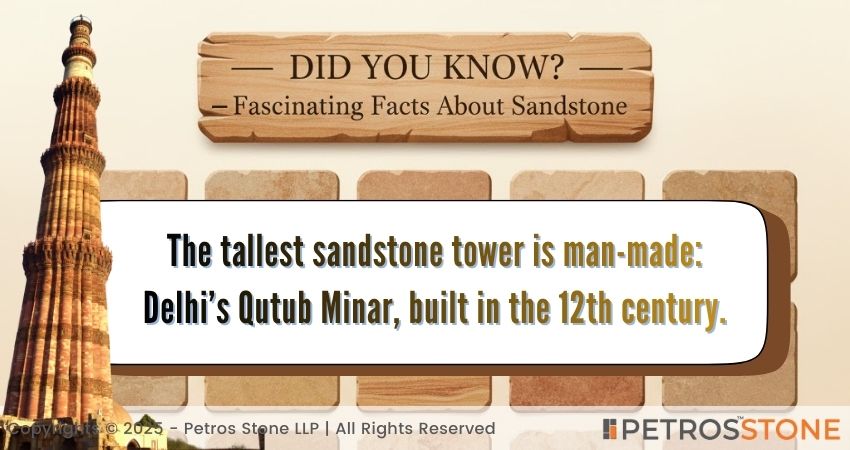
4. The tallest sandstone tower in the world.
The Qutub Minar in Delhi holds the world record as the tallest sandstone structure. Builders completed it in the 12th century using red and buff sandstone.
5. Water moves through sandstone like a natural filter
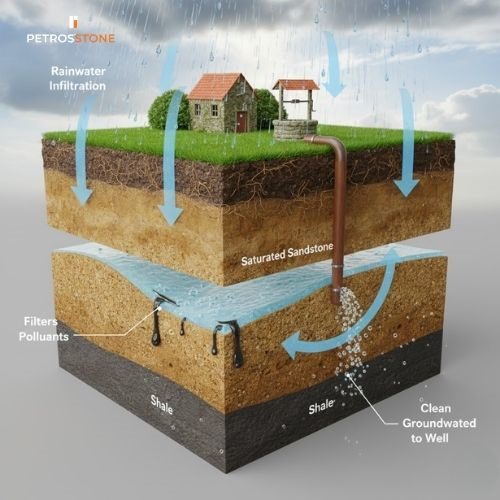
Because sandstone is porous, rainwater can pass through it and even get cleaned along the way. This is why sandstone plays a big role in natural aquifers.
6. It’s tough enough to scratch steel
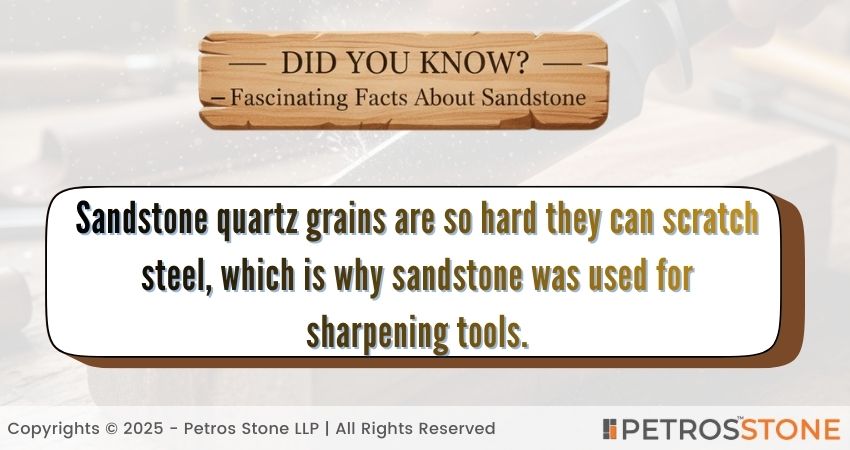
The quartz grains in sandstone are so hard that they can even scratch steel. People used sandstone for sharpening tools and knives in the past, and it’s still used to make sharpening stones today.
7. Sandstone gets tougher with time
As it goes through cycles of wetting and drying, the grains in sandstone press together more. This process makes buildings made from sandstone stay strong for centuries
8. Sandstone is slip-proof by nature
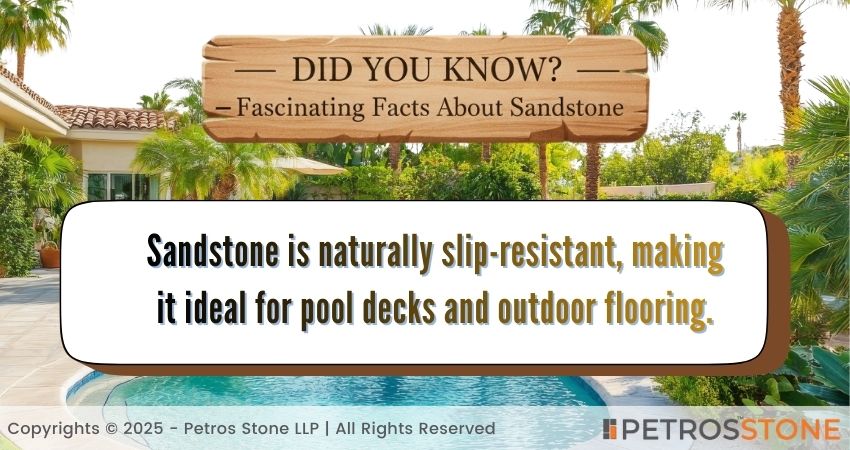
Its rough and grainy surface keeps it safe to walk on even when it’s wet. That’s why people around the world use Indian sandstone for things like poolside flooring.
9. Some types of sandstone glow under UV light
Sandstones with traces of uranium or rare minerals give off a glow, appearing green or yellow when placed under ultraviolet light.
10. Each sandstone holds its own unique “grain signature.”
The size, alignment, and texture of the grains help geologists figure out:
- where ancient rivers once flowed,
- what the climate was like in the past,
- and even how far the sand journeyed over time.
It is like a diary of Earth written in stone.
Installation – Things to Look Out for With Installers
Bad installation techniques might ruin even a high-grade sandstone slab in just a few months.
Hollow sounds
When the installer places the stone on a dirty or untreated concrete base without applying a bonding slurry mix, the stone can come loose and create hollow sounds in just a few weeks.
Mortar mix
Using regular high pH white cement as the main bedding for dark or reddish stones is a warning sign. Chemicals from the cement may lead to white streaks or patches caused by salt deposits rising to the surface.
Thicker Does Not Always Mean Better (Save Smart)
To save cash while keeping quality, pick cuts. Clients can reduce material usage and minimize waste by using smaller, well-placed pieces – for example, 2400 × 700 mm sections for a long countertop. The joint can be hidden under an oven instead of spending extra on one big, oversized slab.
Understanding the Real Cost of Consistency (Explaining Cost Variance)
Stone quality, even from the same quarry, can differ. This variation often influences pricing:
- Desired slabs such as rare banded Rainbow Sandstone from a “prime vein,” may have as much as 20%-40% higher prices. The reason? These slabs exhibit richer colors and finer, more consistent banding.
- On the other hand, commercial-grade blocks from the same quarry may look duller, show weaker color bands, or have more clay-filled pockets. This explains why two suppliers might provide vastly different quotes for what seems like the same stone.
Sandstone in Buildings
The unique traits of sandstone make it usable in ways that most other stones can’t match.
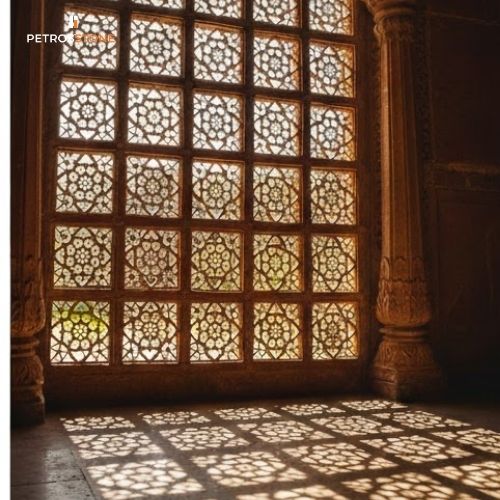
- Jali Screens (Visual Simplifier): Sandstone is easy to carve by hand, making it perfect to create detailed screens called Jalis found in Rajasthani and Mughal-style buildings. These beautifully crafted screens allow air and sunlight to pass through while keeping spaces private. They also cast shifting light patterns on the ground, adding to their appeal.
- Aquifers: Besides being a key material in construction, sandstone also plays a massive role in geology. It forms some of the largest and most important aquifers in the world. Its porous structure can hold a lot of groundwater, and its fine texture helps clean pollutants better than broken rocks like limestone.
Sandstone – Maintenance & Lifespan
How Climate and Location Alter the Look Over Time
Sandstone changes over time based on where it is and what it’s made of:
- UV Light Effects – Yellow-buff sandstones such as Desert Brown or buff-colored York Stone can fade after four to five years in sunny, west-facing spots. This happens because of strong UV rays. Sealing the stone helps keep the color change minor below 10%.
- Coastal and Damp Conditions – Porous stones, calcareous ones, need sealing more often in areas near the coast or places with high humidity because of their high porosity. Saltwater air and constant dampness speed up salt damage and encourage biological growth. Stronger stones like Quartz Arenites hold up well even in salty environments.
The Most Common Maintenance Error
- Common Mistake in Maintenance – Homeowners often make the error of using acidic cleaners, such as typical bathroom or tile products, on sandstone surfaces. This is risky near patios or entryways. For sandstones bonded with calcite, this can be disastrous. The acid wears away the cement holding the stone together, leaving the surface etched, dull, and fragile within just a few months.
- Preventing the Problem – To keep sandstone safe, apply a pH-neutral cleaner weekly. This simple step can stop more than 90% of the damage.
Recognizing Enhanced Stone
Sometimes, sandstone colors like reds and browns are treated to look brighter or richer. While this is not a flaw, it should be communicated.
- Practical Tip: Check the rough edges of the slab. The color at the edge needs to be similar to the overall shade of the polished surface. If the polished front looks much deeper or richer in color compared to the unpolished edge, the material might be dyed or treated to look different.
Summary
Sandstone is a versatile natural stone widely used in both interior and exterior applications due to its durability, earthy beauty, and slip-resistant textures. With a range of finishes—from natural riven to refined honed or brushed—sandstone can suit rustic landscapes, modern interiors, and architectural detailing. Its ability to withstand weather, foot traffic, and daily wear makes it a reliable choice for homes, gardens, commercial buildings, and heritage projects. When selected carefully based on finish, thickness, and application, sandstone offers long-lasting performance with timeless aesthetic appeal.
Key Takeaways
- Sandstone comes in multiple finishes, each offering unique texture, slip resistance, and visual appeal.
- It is suitable for both indoor and outdoor use, from cladding and paving to flooring and decorative features.
- Durability and weather resistance make it ideal for Indian climates, including heat, rain, and heavy foot traffic.
- Proper selection based on project type ensures optimal performance, safety, and lifespan.
- Sandstone is available in a wide range of colours and textures, making it adaptable to modern, rustic, and heritage design styles.
- Regular sealing and basic maintenance can significantly extend its lifespan and preserve its natural appearance.
Feel free to get in touch for a free consultation, quote, and get a detailed understanding from our experts here at Petros®. Visit www.petrosstone.com or call +91-8446360361 or WhatsApp

Tapas Koul leads editorial direction and content strategy at Petros® Stone. His work spans research, content development, and brand communication, with a focus on architecture, natural stone, and design. He is interested in the stories behind materials, projects, and industry developments, bringing together useful insights and information to help readers understand the subject beyond the surface.

Brown Granite

White Galaxy Granite

Blue Bahia Granite

Silver Cloud Granite

Black Pearl Granite

Dallas White Granite