
In an era where architecture is increasingly defined by pixel-perfect digital execution, the industry faces an interesting challenge: how to prevent precise digital renders from feeling cold, sterile, or disconnected from human emotion. Achieving a memorable architectural visualization requires more than just mastering software; it requires an artist’s eye for light, shadow, and atmospheric storytelling.
Few digital artists navigate this delicate balance between absolute technical precision and raw emotional impact with the same clarity. With a foundational background rooted in hyperrealistic portrait drawing, their work treats architectural visualization as a live canvas where light, form, and material texture interact to tell a compelling story.
In this conversation with Petros® Stone, architect and visualization artist Anastasja Mandić shares how her early passion for hyperrealism continues to shape her digital workflow, why parametric design remains one of her favorite creative playgrounds, and how advanced visualization techniques can give natural materials a quiet, enduring presence.
Anastasja Mandić | A Brief Profile
Anastasja Mandić is an international interior architect, high-fidelity visualizer, and design strategist with a specialized focus on premium hospitality and ultra-luxury residential environments. What sets her apart is her unique ability to blend spatial poetry with technical execution: having built a career that fluidly spans from deep conceptual storytelling to complex 3D atmospheric rendering, she has mastered the art of capturing the exact, uncompromised “vibe” of a luxury space long before construction begins.
Today, Anastasja treats digital visualization environments not as mere static images, but as powerful tools for strategic brand building and spatial immersion. Collaborating with high-end design studios, international restaurateurs, and private developers across Europe and beyond, she translates sophisticated structural layouts into cinematic, texture-rich digital experiences. Anastasja is a forward-thinking design professional who believes that exceptional architecture is a balance between striking visual storytelling, material authenticity, and the emotional connection a space creates for the end user.
Q: You started with hyperrealistic drawing before moving into architecture. How does that artistic background influence your work today?
A: I started drawing when I was very little. I remember watching my parents sketch a floor plan for our new family house, which inspired me to sit down at just six years old and draw a floor plan of the “perfect” school from my imagination.
Later in elementary school, drawing hyperrealistic portraits became my true passion. Hyperrealism demands that you pay absolute attention to every micro-detail, every subtle shade, and every fine line to make the image look as lifelike as possible. It requires immense patience, precision, and a deep level of focus.
The exact same principles apply to my work today. Architectural visualization requires that identical attention to detail and dedication. Whether working on a portrait or a digital render, the core objective remains the same: observing the world carefully, understanding how light and materials truly behave, and recreating them as accurately and convincingly as possible.
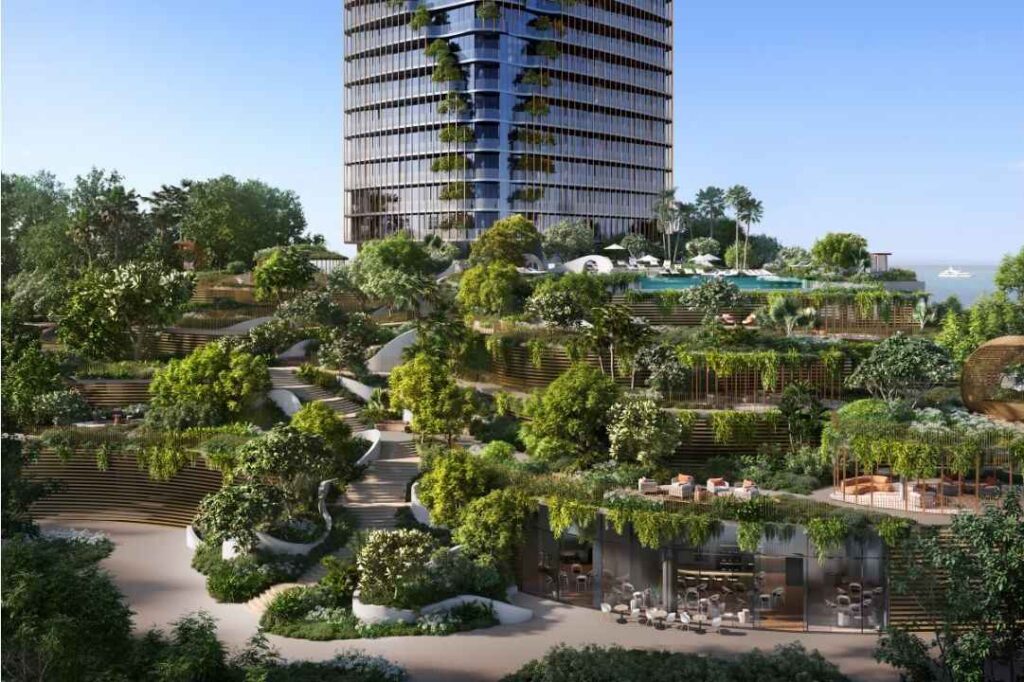
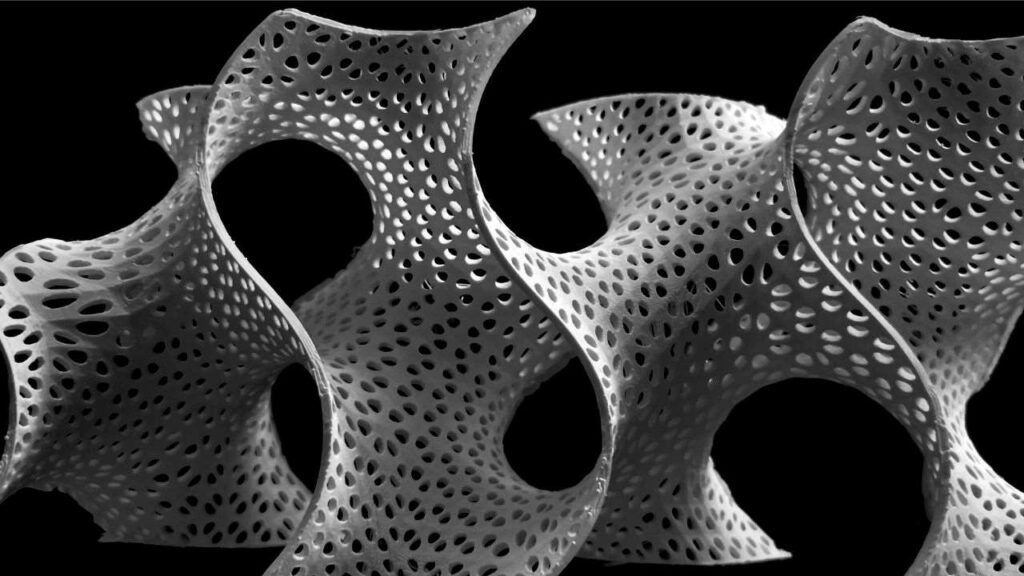
Q: What first attracted you to parametric design and digital fabrication?
A: The endless possibilities. Parametric design and digital fabrication grant you the absolute freedom to develop complex ideas and physically bring them to life. It is a highly modern approach that can be challenging and complex, but that exact complexity is what makes it so exciting. The workflow constantly pushes the boundaries of creativity and technical problem-solving, making the entire process incredibly inspiring and rewarding.
Q: How do you balance technical precision with creating atmosphere and emotion in your visualizations?
A: Because technical precision forms the absolute foundation of every successful visualization, everything must first be geometrically and structurally accurate. Once that technical baseline is secured, I shift my entire focus to storytelling through lighting, composition, and mood. When every element is accurately placed, the image gains the power to engage the viewer on a deeply emotional level.
“When technical precision is executed correctly, lighting, composition, and mood transform a standard digital model into an emotional experience.”
– Anastasja Mandić
Q: AI is becoming a major part of creative workflows. How has it changed the way you design and visualize projects?
A: AI helps me rapidly generate initial concepts before I ever start building a 3D model, allowing me to establish the overall mood and color palette of the images early on. It serves as a fantastic tool for supporting, testing, and developing creative ideas. Additionally, I find it incredibly useful during post-production, where it can seamlessly introduce subtle details that make a final render feel far more believable, organic, and alive.
Q: In your view, what makes an architectural rendering truly memorable?
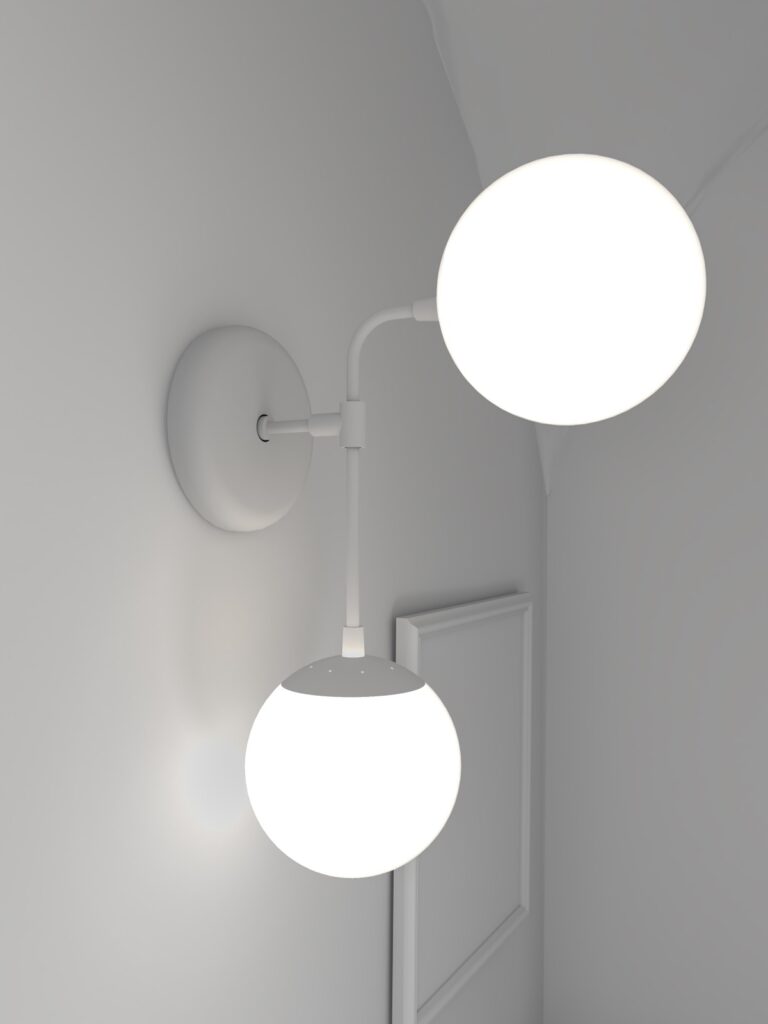
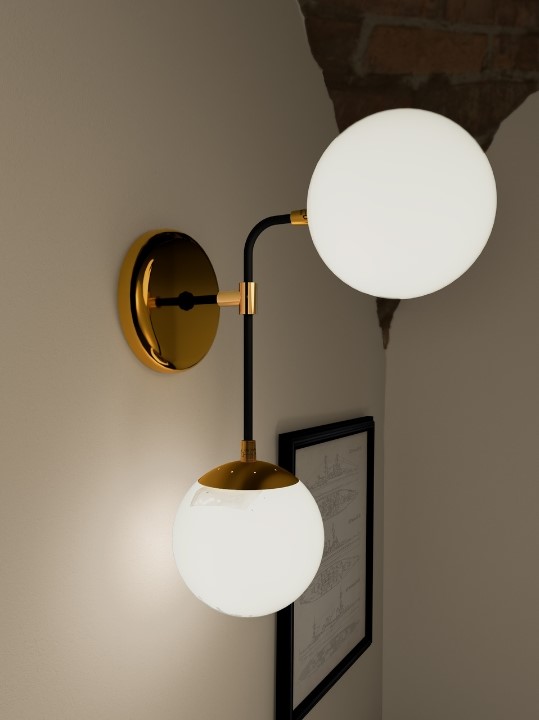
A: Human beings are emotional creatures. We form lasting attachments through strong feelings, so it makes perfect sense that an architectural render should have the power to evoke a visceral reaction. A truly great render needs a narrative—it needs a distinct vibe. We achieve that through the deliberate manipulation of light, fine detail, color theory, and composition.
For me, the most memorable renders are always the cinematic ones. The dramatic, atmospheric visuals that instantly make you feel like you want to step inside and occupy that space right now.
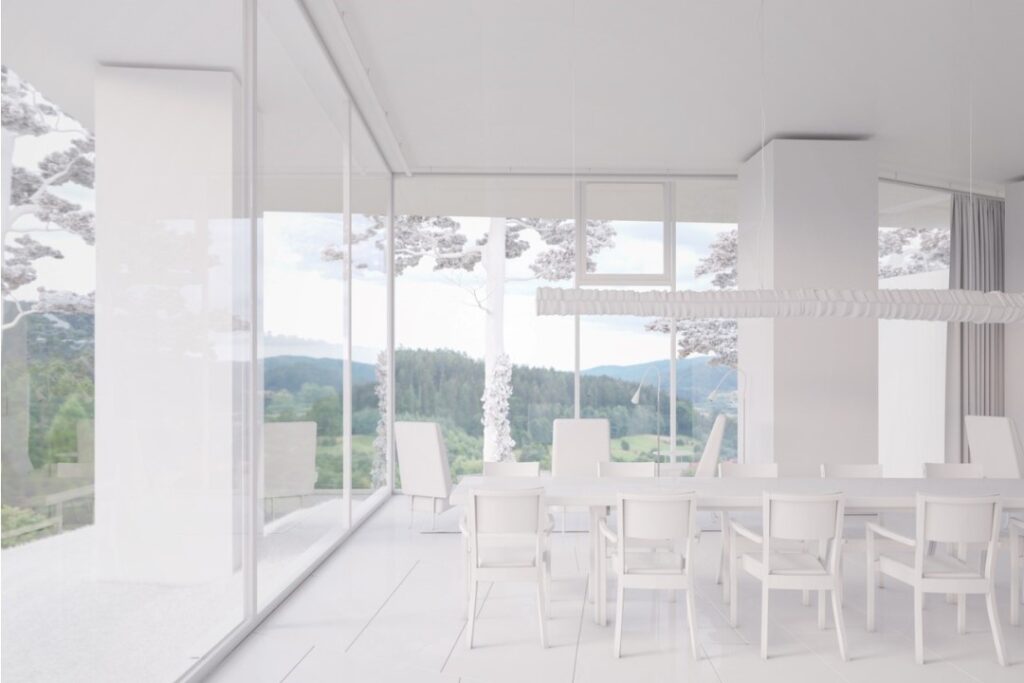
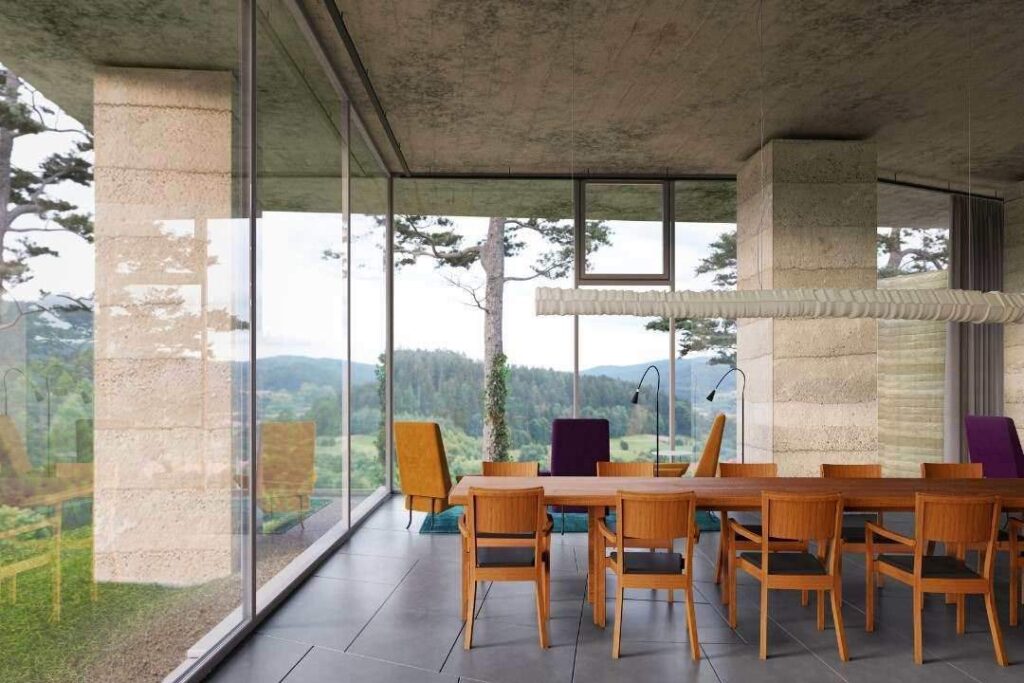
Q: Natural stone is often associated with timeless architecture. How do you approach incorporating materials like stone into contemporary and digitally driven design concepts?
A: Like any other material, stone simply requires the right context and intention. In contemporary and digitally driven concepts, I care far more about how the stone interacts with form, light, and structural proportion than treating it as a loud, isolated “statement piece.”
When it is utilized correctly, natural stone integrates into the space seamlessly. It does not fight the surrounding architecture; rather, it supports the structure and quietly holds the entire composition together.
“Natural stone shouldn’t fight the architecture as a loud statement piece. When used with intention, it supports the form and quietly holds the entire composition together.”
– Anastasja Mandić
Q: What is the biggest lesson you’ve learned working in the fast-paced ArchViz industry?
A: Never lose yourself or your individual creativity. This industry provides an incredible platform to showcase a piece of your soul through visual art. However, it can also limit you due to the relentless speed of the market, shifting client demands, and conflicting opinions from others about how your art should look. Protecting your personal creative voice is essential.
Q: What advice would you give young architects looking to combine design, visualization, and technology in their careers?
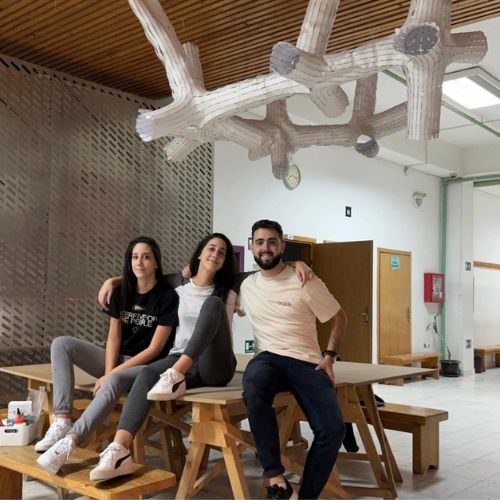
A: The world can feel far too serious sometimes. Getting the opportunity to merge architectural design and visualization with advanced technology is, quite frankly, the perfect playground for adults to reawaken the imaginative child within themselves. Do not approach it as an intimidating or stressful challenge. Look at it as a playground.
Key Takeaways from the Interview
- Absolute geometric and technical accuracy serve as the essential baseline that allows lighting, composition, and mood to transform a digital model into a deeply emotional architectural experience.
- Advanced digital tools, parametric design, and artificial intelligence function as an expansive creative playground that allows designers to reawaken childhood imagination and rapidly test bold concepts.
- Natural stone and other premium materials achieve true luxury when used with quiet intention, seamlessly supporting the surrounding form, proportion, and light rather than acting as loud, isolated statement pieces.
