
Preserving Architectural Heritage and Creating Meaningful Interiors
Good interior design is about more than arranging furniture or selecting beautiful materials. It requires an understanding of space, light, proportion, and the people who inhabit it. Particularly in a city like Paris, where apartments often carry a rich architectural history, the challenge lies in respecting their original character while adapting them to contemporary ways of living.
For Charlotte Ravieri, Founder and Interior Architect at CR STUDIO, her approach to design has been shaped by an unusual combination of experiences. With an academic background in Interior Architecture and Audiovisual Studies, followed by nearly a decade in the audiovisual industry and art direction, she brings a strong understanding of composition, lighting, perspective and visual storytelling to her work.
Her practice spans interior architecture, decoration and home staging, with a particular appreciation for Parisian apartments, historical architectural details and natural materials. Whether working with Carrara marble, travertine, bespoke furniture or carefully selected vintage pieces, her approach centres on creating interiors that balance architectural integrity, functionality and individual expression.
Charlotte Ravieri | A Brief Profile
Charlotte Ravieri is an interior architect and designer based in Paris, with an academic background in Interior Architecture and Audiovisual Studies. She also continued her education at the École des Arts Décoratifs before spending nearly a decade working in the audiovisual industry and art direction.
Her professional journey has given her a distinctive perspective on spatial composition, lighting, materials and visual storytelling. Today, she works across interior architecture, decoration and home staging, creating spaces that respond to the needs of their occupants while retaining a strong sense of identity.
Her design philosophy places particular emphasis on architectural proportions, natural light, craftsmanship and the thoughtful selection of materials. She is especially drawn to Parisian architecture, including Haussmannian apartments and properties influenced by the Art Nouveau and Art Deco periods.
In this conversation with Petros® Stone, Charlotte Ravieri discusses how her background in audiovisual storytelling influences her approach to interiors, the importance of preserving Parisian architectural heritage, the role of natural stone in creating emotional connections with spaces, and how thoughtful home staging can reveal a property’s full potential.
Q1.
How have your education shaped your understanding of space, and what do you still rely on from that foundation when designing homes for different people?
I graduated from an American university with a double Master’s degree in Interior Architecture and Audiovisual Studies, and continued my education at the École des Arts Décoratifs before spending nearly a decade working in the audiovisual industry and art direction.
This experience taught me how to compose spaces, master lighting, explore perspectives and tell stories through materials, colours and carefully considered details.
Interior architecture was a natural progression, allowing me to combine this artistic sensibility with an architectural and functional approach.
Working closely with my clients has taught me that an interior, however beautiful, cannot truly succeed unless it reflects the way its occupants live. Today, I seek a balance between spatial proportions, circulation, comfort, and individual personality.
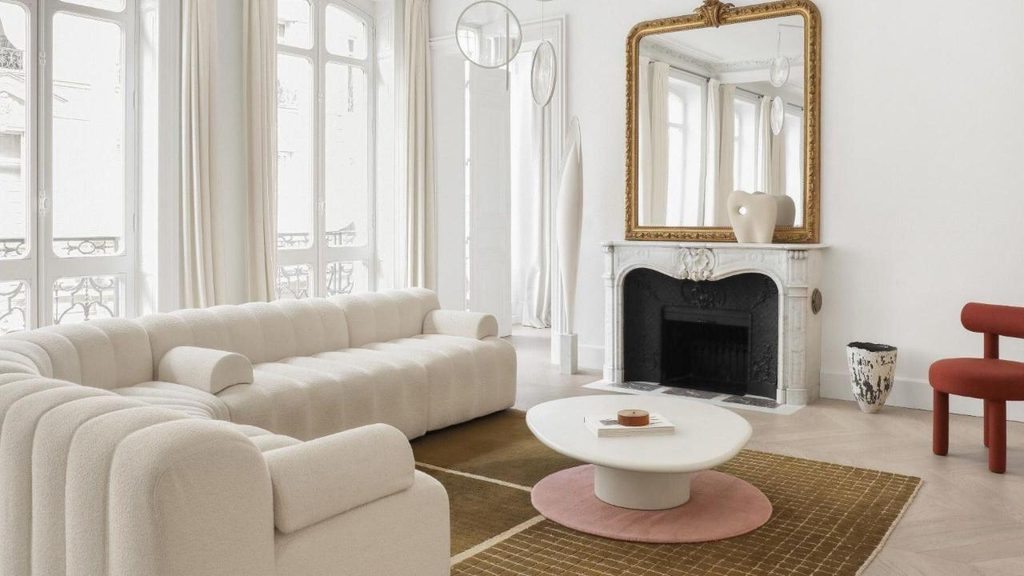
(Photo Courtesy – CR Studio)
“To me, true elegance in an interior comes from the harmony between the beauty of a space, its functionality, and the emotions it evokes.”
– Charlotte Ravieri
Q2.
When entering a Paris apartment for the first time, what do you notice most: its proportions, natural light, architectural details, or history? What would you seek to preserve, even in a complete renovation?
When I first enter a Parisian apartment, I try to understand its soul and what makes it distinctive. My attention naturally turns to its volumes, proportions, perspectives and natural light, but also to the architectural details that reveal its history.
I am particularly drawn to Haussmannian apartments and early twentieth-century architecture, especially the Art Nouveau and Art Deco periods.
One project that comes to mind is a duplex apartment in Paris’s 17th arrondissement, dating from the 1920s, where Art Nouveau, Art Deco and the beginnings of a more contemporary architectural language meet.
The challenge was to preserve its architectural identity whilst introducing the comfort of modern living. I sought to create a dialogue between its historical references, noble materials, carefully considered lighting and contemporary furniture with clean, understated lines.
Even when undertaking a complete renovation, I prefer to reveal and enhance a property’s distinctive features rather than systematically erase its past.
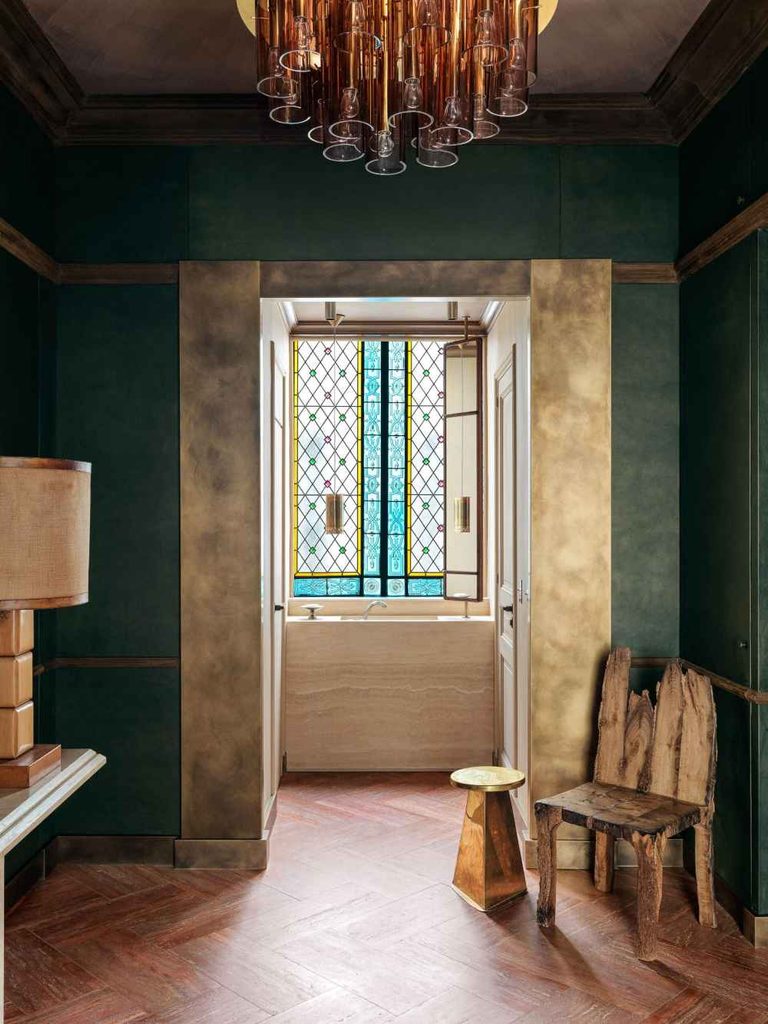
ART DECO DEPARTMENT, PARIS 17TH – The geometric window, architectural detailing and contrast between old and new finishes
(Photo Courtesy – CR Studio)
“For me, transforming a space does not mean stripping it of its identity, but revealing its potential whilst allowing a new story to unfold.”
– Charlotte Ravieri
Q3.
Do you select materials around an established layout, or do materials help shape the spatial design from the outset? How might elements such as a travertine floor or Carrara marble wall influence a room?
For me, architecture and materials are inseparable. I begin by studying the volumes, proportions and light, but materials enter the design process very early, as they profoundly influence how a space is perceived.
A wall clad in Carrara marble, with its delicate veining, can become the focal point of a room. The layout, furniture and lighting are then composed around it.
Conversely, a continuous travertine floor connects spaces, extends perspectives and introduces a gentle, mineral warmth. Its laying pattern and subtle tonal variations become an integral part of the architectural composition.
I pay particular attention to the way natural light reveals textures and veining throughout the day. I always favour a carefully curated selection of fine materials over an accumulation of decorative effects.
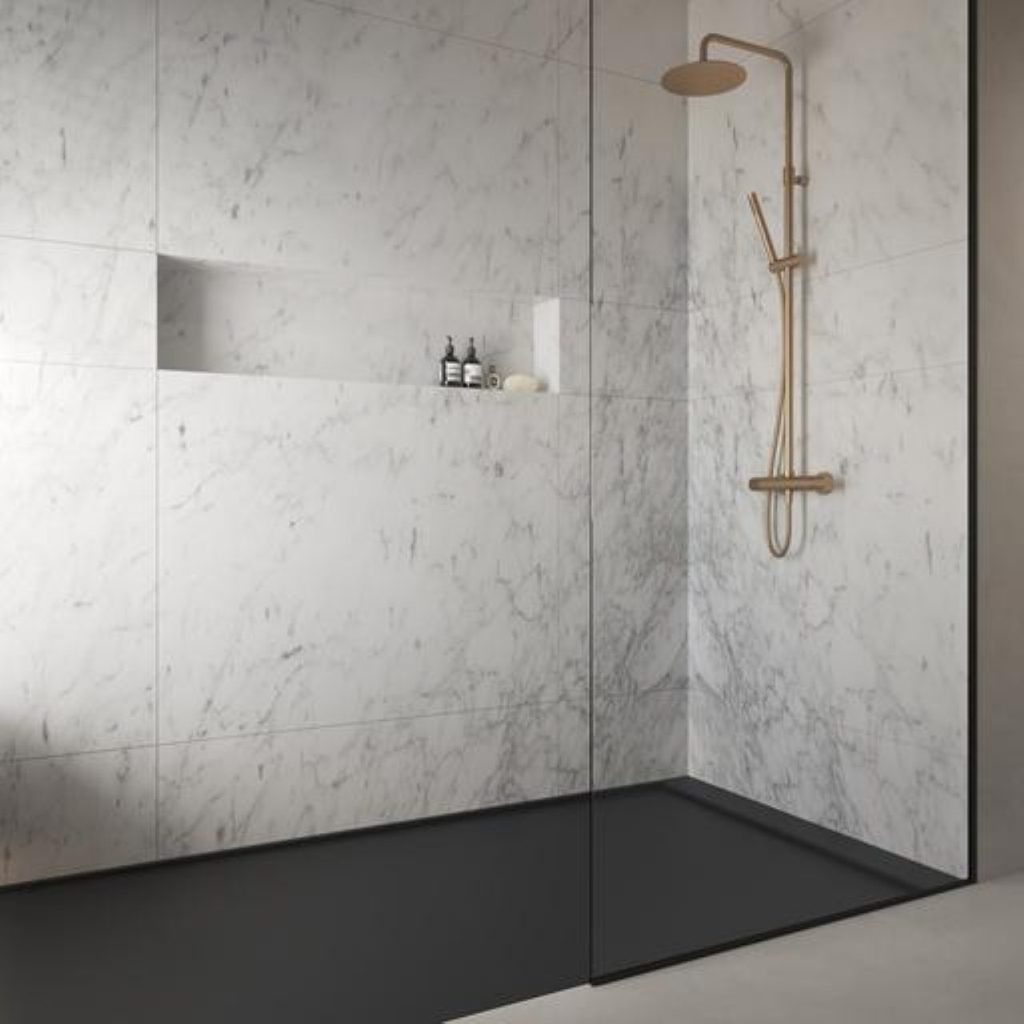
(Photo Courtesy – CR Studio)
“Natural stone is far more than a surface finish: it has a presence and a unique ability to bring emotion to architecture.”
– Charlotte Ravieri
Q4.
How do you decide between bespoke furniture and existing pieces? What can custom-designed furniture and lighting bring to an interior that ready-made pieces cannot?
I regard furniture as an integral part of interior architecture rather than something added as an afterthought.
Bespoke design becomes essential when it enhances an architectural feature, makes the most of a space or creates visual continuity. A fitted bookcase, kitchen or dressing room can become an architectural element in its own right.
Lighting is equally important. I enjoy layering different light sources to create a variety of atmospheres rather than relying on a single overhead fitting.
Bespoke pieces offer valuable freedom in the choice of materials, proportions and finishes. Close collaboration with skilled craftspeople is essential in translating a creative vision into something enduring.
Yet I am equally fond of antique furniture, contemporary design and carefully sourced vintage pieces. Bringing them together gives an interior its individual character.
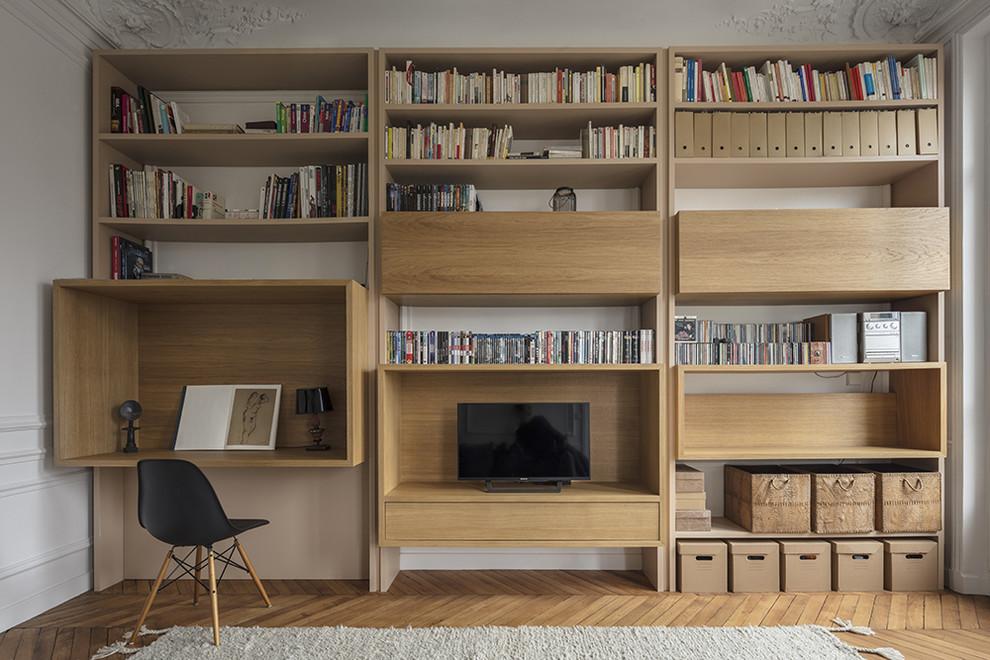
(Photo Courtesy – CR Studio)
“I seek a balance between pieces that appear to have always belonged to a space and others conceived especially for it.”
– Charlotte Ravieri
Q5.
Interior design creates spaces that reflect their occupants, while home staging prepares properties for potential buyers. How do these two disciplines differ, and where do their approaches overlap?
These disciplines share the same aesthetic sensibility, yet serve different purposes.
In interior architecture and decoration, my aim is to create a home that reflects the personality, habits and history of those who live there. Spatial proportions, materials, colours and lighting all contribute to this sense of harmony.
Home staging takes almost the opposite approach. Rather than designing for one individual, the objective is to reveal a property’s potential so that prospective buyers can imagine themselves living there.
It is not about decorating according to personal taste, but about creating an immediate emotional connection and inspiring the desire to buy.
Decluttering is often an essential first step. Opening up sightlines, simplifying spaces and reconsidering furniture arrangements can dramatically change how a property is perceived.
My architectural background allows me to identify a property’s strengths quickly and bring them to the fore with sensitivity and precision.
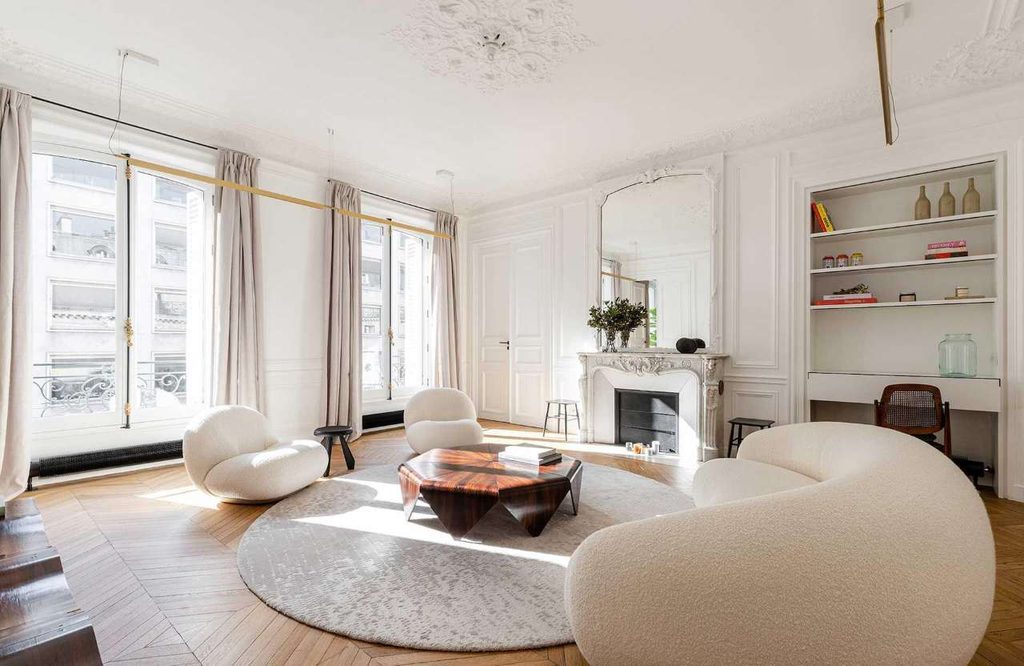
(Photo Courtesy – CR Studio)
“In interior architecture, I create a space that tells the story of those who live there. In home staging, I reveal a space in which future buyers can begin to imagine their own.”
– Charlotte Ravieri
Q6.
How have buyers’ expectations evolved since the pandemic, and which simple intervention can make the greatest difference?
The pandemic profoundly changed our relationship with our homes. A property is no longer simply somewhere to live; it is a place to unwind, occasionally work, entertain and find a sense of balance.
Buyers now pay particular attention to natural light, functionality, ease of movement and the overall feeling of wellbeing a space provides.
Home staging responds to these expectations by revealing a property’s qualities without necessarily undertaking extensive renovation work.
One of the most effective interventions is decluttering. Removing a few pieces of furniture, opening up sightlines, clearing surfaces and harmonising colours can restore a room’s sense of space and brightness.
First impressions are crucial. From the moment prospective buyers enter a property, they should be able to appreciate its proportions, recognise its qualities and begin to imagine living there.
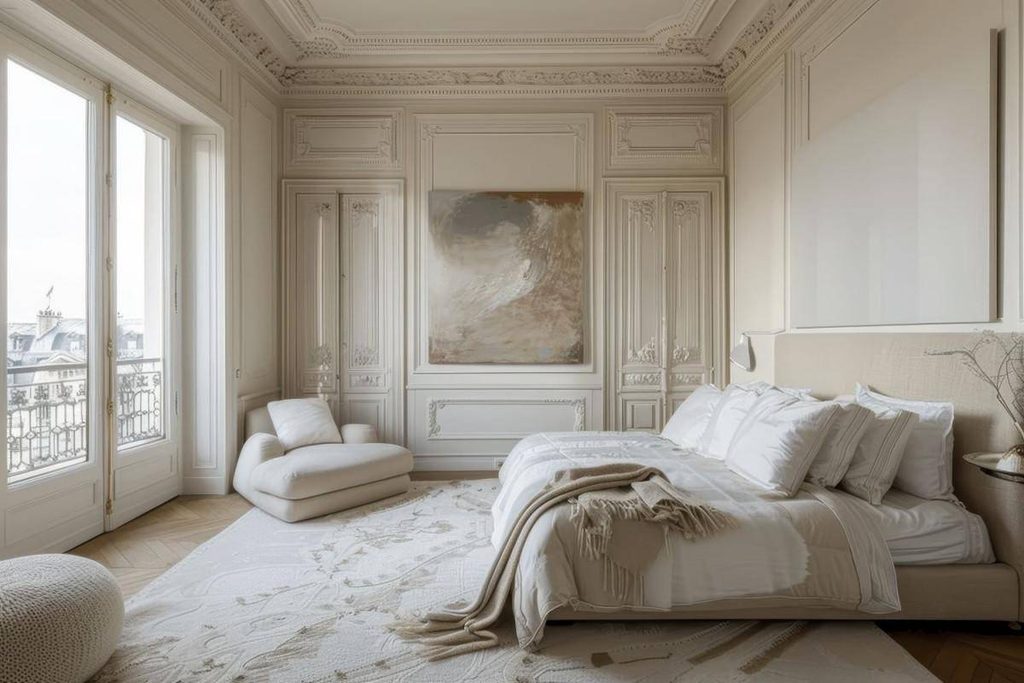
BRIGHT, SIMPLY STYLED BEDROOM- Natural light, comfort and uncluttered surroundings
(Photo Courtesy – CR Studio)
“Home staging is about revealing the very best of what a property already offers, inspiring someone to imagine a new chapter within its walls.”
– Charlotte Ravieri
Q7.
When specifying natural stone, how do you work with suppliers and stonemasons to ensure the right selection, cutting and finishing? How important are colour consistency, vein continuity and the stone’s provenance?
Natural stone holds a special place in my work. I admire its authenticity, depth and the individuality that makes every slab unique.
I always favour direct contact with the material. I may visit suppliers or stonemasons to select individual slabs, or work from physical samples. I would never make a selection based solely on photographs.
I am particularly fond of Calacatta marble for its expressive veining, Carrara for its luminous elegance and Nero Marquina for its striking contrasts.
Zimbabwe Black granite is another favourite, particularly for kitchen worktops and splashbacks. When polished, it reveals a deep, lustrous black; with a honed finish, it becomes matt and contemporary; and with a leathered finish, which I particularly appreciate, its subtly textured surface offers an almost velvety depth. A flamed finish, by contrast, brings out a more rugged, mineral character.
I also appreciate certain natural quartzites, whose veining can resemble marble whilst offering different technical properties.
When working with craftspeople, I pay close attention to cutting layouts, the direction of veining, joints, edges and finishes. The continuity between a worktop and splashback can become an architectural composition in its own right.
The choice of stone must always suit its intended use. Marble, granite and quartzite behave differently when exposed to scratches, acids and staining. Their provenance, traceability and the quality of their processing are equally important considerations.
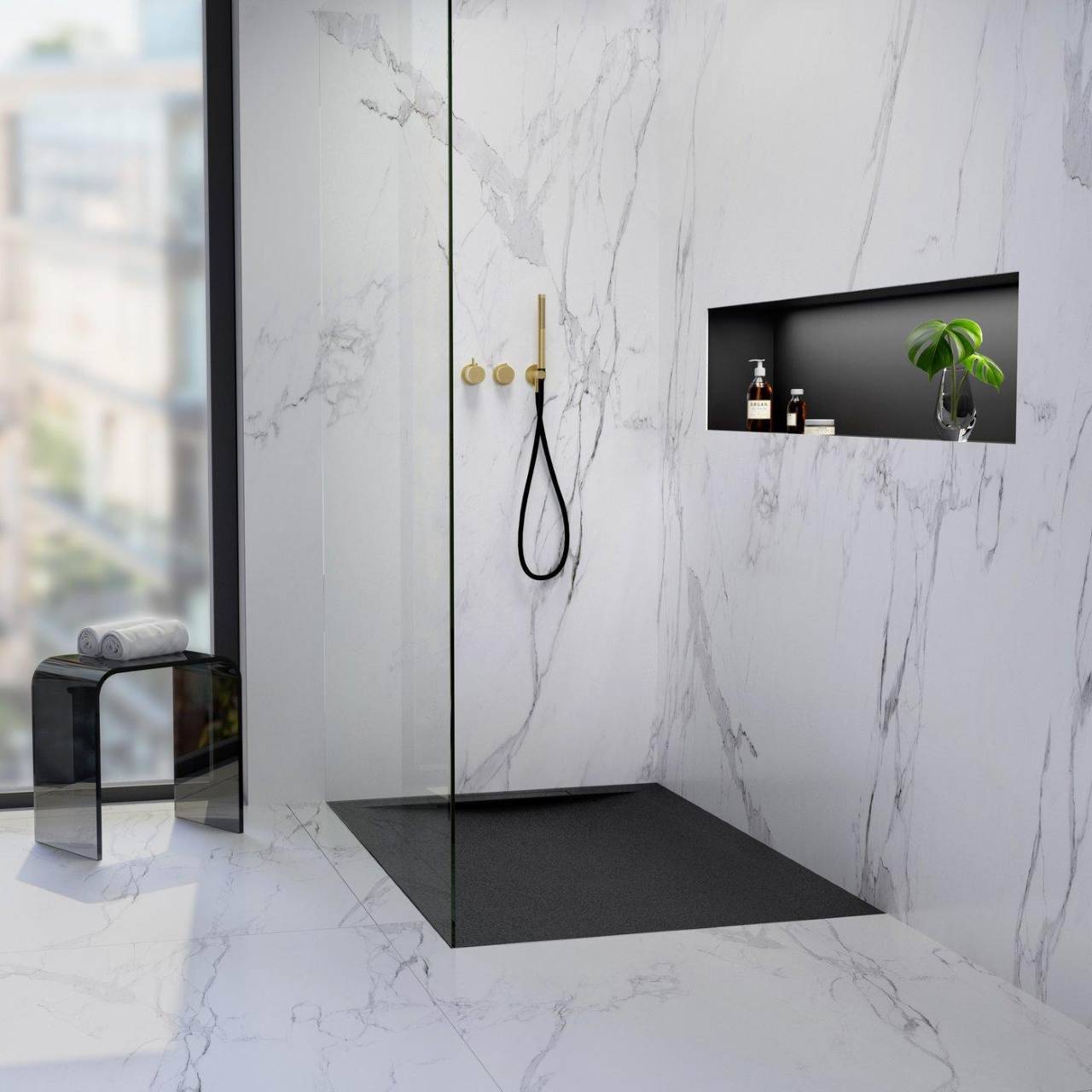
(Photo Courtesy – CR Studio)
“The beauty of natural stone lies in the meeting of raw material, the craftsperson’s expertise and the architectural vision behind the project.”
– Charlotte Ravieri
Q8.
How do you design interiors that age gracefully, and help clients embrace the natural patina of materials such as marble and travertine? What would you hope one of your interiors looks like twenty years from now?
I believe a successful interior should never be dictated by passing trends. It should possess an identity strong enough to evolve over time without losing its elegance.
I favour balanced proportions, timeless lines and natural materials that acquire greater character with age.
I appreciate the way marble develops a patina, travertine gradually reveals subtle traces of time, and timber flooring acquires an even warmer appearance over the years.
Yet this natural evolution requires an understanding of each material. I always explain their characteristics to my clients, including their sensitivity to staining or acidic substances and the care they require.
True luxury is not about living in an interior one is afraid to touch, but about creating a home where beauty and comfort coexist naturally.
If I were to revisit one of my projects in twenty years, I would hope to recognise its original architectural intention: harmonious proportions, materials enriched by time, objects filled with memories and, above all, occupants who feel just as comfortable there as they did on the very first day.
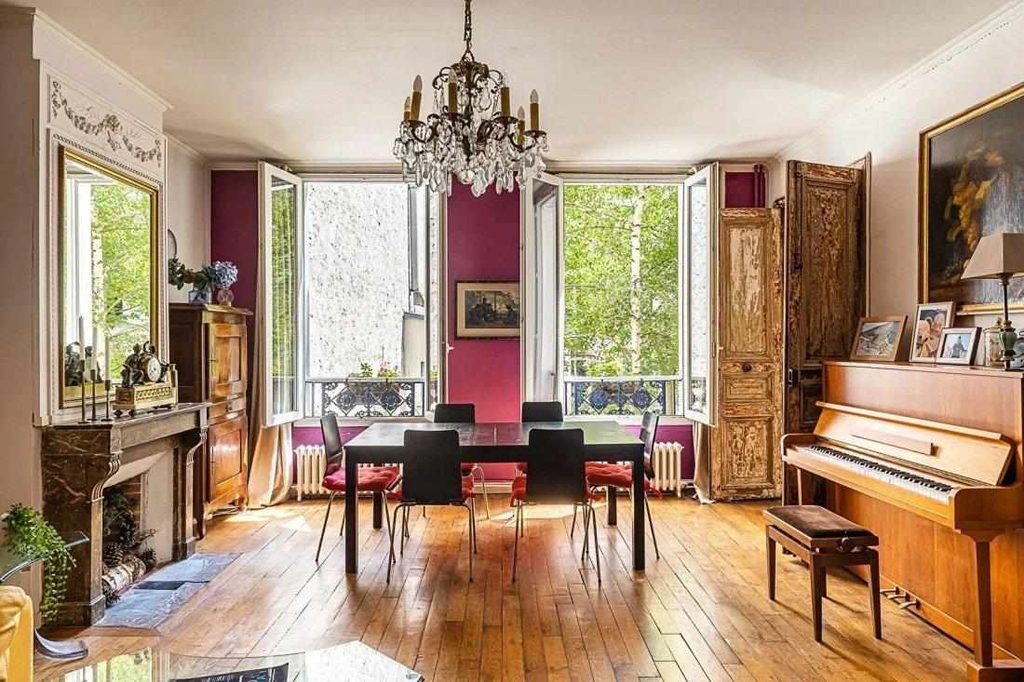
(Photo Courtesy – CR Studio)
“A truly timeless interior does not remain unchanged, but one that grows more beautiful, gains character and continues to tell a story as the years pass.”
– Charlotte Ravieri
