
Where Architecture, Experience, and Business Meet
A successful property project involves much more than identifying a good location or calculating a potential return. It requires an understanding of the people who will use the space, the possibilities within the property, and the decisions that can turn an investment into something meaningful.
For Raúl Espada García, Director of Expansion & Strategic Alliances at WINK Group, this perspective has developed through a career spanning audiovisual communication, coaching, real estate in Ibiza, and investment consulting at Kapital Places. Each experience has shaped the way he approaches property, business development, and professional relationships today.
His work at WINK Group brings these perspectives together, from identifying properties with development potential to building strategic partnerships and exploring opportunities through residential development. His approach places financial viability alongside architectural quality, material selection, and the experience of the eventual homeowner.
Raúl Espada García | A Brief Profile
Raúl Espada García is the Director of Expansion & Strategic Alliances at WINK Group. His professional background spans audiovisual communication, coaching, real estate, and investment consulting, giving him a multidisciplinary perspective on property development and business opportunities.
Before moving into his current role in late 2025, he worked in real estate in Ibiza and at Kapital Places. These experiences shaped his approach to evaluating assets, identifying development potential, and understanding how investment decisions shape the final product.
At WINK Group, his work focuses on expansion, strategic alliances, and identifying opportunities for property transformation and development. His perspective combines commercial analysis, collaboration, and an appreciation of the role architecture, materials, and design play in creating lasting value.
In this conversation with Petros® Stone, Raúl Espada García discusses how experience influences his decisions, why trust matters in business, how natural stone can shape a home’s character, and the opportunities he sees in the future of real estate.
Q1.
Your career has taken you through several different fields, from audiovisual communication and coaching to real estate in Ibiza and investment consulting at Kapital Places. Looking back, what connects these experiences, and how have they shaped the way you work today?
I believe a common thread has run through my career: people, creativity, and the ability to turn ideas into reality.
Although these fields may seem quite different, they all share something essential: understanding people’s needs, recognising opportunities, and finding ways to bring them to life.
My background in audiovisual communication helped me develop a particular sensitivity to aesthetics, storytelling, and the way we perceive our surroundings. Coaching taught me the importance of understanding people, their motivations, and, above all, the value of listening before acting.
My years in Ibiza, working in real estate, and my subsequent experience at Kapital Places introduced me to a more strategic perspective: seeing properties not simply as buildings, but as opportunities for investment, development, and transformation.
Today, I try to bring all these perspectives together.
I believe the most successful projects emerge when sound business judgement meets a genuine understanding of people and a certain creative sensibility.
After all, we build spaces for people. And ultimately, business is about people too.
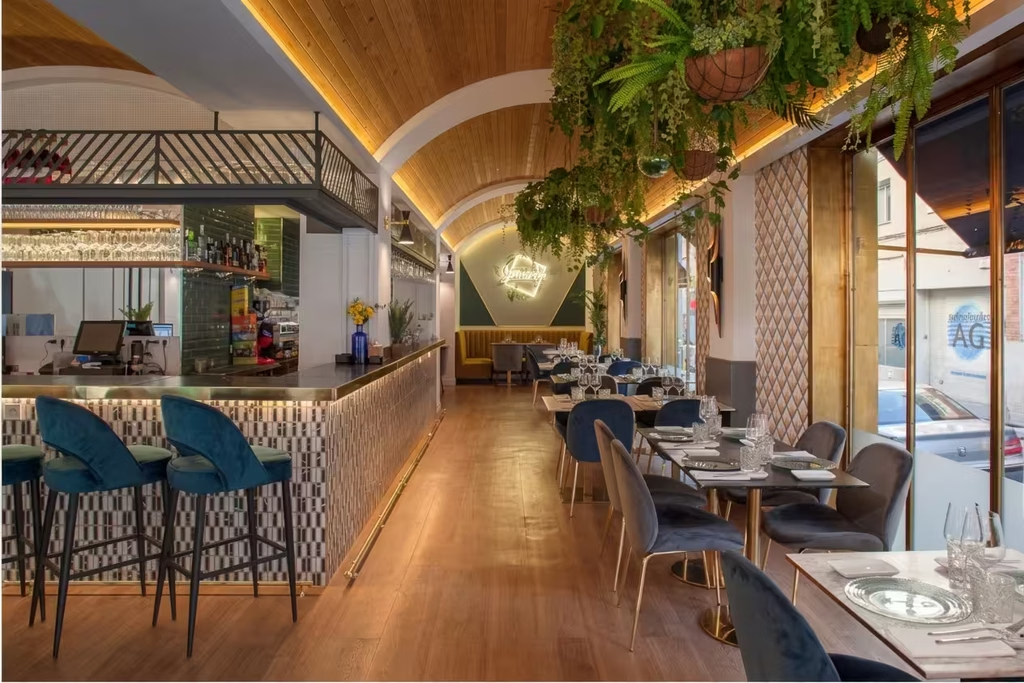
(Photo Courtesy – WINK, Madrid)
“The most successful projects emerge when sound business judgement meets a genuine understanding of people and a certain creative sensibility.”
– Raúl Espada García
Q2.
You moved into your current role in expansion and strategic alliances in late 2025. What attracted you to this side of the industry, and what do you enjoy most about bringing people, ideas, and opportunities together?
I’ve always been particularly drawn to the earliest stages of a project, that moment when nothing has been fully defined yet, but the possibilities are already there.
Expansion and business development let me work at that intersection.
I enjoy identifying properties with untapped potential, exploring different development scenarios, and bringing together the right people to turn an opportunity into a viable project.
But what I find most rewarding is recognising possibilities where others might only see obstacles.
An obsolete building can become an exceptional hotel. A poorly configured property can be transformed into an outstanding residential development. Sometimes, a simple conversation between two professionals can lead to a collaboration neither had imagined.
Much of my work is about making those connections happen.
What I find particularly satisfying is when an opportunity makes sense on three levels: financially, architecturally, and personally.
When those three dimensions come together, something genuinely interesting can happen.
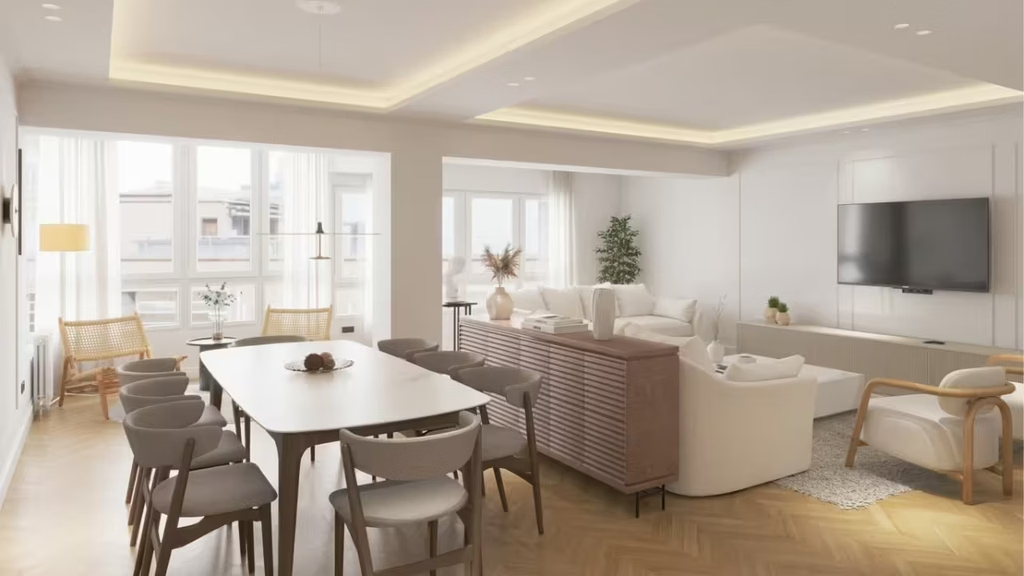
(Photo Courtesy – WINK, Madrid)
“What I find most rewarding is recognising possibilities where others might only see obstacles.”
– Raúl Espada García
Q3.
Having worked in real estate and investment, you’ve probably seen properties from very different perspectives. What do you think separates a good property project from a truly successful one? Has your understanding of this changed over the course of your career?
A good real estate project may have an excellent location, attractive architecture, and reasonable financial returns.
But I believe a truly successful project requires something more: coherence.
Coherence between the property, its location, its target market, the investment required, and the experience it will ultimately offer the people who use it.
Over the years, I’ve learned that the best opportunity isn’t necessarily the one promising the highest financial return on paper.
Sometimes, an apparently profitable development conceals planning, technical, or commercial risks that can seriously compromise its viability.
That’s why I’ve come to place increasing importance on due diligence, reliable information, and the ability to anticipate problems before they arise.
I’ve also learned that architecture and design should never be considered separately from financial performance.
A thoughtfully designed project can create genuine market differentiation, strengthen its positioning, and generate lasting value.
For me, real success means developing an asset that makes financial sense, works architecturally, and retains its value over time.
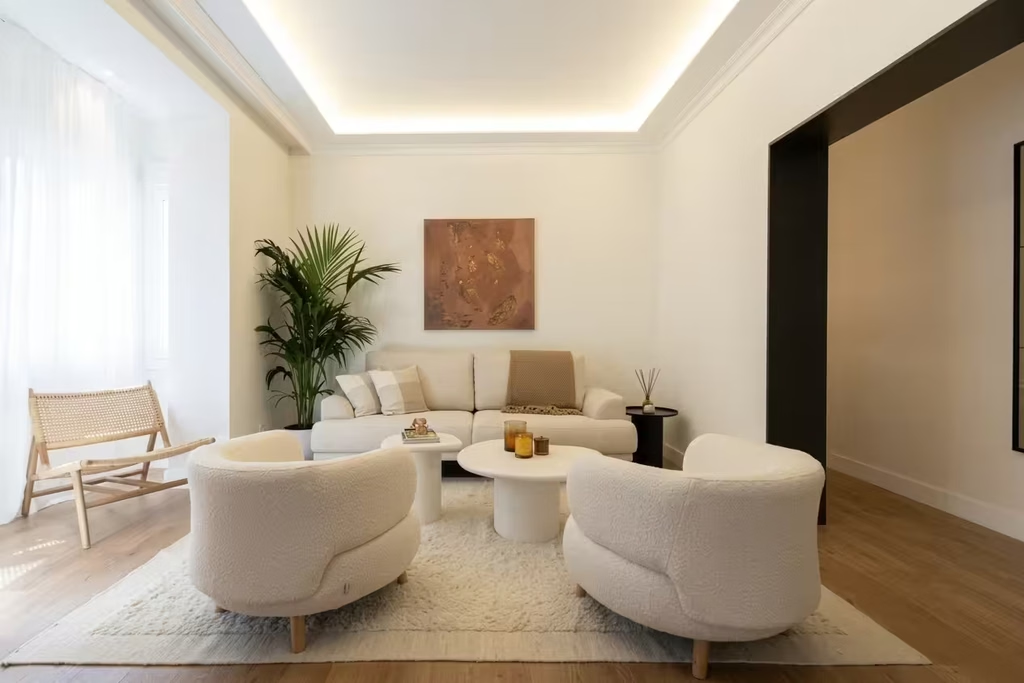
(Photo Courtesy – WINK, Madrid)
“For me, real success means developing an asset that makes financial sense, works architecturally, and retains its value over time.
– Raúl Espada García
Q4.
In Almagro 12 and Casa Adamantina, Taj Mahal quartzite features on the fireplaces. What do you think makes a natural stone work so well in a space? When choosing a material like this, how do you balance its appearance with its quality and authenticity, especially when similar stones are sold under the same name?
I think natural materials bring something to a space that is almost impossible to reproduce industrially: individuality.
Every piece of stone has its own composition, veining, colour variations, and geological history. That uniqueness can give a space an extraordinary sense of depth and character.
What I particularly appreciate about Taj Mahal quartzite is its ability to convey sophistication without being visually overwhelming.
Its subtle tones and natural texture make it particularly well suited to elegant, contemporary interiors.
However, I don’t believe natural stone like Emperador brown should ever be selected on appearance alone.
Its origin, technical properties, suitability for its intended application, and the quality of its finishing and installation are equally important.
It’s also worth remembering that a commercial name doesn’t necessarily guarantee identical characteristics across different materials.
This is why working with experienced architects, interior designers, and specialist suppliers is so important. They can help ensure that the material’s quality and properties genuinely match the expectations of the project.
To me, true luxury isn’t simply about choosing expensive materials. It’s about choosing the right ones and using them with intelligence, sensitivity, and care.
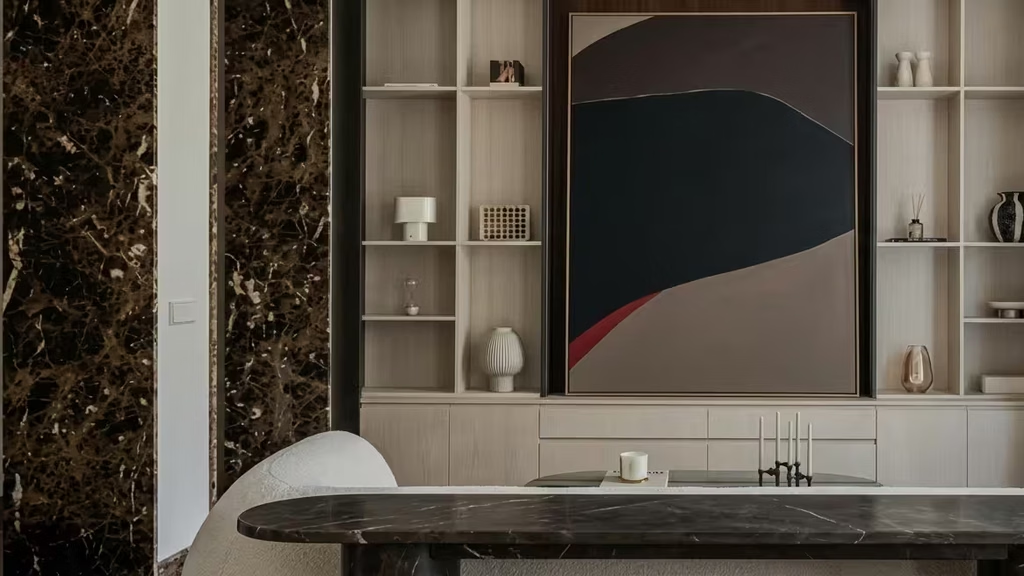
(Photo Courtesy – WINK, Madrid)
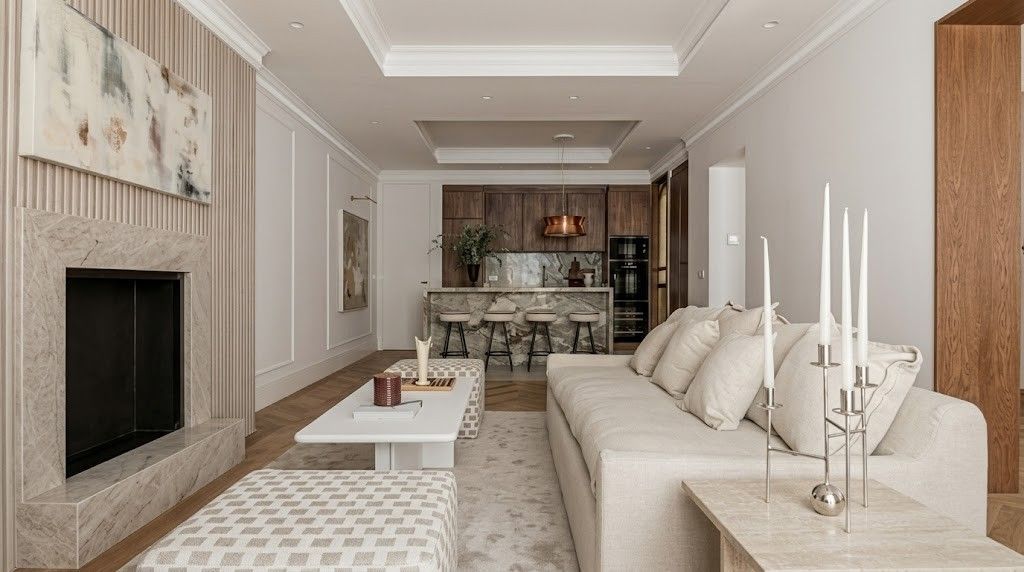
(Photo Courtesy – WINK, Madrid)
“True luxury isn’t simply about choosing expensive materials. It’s about choosing the right ones and using them with intelligence, sensitivity, and care.”
– Raúl Espada García
Q5.
Your role involves working with clients, investors, architects, and other industry professionals. What makes a professional relationship work in the long term? When deciding who to work with, what matters most to you beyond experience and commercial terms?
For me, trust is the most valuable asset in any professional relationship.
And trust isn’t built through grand statements. It’s built through small, consistent actions over time.
Keeping your word, communicating transparently, acknowledging mistakes, and respecting other people’s work are fundamental.
I also place enormous value on the ability to listen.
Our industry is full of highly accomplished professionals with exceptional technical or financial expertise. But the ability to understand a perspective different from your own is not always as common.
An architect, an investor, and a contractor may look at the same project and see three very different things.
Real value emerges when those perspectives can be brought together.
Personally, I enjoy working with people who have independent judgement, intellectual curiosity, and a genuine willingness to collaborate.
And there is one quality I value above almost everything else: integrity.
I would rather walk away from a business opportunity than compromise a professional relationship built on trust.
A transaction may last a few months. A meaningful professional relationship can last an entire career.
“A transaction may last a few months. A meaningful professional relationship can last an entire career.”
– Raúl Espada García
Q6.
From an investment perspective, what do you look for in a property with potential? And how do you think about balancing commercial returns with design, material quality and the experience of the eventual homeowner?
When I assess a real estate opportunity, I usually begin with a very simple question: what could this property become?
I’m interested not only in what an asset represents today, but also in its potential for transformation.
Naturally, the analysis begins with objective factors: location, planning regulations, development potential, acquisition costs, required investment, market demand, and expected returns.
But then comes a second dimension, which I consider equally important: the product we have the opportunity to create.
A residential development should respond to the real needs of the people who will eventually live there.
Layout, natural light, proportions, material quality, and the relationship between spaces all have a direct influence on the experience of living in a home.
From an investment perspective, I believe it’s a mistake to regard architectural quality purely as a cost.
When approached intelligently, good design becomes a source of differentiation, stronger market positioning, and long-term value.
Of course, that doesn’t mean every design-related expense is justified. There must always be a sensible balance between product quality and the economic realities of the market.
The best residential development isn’t necessarily the most expensive one to build.
It’s the one where every investment decision contributes to creating meaningful value.
For the developer, for the investor, and, most importantly, for the person who will eventually call that place home.
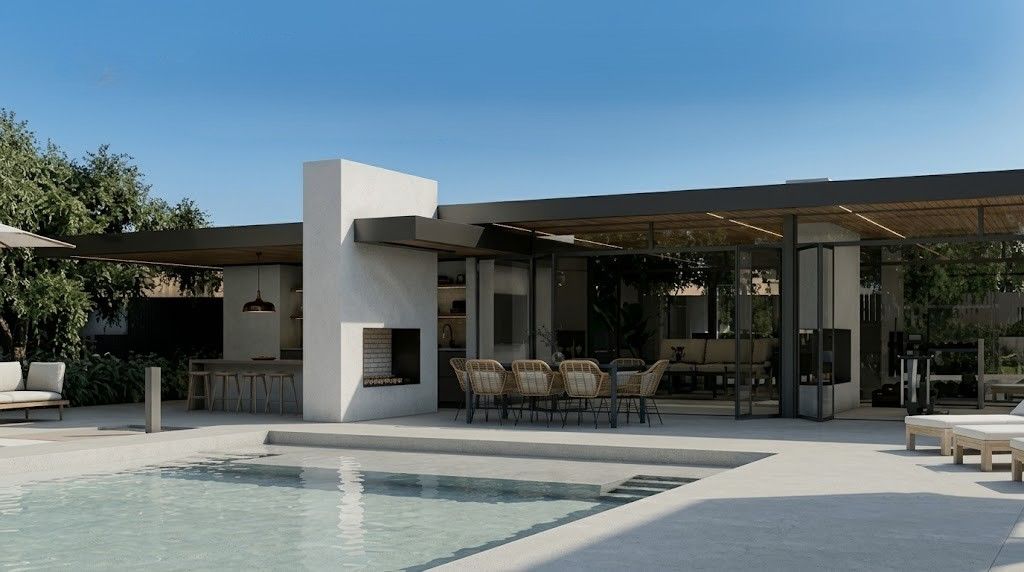
(Photo Courtesy – WINK, Madrid)
“The best residential development isn’t necessarily the most expensive one to build. It’s the one where every investment decision contributes to creating meaningful value.”
– Raúl Espada García
Q7.
Casa Adamantina is an interesting example of a material becoming part of a home’s identity. The stone appears on the kitchen island, worktop and a carved feature in the guest bathroom. What was your reaction to this use of stone? Do you think a material can shape the character of a home, rather than simply finish it?
Absolutely.
I think one of the most interesting aspects of interior architecture is the moment when materials stop being treated as decorative finishes and become part of the architectural language itself.
Using the same natural stone across different elements of a home can create visual continuity, aesthetic coherence, and a distinctive identity.
In a project such as Casa Adamantina, the use of stone in different applications allows the material to take on a role that goes well beyond its practical function.
What fascinates me is the ability of materials to create atmosphere.
Wood can bring warmth. Natural stone can convey permanence, solidity, and a sense of timelessness.
When combined thoughtfully, these materials can create spaces that feel contemporary yet deeply welcoming.
However, I believe the key lies in proportion and restraint.
Even an extraordinary material can lose its impact when used excessively.
Architectural elegance often comes down to knowing when a material should take centre stage and when it should quietly support the overall composition.
Ultimately, materials do more than define the physical character of a space. They also influence how we perceive it, experience it, and feel within it.
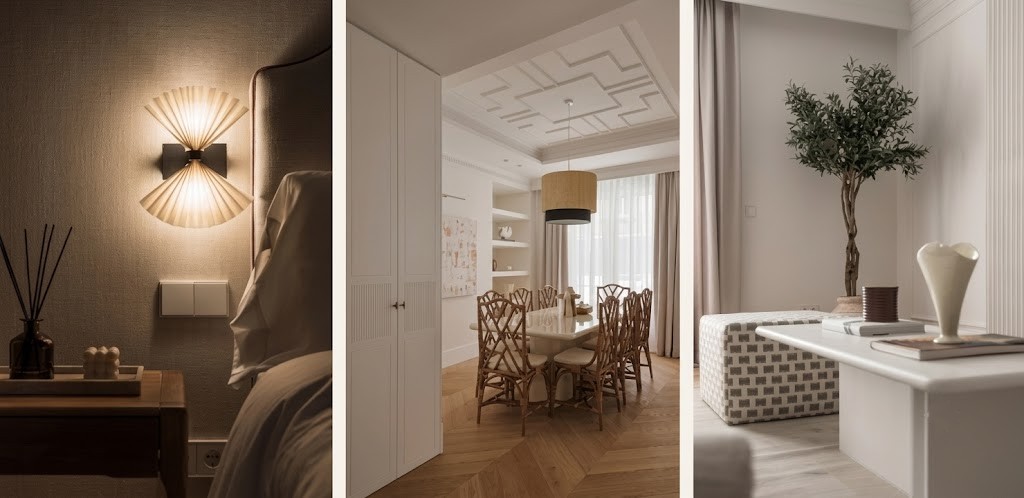
(Photo Courtesy – WINK, Madrid)
“Materials do more than define the physical character of a space. They also influence how we perceive it, experience it, and feel within it.”
– Raúl Espada García
Q8.
Looking ahead, what would you personally like to explore more in the coming years? Are there particular markets, types of projects or collaborations that excite you? And having worked across different industries, what kinds of new challenges are you most interested in taking on?
I’m particularly interested in the transformation and repositioning of existing real estate assets.
I believe the coming years will offer significant opportunities in adapting buildings that have outlived their original purpose.
Office buildings that can be converted into residential developments, former industrial properties with potential for new uses, historic buildings that can become exceptional hotels, and underperforming assets that need a new strategy to unlock their value.
For me, this field brings together some of the most compelling aspects of the industry: investment analysis, urban planning, architecture, financial sustainability, and the ability to execute.
I’m also very interested in high-quality residential developments, hospitality, and emerging accommodation models that respond to changing social and demographic trends.
Geographically, Spain continues to offer considerable opportunities, although I’m equally open to international collaborations where there is a clear strategic rationale.
But beyond any particular market or type of development, what genuinely motivates me is the opportunity to contribute strategic thinking from the very beginning of a project.
I’m more interested in helping define what an asset could become than simply getting involved once all the important decisions have already been made.
And having worked across different industries, I’ve learned that changing perspective doesn’t mean starting from scratch.
Often, it means bringing new tools and fresh thinking to challenges that others have been approaching in the same way for years.
“I’m more interested in helping define what an asset could become than simply getting involved once all the important decisions have already been made.”
– Raúl Espada García
Q9.
Finally, what has your career taught you about recognising a good opportunity or the right person to work with? Is there a lesson or experience that has stayed with you and continues to influence the decisions you make today?
Over time, I’ve learned that not every opportunity that looks attractive is necessarily a good one.
And perhaps more importantly, not every opportunity deserves to be pursued.
Earlier in your career, it’s easy to be carried away by enthusiasm, the financial scale of a transaction, or the excitement of being involved in an ambitious project.
Experience teaches you to ask different questions.
Do we really understand the risks? Do we have the ability to deliver what we’re proposing? Are we working with the right people? Is there a sound business rationale behind the opportunity?
I’ve also learned to pay particular attention to what we don’t yet know.
In real estate, incomplete information can be far more dangerous than bad news discovered early enough.
That’s why I try to combine intuition with analysis.
Intuition, when informed by experience, can help you recognise opportunities that others might overlook. But it should never replace rigorous assessment.
When it comes to people, there’s something I value more and more: consistency between what someone says and what they actually do.
I’ve met exceptionally talented professionals with whom building something lasting would be difficult, and others with a much lower profile whose reliability and commitment have made them outstanding collaborators.
If I had to summarise what my career has taught me in one thought, it would be this:
A good opportunity isn’t simply about understanding what you stand to gain. It’s also about recognising the risks you’re taking, the people you’re taking them with, and the genuine value you have the potential to create.
And perhaps that’s one of the greatest advantages of experience: learning that sometimes, the smartest business decision is knowing when to say no.
“Sometimes, the smartest business decision is knowing when to say no.”
– Raúl Espada García
