
Nic Brunsdon runs a boutique architecture practice and holds a civic post at the same time. Brunsdon Studio is B Corp certified; since 2026, he has been serving as City Architect for the City of Perth, a part-time civic role alongside his private practice. In this conversation, he talks through the philosophy connecting both roles, an unbuilt provocation to convert Perth’s golf courses into medical hubs and urban farms, a jungle-bound hotel in Bali built from bamboo-formed concrete, a breathing sculpture at the National Gallery of Victoria, and where he thinks architecture is headed over the next fifty years.
Nic Brunsdon | A Brief Profile
Nic Brunsdon is the founder of Brunsdon Studio and City Architect for the City of Perth. Before founding his studio, he lived and worked in the Middle East and Melbourne, then returned to Perth and founded Space Market, connecting disused urban spaces with people who could put them to use. His studio’s work spans homes to civic infrastructure, guided by one rule: leave every project better than it found it.
In this conversation with Petros® Stone, Nic Brunsdon reflects on why architecture is fundamentally a storytelling exercise, how a single civic instinct in Perth led him from founding Space Market to becoming City Architect, why Australia’s golf courses could double as civic infrastructure without losing golf, how leaning into a place’s own materials — bamboo and concrete in Bali — grounds a project rather than imposing on it, and why he believes the next fifty years of architecture will be defined by reuse rather than new construction.
‘THE STORY BEHIND THE STRUCTURE’ | Rishabh Jain, Director – International Business, Petros® Stone in Conversation with Nic Brunsdon, Principal, Brunsdon Studio
Q.
You run your own studio and serve as City Architect for Perth. Two different mindsets, or one perspective across both?
One perspective, applied at every scale. Architecture is a storytelling industry — even the smallest project needs a big idea. Our studio’s rule is simple: leave things better than we found them, or don’t touch them.
We’re B Corp certified, held to independently verified standards on social and environmental performance. That discipline runs through everything, civic or private.
The link between the two roles is Space Market, a venture I started fifteen years ago connecting disused Perth spaces with people who could use them. It got me thinking seriously about civic engagement — and led straight to the City Architect role
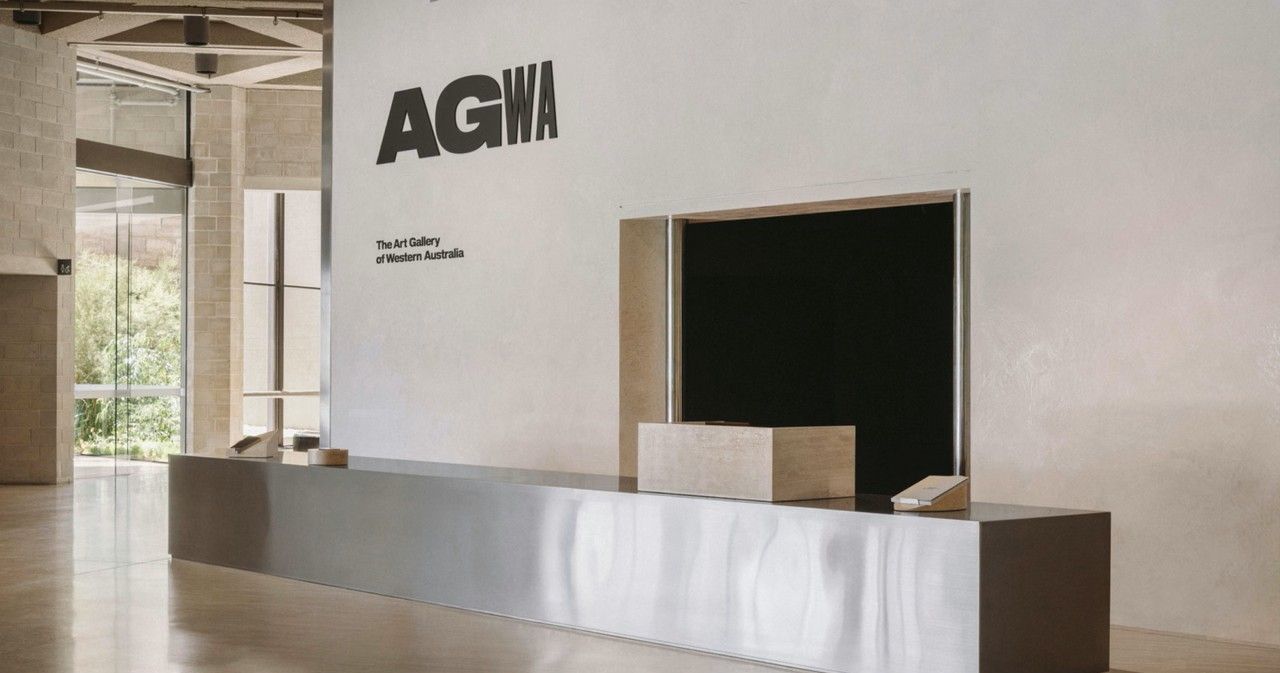
(Photo Credit – Ben Hosking)
“Architecture is a storytelling industry. It’s about what stories we’re telling ourselves, what stories we’re telling our cities, and what stories we’re telling each other.”
– Nic Brunsdon
Q.
Where did the instinct behind Space Market come from?
I’d just moved back to Perth after time in the Middle East and Melbourne, and started noticing vacant space everywhere. You only have three options with anything you don’t like: leave it, accept it, or change it. If you can’t leave it, accept it. If you can’t accept it, change it. Anything else is just cynicism. The people who change things are the people who do something.
Q.
Your ‘Fair Way proposal reimagines Perth’s golf courses as civic land. What’s the thinking?
Metropolitan Perth’s golf courses cover roughly 1,153 hectares — about 2% of the suburban core — much of it water-intensive and lightly used. “Fair Way” keeps golf but shrinks its footprint, folding in native parkland, medium-density housing, habitat restoration, urban farming and hospitality that connects food production directly to dining. It draws on Caring for Country and the Noongar six-season cycle, responding to water scarcity and food security with a flexible kit of parts — orchards, greenhouses, rainwater harvesting — that can adapt across sites.
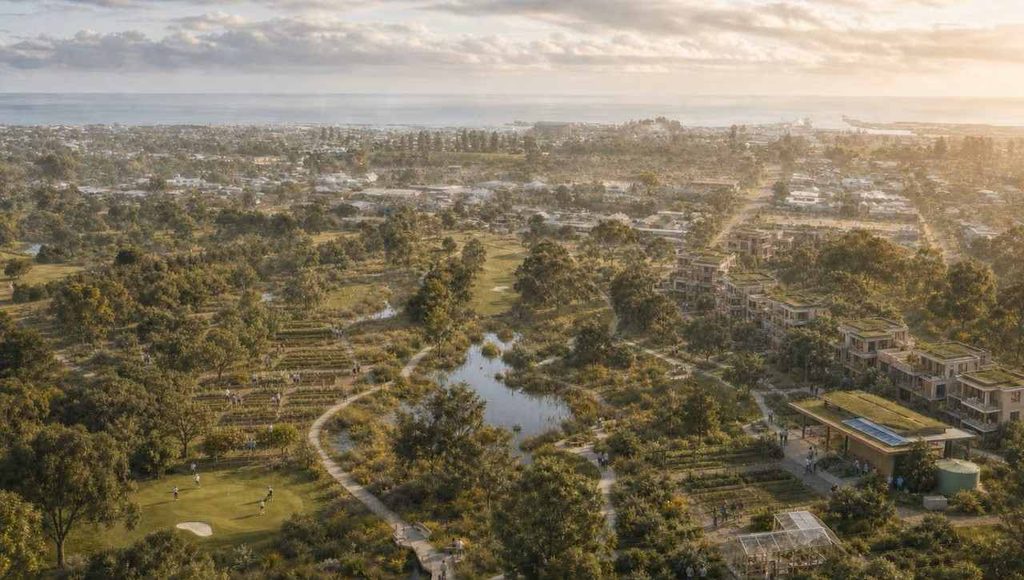
(Photo Credit – Brunsdon studio)
Q.
The Tiing, your Bali project, leans hard into bamboo-formed concrete. How did that come about?
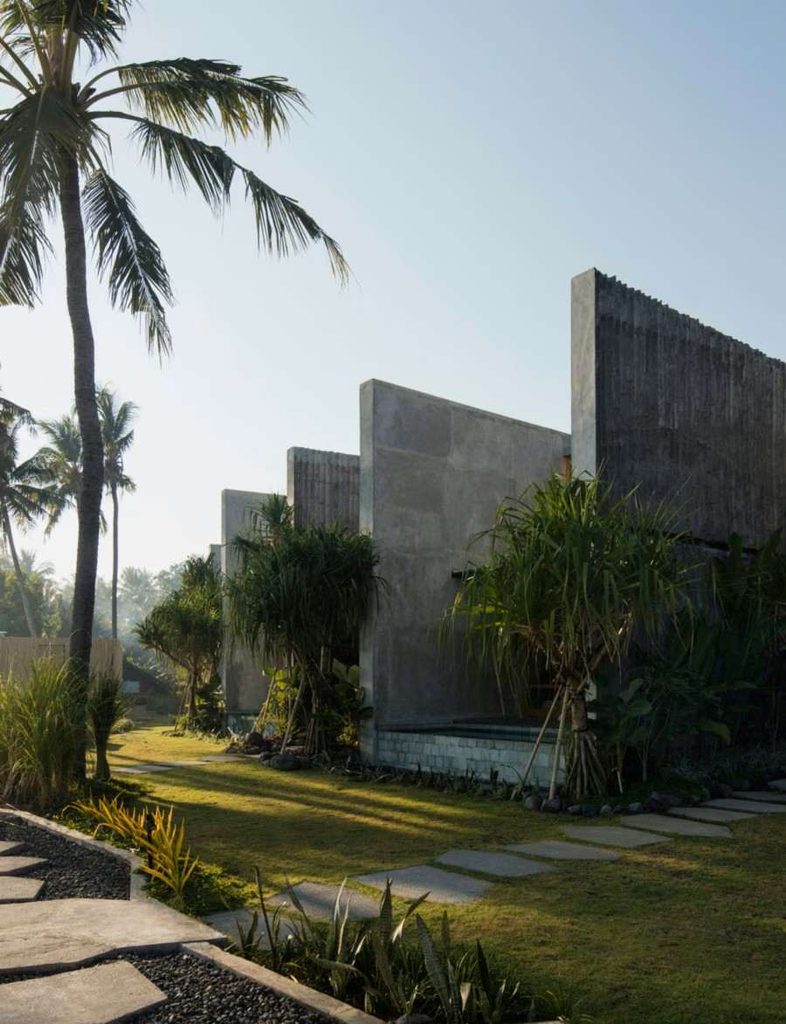
Tejakula is remote — three hours from the airport — without central Bali’s construction sophistication, but with real authenticity. I didn’t want to arrive as an outside architect imposing a foreign solution, or simply copy what was already there. So we worked with what the region does well: concrete and bamboo, everywhere. Bamboo became the formwork; its texture is left imprinted in the concrete’s patina as the project’s motif.
Walls act as funnels, giving every room an equal view of ocean and mountain — a deliberate way of grounding guests, most of whom had just traveled fifteen-plus hours to get there. The project went on to win World Architecture Festival’s Best Hotel and a Dezeen Award.
Q.
This Is Air, your NGV Architecture Commission, is a breathing inflatable form. How difficult was it to execute?
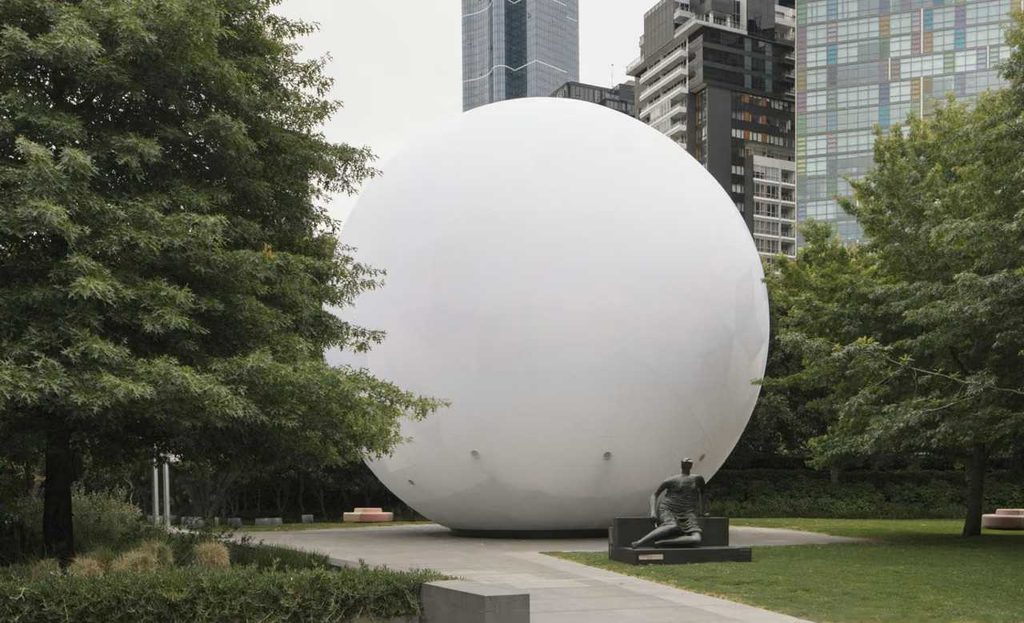
(Photo Credit – Randy Crandon)
Harder than it looks. The brief drew on David Foster Wallace’s story of two young fish asked how the water is — a way of making air, something always present but rarely noticed, visible again after COVID. The sphere’s volume matches the air one person breathes in a year, and it physically inhales and exhales, picking up wind from the garden as it moves.
It’s a double-skin structure — an outer skin that breathes, an inner skin that stays inflated for safety — sitting on a heavy ballast above a car park. As it deflated, children would sit underneath it, folded into an accidental hug.
Q.
Cities are getting denser, resources scarcer. Where’s architecture headed over the next fifty years?
Roughly 80% of the buildings the world needs by 2050 are already built. The future isn’t new construction — it’s reuse. As materials and labour get more expensive, the big civic gesture — the monument, the concert hall — stops solving problems. We already have access to great music without importing an orchestra.
Civic design now needs to serve the many, not the few: long-life, loose-fit buildings that can adapt as needs change. We’ll always need shelter, and we’ll always want to gather in person. The real shift is getting comfortable with what we don’t yet know.
“The future isn’t going to be about the new things we build. It’s about how we reuse or reoccupy what we already have.”
– Nic Brunsdon
Key Takeaways
- Brunsdon treats civic and private practice as one storytelling-driven philosophy, backed by Brunsdon Studio’s B Corp status and a rule against projects it can’t improve.
- His civic instincts trace to Space Market — born from a personal rule: leave it, accept it, or change it.
- “Fair Way” proposes shrinking Perth’s golf courses to free land for medical hubs, housing, farming and wetlands.
- The Tiing leans into local construction logic — bamboo-formed concrete aged in place — winning World Architecture Festival and Dezeen honors.
- This Is Air made a year’s worth of one person’s breath physically visible through a double-skin, wind-responsive structure.
- His fifty-year outlook centers on adaptive reuse over new construction — most of the 2050s ‘ buildings already exist.
