The quality of a finished granite slab is determined right in the initial processing stage. As a raw block is extracted, it can be assessed for its quality.
At Petros® Stone, quality control is one of the most critical factors during each stage of the manufacturing process. And nearly 30% of the poor quality raw granite blocks are rejected before they’re taken forward to the processing. It is a testament to our commitment to garbage out the below-par blocks, ensuring the highest standards in the final product.
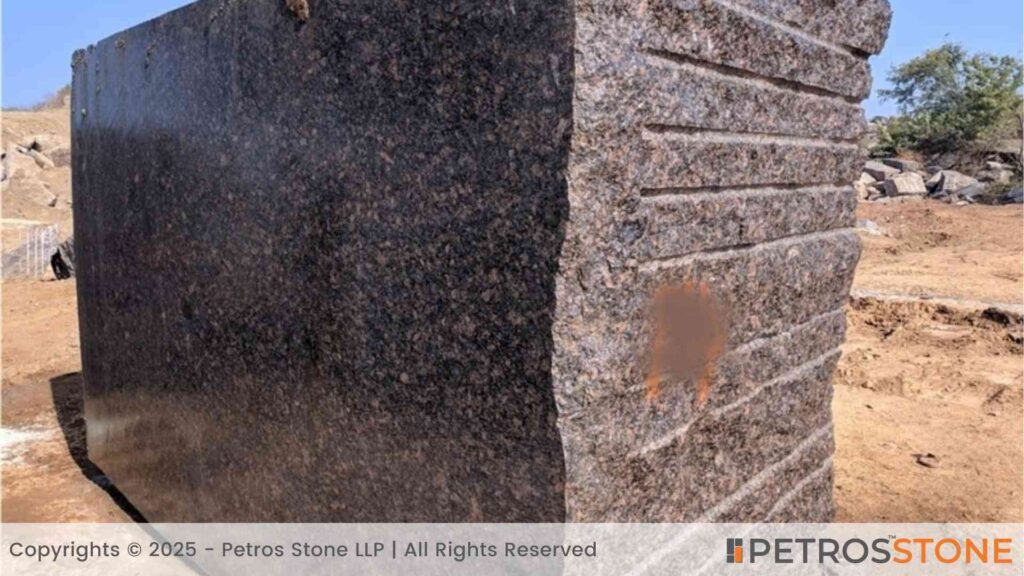
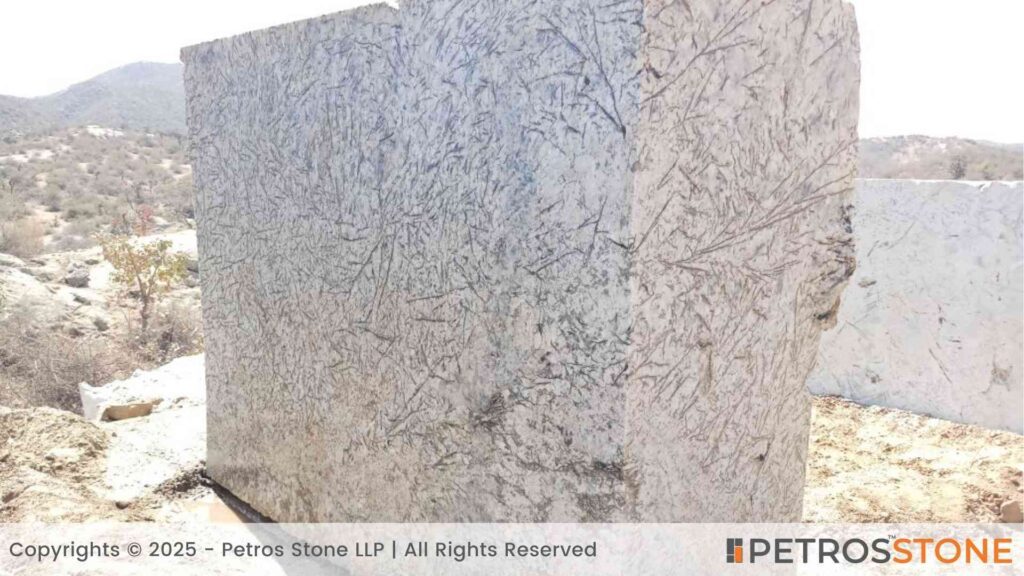


In this article, we explore how granite quality is determined right from the raw block stage and why rejecting substandard material is essential to achieving consistent results. We also examine how factors like microfractures, processing methods, and strict quality checks directly impact the final slab performance. Ultimately, the focus remains on ensuring that only structurally sound, high-grade granite moves forward for premium applications.
Defining the Quality of Granite
One of the most common misconceptions amongst buyers with respect to the quality of granite is relating it to the aesthetics. While aesthetics are undeniably important, there are several other factors defining the quality of a slab.
1. Visual Consistency
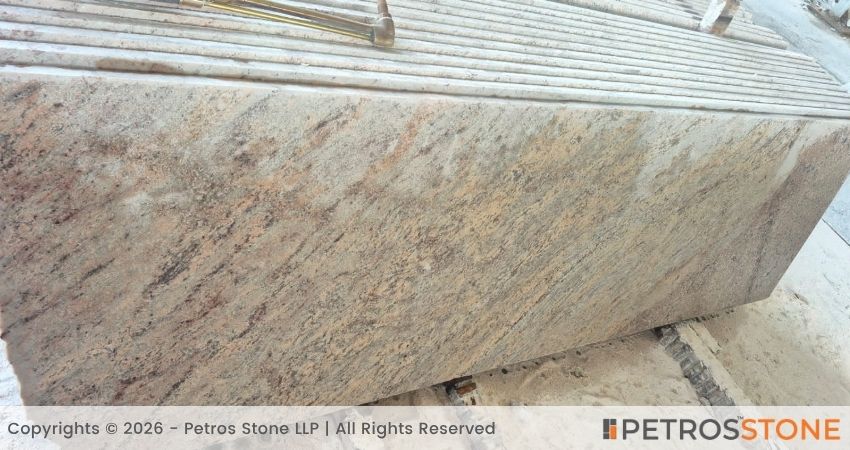
Granite, being a natural stone, showcases natural variation in terms of tones and patterns. However, the variation is seen in different blocks rather than the same granite block. Every raw block is checked for color consistency to ensure no unexpected color patches or dramatic shifts are present within a block.
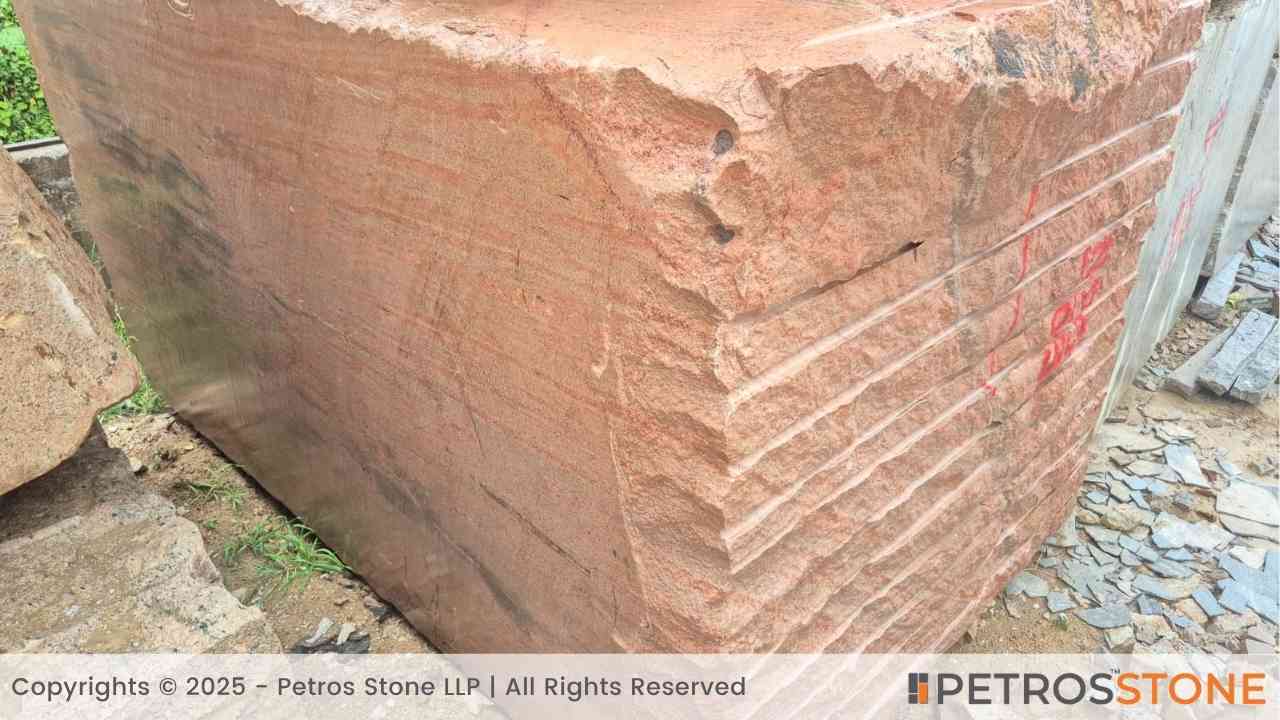
2. Structural Integrity
This refers to the internal sturdiness of a granite block. A raw granite block must be free from internal fissures, fractures, or any weak zones.
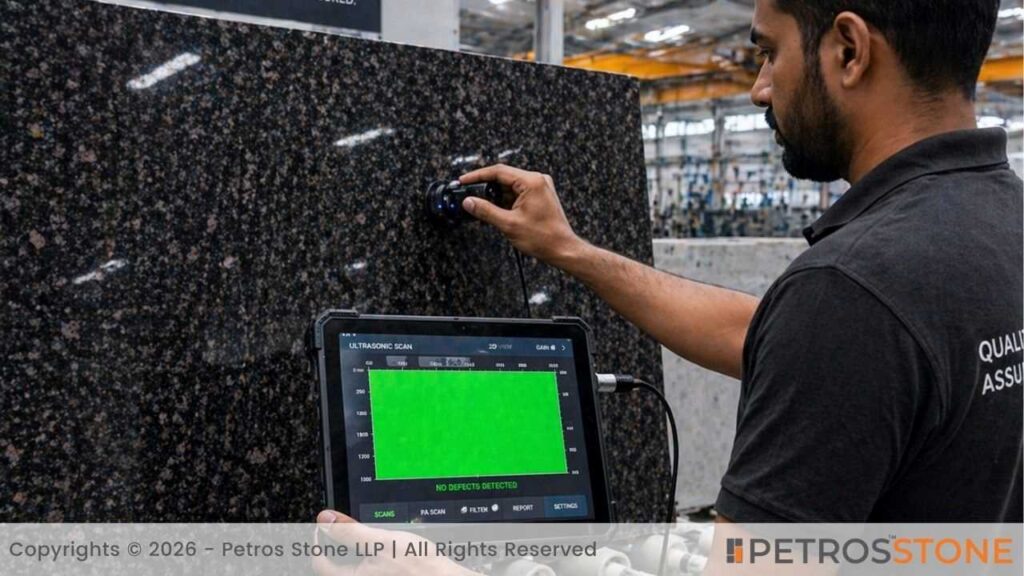
At Petros® Stone, we work in collaboration with the new-age technology. Every slab is evaluated through ultrasonic sensors to ensure thorough testing for cracks and fissures otherwise invisible to the naked eye.
3. Shape and Size
Another critical factor defining the quality of granite is the shape and size of the final slabs. A block must be of an appropriate size to ensure:
- Maximized slab cutting with precise sizes and consistent thickness.
- Minimal wastage.
- Standard slab sizes.
- No oddly-sized slabs.
Understanding the Processing of Granite
Granite slabs are a result of several stages of processing. These include:
- Extraction
- Block Dressing
- Cutting
- Resin Treatment
- Polishing
- Finishing
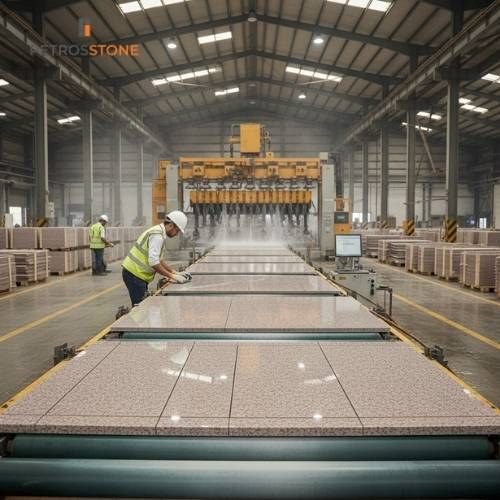
When it comes to the overall quality of granite, it may degrade at any stage, depending on the processing techniques. This is why Petros® Stone adopts advances machineries like pick and place automation, multi-cutter, line polisher, etc., to automate the process for more efficiency and better quality. The processing approach with new-age technology ensures that the highest standards are maintained at any processing stage.



Where Does the Quality Degrade?
Throughout the processing, let’s identify the crucial stages at which granite quality may degrade.
1. Microfractures during Extraction
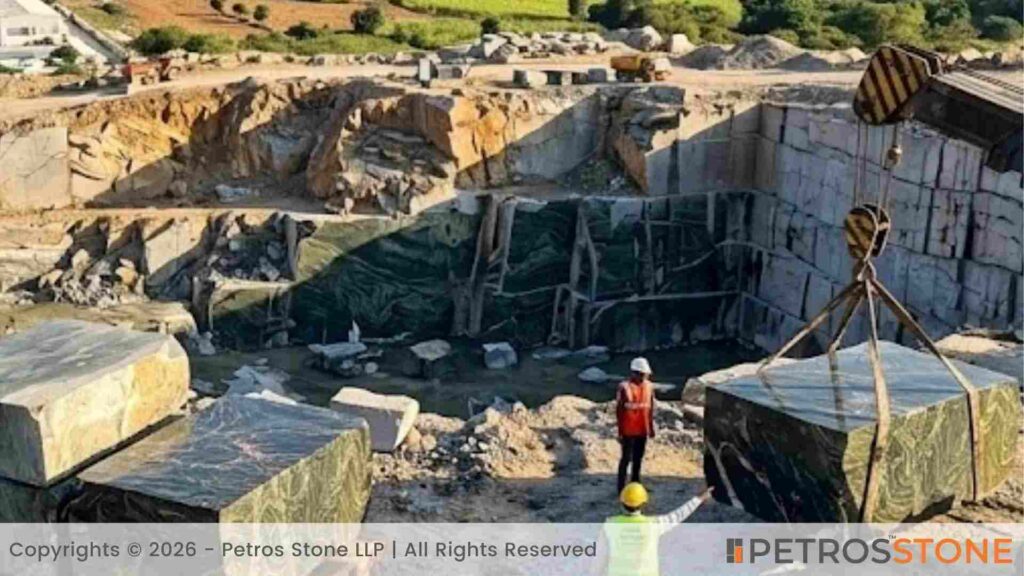
The quarrying process includes blasting, drilling, cutting, etc. During this process, the overall stress on the granite blocks may lead to the development of internal cracks. While the cracks may not be visible in the initial stages, they can show up during the slab cutting.
2. Transportation
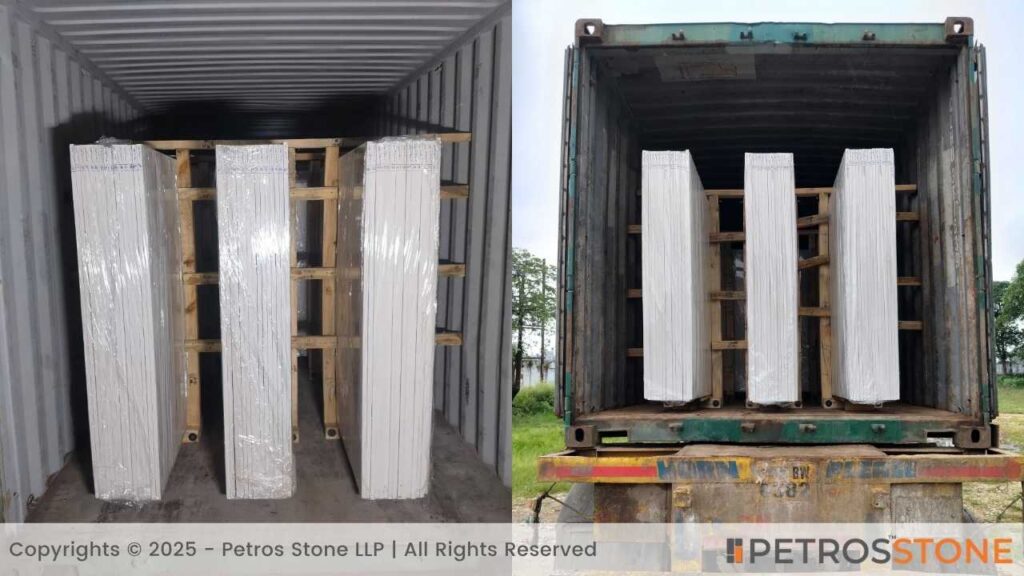
One of the most common reasons for quality degradation is transportation. Improper handling may lead to chipping, cracking, or weakening of the overall granite structure.
3. Improper Cutting
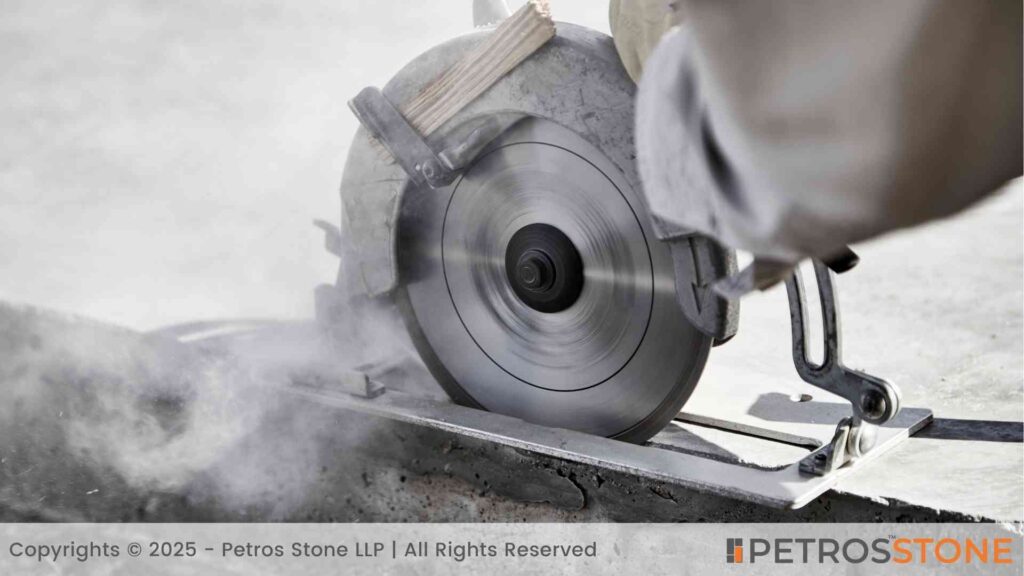
Incorrect blade speed, forced cuts, and uneven pressure during the cutting of a granite block may lead to breakage or chipping.
Furthermore, cutting blocks into odd sizes may also degrade the quality of granite..
4. Inadequate Resin Treatment
Resin treatment fills up the pores of the surface to strengthen the slab. An uneven or insufficient application of resin may leave the surface prone to staining, moisture penetration, and degrade the structure.
5. Polishing
Both under-polishing and over-polishing of granite damages its quality. While overpolishing may burn the surface, underpolishing leaves the granite looking dull and makes the surface more porous.
Why are Raw Granite Blocks Rejected?
| Rejection Parameter | Detection Criteria | Impact upon Application of Defected Granite |
| Surface Crack (Visible cracks) | Manual inspection | Failure even under minor load or pressure. |
| Structural Integrity (Microfractures or internal fissures) | Visual inspection and sensor scanning | Breakage during cutting or compromised strength. |
| Porosity (Excessive pores) | Water absorption test | More prone to staining and degraded strength. |
| Color Inconsistency (Patchy surface) | Visual inspection under natural light | Breaks the uniformity of design upon application, especially in large spans. |
| Irregular Shape | Dimension check | Reduces the yield of the slab and leads to more wastage. |
Where Does the Rejected Granite Go?
At Petros® Stone, while we strictly reject poor quality granite blocks, at the same time, we believe in a sustainable approach towards the manufacturing of natural stones.
So, these blocks, instead of being processed as premium slabs, are often used for other secondary applications.
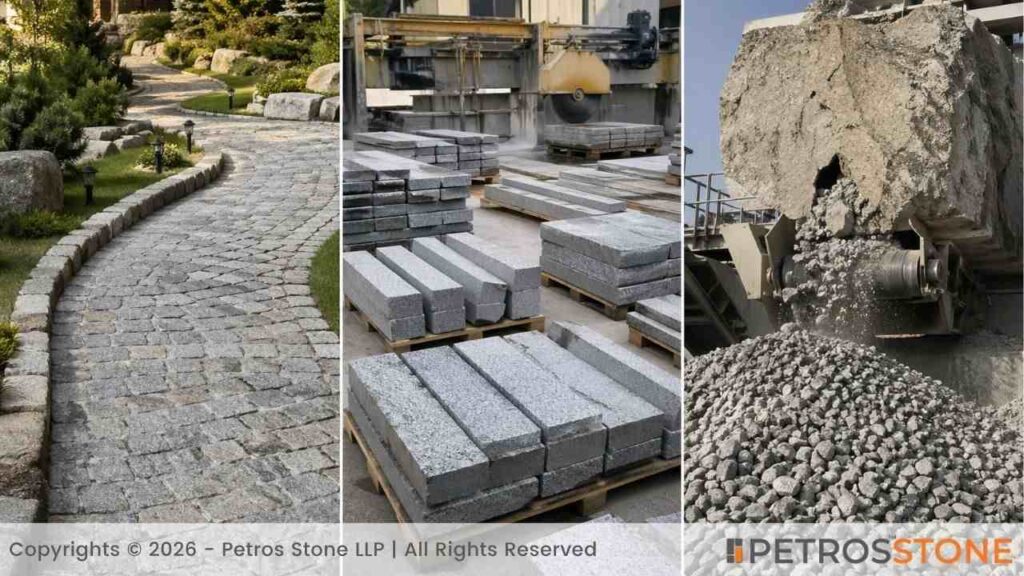
- Blocks exhibiting visual imperfections are used as edging stones, cobblestones, kerbs, paving, garden features, etc., where application doesn’t demand strict uniformity.
- Granite blocks that don’t meet the standards or sizes to be processed into large slabs are cut to smaller sizes for applications such as tiles, steps, risers, small cladding pieces, etc.
- Blocks with high porosity and deep cracks are crushed and used as aggregates and filling materials.
Grades of Granite
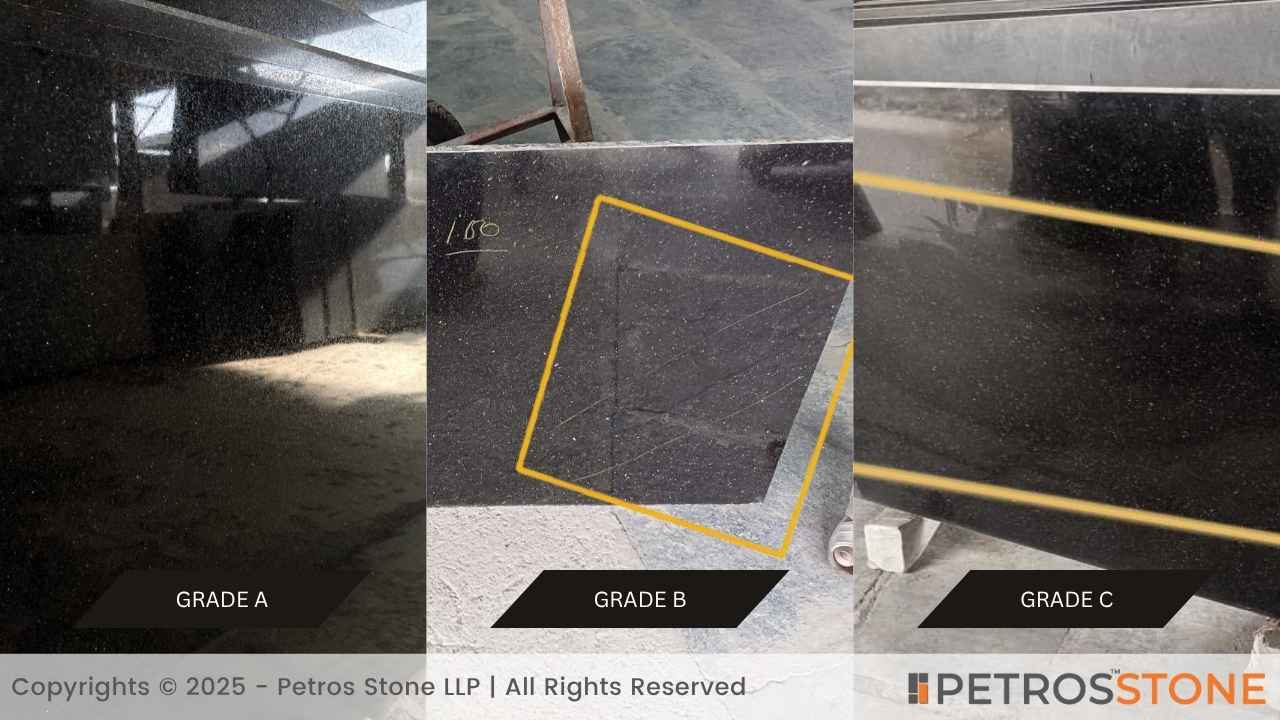
Granite is categorized into three types of grades based on their quality. Let’s understand the grades and their respective applications.
| Grade | Granite Characteristics | Typical Application |
| Grade A (High-End Granite) | Excellent strength, no visible cracks or color and pattern inconsistencies. | High-end flooring, wall cladding, countertops, export projects, etc. |
| Grade B (Mid-Range Granite) | May exhibit inconsistent tones and other defects that don’t impact the overall strength. | Smaller slabs, flooring, vanity tops, etc. |
| Grade C (Entry-Level Granite) | Defects in tone, slightly softer and more porous. | Budgeted projects, small facilities, cobblestones, edging, etc. |
Petros® Stone – Meeting Global Standards Along with Internal Benchmarks
The baseline of granite quality refers to the compliance with international standards as set by ASTM (American Society for Testing and Materials)
Granite Physical Properties
| Property | Typical Value Range | ASTM Standard Used | Test Description |
|---|---|---|---|
| Compressive Strength | ~200–250 MPa | ASTM C170 | Measures the stone’s ability to withstand crushing loads under compression |
| Density (Bulk Density) | ~2.63 – 2.75 g/cm³ | ASTM C97 | Determines mass per unit volume, indicating compactness and durability |
| Water Absorption Rate | ≤ 0.4% | ASTM C97 | Measures how much water the stone absorbs, indicating porosity and resistance to moisture |
At Petros® Stone, the quality of granite goes beyond the technical specifications. It is controlled through a 7-step quality check process. None of the granite blocks is sent to processing without testing at every stage. A few of our quality-control tests are:


- Dimensional Checks
- Glossiness Test
- Color Consistency Check
- Thickness Consistency Check
- Level Checking to Assess Bends in the Slab
- Inspection for Chipping
- Inspection for Cracks, etc.
This layered approach ensures a rigorous filtration process to deliver only the finest-quality granite based on the client’s demand and application.
To explore our finest range of granite, click here.
Key Takeaways
- Quality starts at the quarry, not the factory
Microfractures, color inconsistency, and structural weaknesses originate during extraction and cannot be fully corrected later. - Rejecting poor blocks improves final output
Eliminating nearly 30% of raw material ensures only structurally sound, export-grade granite reaches processing. - Processing enhances, but does not fix stone quality
Techniques like resin treatment, calibration, and polishing depend on the inherent integrity of the block. - Standards plus real inspections define true quality
While ASTM benchmarks (C97, C170, C99) set the baseline, real-world checks like ultrasonic scanning and thickness calibration ensure performance on site.
Feel free to get in touch for a free consultation, quote, and get a detailed understanding from our experts here at Petros®. Visit www.petrosstone.com or call +91-8446360361 or WhatsApp

Hello!
I’m Tanika, an architect and writer, blending design expertise with a passion for storytelling. At Petros Stone, I help readers navigate through the complex material choices and empower them to craft well-informed and beautiful spaces through natural stones.

Brown Granite

White Galaxy Granite

Blue Bahia Granite

Silver Cloud Granite

Black Pearl Granite

Dallas White Granite