Travertine Types at a Glance with Price
Travertine is sold commercially under a wide range of types and trade names, including Navona, Noce, Silver, Titanium, Scabos, Red, Light, and Dark Travertine, with major sources in Italy, Turkey, and Iran. Yet these names are not internationally standardised: the same colour or trade name can refer to different quarry materials, while the final appearance also changes with the cut (vein-cut or cross-cut) and finish (filled, honed, polished, brushed or tumbled). For buyers, therefore, identifying a travertine by its name alone is risky. The more reliable approach is to trace the material through origin, quarry, colour/pattern, cut, finish, and grade.
Some Audio Excerpts from our Conversation with Yasaman Gholampoor from YG Luxury Manufacturing Group, Iran, and Mehdi Eslamibidgoli from Stoneman, Iran, Owners of a Travertine Quarry
Here is a list of all the travertine types from around the world and their prices:
| Travertine type/name | Images | Common origins | Typical Slab Price Range (USD/sq.m.) | Click Here For Exact Price | Contact |
| 1. Classic / Classico Travertine | 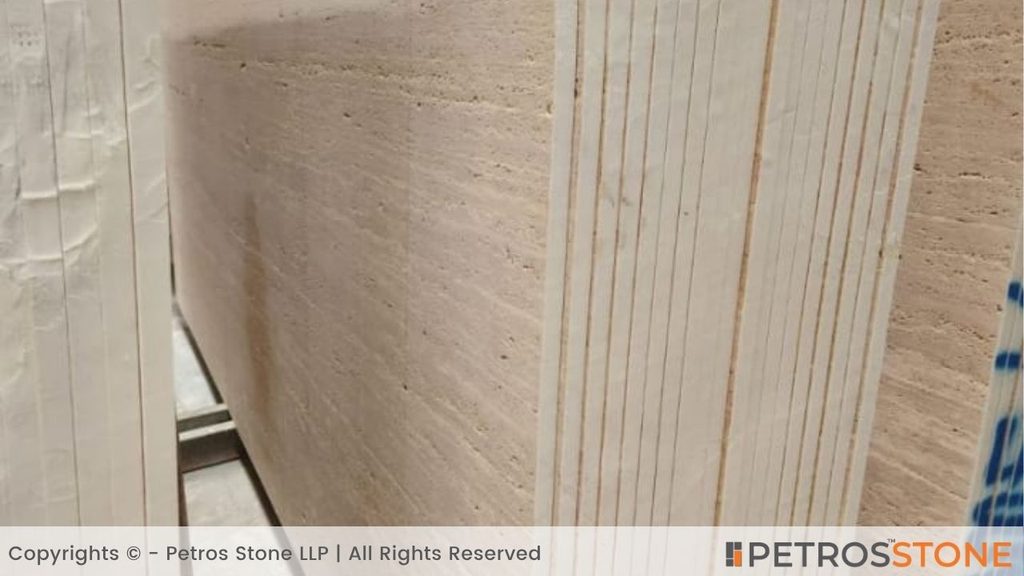 | Italy, Turkey | $63/sqm – $66/sqm | Exact Price | Chat |
| 2. Roman Travertine | 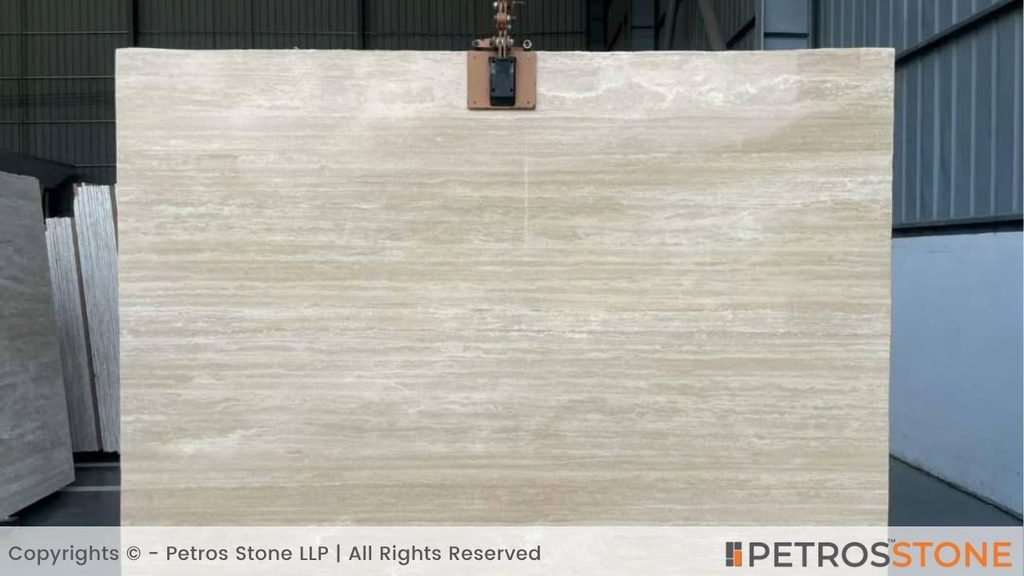 | Italy | $36/sqm – $39/sqm | Exact Price | Chat |
| 3. Navona Travertine | 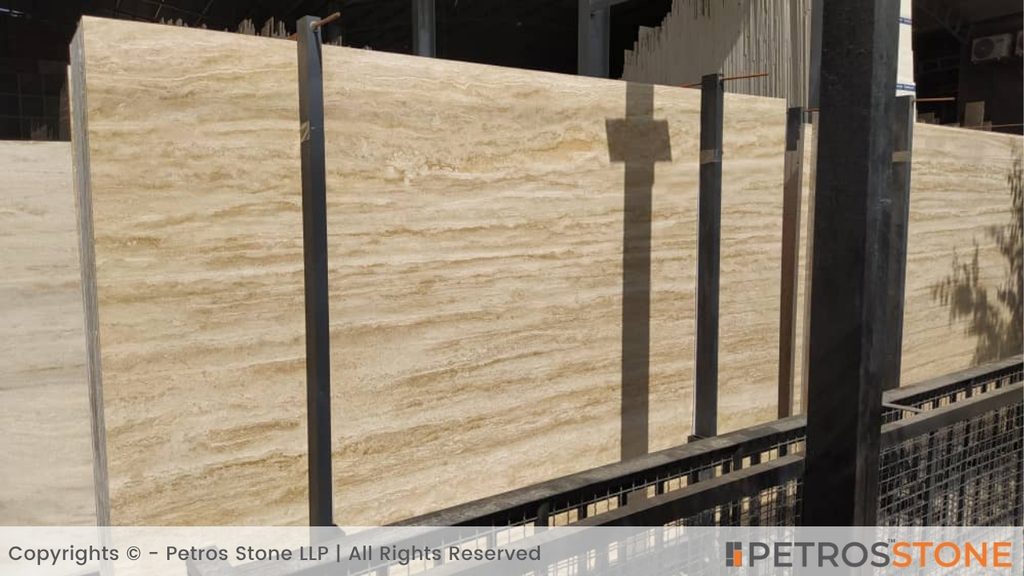 | Italy | $36/sqm – $39/sqm | Exact Price | Chat |
| 4. Beige Travertine | 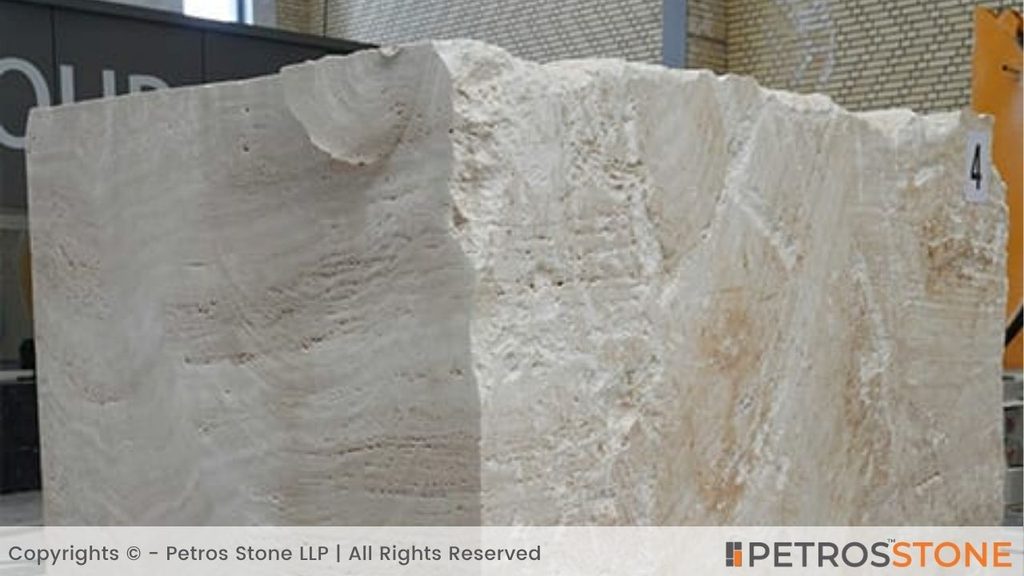 | Italy, Turkey, Iran | $55/sqm – $58/sqm | Exact Price | Chat |
| 5. Noce Travertine | 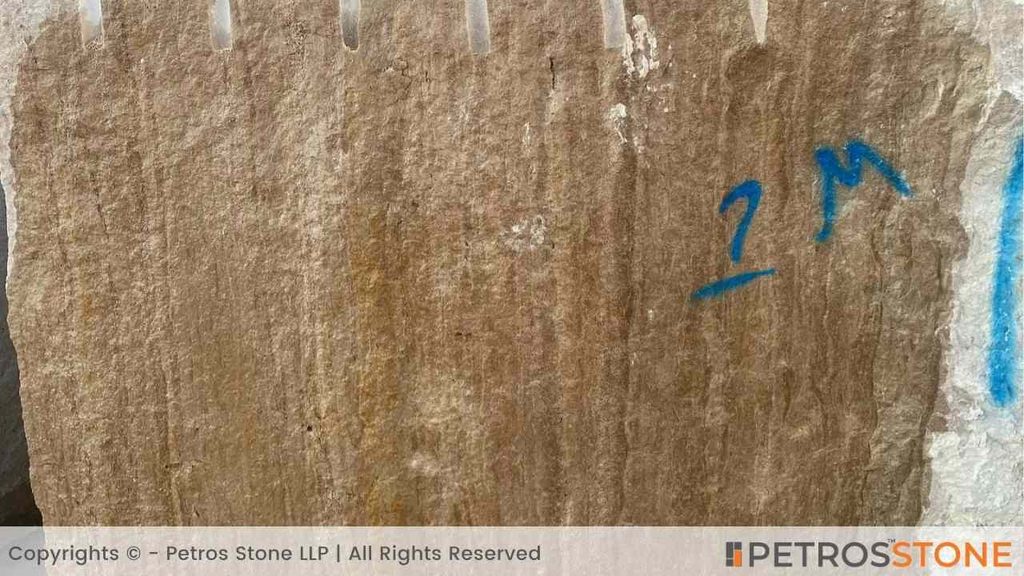 | Italy, Turkey, Iran | $55/sqm – $58/sqm | Exact Price | Chat |
| 6. Silver Travertine | 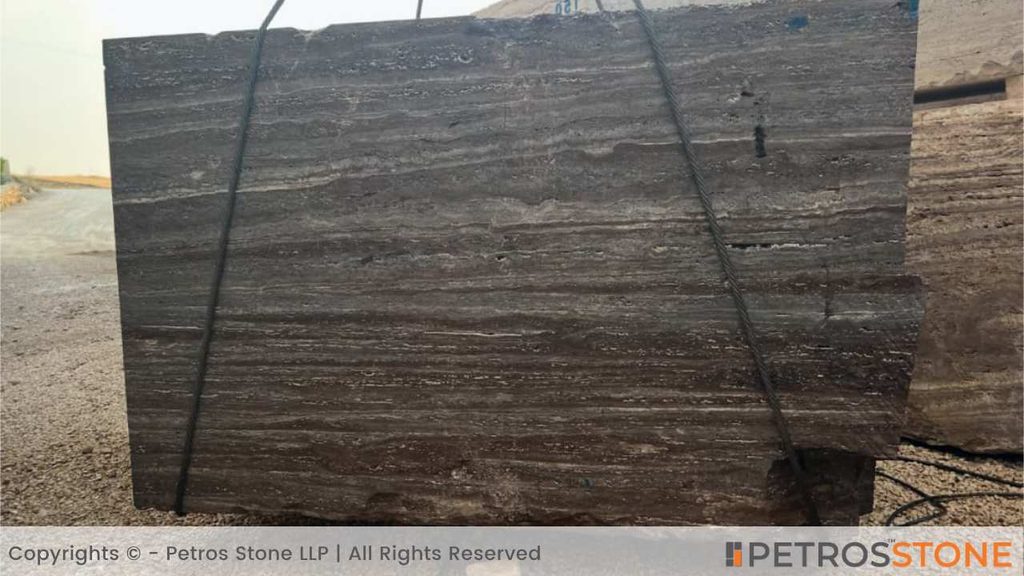 | Turkey, Iran, Italy | $36/sqm – $39/sqm | Exact Price | Chat |
| 7. Giallo Travertine | 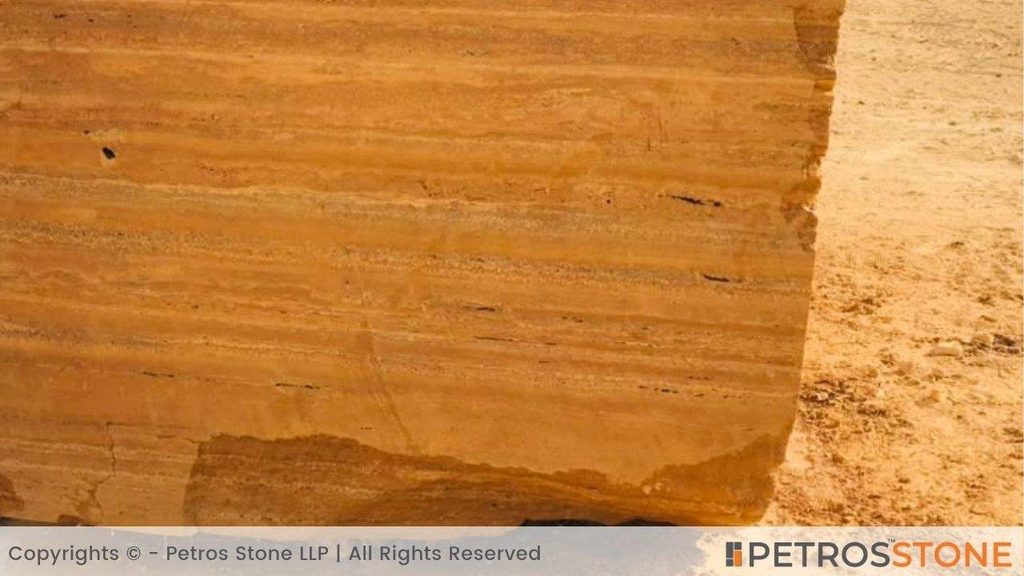 | Italy, Turkey, Iran | $57/sqm – $60/sqm | Exact Price | Chat |
| 8. Scabos Travertine | 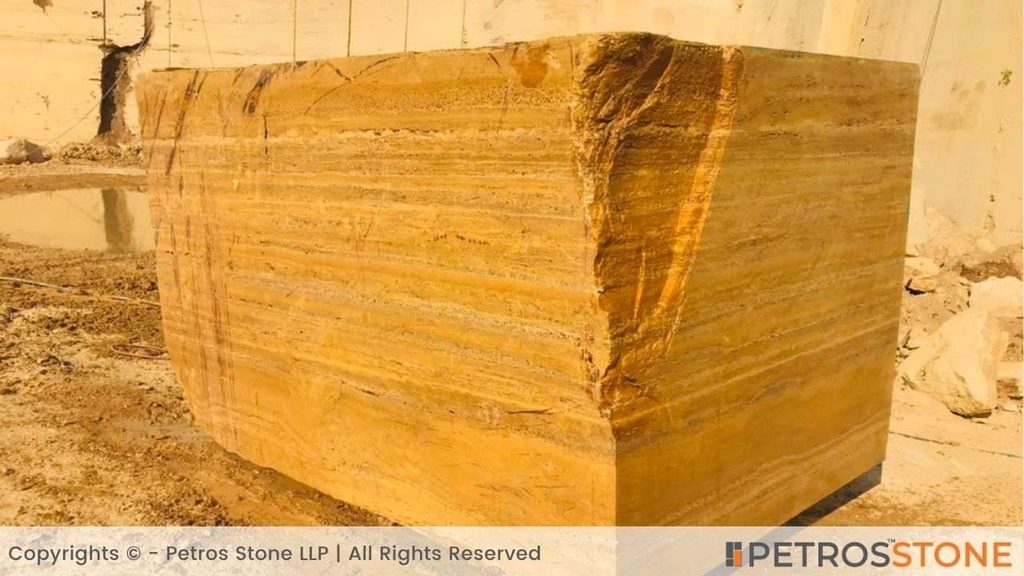 | Turkey | $50/sqm – $53/sqm | Exact Price | Chat |
| 9. Titanium Travertine | 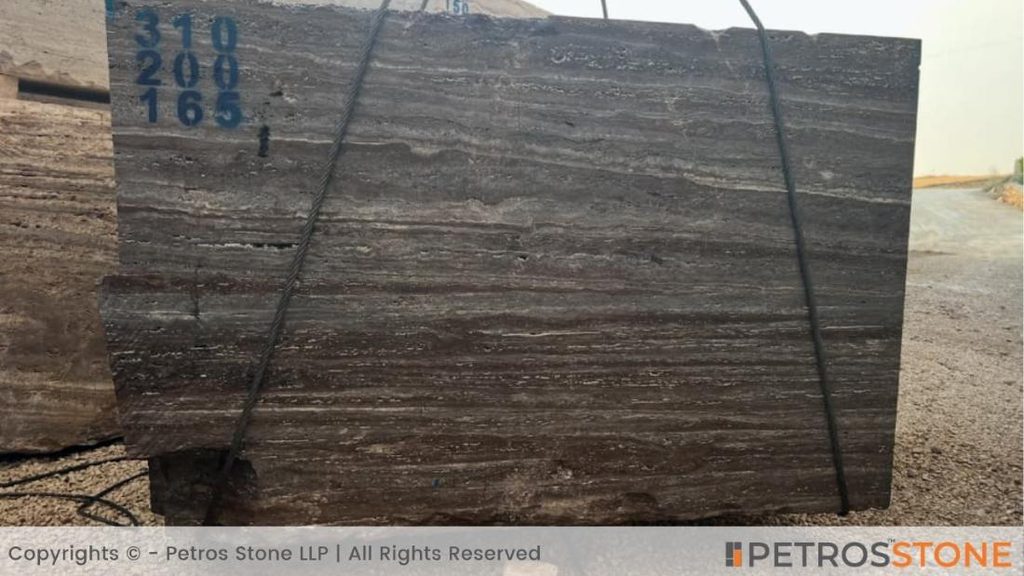 | Multiple markets | $60/sqm – $63/sqm | Exact Price | Chat |
| 10. Light Travertine | 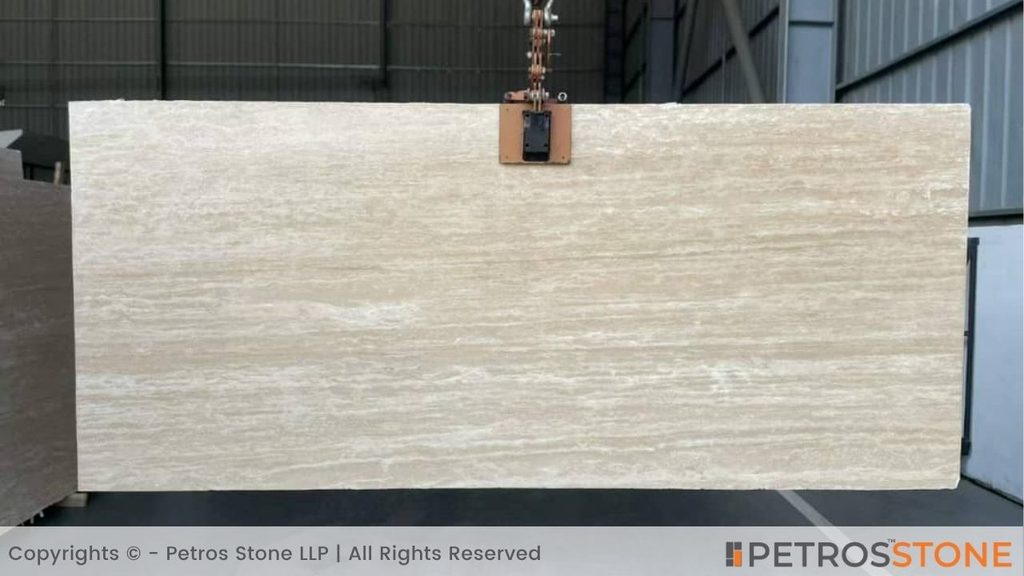 | Multiple origins | $43/sqm – $46/sqm | Exact Price | Chat |
| 11. Dark Travertine | 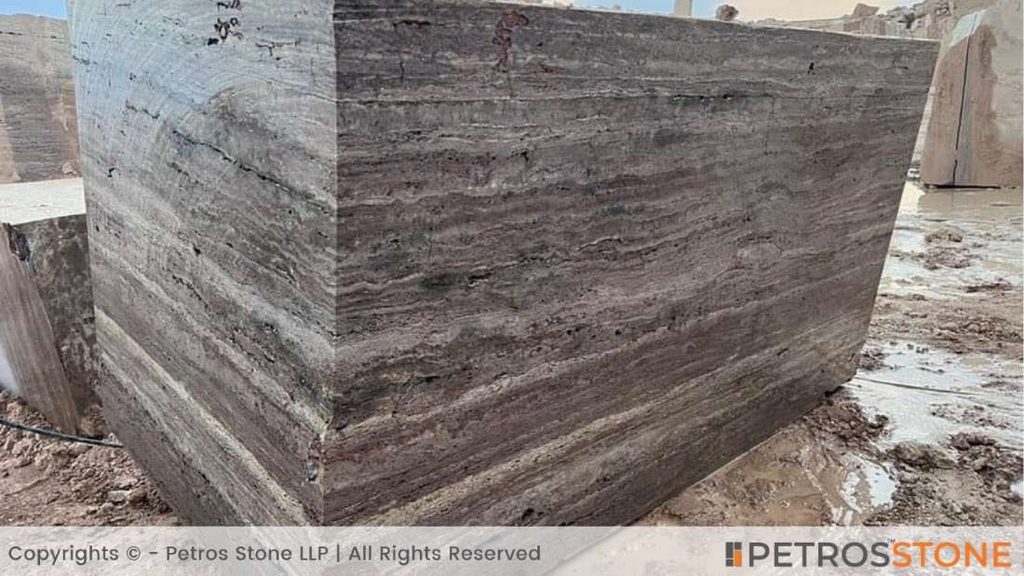 | Multiple origins | $45/sqm – $48/sqm | Exact Price | Chat |
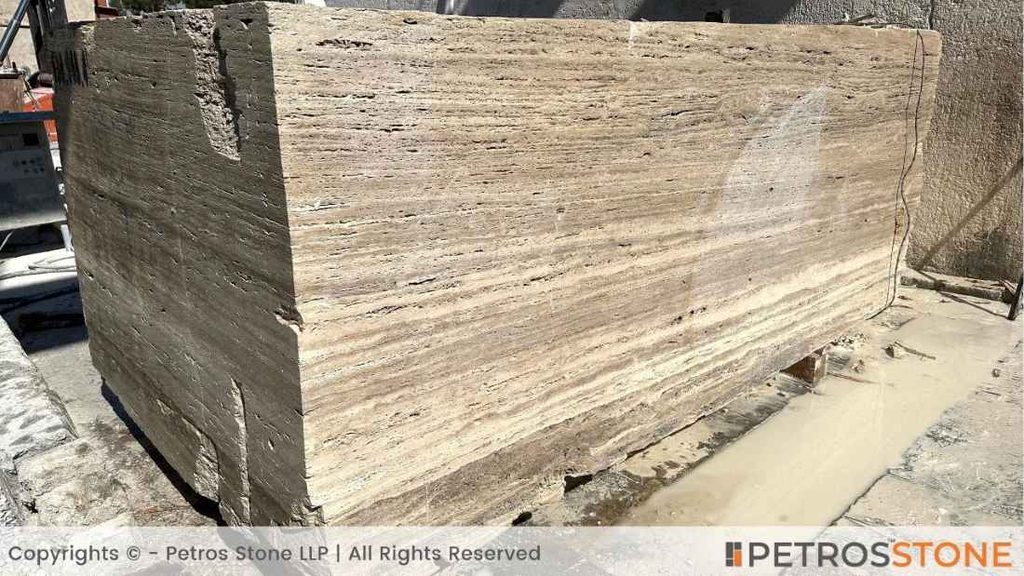
Iranian travertine presents particularly wide variation from one quarry to another, even when materials are sold under the same commercial name. To understand these differences more closely, Rishabh Jain, Director – International Business at Petros® Stone, spoke with Mehdi Eslamibidgoli, Quarry & Factory Owner, STONEMAN, Iran, about the characteristics, colour variations, and commercial distinctions found across Iranian travertine. Mr. Mehdi, whose operation includes twelve quarries, a central processing factory, stockyards, and a showroom, explained how changes in quarry location can influence the appearance and quality of materials such as White, Silver, Titanium, and Red Travertine.

(Quarry & Factory Owner, STONEMAN, Iran)
“White travertine can vary considerably in quality and appearance. Some blocks move toward ivory or light cream, while premium-quality blocks can be genuinely white. There is also another special type of white travertine where the veins appear in different colours. Silver travertine is similarly variable because there are many quarries across different parts of Iran, each producing its own colour variation. When the veins become narrower, the material is often commercially called Titanium. Red travertine is different again — it is more compact and dense, with fewer pores than many other travertine types. Another distinctive variety is Canyon Blue Travertine, which has a beige or ivory base with contrasting blue veins.”
In this guide, we examine the major travertine types by origin and appearance, combining published standards with first-hand observations from quarry and export professionals, while keeping field observations separate from laboratory-tested technical data.
- Travertine Types at a Glance with Price
- Some Audio Excerpts from our Conversation with Yasaman Gholampoor from YG Luxury Manufacturing Group, Iran, and Mehdi Eslamibidgoli from Stoneman, Iran, Owners of a Travertine Quarry
- What is Travertine
- Why Travertine Names Get Confusing
- Italian Travertine
- Turkish Travertine
- Iranian Travertine
- Table – Iranian Travertine Varieties
- What Is Titanium Travertine?
- Light vs. Dark Travertine
- Vein-Cut vs. Cross-Cut Travertine
- Travertine Finishes
- Which Travertine Suits Exterior Facades?
- How to Identify Good and Poor-Quality Travertine
- From Quarry to Finished Slab
- Mix Selection vs. Clean & Sorted Travertine
- Consistency Across Repeat Orders
- Simple Checklist for Buying Travertine
- FAQs
- Key Takeaways
What is Travertine
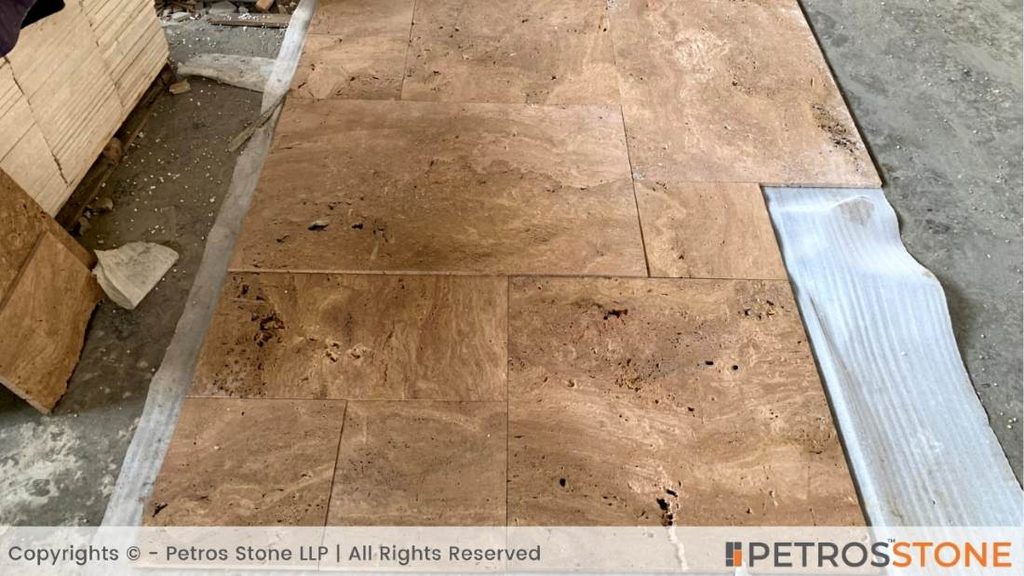
Travertine forms when mineral-rich water deposits dissolved calcium carbonate around hot springs, geothermal vents, and fast-flowing rivers. The process creates its characteristic layered structure, while trapped gases leave pores and cavities. Trace minerals influence colour, producing beige, gold, red, grey, silver, white, and ivory tones. Because mineral conditions vary over time, even blocks from the same quarry can show noticeable differences.
Why Travertine Names Get Confusing
The same trade name can cover material from different quarries. Mr. Mehdi, a quarry and factory owner in Iran, explained this particularly clearly for Silver Travertine:
(Quarry & Factory Owner, Iran)
“There are many quarries with the name of Silver Travertine in Iran… And the colour variation is so much in Silver Travertine because of different quarries in different parts of Iran.”
The same applies to white, beige, and Noce travertine. “Titanium,” for example, is often used for a particular dark or narrow-veined appearance rather than a specific geological deposit.
Origin can also be misrepresented. Yasaman Gholampoor, an Iranian stone exporter, emphasizes..

(Iranian Stone Exporter)
“A buyer should verify the country, quarry, block or lot, selection, thickness, finish, test report, and actual material photographs rather than relying on a trade name.”
how some suppliers tell customers that Iranian material was Italian. For this reason, a buyer should verify the country, quarry, block or lot, selection, thickness, finish, test report, and actual material photographs rather than relying on a trade name.
Italian Travertine
Italy has one of the world’s longest travertine traditions, particularly around Tivoli and the Guidonia basin near Rome. Roman architecture and later projects, including St. Peter’s Basilica and the Trevi Fountain, established Italian travertine as a reference material in the international market.
Table – Italian Travertine
| Name / Variety | Origin / Association | Typical Appearance | Key Characteristics |
|---|---|---|---|
| Roman Travertine | Tivoli–Guidonia basin, near Rome | Cream to beige | Broad commercial term for travertine from the Roman basin; appearance and quality can vary by quarry and block. |
| Classico Travertine | Italian travertine, particularly the Roman tradition | Cream to beige | Traditional travertine appearance; widely used in both classical and contemporary architecture. |
| Navona | Italian commercial/trade name | Ivory to cream | Known for a relatively light appearance and directional veining; established as a distinctive commercial name. |
Italian origin provides historical and commercial prestige, but it does not automatically indicate higher technical quality. Quarry, block, selection, and test results remain more important than country of origin alone.
Roman Travertine
Roman Travertine is a classic sedimentary limestone quarried near Tivoli, Italy, formed by calcium carbonate deposits around mineral hot springs. It’s known for its warm ivory-to-beige tones, natural linear banding, and characteristic porous texture. Historically used to build the Colosseum and other Roman landmarks, it remains popular today for flooring, wall cladding, and outdoor patios. It’s typically sold in polished, honed, or tumbled finishes.
Roman Travertine — Price
| Type | Indicative Block Price (USD/CBM) | Indicative Slab Price – 2 cm (USD/sq.m.) |
|---|---|---|
| Roman Travertine | $1,600 | $40 |
Classico Travertine
Classico Travertine is a widely quarried variety sourced mainly from the Tivoli/Rapolano region of Italy, formed the same way as Roman Travertine — through calcium carbonate precipitation around ancient hot springs. It’s known for its light beige to cream color, subtle, consistent veining, and the classic natural pitting typical of travertine. It’s one of the most popular and versatile travertine types, widely used for flooring, wall cladding, countertops, and outdoor paving. It’s commonly available in polished, honed, brushed, or tumbled finishes.
Classico Travertine — Price
| Type | Indicative Block Price (USD/CBM) | Indicative Slab Price – 2 cm (USD/sq.m.) |
|---|---|---|
| Classico Travertine | $2,800 | $70 |
Navona Travertine
Navona Travertine is quarried in Italy’s Tivoli region, formed through the same calcium carbonate deposition process around mineral hot springs as other Roman travertines. It features a warm, creamy beige to light tan tone with soft, consistent veining and minimal dramatic contrast, giving it a clean, uniform look. It’s popular for flooring, wall cladding, and outdoor paving where a subtle, elegant finish is desired. It’s typically available in polished, honed, brushed, or tumbled finishes
Navona Travertine — Price
| Type | Indicative Block Price (USD/CBM) | Indicative Slab Price – 2 cm (USD/sq.m.) |
|---|---|---|
| Navona Travertine | $1,600 | $40 |
Turkish Travertine
Turkey is the world’s largest travertine-producing country, with Denizli as its principal production centre. Turkish quarries produce a broad range of beige, ivory, silver, noce, Scabos and mixed-colour materials.
The large and varied deposits also mean that the appearance of a block can change substantially depending on the direction in which it is cut. This is why Turkish travertine should be specified by quarry, block and cut rather than colour name alone.
Key Turkish Travertine Varieties and Specification Considerations
| Variety / Commercial Name | Typical Appearance | Key Characteristics | Specification Consideration |
|---|---|---|---|
| Beige Travertine | Beige to warm cream | One of the most widely used Turkish travertine categories. | Specify the quarry and block, as colour and veining can vary. |
| Ivory Travertine | Light ivory to cream | Lighter-toned material used in both traditional and contemporary interiors. | Confirm the actual block colour rather than relying on the trade name alone. |
| Silver Travertine | Silver-grey to beige-grey | Often associated with cooler tones and more pronounced directional veining. | Cut direction can significantly change the appearance of the finished slab. |
| Noce Travertine | Walnut to brown | Darker, richer tones that can create a more dramatic architectural appearance. | Check whether the selected block delivers the desired depth and consistency of colour. |
| Scabos Travertine | Mixed beige, cream, brown and other natural tones | Known for its varied, multicoloured appearance and distinctive natural movement. | Review the actual block and slab selection carefully; colour names do not guarantee uniformity. |
| Mixed-Colour Travertine | Combination of beige, ivory, silver, brown and other tones | Reflects the broad natural variation found across Turkish deposits. | Specify by quarry, block and cut, not by colour name alone. |
Note: Turkish travertine should be evaluated at the block and slab level. A single commercial name can cover materially different appearances, and the direction of cutting can change the visible veining, colour balance and overall character.
Beige Travertine
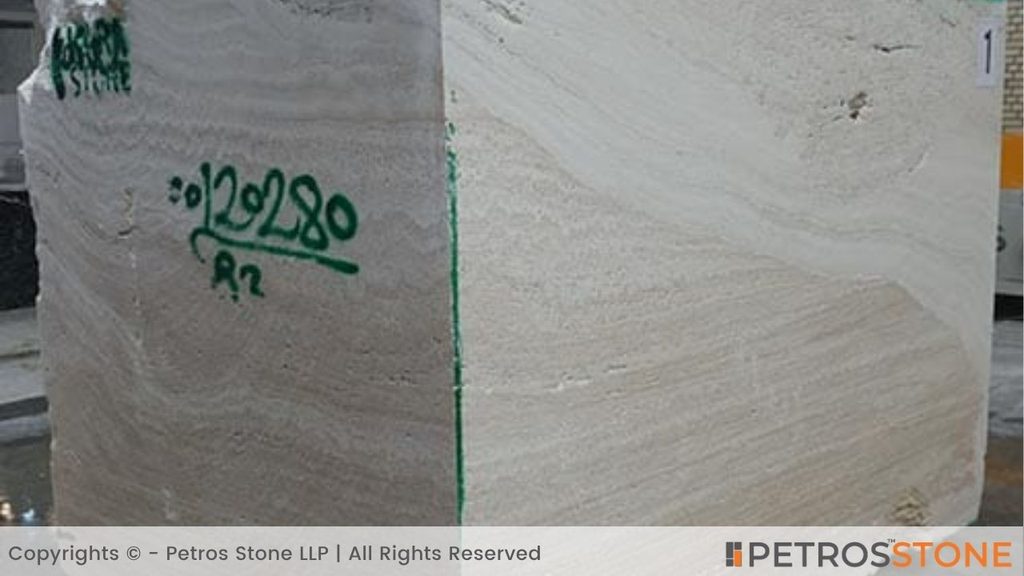
Quarried mainly in the Denizli region of Turkey, this travertine forms through calcium carbonate precipitation around the area’s mineral-rich hot springs — the same geological process that created the famous Pamukkale terraces. It has a warm, uniform beige-to-tan color with light veining and the classic natural pitting of travertine. It’s one of the most popular and cost-effective travertine choices, widely used for flooring, wall cladding, and outdoor paving. Available in polished, honed, brushed, or tumbled finishes.
Beige Travertine — Price
| Type | Indicative Block Price (USD/CBM) | Indicative Slab Price – 2 cm (USD/sq.m.) |
|---|---|---|
| Beige Travertine | $2,400 | $60 |
Ivory Travertine
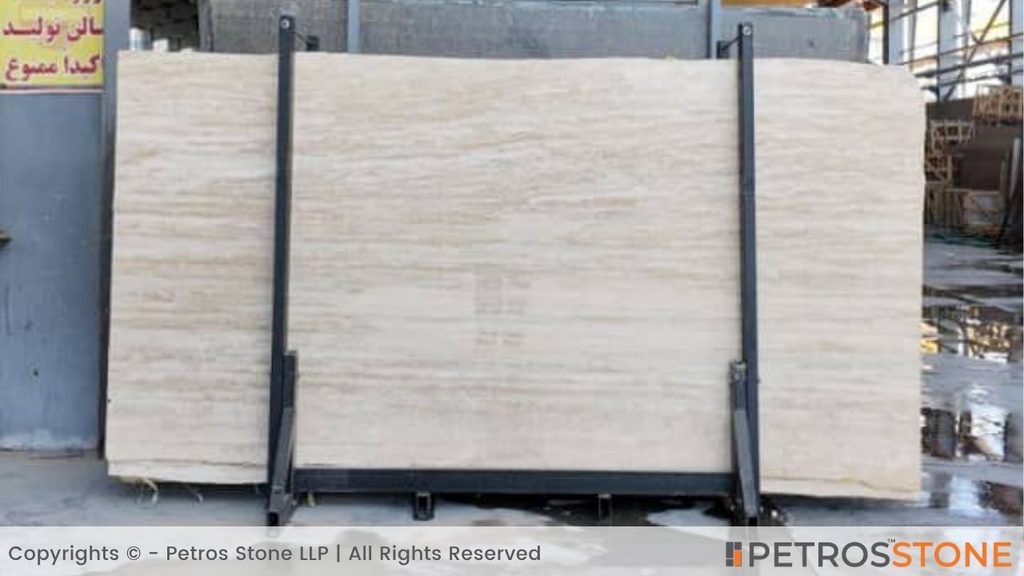
Sourced from quarries around Denizli, Turkey, Ivory Travertine forms the same way as other travertines, via mineral spring deposition. It stands out for its pale, creamy white-to-ivory base tone with very subtle veining, giving it a bright, clean, almost marble-like appearance. It’s favored for interior flooring, bathroom cladding, and spaces where a light, airy aesthetic is desired. Commonly finished polished, honed, or filled-and-honed for a smoother surface.
Ivory Travertine — Price
| Type | Indicative Block Price (USD/CBM) | Indicative Slab Price – 2 cm (USD/sq.m.) |
|---|---|---|
| Ivory Travertine | $1,920 | $48 |
Silver Travertine
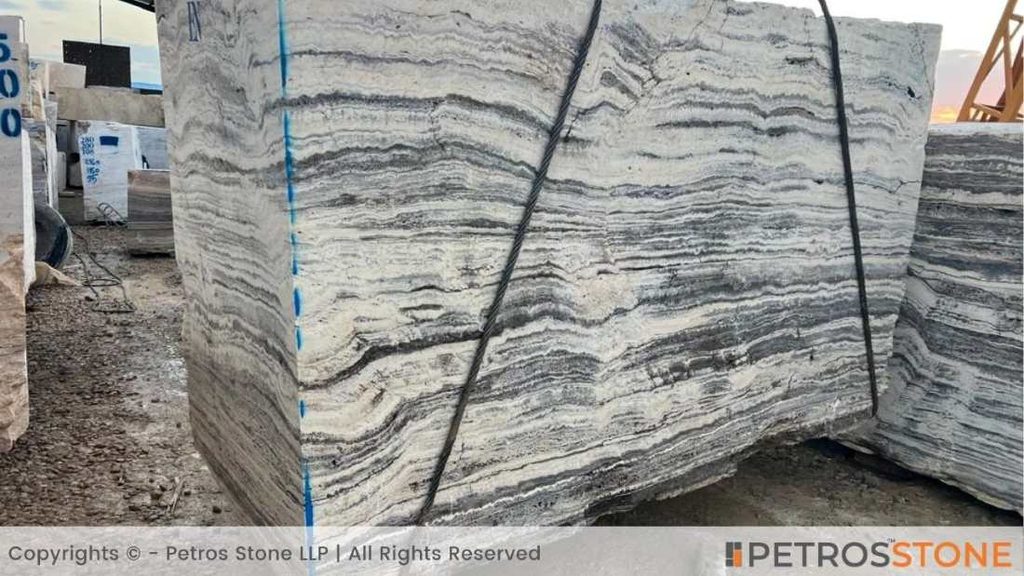
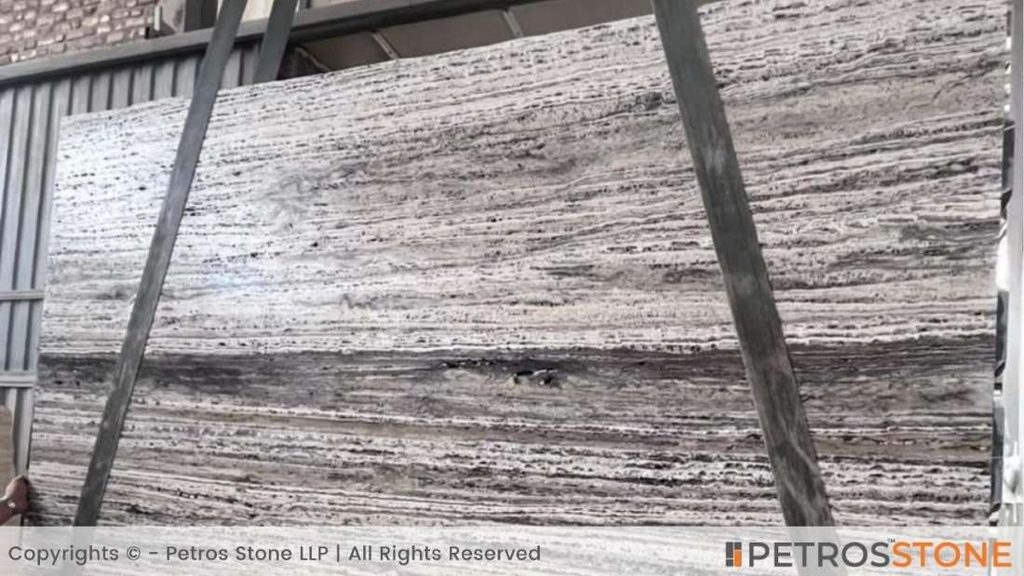
Also quarried in the Denizli region of Turkey, Silver Travertine gets its name from its cool gray tones — ranging from light dove gray to deeper charcoal veining — a color variation caused by different mineral impurities during formation. This grayish palette makes it popular for modern and contemporary designs, contrasting with the warmer beige/ivory tones typical of most travertine. Used in flooring, feature walls, and outdoor patios, it’s available in polished, honed, brushed, and tumbled finishes.
Silver Travertine — Price
| Type | Indicative Block Price (USD/CBM) | Indicative Slab Price – 2 cm (USD/sq.m.) |
|---|---|---|
| Silver Travertine | $2,600 | $65 |
Noce Travertine (‘Noce,’ Italian/Turkish trade term for ‘walnut’)
Quarried in Turkey (Denizli area), Noce Travertine forms through the same hot-spring mineral deposition process but develops a richer, darker color palette — deep walnut brown, chocolate, and tan tones with pronounced veining and pitting. Its bold, warm coloring makes it a popular choice for statement flooring, feature walls, and rustic or Mediterranean-style interiors. Typically available in honed, brushed, tumbled, or filled-and-polished.
Noce Travertine — Price
| Type | Indicative Block Price (USD/CBM) | Indicative Slab Price – 2 cm (USD/sq.m.) |
|---|---|---|
| Noce Travertine | $2,400 | $60 |
Scabos Travertine
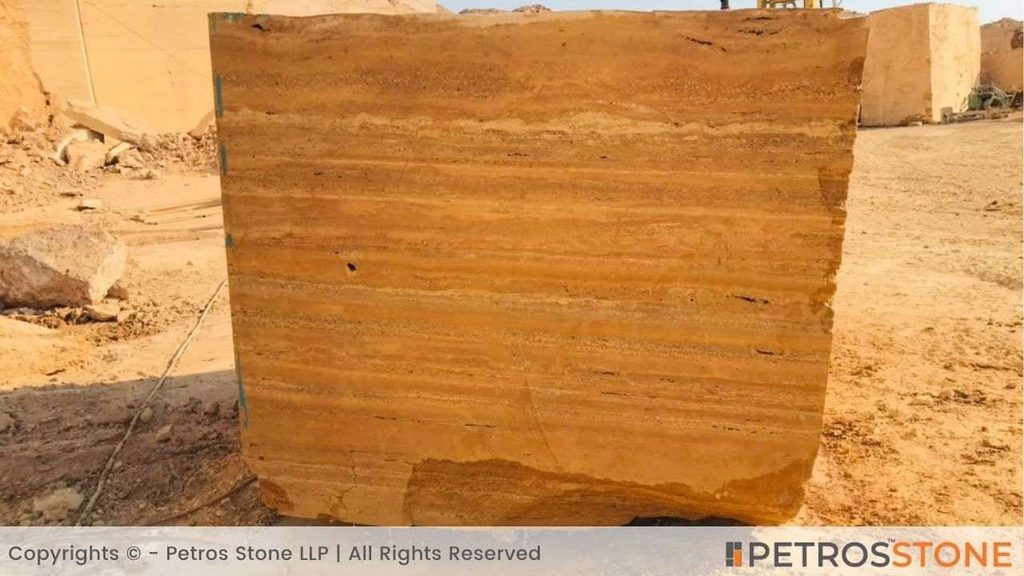
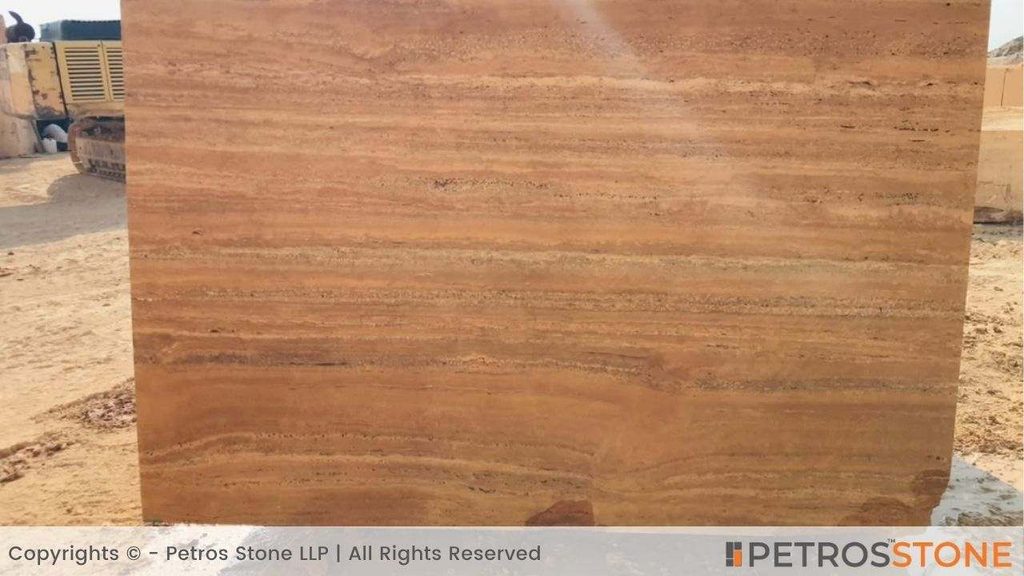
Also sourced from Turkish quarries, Scabos Travertine is distinguished by its dramatic, multi-tonal blend of gray, beige, tan, and brown running through a single slab, along with heavier veining and more pronounced natural fissures than other travertine types. This variegated, textured look gives it a rustic, old-world character, making it popular for accent walls, flooring in traditional or Tuscan-style spaces, and outdoor applications. Usually finished tumbled or brushed to enhance its rugged texture, though honed and polished options exist.
Scabos Travertine — Price
| Type | Indicative Block Price (USD/CBM) | Indicative Slab Price – 2 cm (USD/sq.m.) |
|---|---|---|
| Scabos Travertine | $2,200 | $55 |
Mixed Colour Travertine
Unlike single-tone varieties named for their color, “Mixed Colour” isn’t a distinct travertine type or quarry origin — it’s a selection/grading category. It refers to cut-to-size tiles or pieces that combine leftover or offcut material from multiple travertine colors and batches (such as beige, ivory, silver, walnut, etc.) into one mixed lot, rather than sourcing tiles from a single consistent color run.
CHECK MIXED VS CLEAN SELECTION FOR MORE DETAIL
Iranian Travertine
Iran is an important source of travertine, with a wide range of white, ivory, cream, beige, silver, dark silver, red, brown and yellow materials.
This section draws on first-hand discussions with Mr. Mehdi, whose operation includes twelve quarries, a central processing factory, stockyards and a showroom, and Yasaman Gholampoor, an exporter with more than a decade of experience shipping Iranian stone to international markets.
Table – Iranian Travertine Varieties
| Variety | Appearance | Buyer Consideration |
|---|---|---|
| White Travertine | White, light cream to ivory | Approve the actual block or slab selection; do not rely on the colour name alone. |
| Silver Travertine | Light silver to dark silver | Confirm the quarry, block, vein pattern, and cut direction before ordering. |
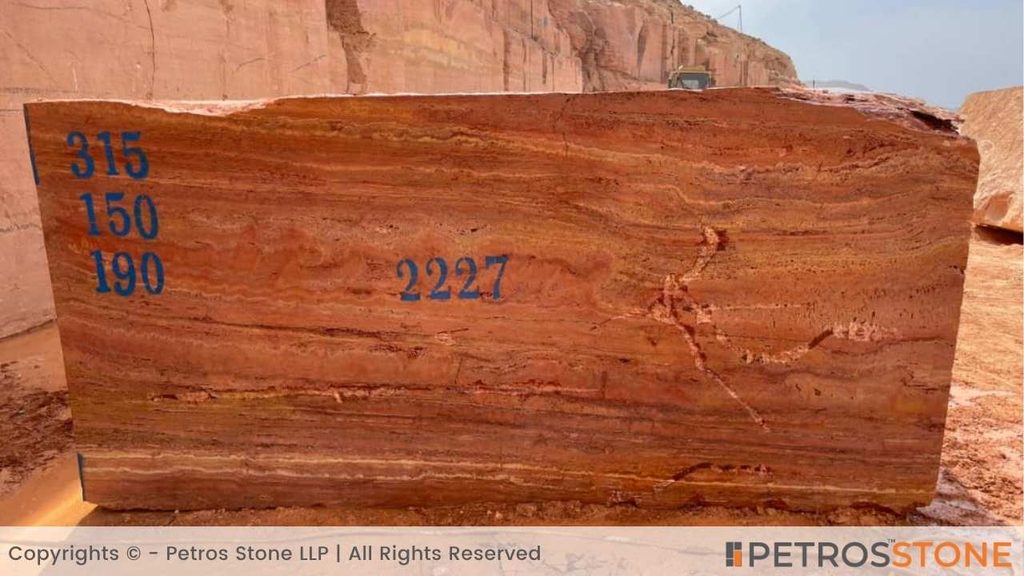
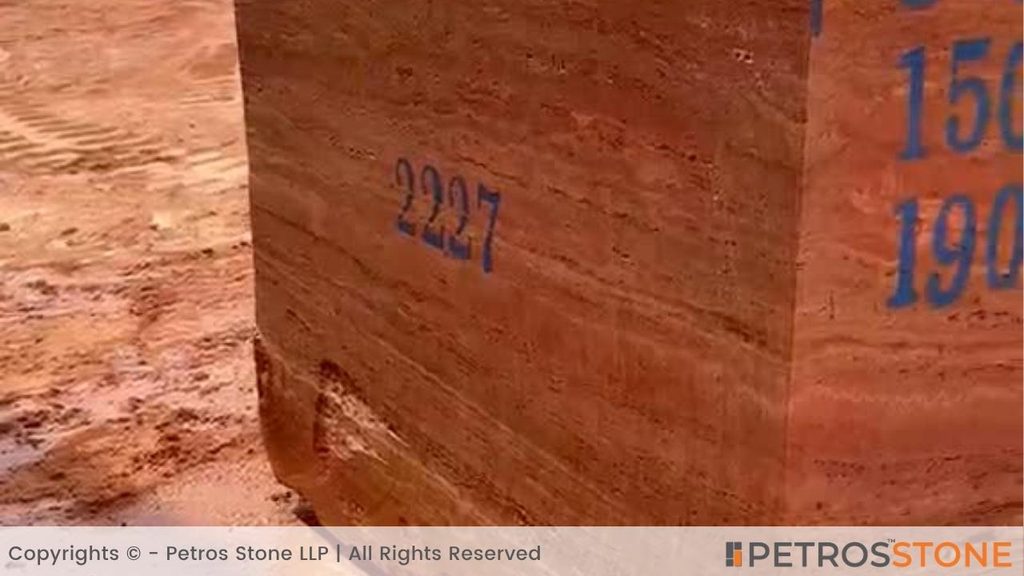
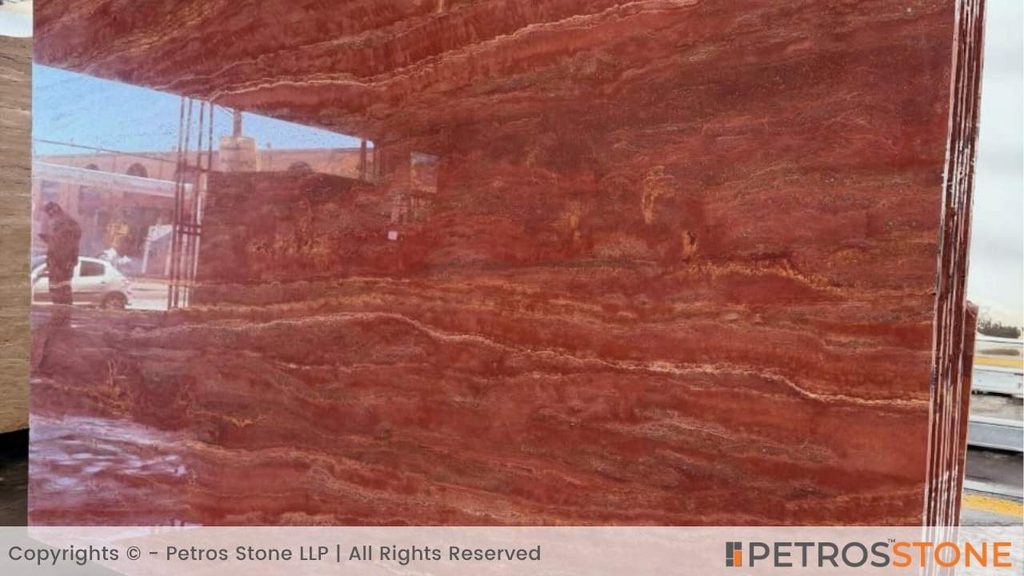
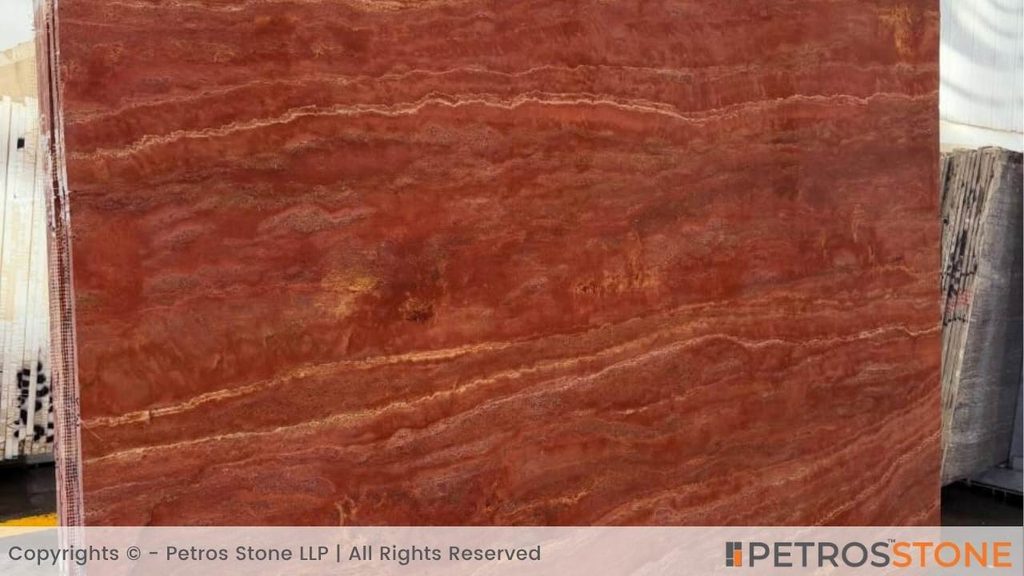
| Red Travertine | Red to reddish-brown | This is a field observation, not laboratory data. Requires project-specific density, water absorption, and strength testing. |
| Cream / Ivory Travertine | Cream, ivory, and light beige | Request photographs and videos of the actual production block/slabs to assess colour consistency. |
| Brown / Dark Travertine | Brown to darker earthy tones | Evaluate the actual block for colour consistency, pore structure, cracks, and processing quality. |
| Yellow Travertine | Yellow to warm golden tones | Specify by quarry and block rather than relying only on commercial colour names. |
Yasaman also described strong international demand for Iranian white travertine and lower quarry-level pricing than comparable Italian material. Her quoted figures — approximately $700–800/ton in Iran versus around $2,000/ton in Italy — are supplier-market observations rather than an independent market benchmark and should not be treated as fixed prices.
White Travertine
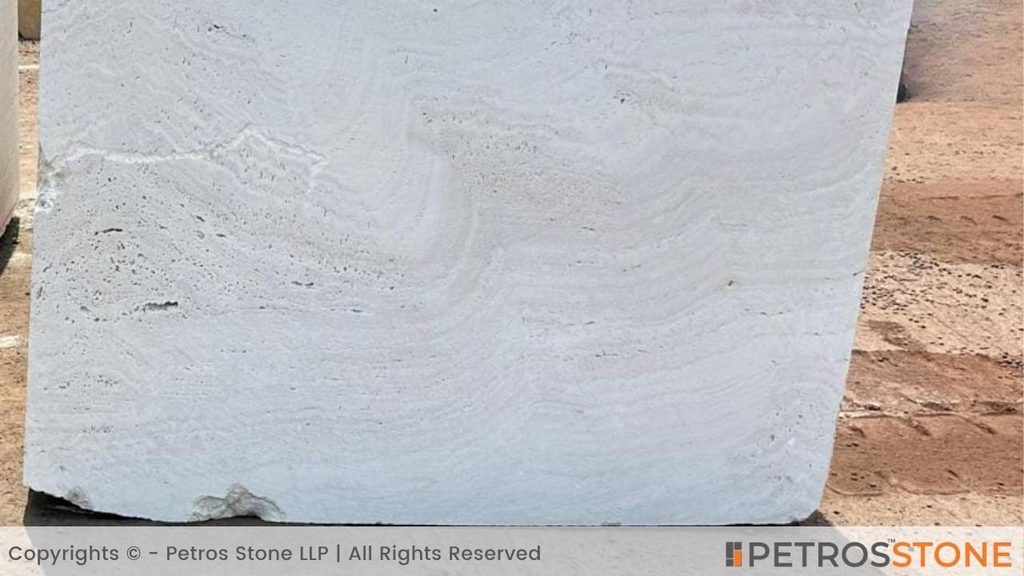
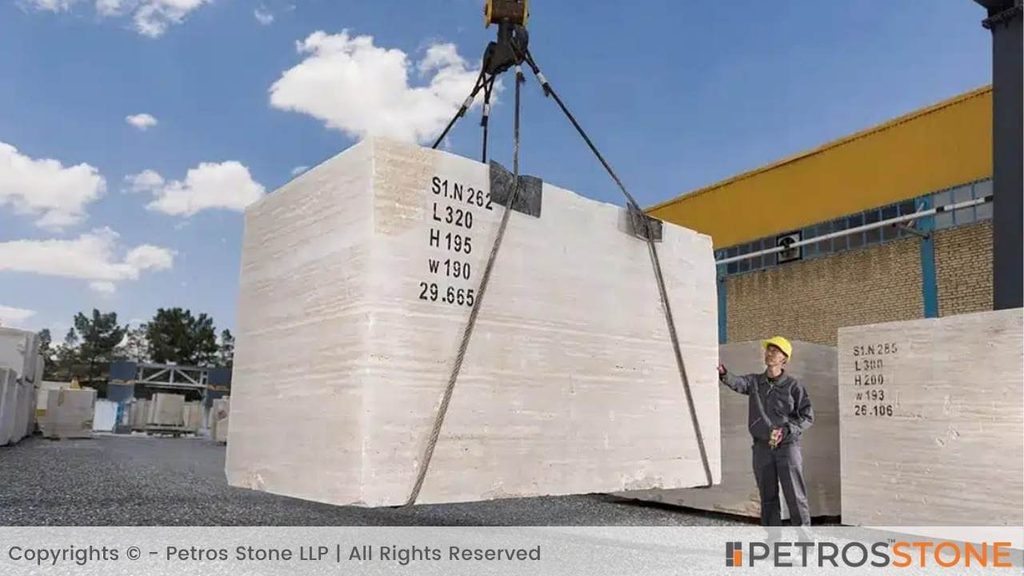
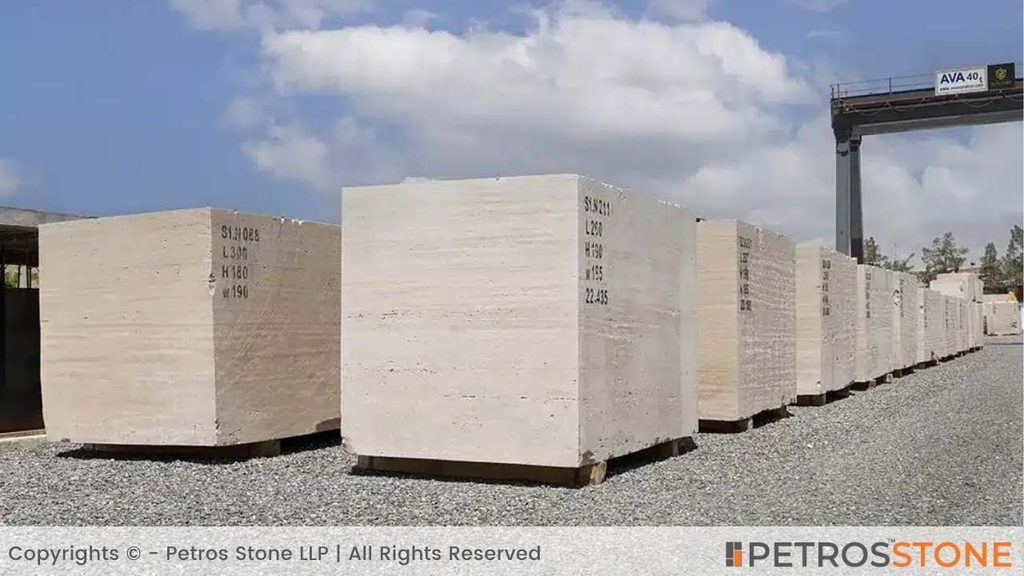
White Travertine is a variety with white, light cream to ivory colouring, typically quarried from travertine-producing regions in Turkey and Italy through calcium carbonate deposition around mineral hot springs. Its pale, clean appearance makes it popular for bright interiors, minimalist designs, and spaces aiming for a marble-like aesthetic, and it’s commonly available in polished, honed, and filled-and-honed finishes.
White Travertine — Price
| Type | Indicative Block Price (USD/CBM) | Indicative Slab Price – 2 cm (USD/sq.m.) |
|---|---|---|
| White Travertine | $2,200 | $55 |
Silver Travertine
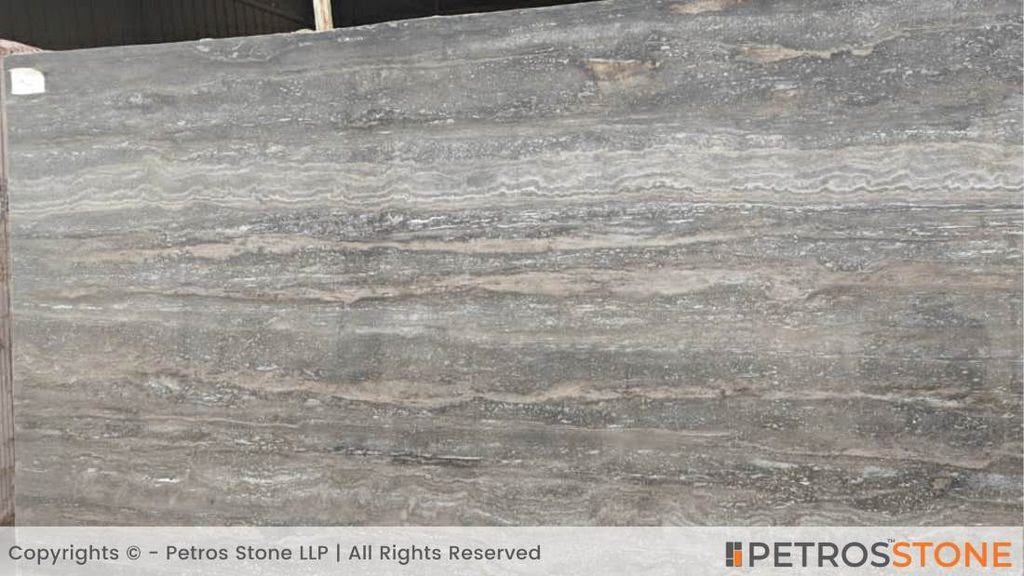
Silver Travertine ranges in colour from light silver to dark silver-gray, and is quarried primarily in the Denizli region of Turkey, with the colour variation caused by differing mineral impurities during formation. Its cool, contemporary palette makes it a popular alternative to warmer beige and ivory travertines, suited to modern interiors, feature walls, and outdoor spaces, and it’s available in polished, honed, brushed, and tumbled finishes.
Silver Travertine — Price
| Type | Indicative Block Price (USD/CBM) | Indicative Slab Price – 2 cm (USD/sq.m.) |
|---|
| Silver Travertine | $2,000 | $50 |
Red Travertine
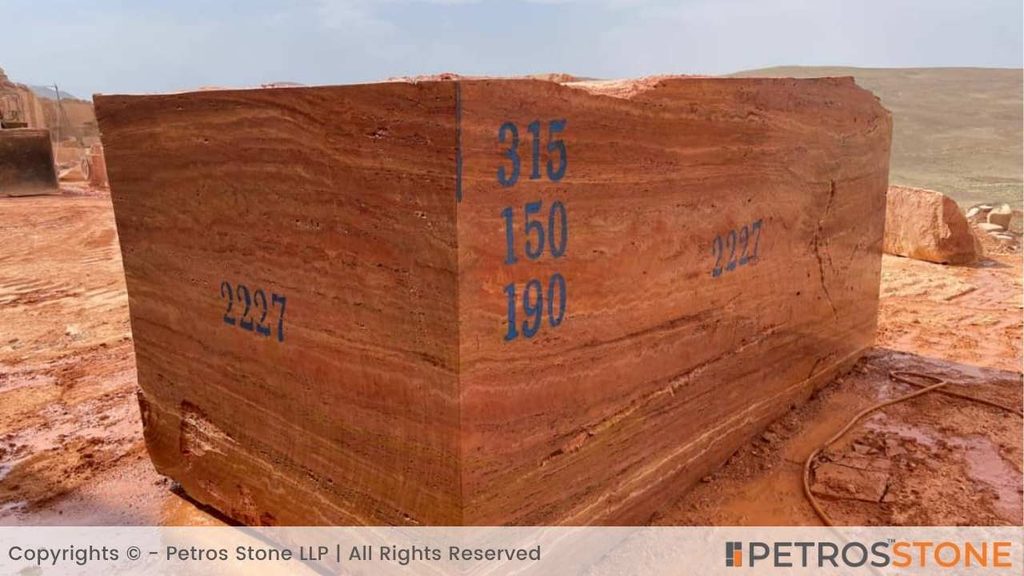
Red Travertine has a red to reddish-brown colour, sourced from select quarries — notably in Turkey and Iran — with the distinctive tone caused by higher iron oxide content during formation. It’s used for statement flooring, accent walls, and projects seeking a bold, warm aesthetic, and is available in honed, brushed, and tumbled finishes.
Cream / Ivory Travertine — Price
| Type | Indicative Block Price (USD/CBM) | Indicative Slab Price – 2 cm (USD/sq.m.) |
|---|---|---|
| Cream / Ivory Travertine | $2,050 | $51.25 |
Cream / Ivory Travertine
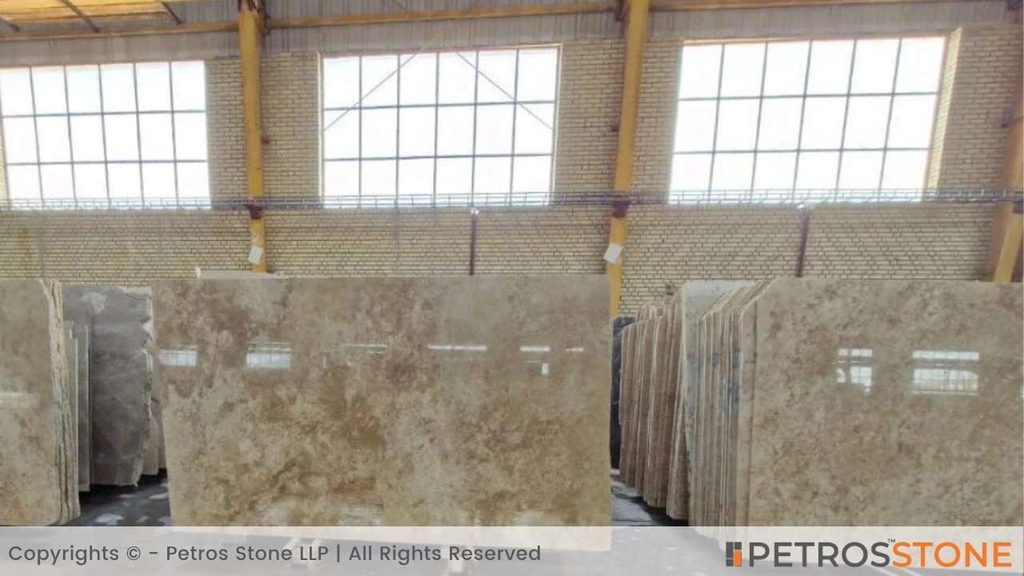
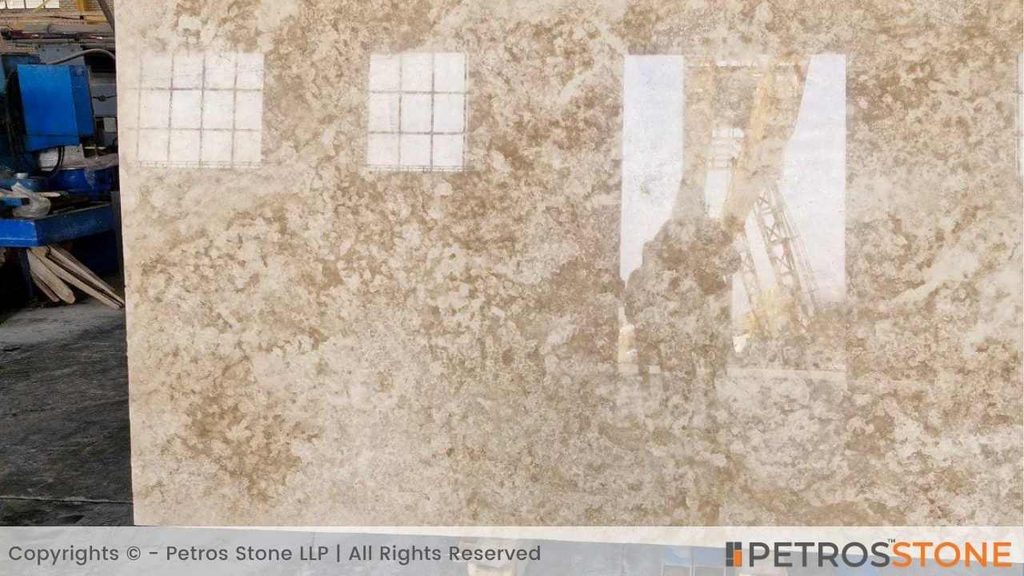
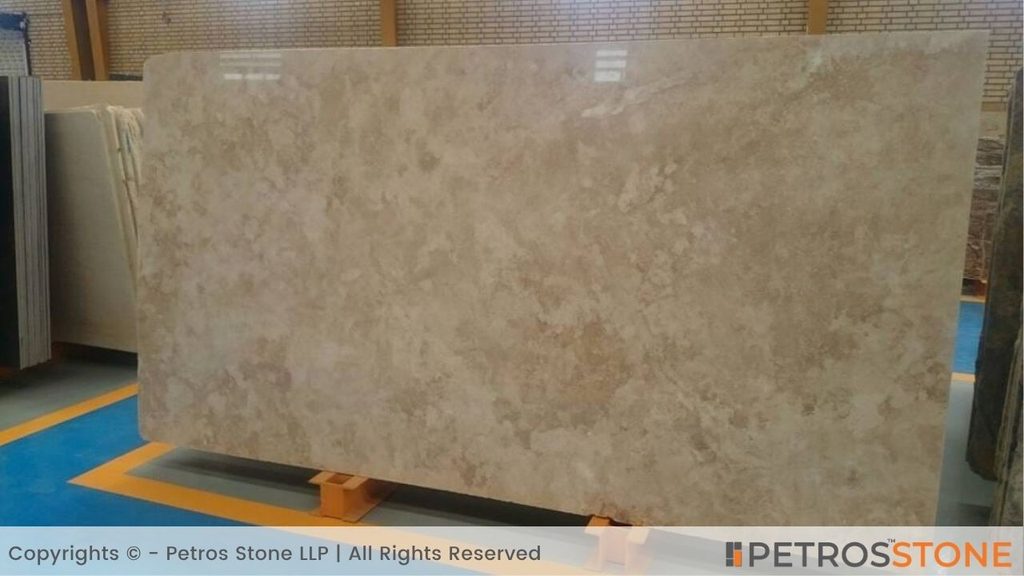
Cream / Ivory Travertine features soft cream, ivory, and light beige tones formed through mineral spring deposits. Its warm, uniform palette makes it a popular choice for classic interiors, subtle flooring, and understated architectural accents. It is commonly supplied in polished, honed, brushed, and filled finishes.
Ivory Travertine — Price
| Type | Indicative Block Price (USD/CBM) | Indicative Slab Price – 2 cm (USD/sq.m.) |
|---|---|---|
| Ivory Travertine | $1,920 | $48 |
Brown / Dark Travertine
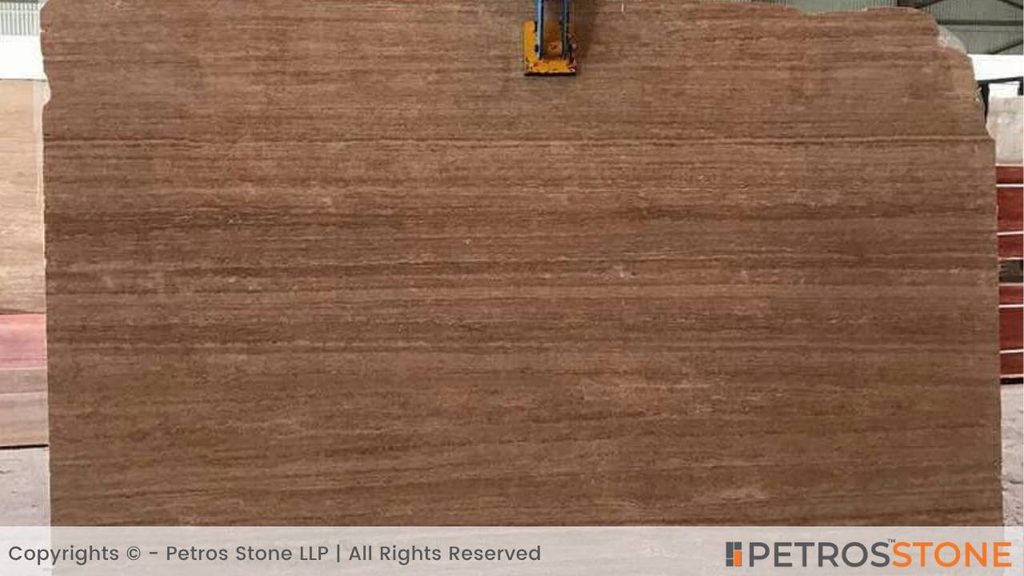
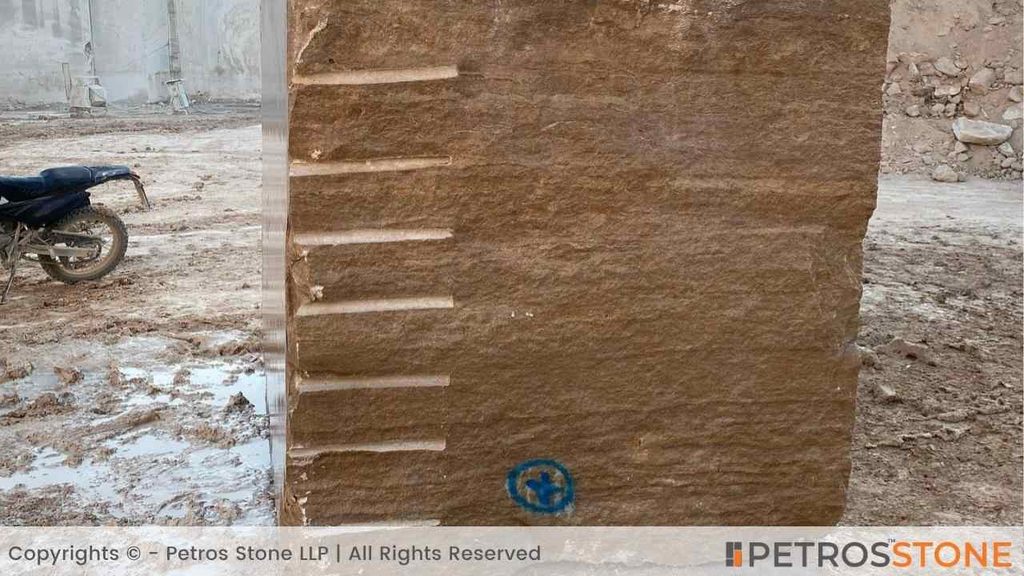
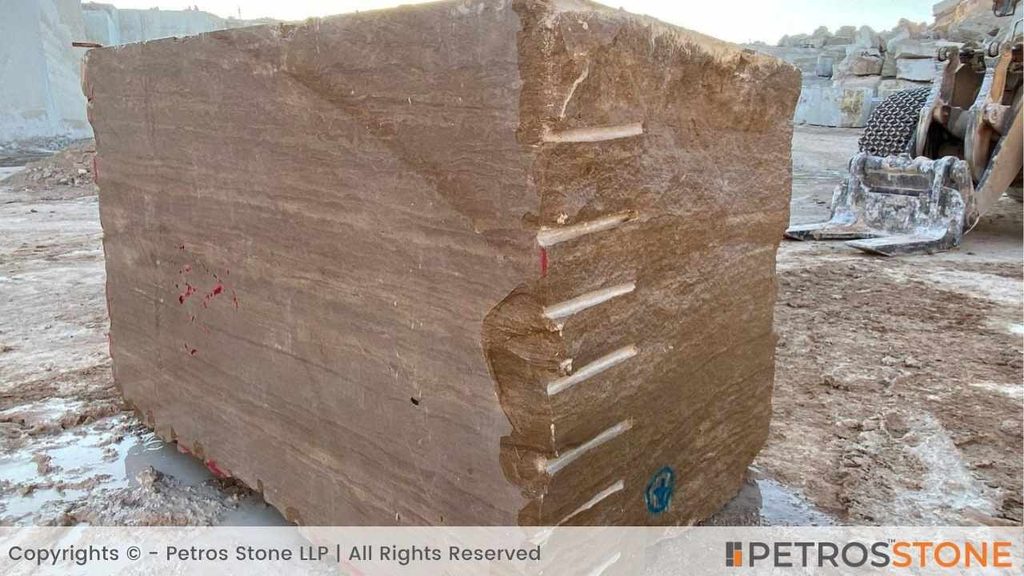
Brown / Dark Travertine exhibits rich brown to dark earthy tones created by deep mineral concentrations during formation. Its dramatic, grounding color profile is ideal for feature walls, statement floors, and high-contrast interior designs. It is typically available in honed, polished, brushed, and tumbled finishes.
Brown / Dark Travertine — Price
| Type | Indicative Block Price (USD/CBM) | Indicative Slab Price – 2 cm (USD/sq.m.) |
|---|---|---|
| Brown / Dark Travertine | $2,200 | $55 |
Yellow Travertine
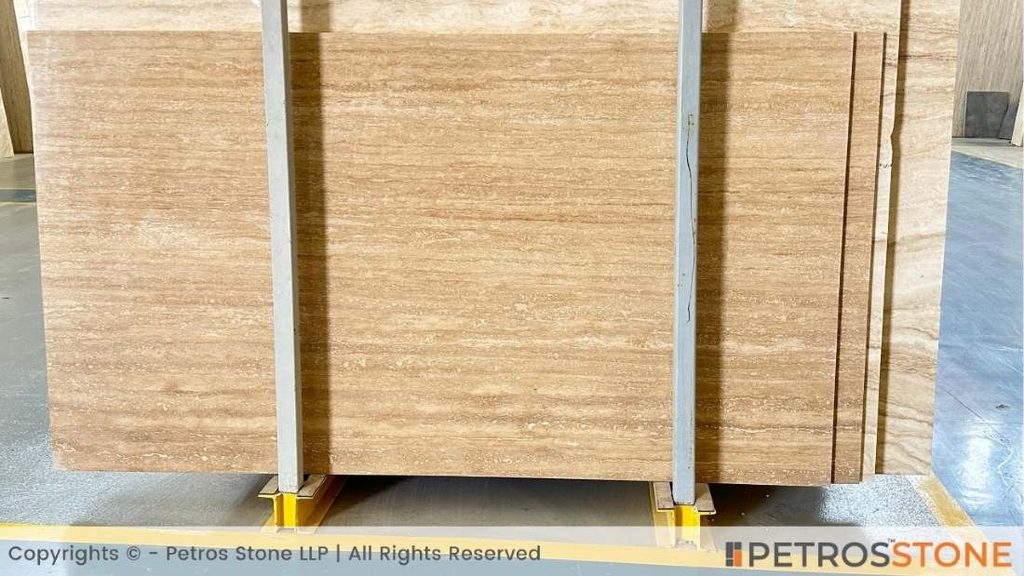
Yellow Travertine displays vibrant yellow to warm golden tones resulting from distinct iron and mineral variations. Its bold, energetic appearance makes it a favored option for decorative accents, outdoor paving, and rustic architectural elements. It is frequently finished in honed, brushed, sandblasted, and tumbled textures.
Yellow Travertine — Price
| Type | Indicative Block Price (USD/CBM) | Indicative Slab Price – 2 cm (USD/sq.m.) |
|---|---|---|
| Yellow Travertine | $2,350 | $58.75 |
(Owner & Stone Exporter, YG Stone)
“The difference between Italian or Iran is not necessarily in quality. Iranian travertine is comparable to Italian stone, and in some cases, even better. The main reason for the lower price is the sanctions and economic conditions in Iran.”
What Is Titanium Travertine?
“Titanium Travertine” is a commercial description rather than a strictly defined geological type. It is commonly used for darker silver or grey travertine with pronounced or narrow contrasting veins.
The term is not consistently applied across suppliers. Mr. Mehdi, for example, associates Titanium with narrower-veined Silver Travertine, while other suppliers may apply the name to darker or more varied material.
Buyer warning: Never compare Titanium prices without confirming the origin, quarry, block, colour range, and cut. Two materials sold as Titanium may not be comparable.
Light vs. Dark Travertine
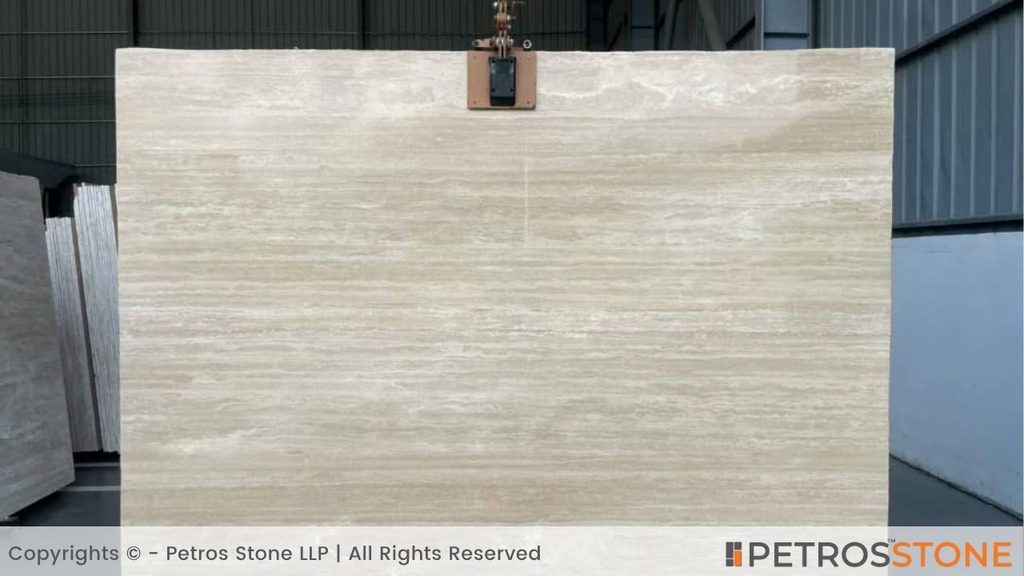
Light and dark travertine are colour families, not separate geological types.
Light travertine includes white, ivory, cream and beige tones and is widely used where a bright, neutral appearance is required. White travertine is generally more expensive and is often considered a luxury choice due to its clean, premium appearance.
Dark travertine includes Noce, walnut, dark brown, and dark silver tones and is more commonly used for feature walls, statement floors, and contrasting cladding.
Vein-Cut vs. Cross-Cut Travertine
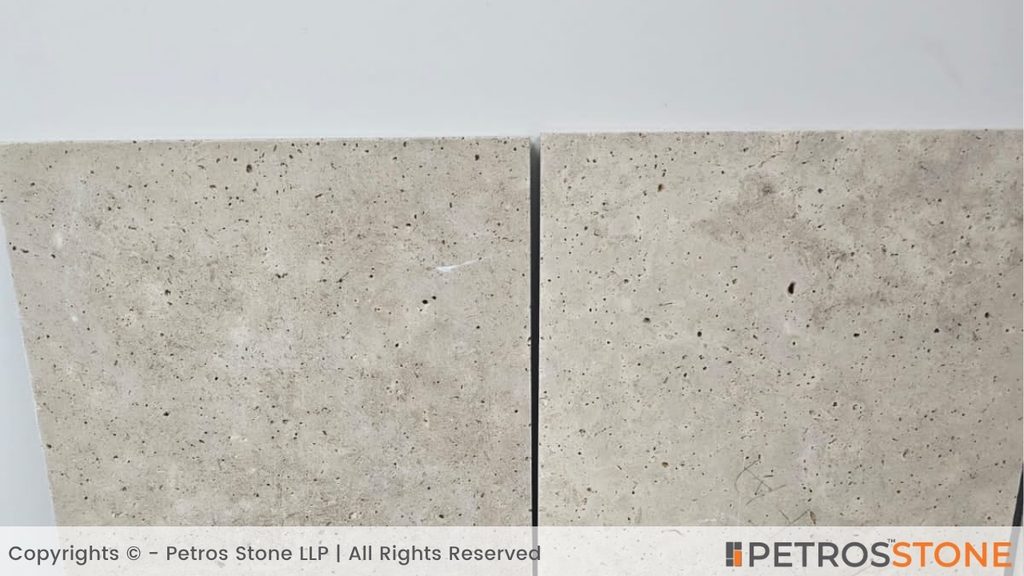
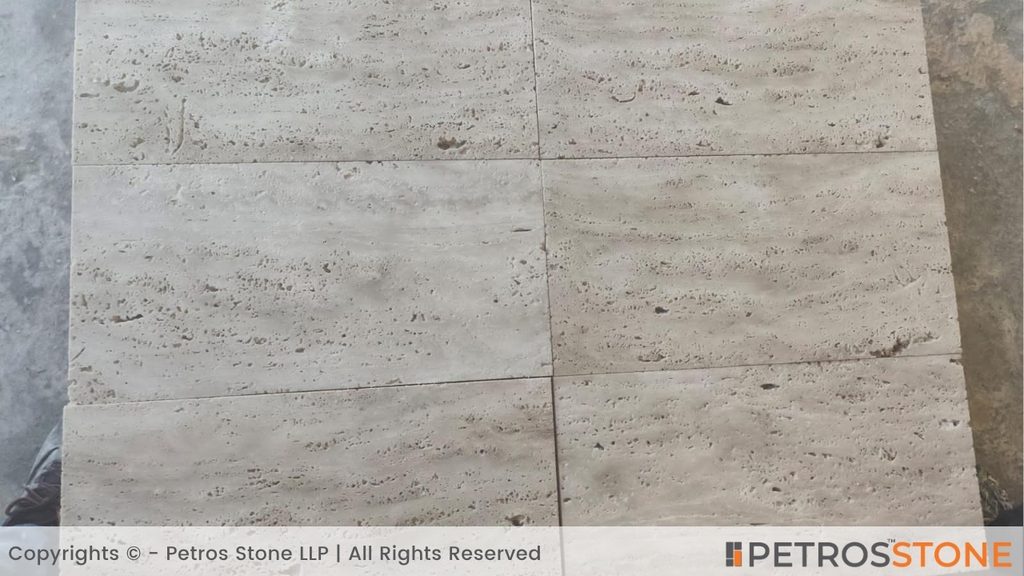
The direction in which a block is sawn can significantly change its appearance.
Vein-cut generally produces directional, linear bands, while cross-cut exposes the stone’s bedding in a more cloud-like or organic pattern. The terminology is widely used this way in the fabrication and design trade.
There is, however, a technical terminology issue: ASTM C1527 uses the terms differently in its glossary. Buyers should therefore confirm exactly what a supplier means by “vein-cut” or “cross-cut” and approve an actual slab sample where appearance is critical.
The important point is that durability depends on the stone’s physical properties and structural condition, not simply the cutting direction.
Travertine Finishes
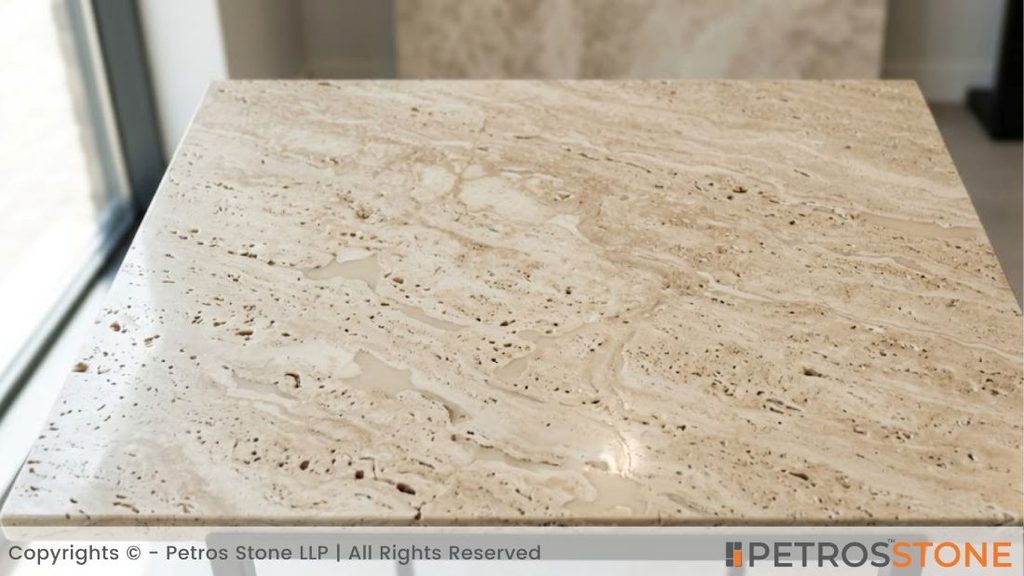
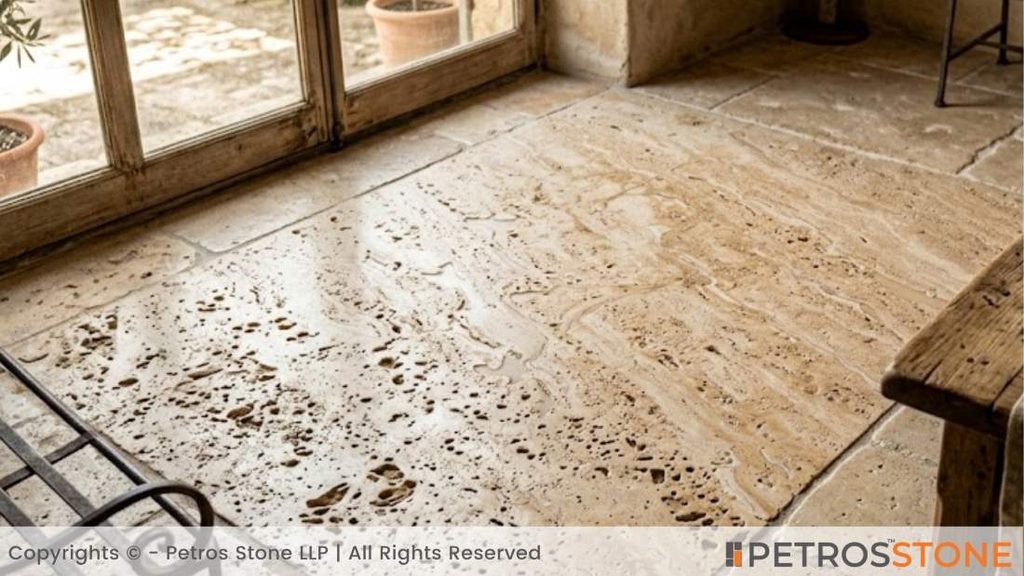
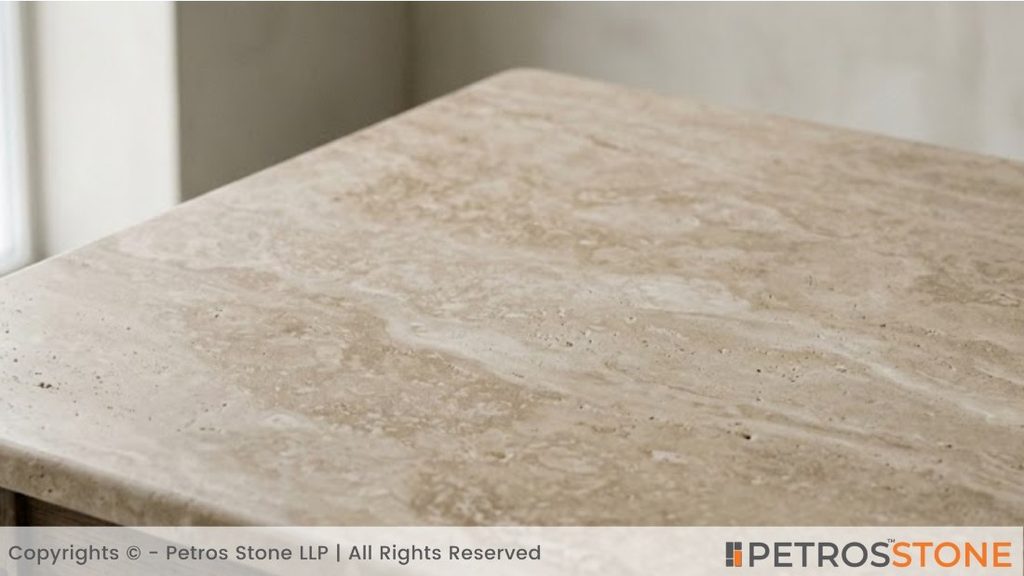
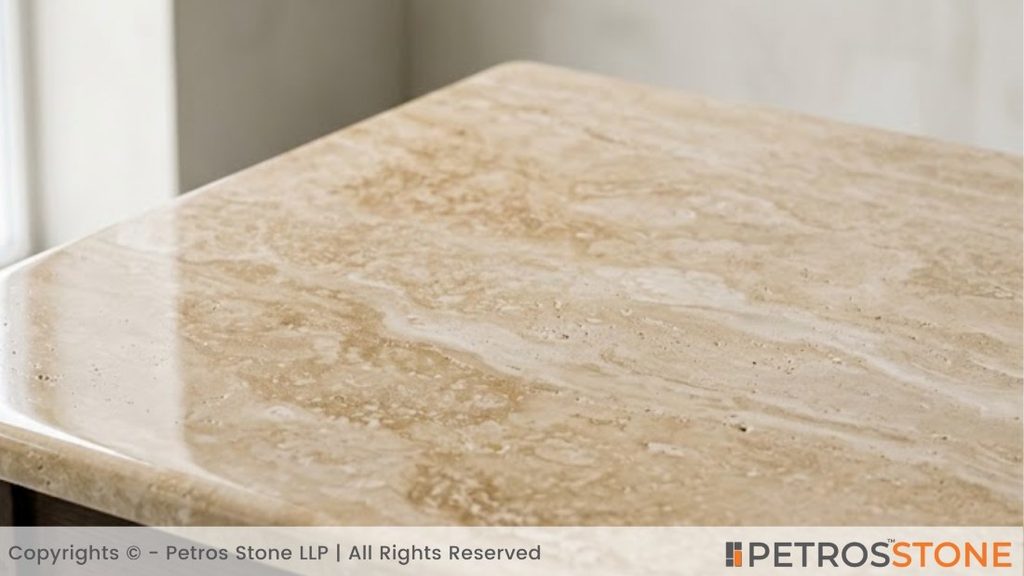
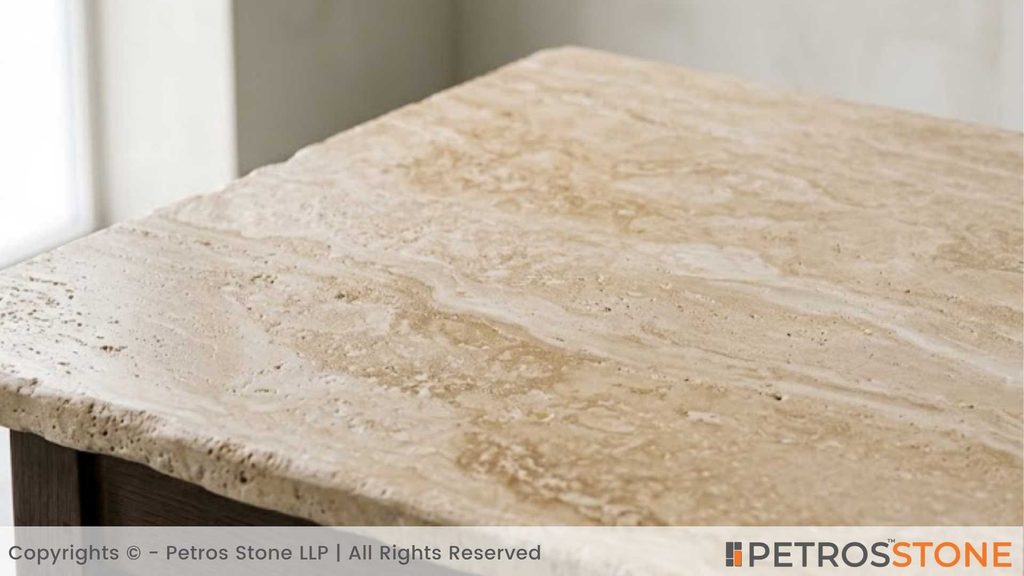
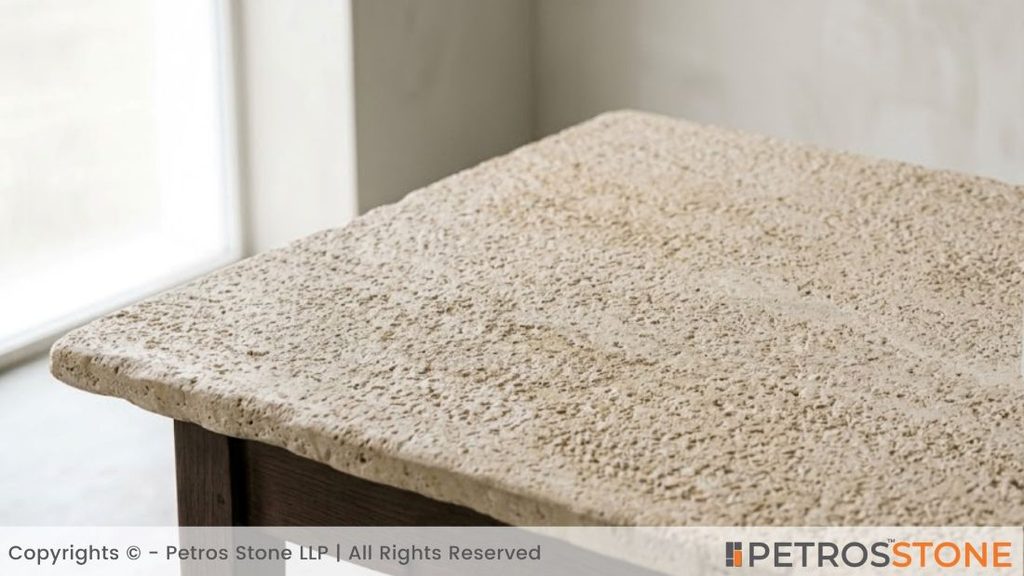
Table – Travertine Finishes
| Treatment / Finish | Appearance |
|---|---|
| Filled | Natural cavities filled with resin or cementitious material; smoother, more uniform surface. |
| Unfilled | Natural pores remain visible; rustic appearance with greater maintenance requirements. |
| Honed | Smooth, matte-to-satin surface with minimal sheen. |
| Polished | Smooth surface with a higher gloss and stronger colour depth. |
| Brushed | Textured, slightly aged appearance with enhanced natural character. |
| Sandblasted | Textured, more slip-resistant surface, often suitable for exterior or wet areas. |
Which Travertine Suits Exterior Facades?
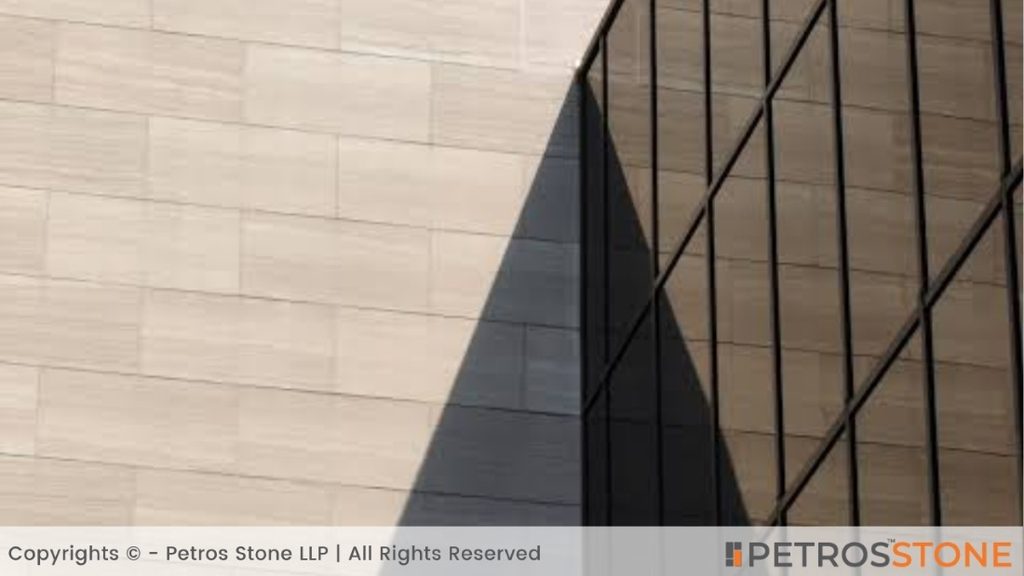
There is no universally best travertine for facades. Selection should consider water absorption, density, compressive and flexural strength, freeze-thaw performance, thickness, anchoring system, drainage, and local climate.
(Quarry & Factory Owner, STONEMAN, Iran)
“The most condensed and compact material is silver. Silver and red travertine — these two are really perfect. Also if I want to name the third one, it is the white travertine.”
This is a supplier field recommendation, not a freeze-thaw specification. For projects in freezing regions such as the USA or Canada, the specific material should be tested for the required application.
Lab testing establishes performance under defined conditions; field observation provides practical information about quarry behaviour, processing, and installation. Both are useful, but they should not be confused.
How to Identify Good and Poor-Quality Travertine
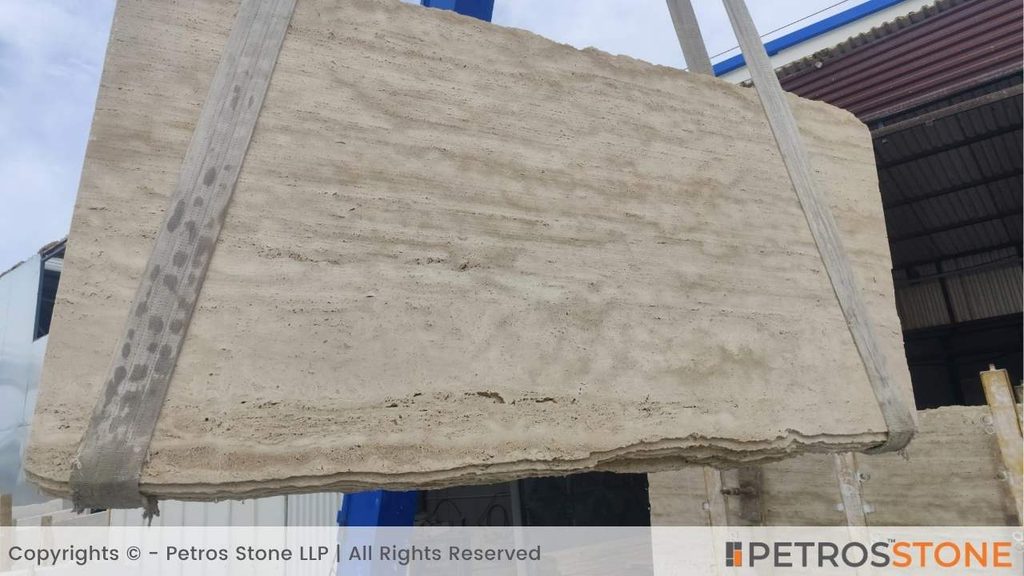
What visual inspection can tell you:
A careful visual check can reveal several important quality indicators:
- Cracks and fractures — hairline or structural, both are red flags
- Excessive open voids — natural pitting is normal, but overly large or numerous holes can weaken the stone
- Chipped or damaged edges — often a sign of poor handling or a lower-grade batch
- Inconsistent colour and veining — may indicate mixed-batch material or lower selection grade
- Excessive filling — heavy resin/grout filling can mask underlying voids or damage
- Poor calibration — uneven slab/tile thickness affects installation and finish quality
- Surface defects — scratches, pitting irregularities, or uneven finishing
What visual inspection cannot tell you:
Several critical technical properties are invisible to the naked eye and require laboratory testing to verify:
- Density
- Water absorption rate
- Compressive strength
- Flexural strength
- Freeze-thaw resistance
From Quarry to Finished Slab
Block selection is critical because processing cannot fully correct a structurally poor block.
Gang-saw cutting determines the visual pattern and affects yield. Resin treatment may be used where cracks, fissures, or surface conditions require reinforcement or filling, depending on the material and intended finish. Calibration controls thickness and surface consistency, which directly affects fabrication and installation.
Premium projects also require greater sorting and slab matching, which increases labour, waste, and ultimately price.
Does travertine need vacuum treatment before cutting?
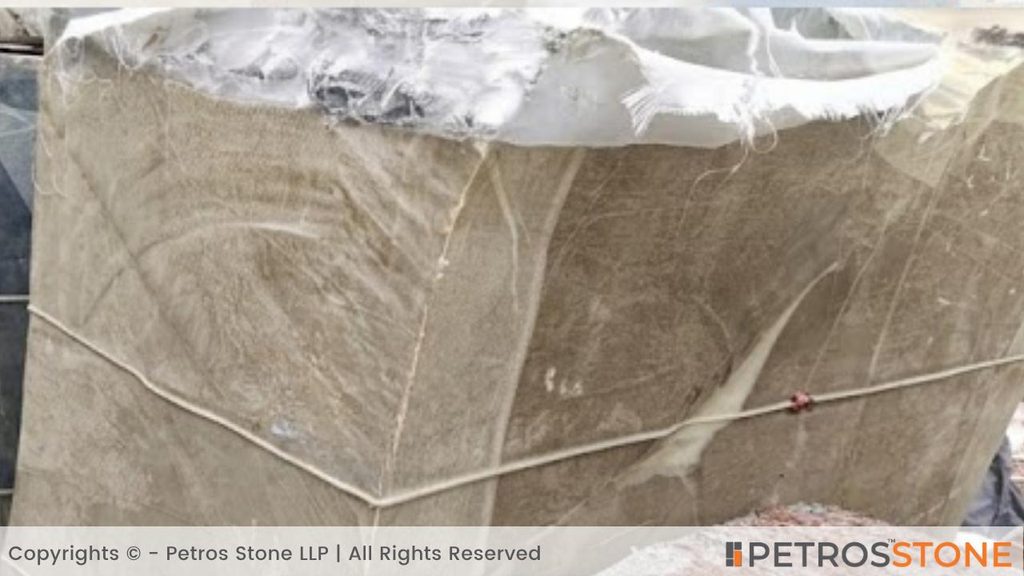
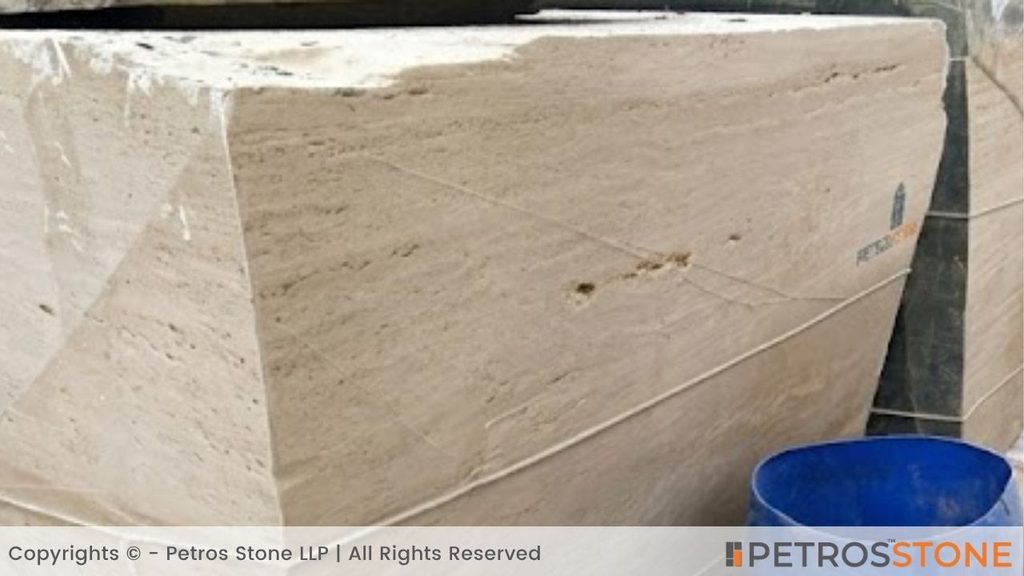
Mr. Mehdi explained that sound travertine does not automatically require vacuum treatment before gang-sawing:
“If you don’t see any break in the block, or any fracture, or any crack inside the block… for the travertine, vacuuming is not necessary.”
Yasaman gave a similar view:
“No need to vacuum. Travertine, no need to vacuum… some blocks are okay… without any cracks… then resin for polish.”
This describes the suppliers’ normal practice rather than a universal technical requirement. The appropriate process depends on block condition, fractures, porosity, intended finish, and factory process controls.
Mix Selection vs. Clean & Sorted Travertine
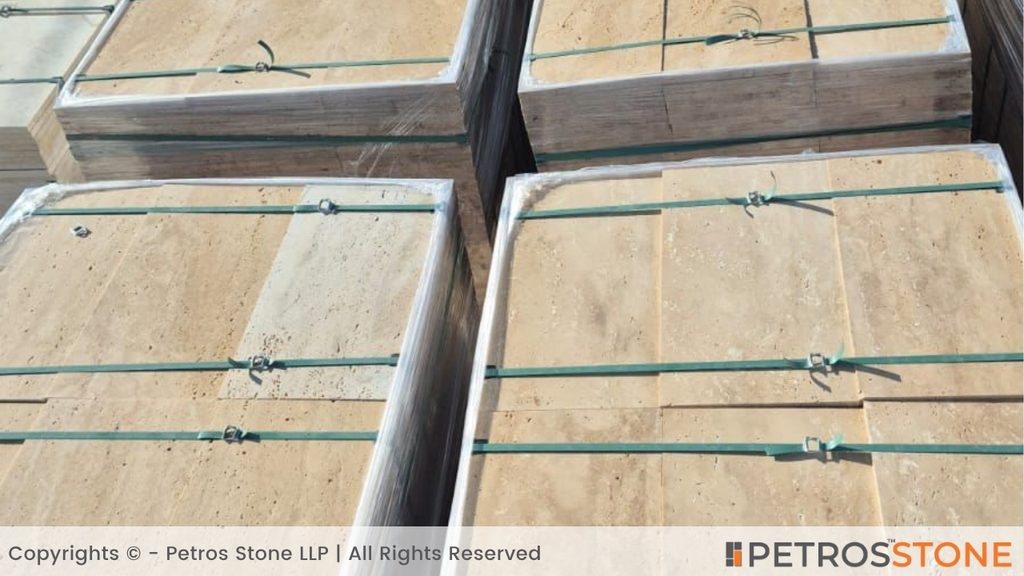
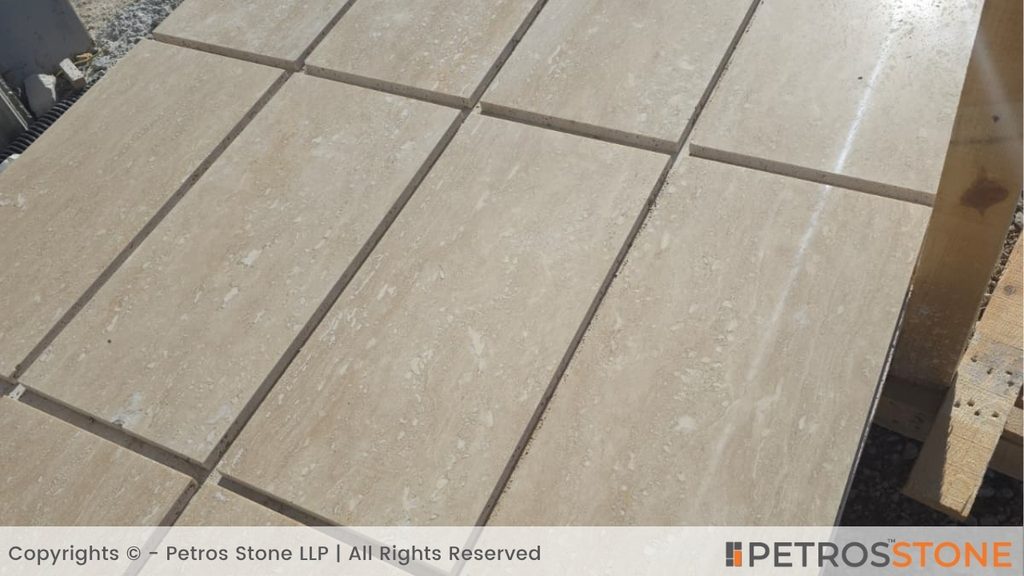
Mix selection allows greater variation in colour and veining, reducing sorting costs and making it suitable for rustic or naturally varied projects.
Clean and sorted selection offers tighter control over colour and veining and is better suited to luxury projects requiring visual continuity. It costs more because additional sorting reduces usable yield.
The difference affects not only price but also waste, bookmatching, replacement matching and installation sequencing.
Consistency Across Repeat Orders
Travertine is a natural material, so repeat-order consistency depends heavily on quarry, block selection, and sorting.
Mr. Mehdi described his approach as personally inspecting export blocks and rejecting material that does not meet the expected quality:
(Quarry & Factory Owner, STONEMAN, Iran)
“Every material is manually and physically checked.”
At Petros Stone LLP, we partner with trusted companies and have direct access to quarries, ensuring that strong quarry relationships help us maintain consistent quality and material across repeat orders and large-scale projects.
He also highlighted a common buyer concern: photographs can be taken under lighting or angles that make material appear different from the actual slab. For repeat orders, buyers should therefore request actual block and slab photographs, multi–angle videos, lot identification, and approval samples wherever possible.
What Architects and Designers say about Travertine
1. WWD — “Travertine, the Stone That Built the Colosseum, Is Having a Moment.” Designer Mick De Giulio, founder of de Giulio design, describes travertine as the “consummate classic stone” — one that feels equally at home in a minimalist space or a bold, statement-making one. His firm has used it for everything from a fireplace mantel paired with hot-rolled steel to floor-to-ceiling wall tiles, and he particularly favors combining it with metal finishes. The piece also notes Patricia Urquiola’s travertine outdoor tables for Cassina and a travertine furniture collection by emerging designer Haydn von Werp, shown at Paris Design Week. (Source: WWD)
2. 1stDibs — “Ancient Travertine Is Having a Modern-Day Design Revival.” The article credits interior designer Kelly Wearstler with popularizing travertine’s contemporary comeback through the archways of her Santa Monica Proper hotel project. L’Aviva Home creative director Laura Aviva notes that travertine carries a “retro association” from its 1970s heyday, yet reads as sleek and modern today—calling it endlessly versatile across different design applications. Carlo Scarpa’s 1985 Argo dining table is cited as an enduring example of the material in furniture design. (Source: 1stDibs)
3. Pistore Marmi — “Travertine: the Charm of an Eternal Material for Design Projects.” This piece traces travertine’s design pedigree from ancient use in Roman temples and baths to landmark 20th-century architecture, including Mies van der Rohe’s Barcelona Pavilion. It highlights designers Vincenzo De Cotiis and Julie Hillman as contemporary names who have chosen travertine for distinctive, timeless interior elements.
(Source: Pistore Marmi)
Simple Checklist for Buying Travertine
| Verification Point | What the Buyer Should Confirm |
|---|---|
| Country & Quarry of Origin | Confirm the country and specific quarry where the travertine was extracted. |
| Block / Lot Number | Verify the exact block or production lot allocated to the order. |
| Actual Material Photos & Videos | Request current photographs and videos of the actual blocks, slabs, or finished material—not catalogue images. |
| Selection / Grade | Confirm the supplier’s definition of the agreed selection or commercial grade. |
| Thickness & Calibration | Confirm nominal thickness and permitted calibration/thickness tolerance. |
| Cut Direction | Confirm whether the material is Vein Cut or Cross Cut, as specified for the project. |
| Filled / Unfilled | Confirm whether the travertine will be supplied filled, unfilled, or otherwise treated, according to the agreed specification. |
| Surface Finish | Confirm the required finish, such as polished, honed, brushed, tumbled, or another specified finish. |
| Density & Water Absorption | Obtain verified laboratory or technical data for density and water absorption. |
| Compressive & Flexural Strength | Confirm available test data for compressive and flexural strength against project requirements. |
| Freeze-Thaw Performance | Where applicable, verify freeze-thaw resistance/performance for the intended climate and application. |
| Packing Method | Confirm crates, pallets, protective materials, wrapping, labelling, and loading method. |
| FOB / CIF Price Basis | Confirm whether the quoted price is FOB, CIF, or another agreed Incoterm, including the relevant destination. |
| Replacement Policy | Confirm the supplier’s policy for replacement of material that does not meet the agreed specification. |
| Damage-in-Transit Procedure | Establish the inspection, documentation, claim, and replacement procedure for transit damage. |
FAQs
What are the main types of travertine?
Travertine is commonly classified by origin, colour, quarry or trade name, cut and finish. Popular commercial types include White, Beige, Noce, Silver, Titanium, Red, Giallo, Navona, Roman and Scabos.
What is the difference between Italian, Turkish and Iranian travertine?
All three origins produce overlapping colours and qualities. Italy has the strongest historical association with travertine, Turkey has the largest production base, and Iran offers a broad range of colours and quarry sources. Origin alone does not determine quality; quarry, block, selection, and technical properties matter more.
Is Silver Travertine the same everywhere?
No. Silver Travertine can vary significantly between quarries and countries in colour, veining, porosity, and technical properties.
What is the difference between vein-cut and cross-cut travertine?
Vein-cut generally creates linear, directional veining, while cross-cut produces a more cloud-like pattern. Buyers should confirm the terminology with the supplier because formal terminology can differ.
Is Titanium Travertine a specific geological stone?
No. Titanium is primarily a commercial appearance name, commonly applied to darker or narrow-veined silver travertine.
Can travertine be used outdoors in freezing climates?
Yes, but suitability depends on the specific stone’s absorption, density, strength, and freeze-thaw performance, as well as installation detailing. Colour or trade name alone cannot establish suitability.
Key Takeaways
- Commercial trade names like Silver, Titanium, and Noce are not internationally standardized, so buyers must specify the exact quarry, block, cut, and grade.
- Cut direction transforms visual texture, with vein-cut producing linear banding and cross-cut creating cloud-like patterns.
- Choosing between filled, unfilled, honed, polished, brushed, sandblasted, or tumbled finishes drastically alters both appearance and maintenance demands.
- Visual inspection reveals surface defects and open voids, but lab testing is required to verify density, strength, water absorption, and freeze-thaw durability.
- Geographic origin from Italy, Turkey, or Iran does not guarantee technical performance, making physical testing and clean selection sorting essential for quality assurance.

Tapas Koul leads editorial direction and content strategy at Petros® Stone, bringing over 15 years of combined experience in e-commerce, publishing, and digital communication. His work spans research, strategy, and communication, with a focus on natural stone, its technical properties, processing, and architectural applications. Collaborating with Petros® Stone’s production team, laboratory experts, and specialists, he translates industry knowledge into clear, engaging content and communication for diverse audiences.
Feel free to get in touch for a free consultation, quote, and get a detailed understanding from our experts here at Petros®. Visit www.petrosstone.com or call +91-8446360361 or WhatsApp

Brown Granite

White Galaxy Granite

Blue Bahia Granite

Silver Cloud Granite

Black Pearl Granite

Dallas White Granite