If you have been evaluating premium countertops recently, you already see the shift. The conversation is no longer ‘Marble vs. Granite.’ In 2026, the serious discussion is about quartzite.
This change is not marketing-driven hype. It is performance-driven demand.
From Florida waterfront residences to Midwest luxury remodels, quartzite has become the preferred natural surface in high-value projects. We at Petros® Stone are not observing this trend from a distance, we are shipping into it.
In January 2026, we supplied Taj Mahal quartzite slabs to a luxury residential developer in Florida. The specification requirement was not simply color approval. The client requested documented ASTM C97 water absorption reports below 0.3%, slab calibration tolerance within ±1mm, and confirmation of resin treatment method.
This is what 2026 buyers expect – verified performance.
In this article, we explain why Quartzite has become one of the most specified natural surfaces in 2026 for luxury kitchens and architectural projects. It covers real market demand, geological origin, ASTM-tested performance values, factory processing methods, pricing structure, and buyer risks. The guide also shares field observations from real installations and explains how to select the right quartzite grade for long-term durability.
- Market Reality
- Why Quartzite Performs Differently
- Why is Quartzite So Popular?
- Laboratory Test Results (ASTM & BIS Standards)
- Field Observation vs Laboratory Testing
- Factory Processing – What Buyers Rarely See
- 2026 Design Trends
- Transparency – Costs and Risks
- Understanding Quartzite Grades
- Installation Best Practices (Climate-Specific)
- Buyer Risk Warnings
- Sustainability and Longevity
- Key Takeaways
Market Reality
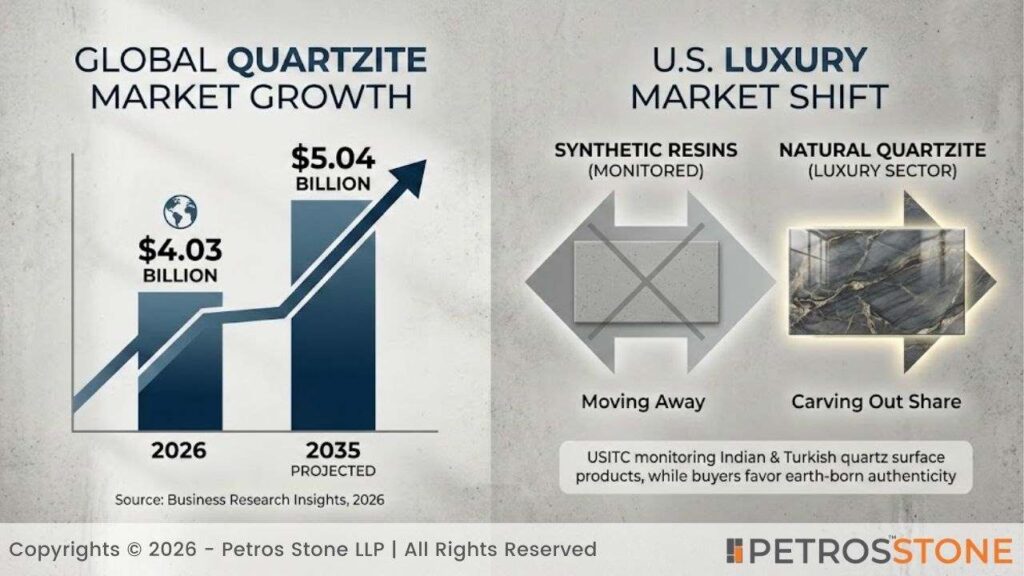
The global quartzite market was valued at approximately $4.03 billion in early 2026, with projections crossing $5 billion by 2035 (industry research estimates).
On the export front:
- India continues to increase its quartzite slab exports under HS Code 680293.
- Trade data compiled by the Directorate General of Commercial Intelligence and Statistics (DGCI&S) under the Ministry of Commerce shows steady year-on-year growth in high-value stone exports.
- Export promotion councils such as CAPEXIL report strong demand from the U.S. luxury residential segment.
In the United States, this trend is undeniable. While the U.S. International Trade Commission (USITC) continues to monitor quartz surface products from India and Turkey, natural quartzite is carving out a massive share in the high-margin ‘luxury’ sector. Buyers are moving away from synthetic resins in favor of earth-born authenticity.
The shift is structural and not seasonal.
Why Quartzite Performs Differently
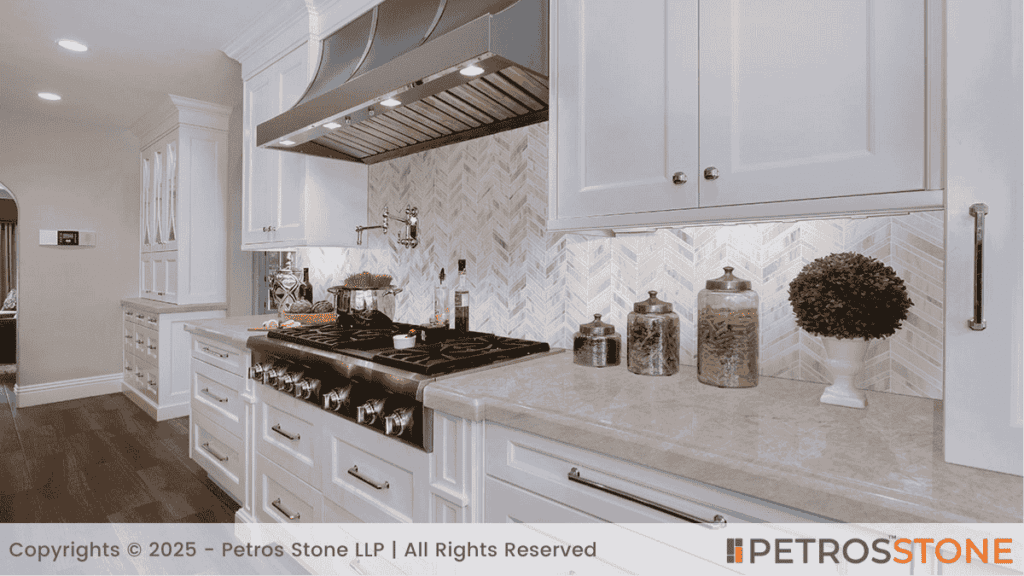
Quartzite is a metamorphic rock formed when sandstone undergoes extreme heat and pressure. According to geological mapping studies by the Geological Survey of India, Indian quartzite belts in Rajasthan and parts of Madhya Pradesh contain high silica content exceeding 90–95%.
High silica composition directly influences:
- Density
- Hardness
- Water absorption
- Scratch resistance
Brazilian quartzite deposits show similar mineral transformation, although grain structure and background warmth differ due to regional metamorphic history.
This geological authenticity is why quartzite behaves fundamentally differently from marble or resin-bound quartz surfaces.
Why is Quartzite So Popular?
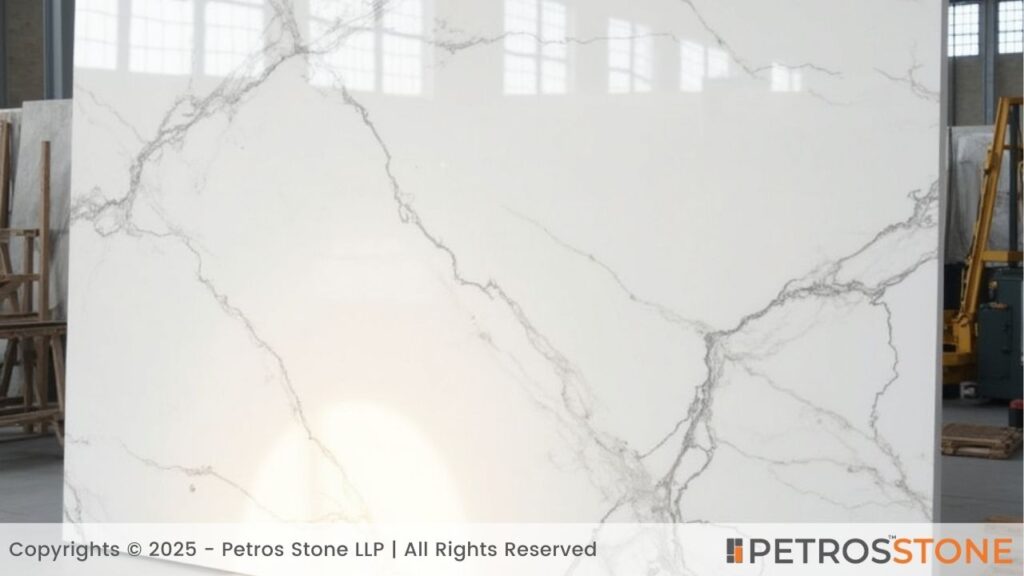
Quartzite’s rise in demand comes down to solving the ‘Marble Dilemma.’ People want the smooth veins of Calacatta marble without the permanent marks called etching caused by wine or lemon juice.
Quartzite is structurally superior. As an authentic metamorphic rock, its performance is governed by ASTM C616 (Standard Specification for Quartz-Based Dimension Stone):
| Property | Quartzite Performance (ASTM Standards) | Why It Matters |
| Hardness (Mohs) | 7 | Harder than glass; highly scratch-resistant. |
| Water Absorption | 0.2% – 0.6% (ASTM C97) | Drastically lower than marble, preventing stains. |
| Compressive Strength | 180 – 300 MPa (ASTM C170) | Superior load-bearing for massive kitchen islands. |
As one prominent New York architect recently noted in a Natural Stone Institute discussion:
“I stopped specifying marble for kitchen islands years ago. Quartzite gives that high-end aesthetic without the frantic call about lemon juice etching six months later.”
Laboratory Test Results (ASTM & BIS Standards)
Performance values should always be separated from marketing claims.
Below are laboratory-tested parameters based on ASTM International standards and aligned with BIS stone testing protocols:
| Property | Standard | Quartzite Range | Why It Matters |
|---|---|---|---|
| Density | ASTM C97 | 2.60–2.75 g/cm³ | Indicates structural compactness |
| Water Absorption | ASTM C97 | 0.2% – 0.6% | Lower staining risk vs marble |
| Compressive Strength | ASTM C170 | 180 – 300 MPa | Supports large island spans |
| Flexural Strength | ASTM C99 | 15 – 25 MPa | Relevant for 20mm slabs |
| Hardness | Mohs Scale | ~7 | Resists knife scratches |
These values classify quartzite under ASTM C616 – Quartz-Based Dimension Stone.
Field Observation vs Laboratory Testing
Laboratory data tells one story. Field performance tells another.
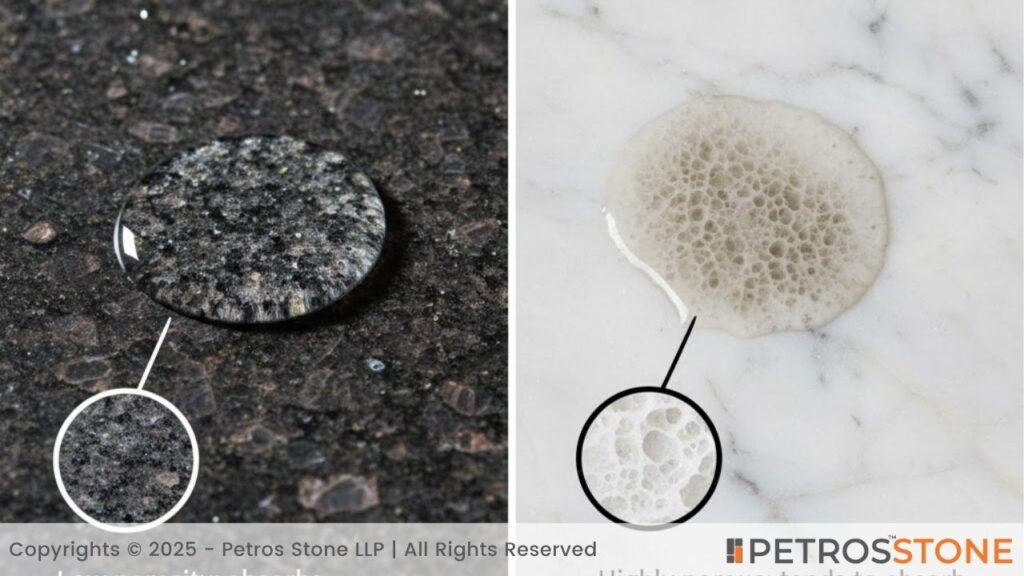
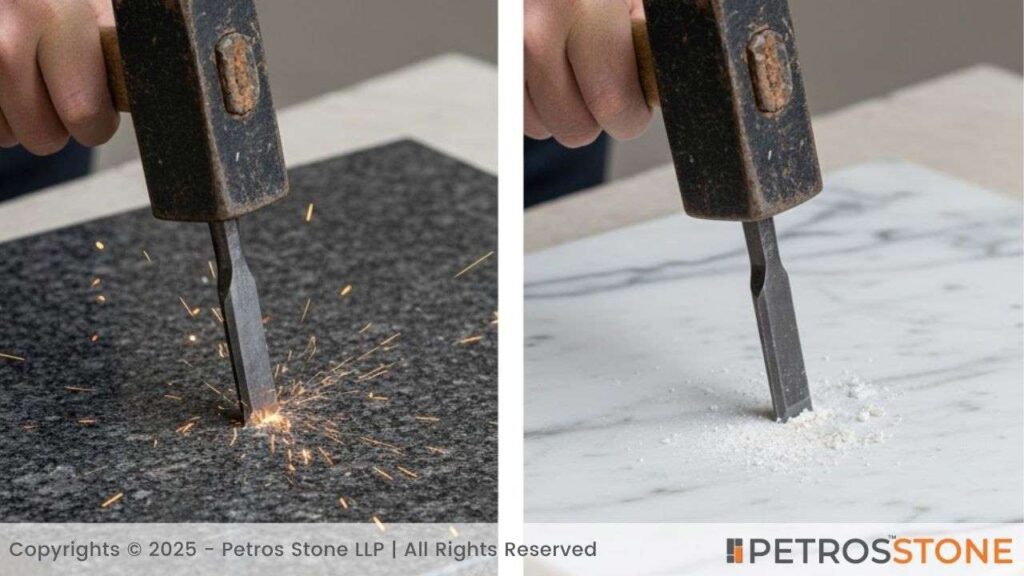
Lab Testing
- Controlled environment
- Oven-dried samples
- Measured absorption under standardized pressure
- No UV exposure simulation
Real-World Site Performance (Field Experience)
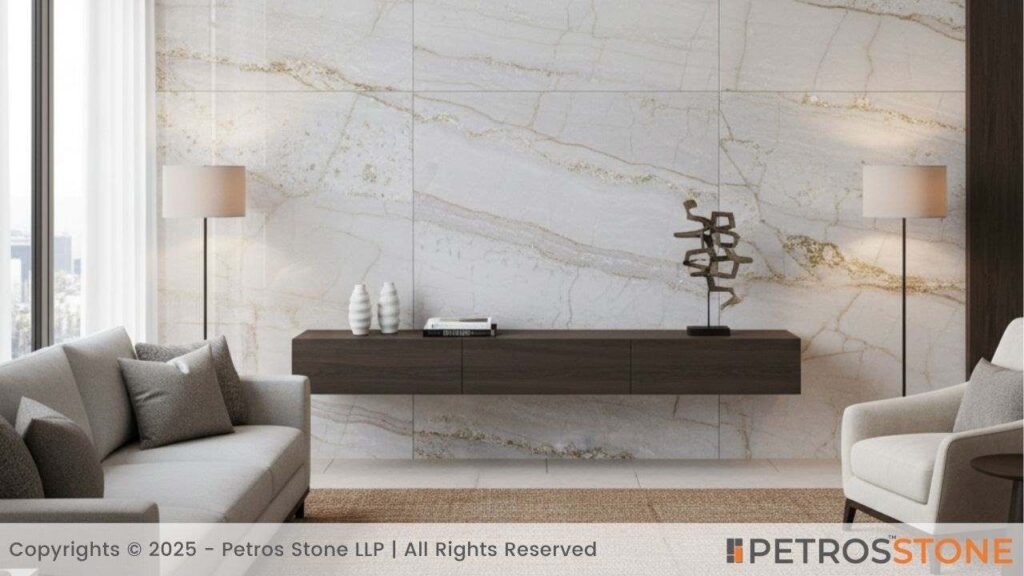
From projects executed in humid Florida and dry Texas climates, we observe:
- Honed finishes show mild darkening when exposed to oils unless sealed properly.
- Resin-treated slabs perform better in coastal humidity.
- UV exposure does not cause yellowing — unlike engineered quartz containing polymer resins.
- Fissures are natural and cosmetic, not structural failure points.
Understanding this distinction is critical for architects and homeowners.
Factory Processing – What Buyers Rarely See
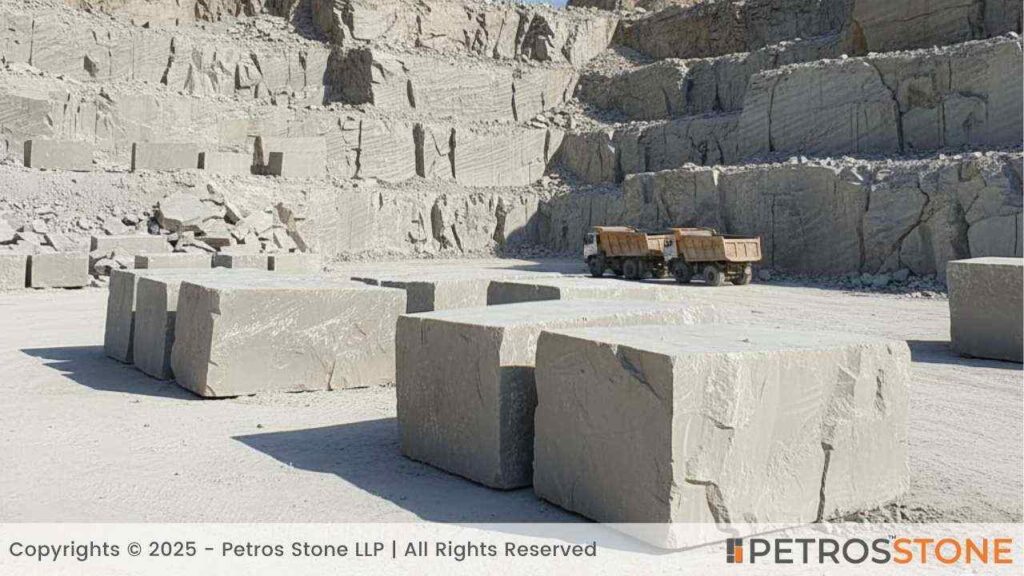
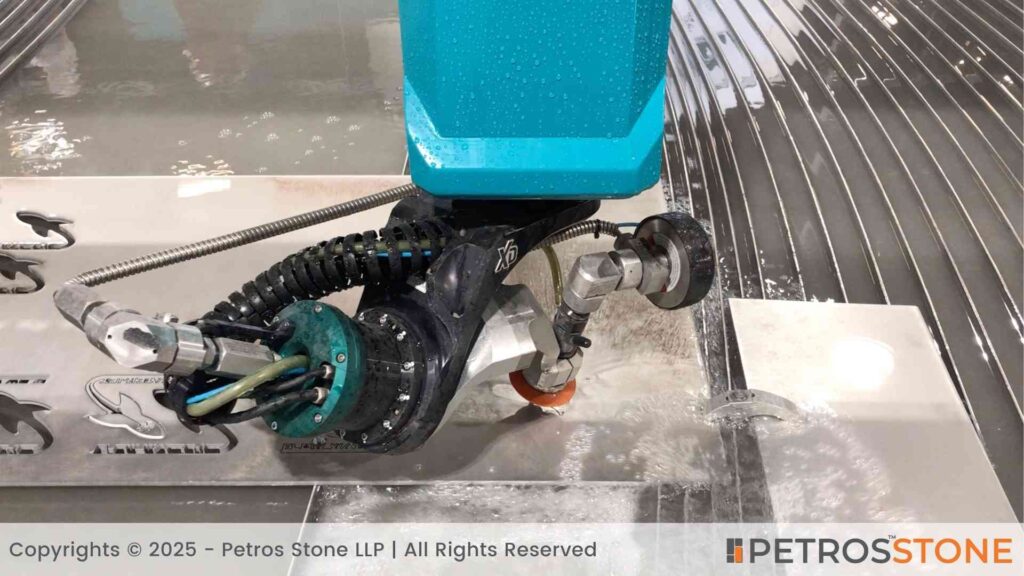

Quartzite slabs undergo multiple processing stages before export:
- Block extraction at quarry.
- Gang saw cutting (multi-blade calibration critical for thickness accuracy).
- Epoxy resin vacuum treatment to fill micro-fissures.
- Oven curing for resin stabilization.
- Surface polishing or leather finishing.
- Edge trimming and final slab calibration (±1mm tolerance).
Improper resin curing or uneven gang saw calibration can lead to:
- Warping
- Thickness inconsistency
- Edge chipping
2026 Design Trends
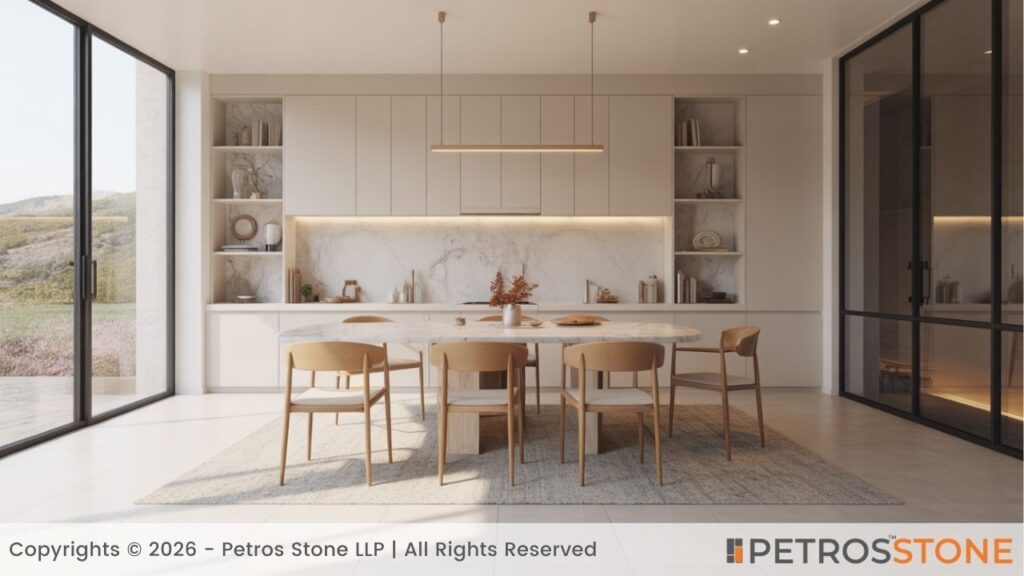
The ‘all-white kitchen’ defined the 2010s, but 2026 leans toward warmth and a ‘Quiet Luxury’ style.
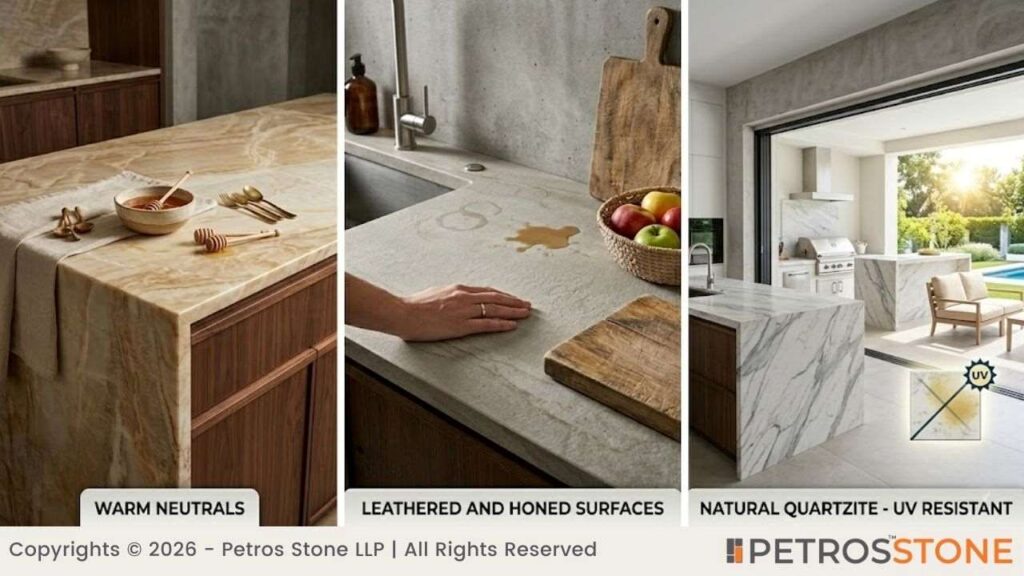
- Warm Neutrals – Homeowners are choosing tones like honey, gold, and ecru. Popular options such as Taj Mahal provide a creamy base that looks great with walnut cabinetry.
- Leathered and Honed Surfaces – Shiny, mirror-like finishes are becoming less popular. Leathered Quartzite adds a light texture that hides fingerprints and watermarks—perfect for a busy home.
- Indoor-Outdoor Continuity – Because quartzite is highly resistant to UV radiation—unlike engineered quartz, which contains resins that can yellow in the sun—it is the top choice for patio kitchens.
Transparency – Costs and Risks
To maintain transparency, we must talk about the ‘Landed Cost.’ While often labeled ‘premium,’ here is what the 2026 market actually looks like for Standard Export Grade (20mm):
- FOB India/Brazil: $75–$115 per m²
- Landed U.S. Retail: $90–$210 per sq. ft. (Installed)
Installed pricing includes:
- Fabrication
- Edge profiling
- Sink cut-outs
- Installation labor
- Retail margin
Price varies by:
- Grade (Commercial vs Export Select)
- Resin treatment quality
- Vein consistency
- Freight volatility
The Reality Check: No stone is perfect.
At Petrosstone, we always advise clients on two main risks:
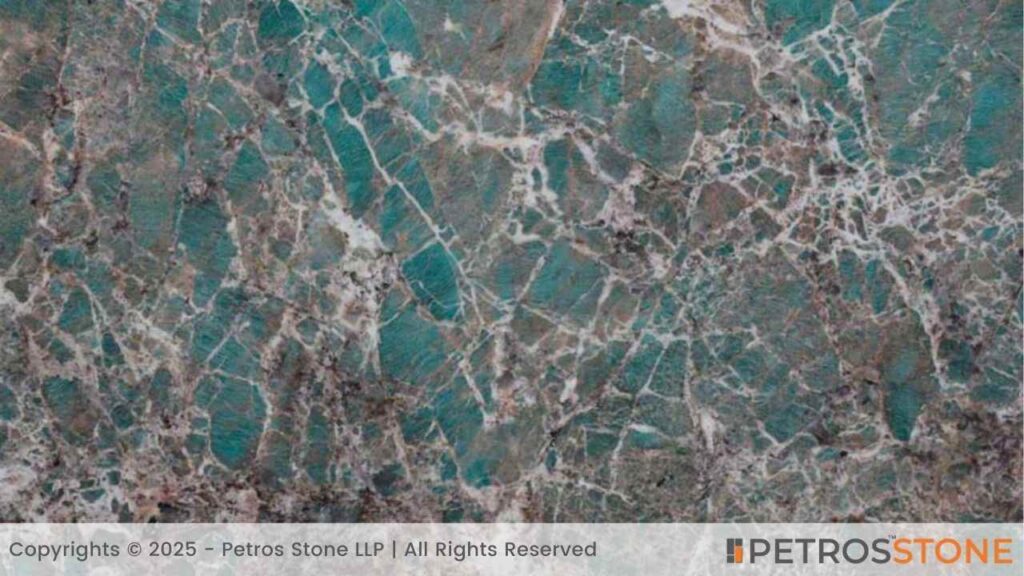
Natural Variation: Since this is a product of the earth, your actual slab will vary from the sample. We recommend a live video inspection of your specific block before it leaves the factory.
Sealing Requirements: While dense, quartzite is still porous. It must be sealed upon installation to maintain its 0.2% absorption rating.
Understanding Quartzite Grades
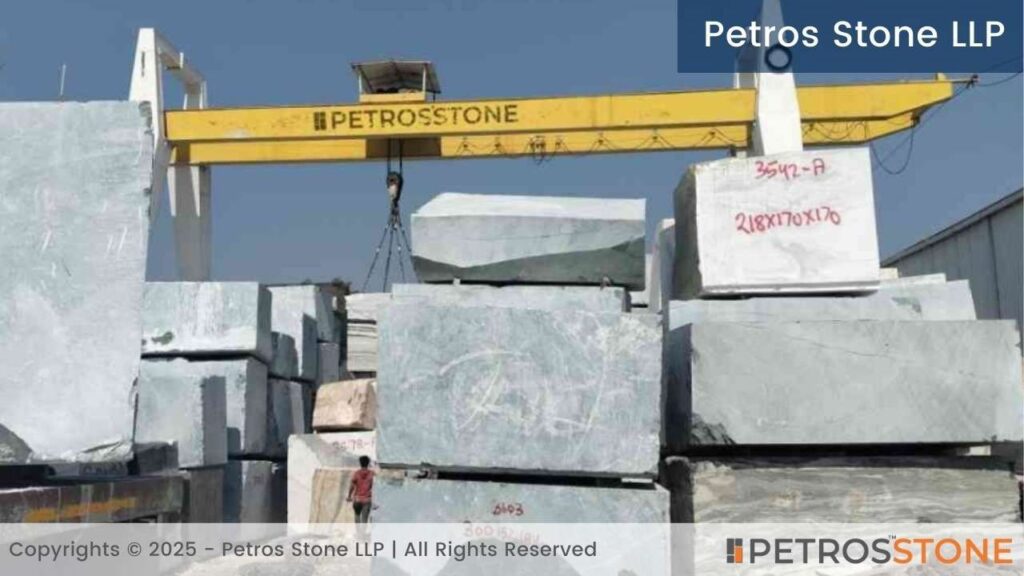
Quarry Grade
Raw block classification based on color consistency.
Commercial Grade
Higher natural variation, minor fissures acceptable.
Export Grade (Select)
Tighter pattern control, better calibration, premium block section.
Mislabeling lower grade material as premium remains a real risk in global trade.
Installation Best Practices (Climate-Specific)
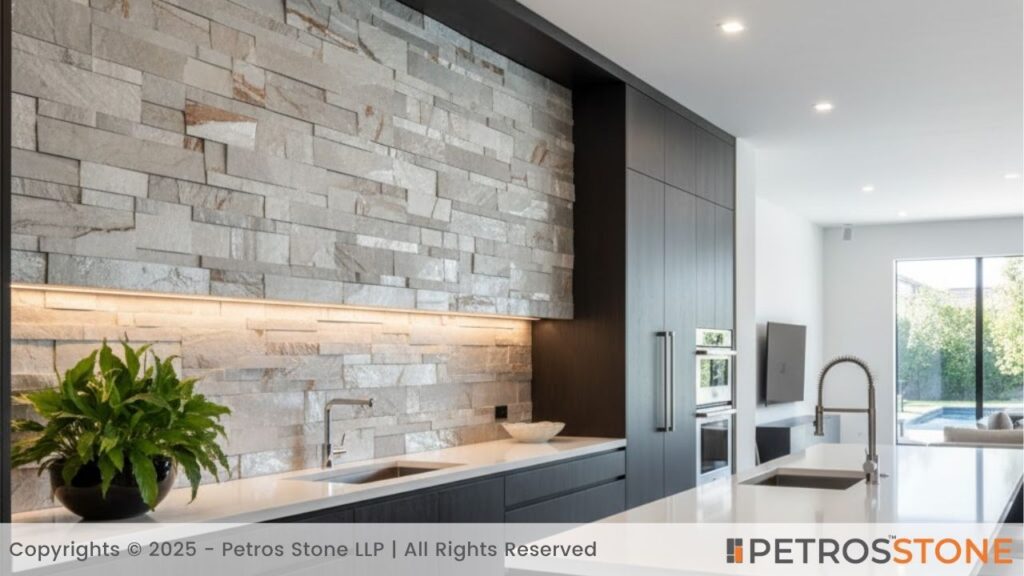
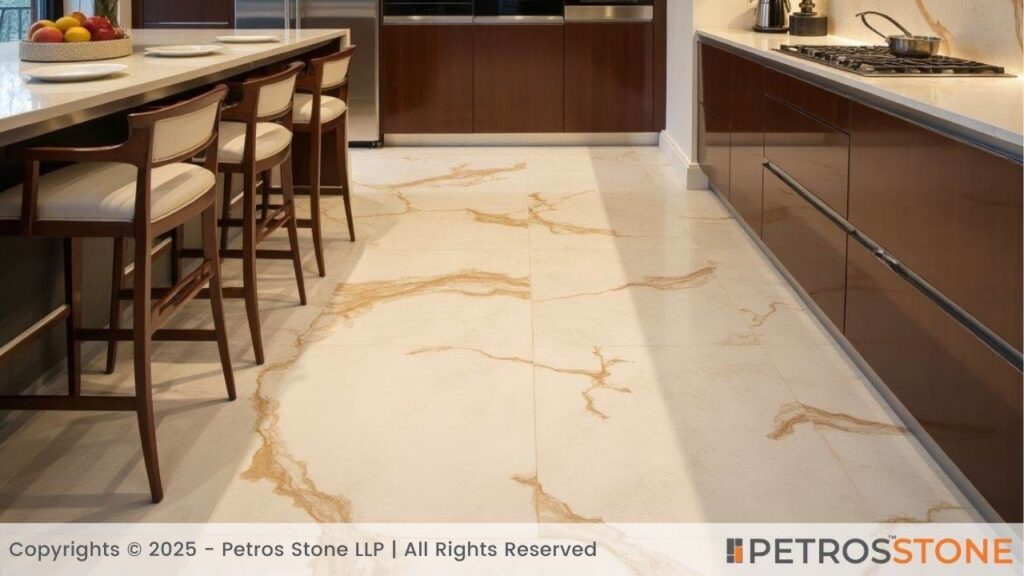
Florida (High Humidity)
- Use solvent-based penetrating sealer.
- Allow 24-hour cure before heavy use.
Northeast (Freeze-Thaw Regions)
- Ensure flexible adhesive systems.
- Avoid water pooling near edges.
Southwest (High UV Exposure)
- Maintain expansion gaps.
- Prefer 20mm slabs for structural rigidity outdoors.
Buyer Risk Warnings
No stone is flawless.
Be cautious of:
- “Soft quartzite” (often dolomitic marble misrepresented)
- Over-resined slabs hiding structural cracks
- Bookmatched slabs from different block lots
- Unrealistic low pricing without absorption reports
Always request:
- ASTM C97 & C170 lab reports
- Block photos
- Live slab inspection
- Thickness tolerance confirmation
Sustainability and Longevity
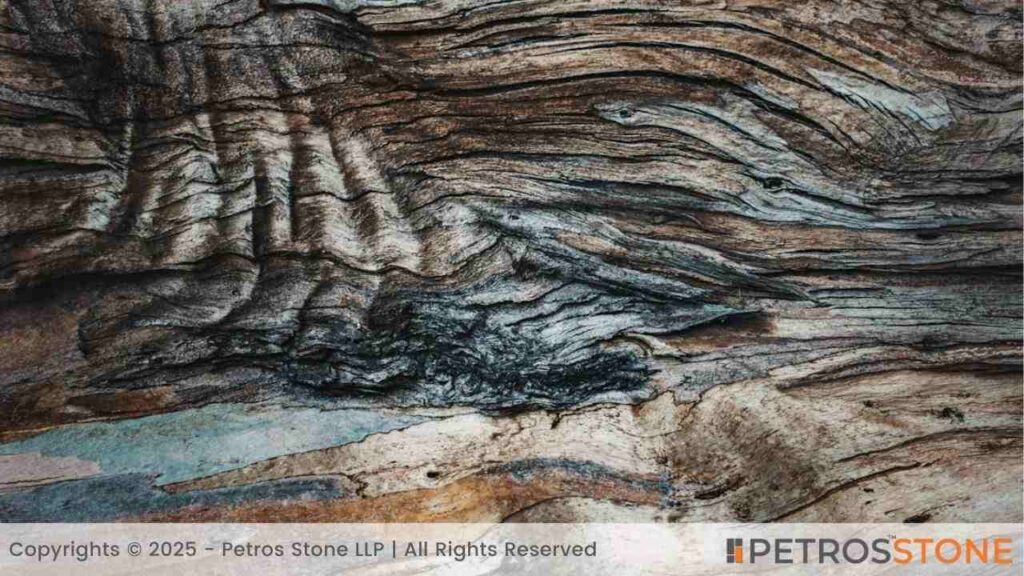
A study published in the Journal of Cleaner Production highlights that natural stone has a significantly lower carbon footprint over its lifecycle compared to synthetic alternatives. It requires no chemicals or resins to ‘create’ — only the energy to extract and craft it.
Key Takeaways
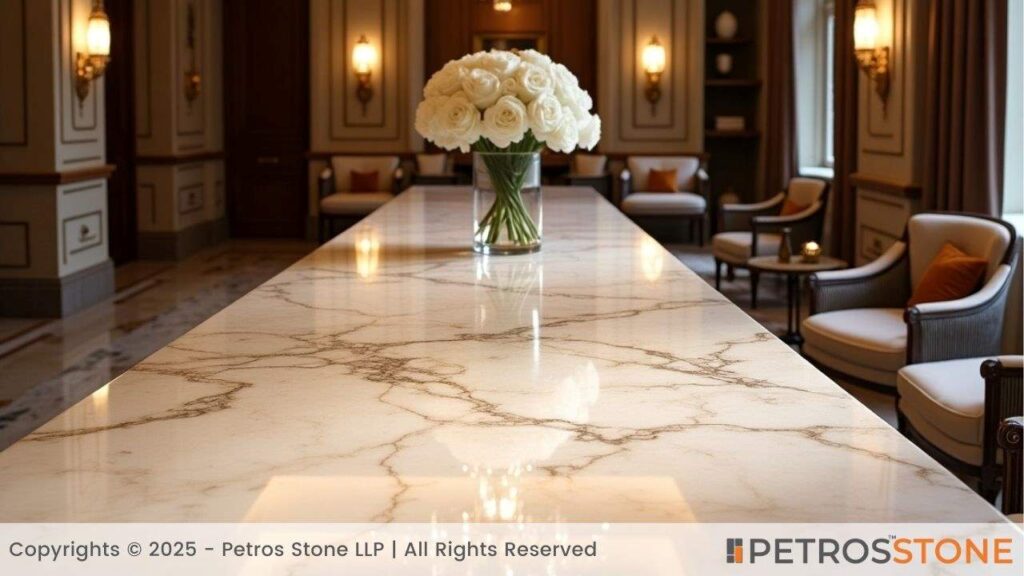
Quartzite’s dominance in 2026 is not trend-driven — it is performance-driven.
It offers:
- Marble-like elegance
- Granite-level durability
- Outdoor compatibility
- Verified structural integrity
When selected carefully, tested properly, and installed professionally, quartzite becomes a generational surface.
The modern buyer does not want just beauty. They want proof.
Quartzite provides both.
Feel free to get in touch for a free consultation, quote, and get a detailed understanding from our experts here at Petros®. Visit www.petrosstone.com or call +91-8446360361 or WhatsApp

Brown Granite

White Galaxy Granite

Blue Bahia Granite

Silver Cloud Granite

Black Pearl Granite

Dallas White Granite