Silica is a natural mineral present in sand, stone, and many of the materials we use daily. Due to its strength and durability, it plays an important role in surfaces used in kitchens, bathrooms, and even commercial spaces. But have you ever considered what is really in the worktops you use every day?
When it comes to quartz, traditional options usually contain a high amount of silica. However, over time, concerns around this high silica content have grown significantly. This is where low-silica quartz comes in. These newer surfaces are designed with much less silica and are increasingly being presented as capable of delivering similar performance, while also being safer and more environmentally friendly.
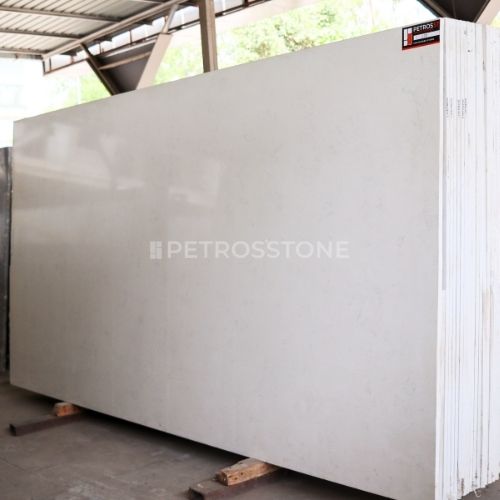
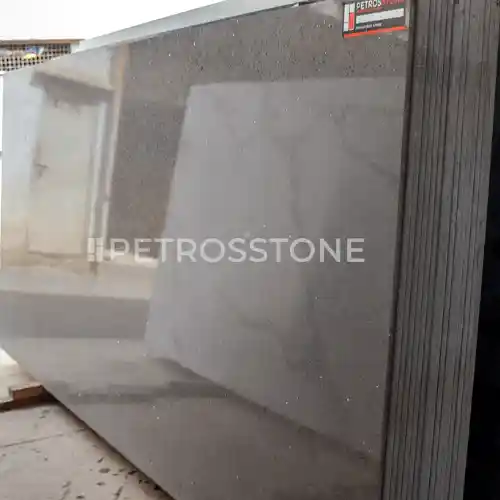
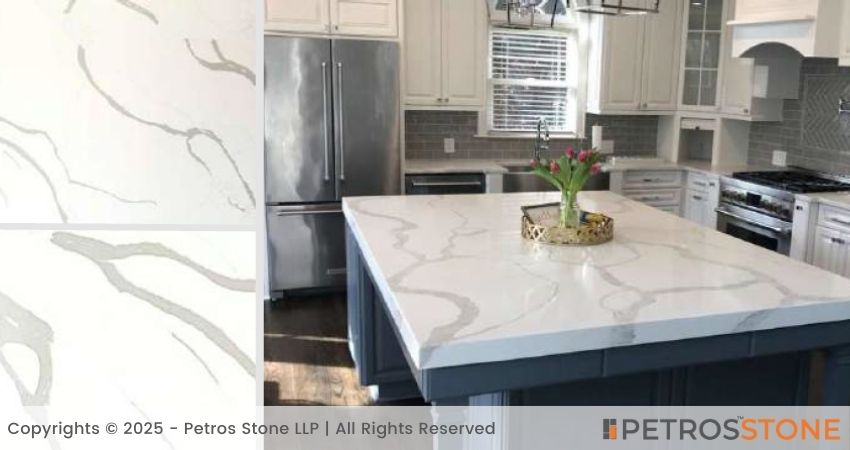
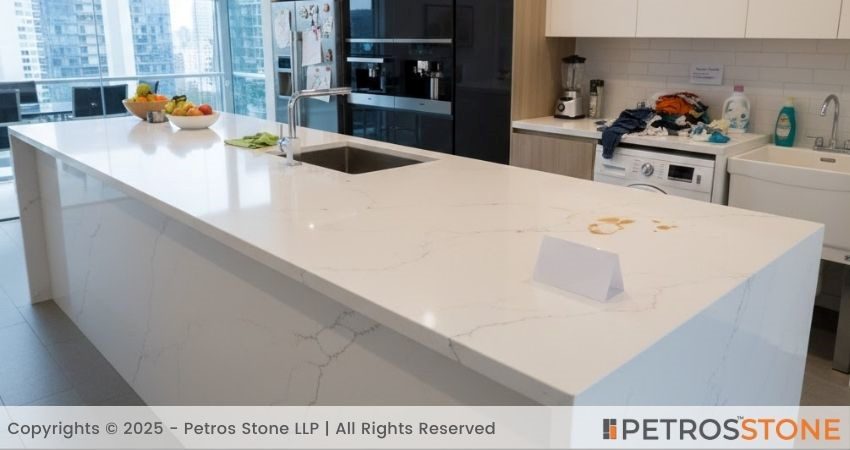
In this article, we will explore what low-silica quartz is, why it is becoming popular, where it can be used, and what you should know before choosing it for your space.
- Know About Low Silica Materials
- Why Low Silica Quartz Is Gaining Attention in the Stone Industry?
- Tested Performance – Low Silica Quartz
- Low Silica Quartz Slabs Applications
- Pros and Cons
- Thickness and Standard Size
- Average Price List
- Why Traditional Quartz Became a Problem
- Low Silica Quartz vs Standard Quartz
- Table – Low Silica Quartz vs Standard Quartz
- Get Some Maintenance Tips
- Where to Buy?
- FAQs
- Key Takeaways
Know About Low Silica Materials
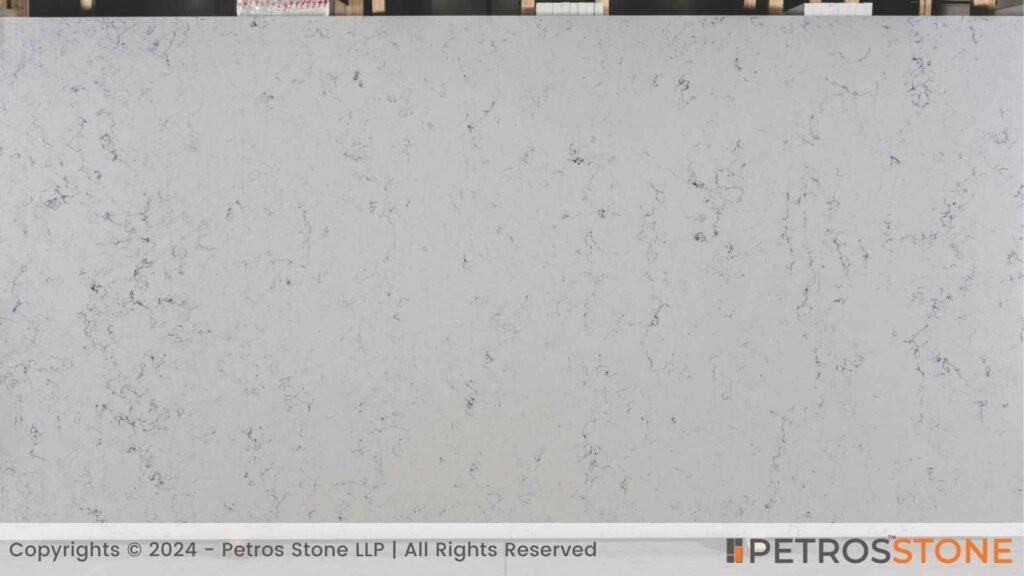
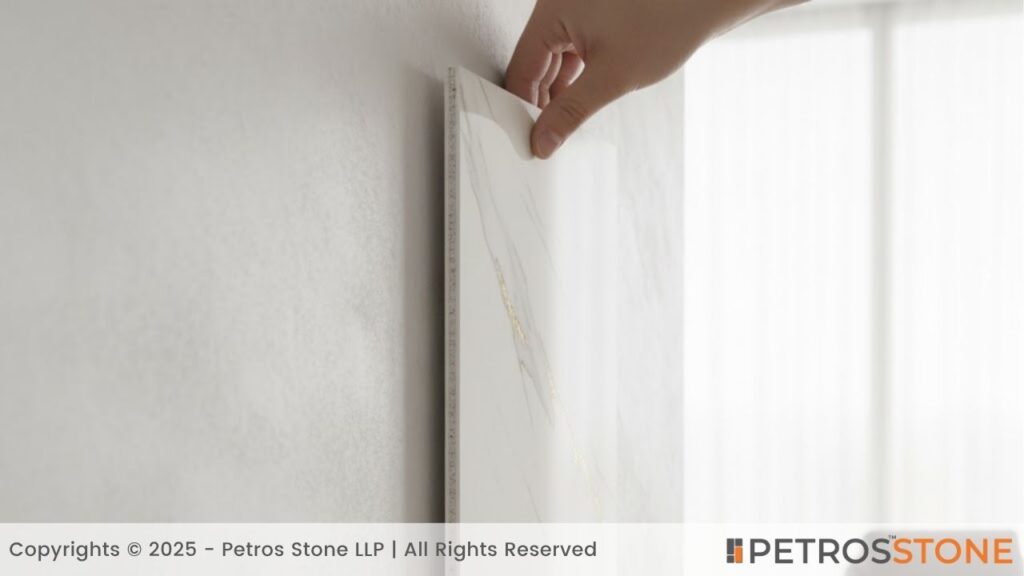
Low silica materials are engineered surfaces that use alternative compositions with less than 5–10% silica. They often combine bio-resins, recycled glass, and other minerals to create a strong, non-porous surface suitable for countertops and other applications.
Unlike traditional quartz, which relies heavily on crystalline silica for hardness, low silica options achieve similar durability using modern binding technologies. Plus, this reduces the risk of inhaling silica dust during fabrication, which makes them safer for workers and more sustainable for the environment.
Why Low Silica Quartz Is Gaining Attention in the Stone Industry?
Quartz worktops have been a go-to choice for a long time. They are strong, don’t scratch easily, and require low maintenance, which is why they are so common in kitchens. But there’s always been one concern with traditional quartz: it contains a high amount of silica. When it is cut or polished, it releases very fine dust, and over time, that can be harmful to the people working with it.
To deal with this, low-silica quartz slabs have started to become more common. They are made to keep the same benefits, just with fewer risks.
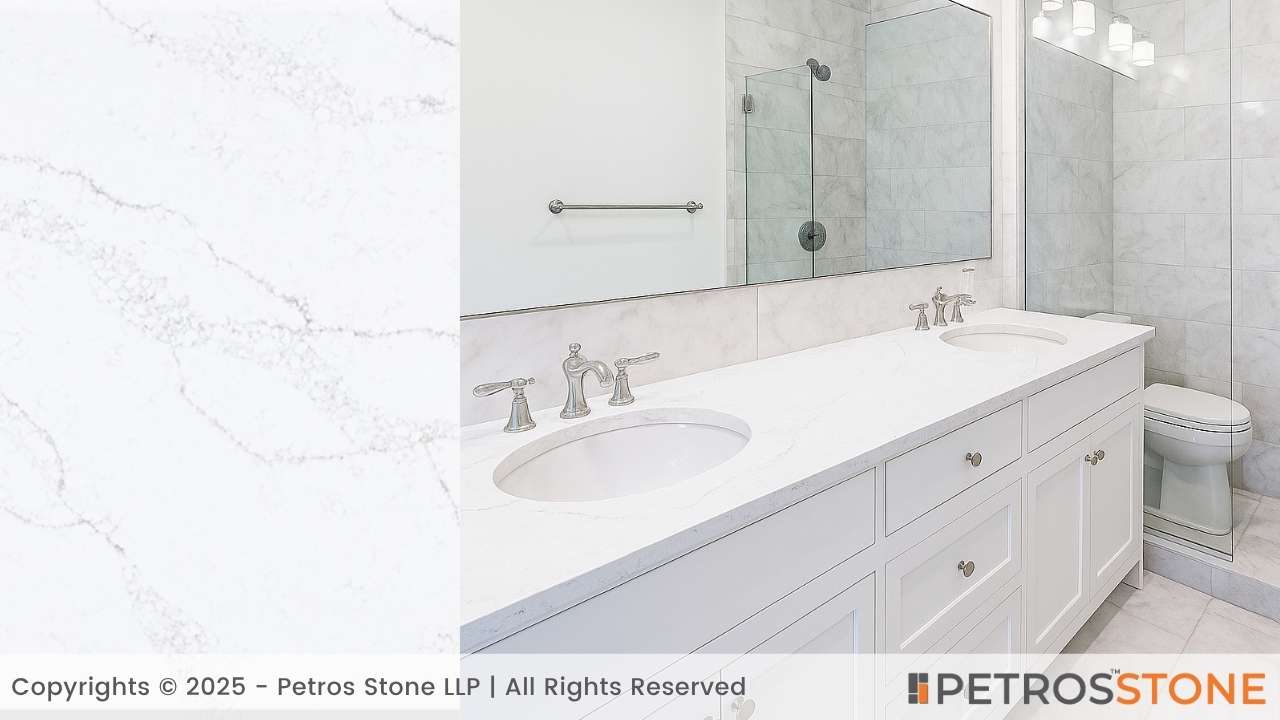
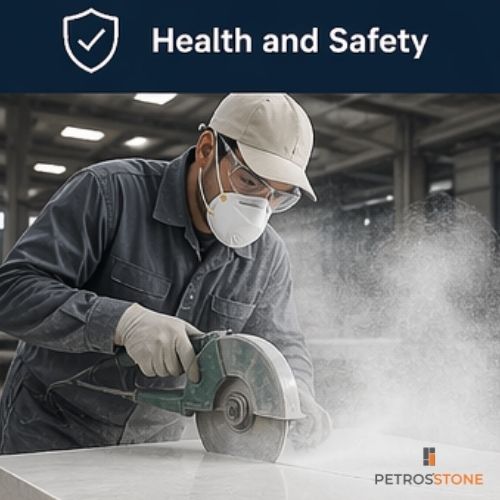
Health & Safety
Safety is one of the main reasons for this shift. Regular quartz may produce a substantial amount of dust in the air, particularly during cutting or finishing. It is not good to breathe in that regularly, particularly for the lungs.
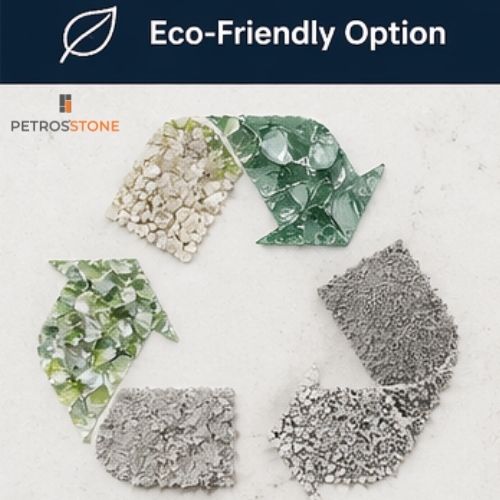
Eco-Friendly Option
There’s also a growing focus on sustainability. Numerous low-silica quartz slabs can be produced using recycled materials, and the process is usually more efficient. It implies that there will be reduced waste and less consumption of energy, which is more environment friendly.
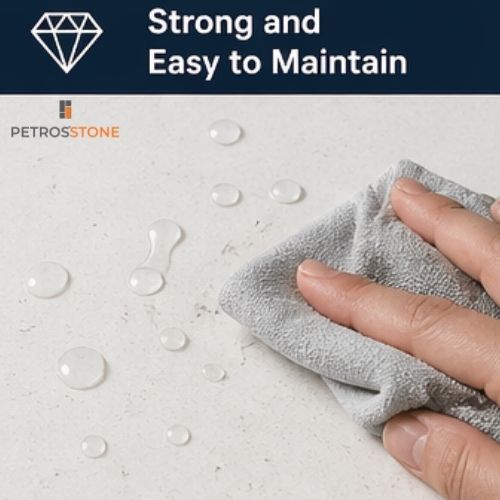
Strong & Easy to Maintain
These materials will perform their task so well, even with a lower amount of silica. It is tough enough to be used on a regular basis. It is not easily scratched or stained. The slabs do not require much effort to be cleaned. It is also not porous and therefore, will not absorb spills or bacteria as well.
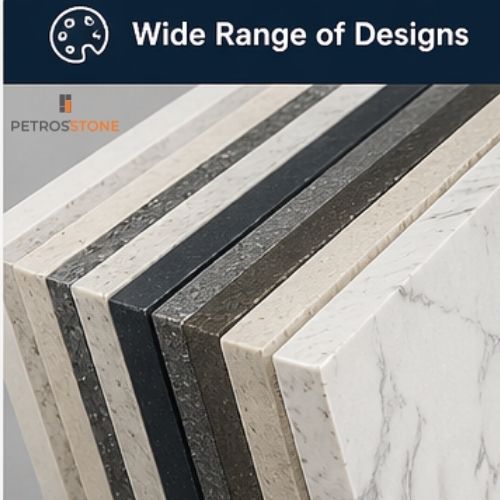
Wide Range of Designs
Nothing actually changes as far as appearance is concerned. Low silica quartz still comes in a wide variety of colors and patterns. Whether someone prefers a simple, modern look or something more detailed, there are plenty of options to choose from.
In short, low silica quartz just feels like a smarter option. You still get the same look and durability, but with better safety and a more environmentally friendly approach. It’s easy to see why more people are starting to choose it.
Tested Performance – Low Silica Quartz
| Property | Test Standard | Typical Value (Lab Tested) | What It Means in Practice |
|---|---|---|---|
| Water Absorption | ASTM C97 | <0.05% | Highly non-porous, resists stains and moisture |
| Density | ASTM C97 | 2.2 – 2.4 g/cm³ | Consistent structure and good durability |
| Compressive Strength | ASTM C170 | 150 – 220 MPa | Can withstand heavy loads (ideal for countertops) |
| Flexural Strength | ASTM C99 | 25 – 45 MPa | Good resistance to bending and cracking |
Note:
Lab values look excellent, but in real projects, edge chipping resistance and polish retention depend more on resin quality, curing process, and polishing line calibration than just test results.
Low Silica Quartz Slabs Applications
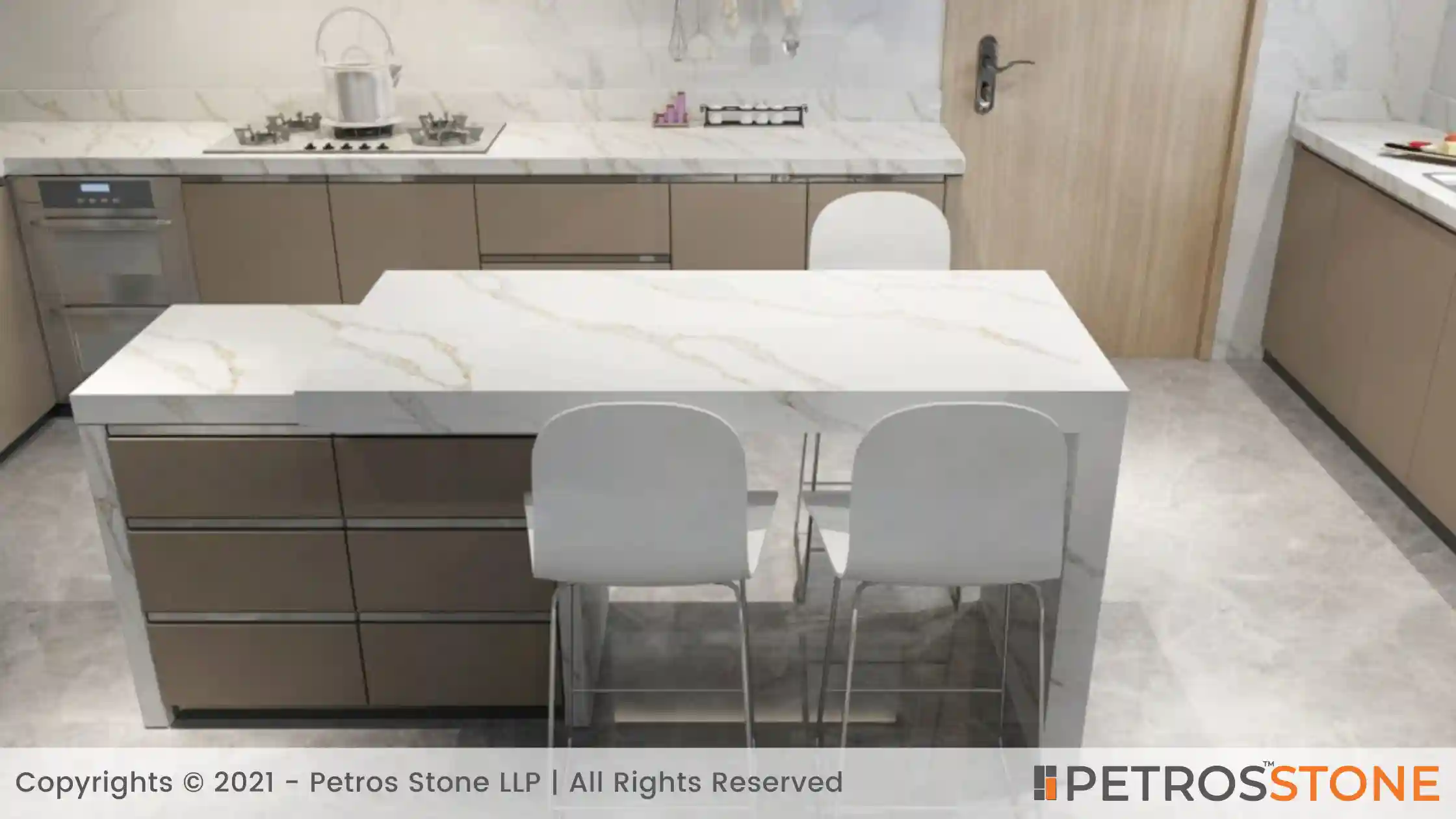
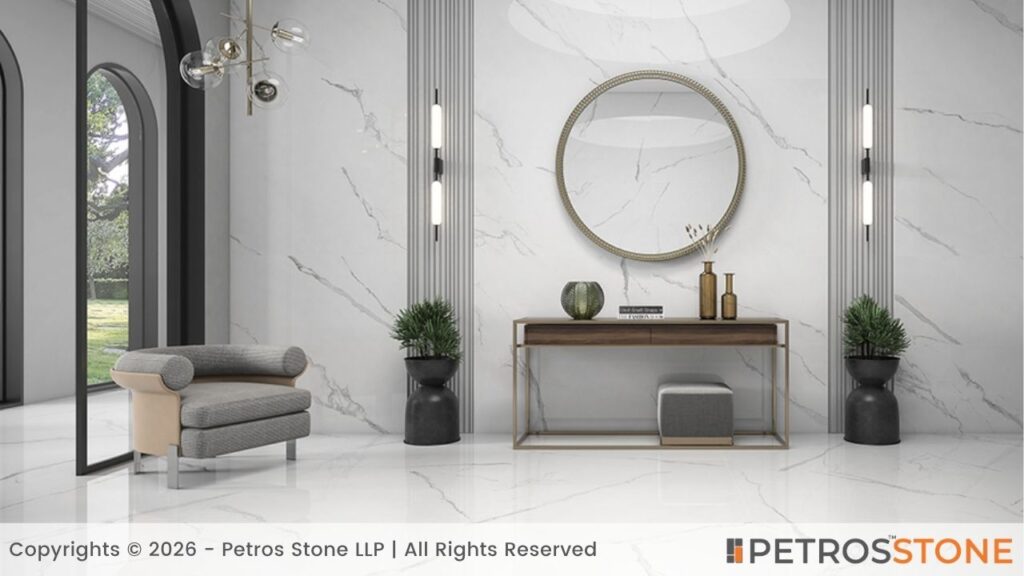
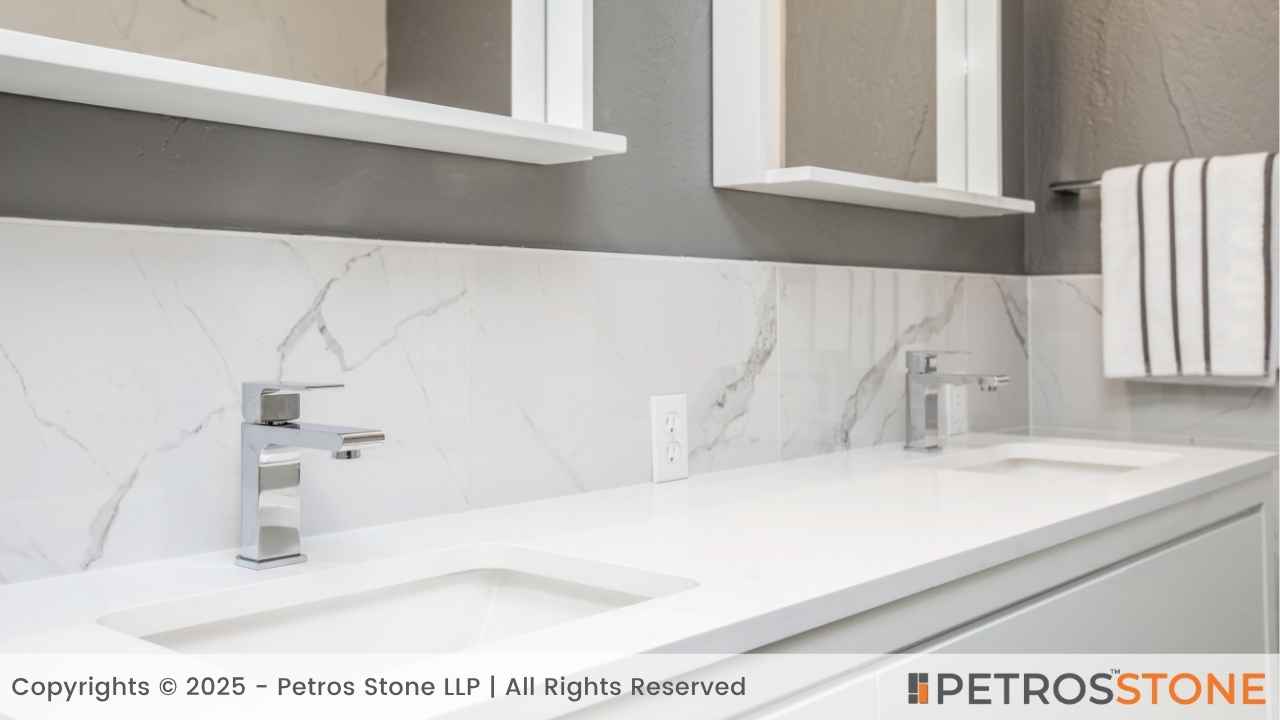
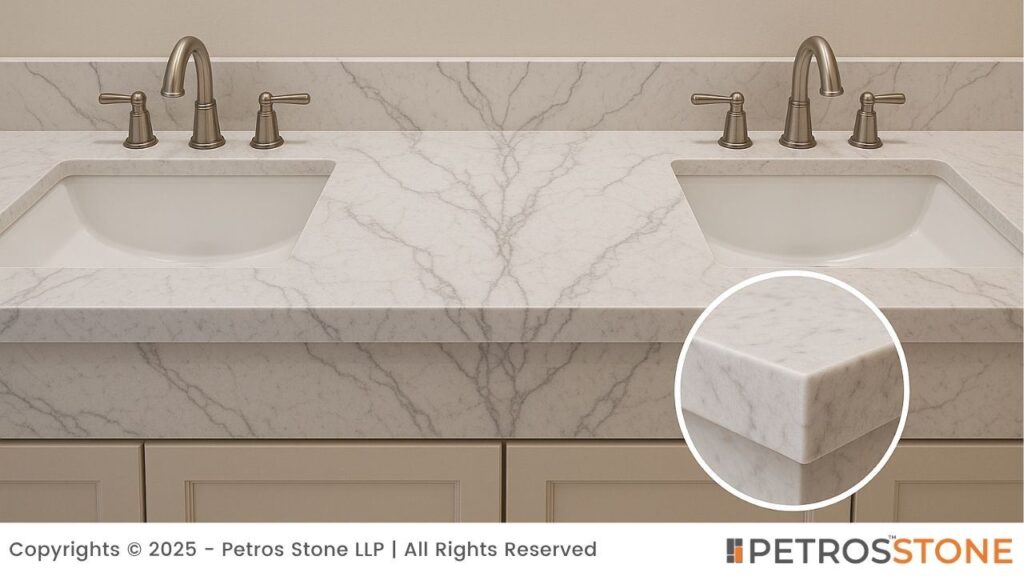
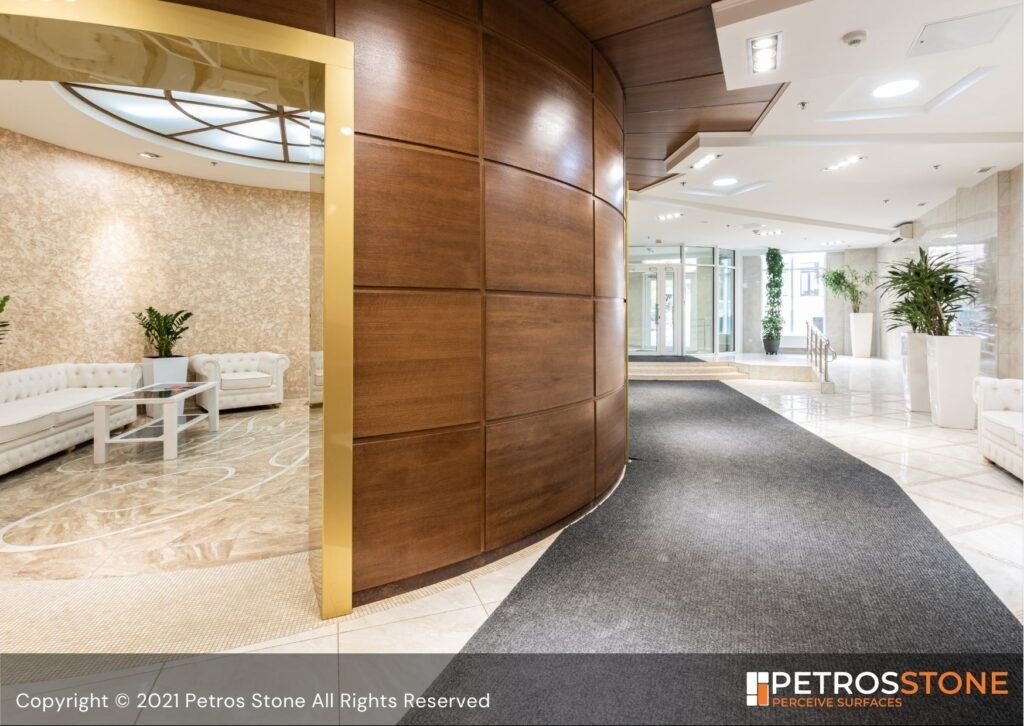
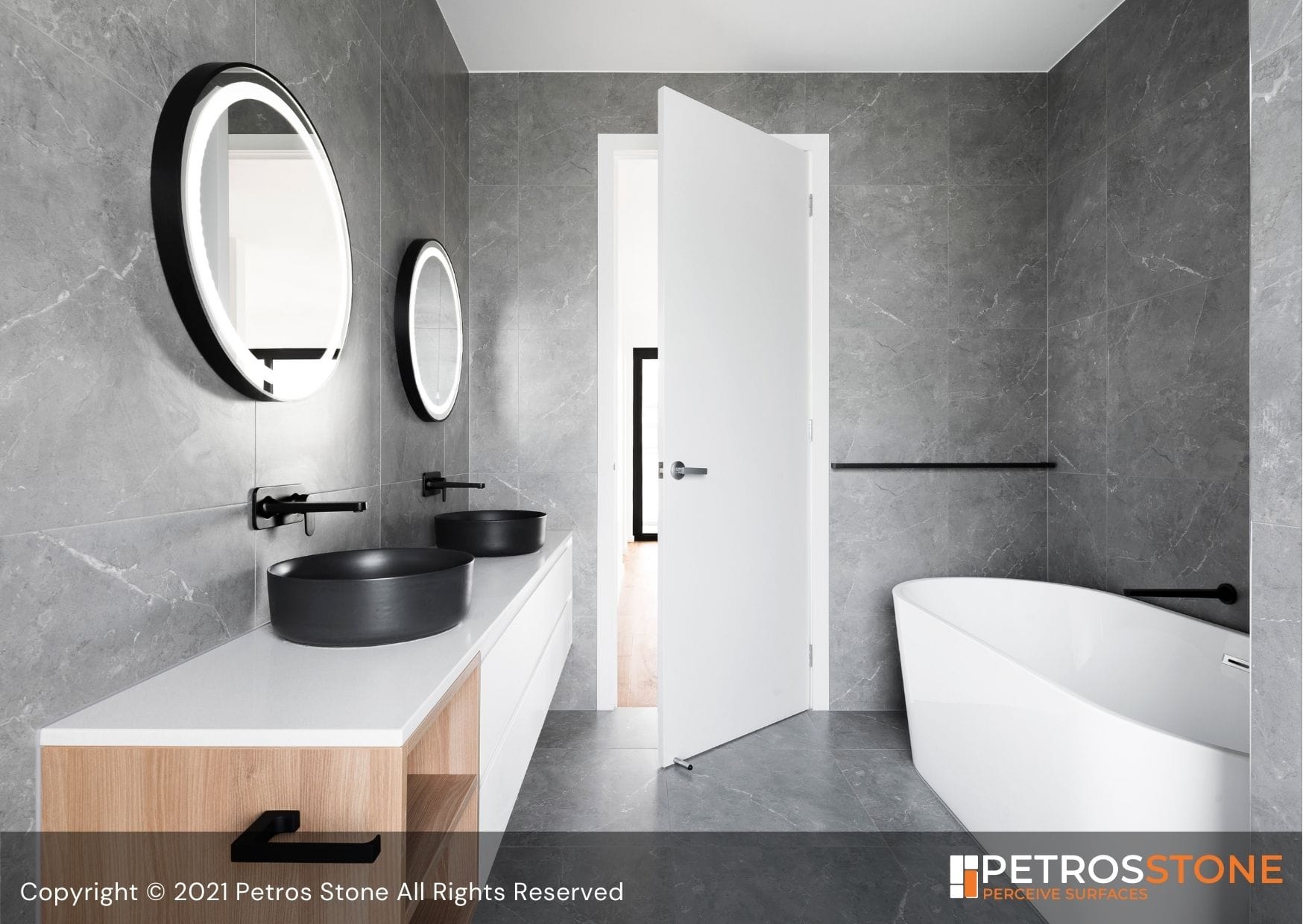
Low silica quartz slabs are versatile and can be used in many areas of your properties:
| Kitchen Countertops | Strong and easy to cleanPerfect for cooking and spills |
| Kitchen Islands & Backsplashes | Looks modern and stays neatEasy to maintain. |
| Bathroom Vanities | Doesn’t soak up waterKeeps germs away |
| Shower Walls & Floors | Resists moisture and mold Perfect for wet areas |
| Hotels, Restaurants & Offices | Tough and long-lasting Handles heavy use |
| Walls / Interior Cladding | Adds style and looks classy |
| Furniture (Tables & Desks) | Sleek, strong, and durable for daily use |
These applications demonstrate why low-silica quartz is becoming a preferred material in both residential and commercial design projects.
Pros and Cons
Pros
- Safer for workers due to minimal silica dust
- Environmentally friendly with recycled content
- Resistant to scratches, stains, and heat
- Non-porous and hygienic
- Wide variety of colors and designs
- Easy to clean and maintain
Cons
- Slightly higher cost than some traditional quartz options
- Availability may vary depending on the supplier
- Not all manufacturers provide the same performance, so choosing a trusted brand is essential
Overall, the benefits far outweigh the drawbacks, especially for those concerned about safety and sustainability.
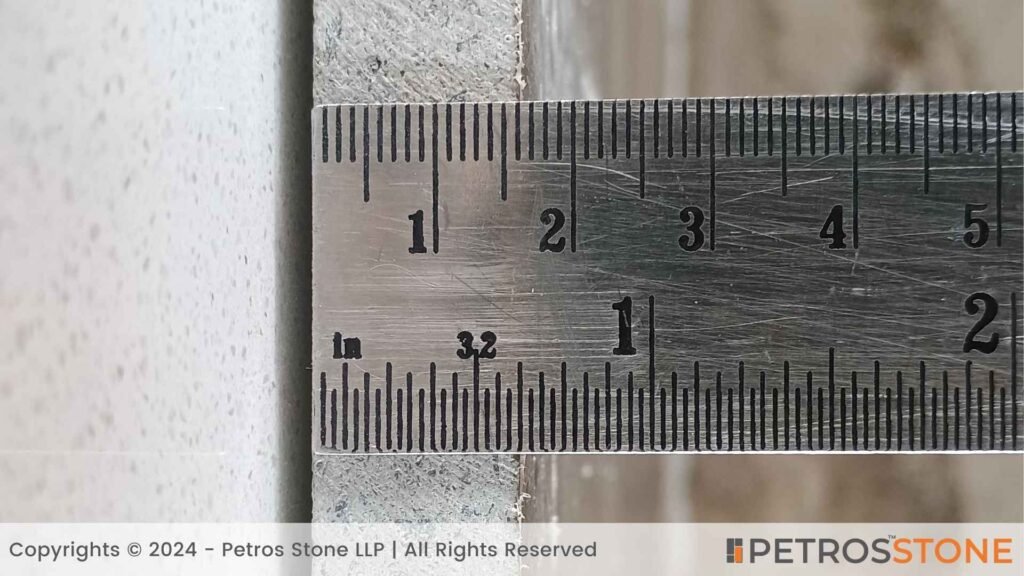
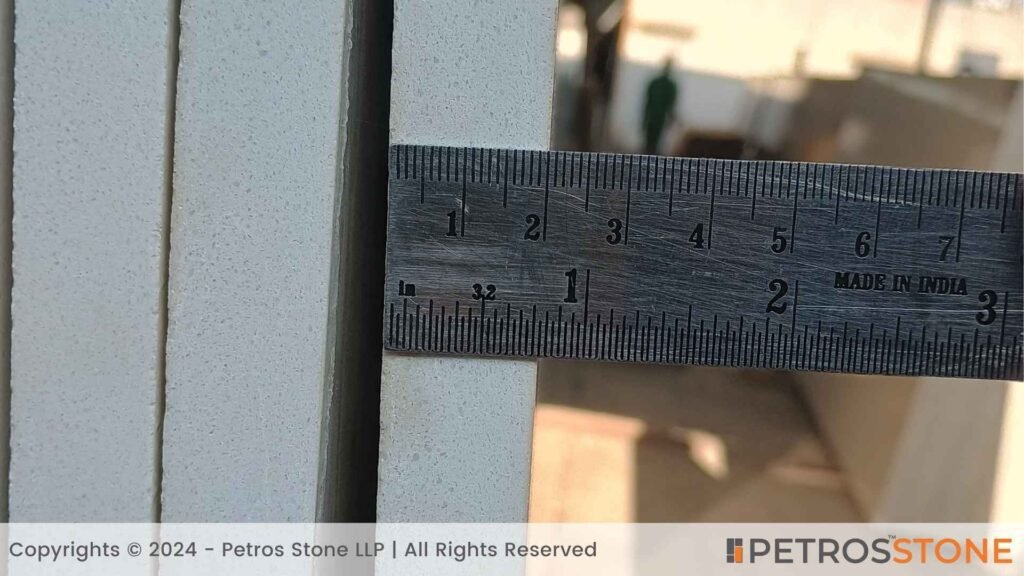
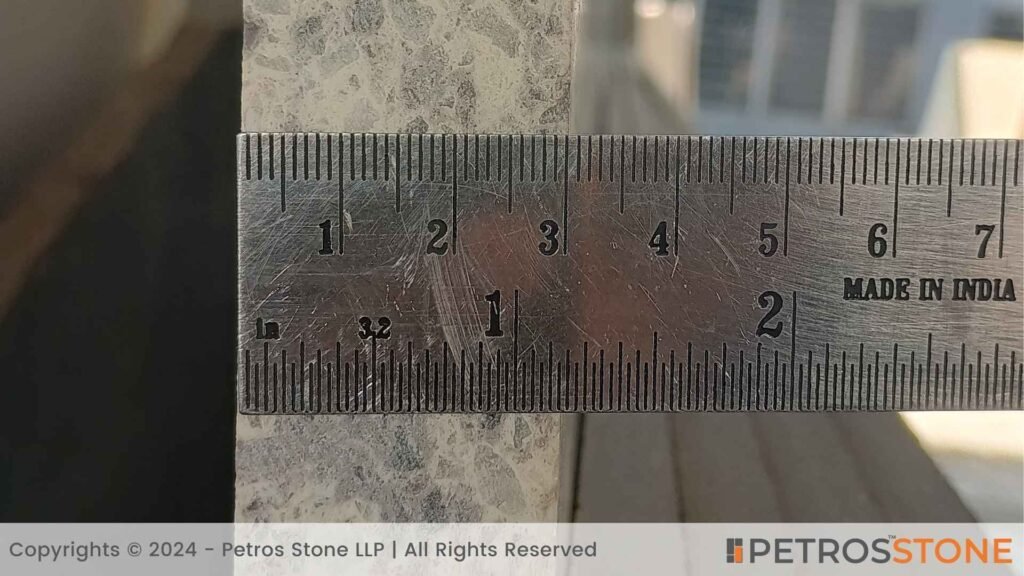
Thickness and Standard Size
The low silica quartz slabs are of normal sizes, just like the traditional quartz. The dimensions allow one to easily plan layouts for kitchens, bathrooms, and other projects.
Standard Thicknesses of Quartz Slabs
Quartz slabs come in multiple thickness options:
- 12mm
- 20mm
- 30mm
- 40mm (less common)
Advantages of Different Thicknesses
| Thickness | Best For | Key Benefits |
|---|---|---|
| 12mm | Small spaces | Lightweight, cost-effective |
| 20mm | Standard kitchens | Balanced performance |
| 30mm | High-traffic areas | Superior durability |
Standard Sizes of Quartz Slabs
Table with Standard Quartz Slab Sizes
| Type of slab | Size (inches) | Size (cm) |
|---|---|---|
| Regular | 60″ x 120” | 145 cm x 305 cm |
| Jumbo | 64″ x 126″ | 160 cm x 320 cm |
| Super Jumbo | 78″ x 138” | 200 cm x 350 cm |
| Mini Slab | 31″ x 120″ | 80 cm x 305 cm |


Average Price List
| Thickness | Price (USD per sq.ft) | Price (USD per m²) | Grade Type |
|---|---|---|---|
| 12–15 mm | $2.0 – $3.5 | $22 – $38 | Commercial / Bulk export |
| 18–20 mm | $3.0 – $5.5 | $32 – $60 | Standard export grade |
| 20–30 mm (premium designs) | $5.5 – $9.0 | $60 – $97 | Calacatta / Carrara premium |
Prices of Low Silica Quartz vary depending on brand, thickness, and design. While slightly higher than traditional quartz, low silica slabs offer long-term benefits in safety, sustainability, and durability.
Factors Affecting the Low Silica Quartz Price
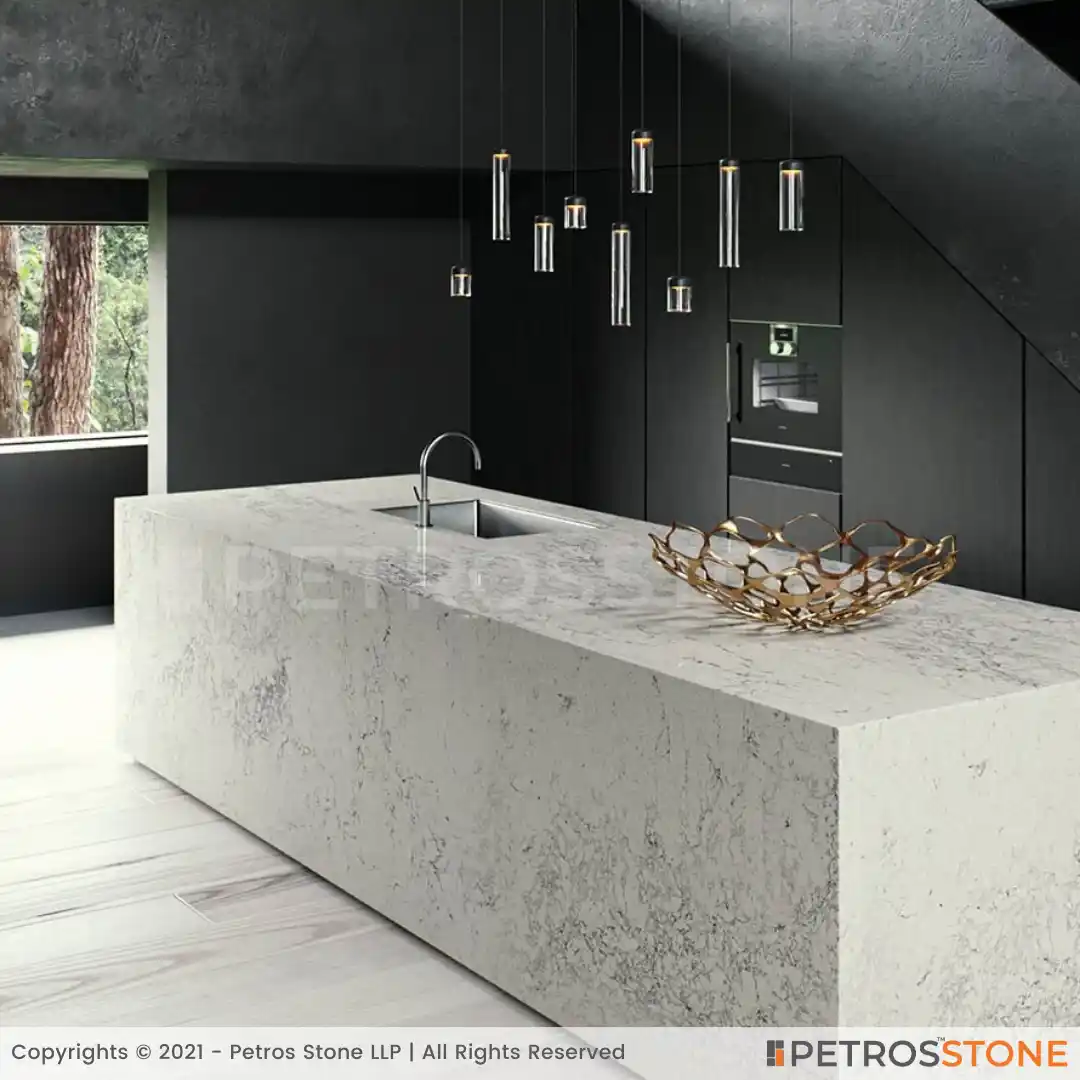
Once you begin to browse through low-silica quartz slabs, you will find that the price of these products may fluctuate considerably. That’s normal because several factors come into play, and knowing them will help you make a wise decision without spending a lot of money.
Here are the main things that influence the price:
1. Material Quality
Not every slab of quartz is created alike. Isn’t it? The quality of the raw materials, such as the types of minerals, resins, and recycled materials used in manufacturing, is a significant factor in terms of cost. Thus, quality ingredients mean a stronger and more appealing slab that can increase prices.
2. Manufacturing Process
The manufacturing of low-silica quartz is not as common as traditional quartz. This includes some special technology and an additional process in order to safely reduce silica content. And, the additional care and technology may increase the price, particularly when eco-friendly brands are created.
3. Brand and Reputation
Brands that are well-recognized as stable and of high quality are usually sold at a higher price. Such companies can have superior warranties, in-depth testing, and color choice or finish, which several buyers consider to be worth the higher price.
4. Thickness and Size
Similar to traditional quartz, the slab price is dependent on the thickness. Thicker slabs consume more material and are heavier, so you can expect to pay more for 20mm or 30mm slabs compared to thinner ones. The reason why bigger slabs are expensive is also that they consist of more material.
5. Design and Aesthetic Options
Certain colors, patterns, or finishes are more complex or difficult to manufacture. Several special designs, and particularly those that mimic marble or have deep veining, may be somewhat more expensive than plain solid color.
6. Shipping and Import Costs
If you are ordering slabs from overseas (for example, from factories in India or the USA), shipping costs can add up. Therefore, freight costs, customs charges, and the distance of delivery all have an impact on the overall cost of purchasing it.
7. Local Supplier vs. Direct Factory
Last, but not least, buying from a local stone yard or showroom might cost more because they add a margin to the price. Alternatively, you might save money by buying directly from a factory or importer, though you might need to do the logistics, such as delivery by yourself.
Why Traditional Quartz Became a Problem
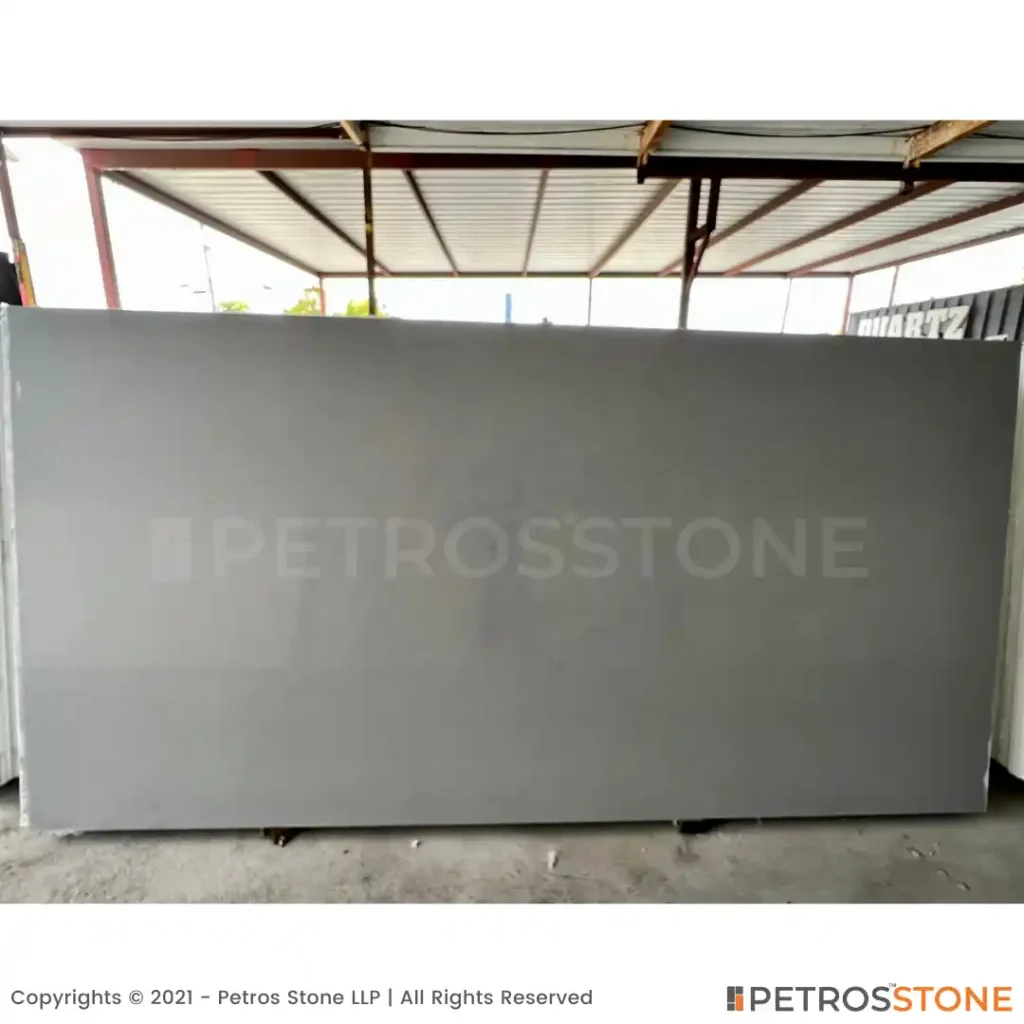
Traditional engineered quartz typically contains about 90–95% silica. This high silica content gives the material its strength and durability, but it also raises concerns during cutting and polishing. These processes release very fine silica dust into the air, and prolonged exposure can be harmful to workers, potentially leading to serious and irreversible lung conditions.
In addition, the production of traditional quartz requires significant natural resources and energy, making it less environmentally friendly compared to newer alternatives.
As a result, growing health and environmental concerns have pushed the stone industry to explore safer and more sustainable options, such as low-silica quartz, which aims to deliver similar performance and aesthetics with reduced risks
Low Silica Quartz vs Standard Quartz
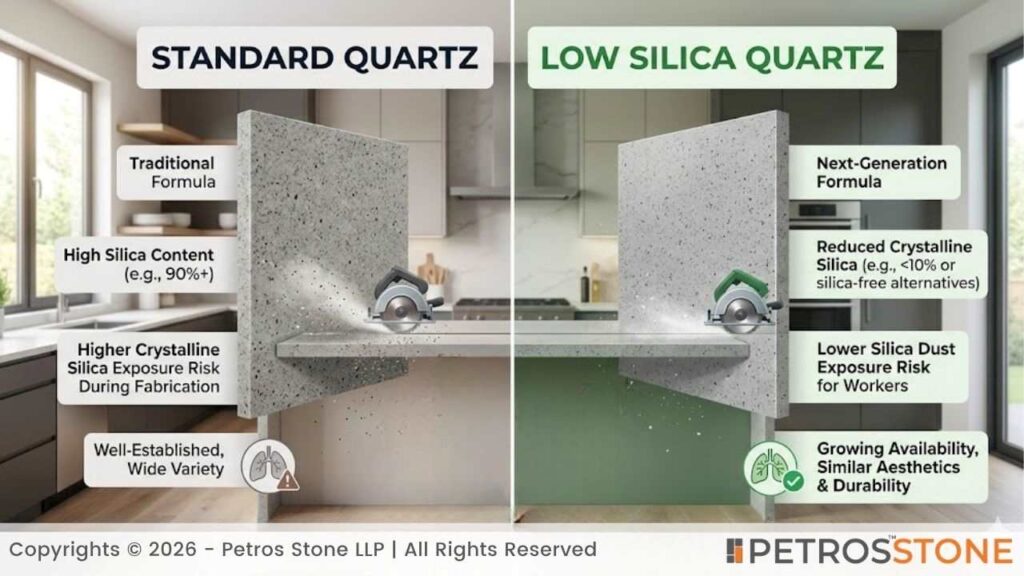
Are you a homeowner, interior designer, or contractor? Regardless of that, understanding the differences between traditional and low-silica quartz is important for making informed choices.
Table – Low Silica Quartz vs Standard Quartz
| Feature | Traditional Quartz | Low Silica Quartz |
| Silica Content | 90–95% | <10% (or near zero) |
| Health Risk | High due to dust | Minimal to none |
| Eco-Friendliness | Limited | High; uses recycled materials |
| Durability | High | High |
| Maintenance | Easy | Easy |
| Design Options | Wide | Wide |
| Cost | Moderate | Slightly higher |
Get Some Maintenance Tips
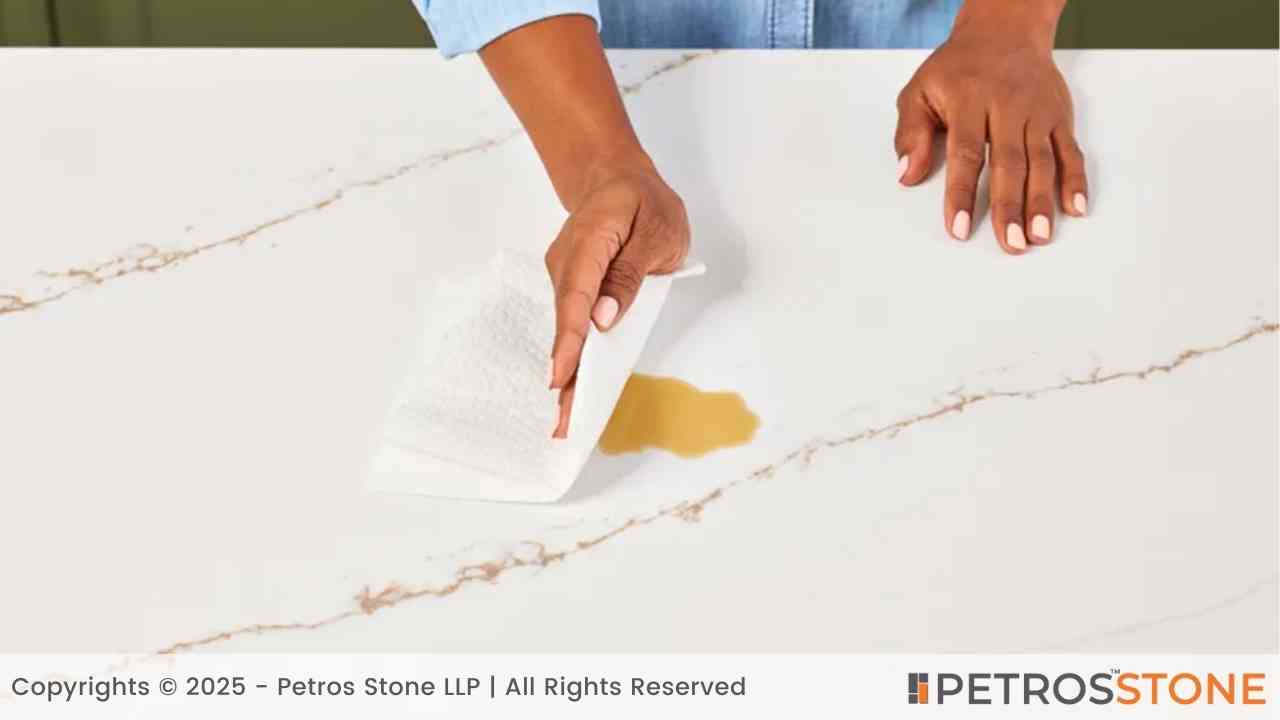
It is simple to keep your low silica quartz looking great than most individuals think. To be honest, caring a bit will go a long way, and you do not have to use expensive items or any complex steps.
Wipe Daily
All that is required is a warm sponge or cloth with a little mild soap. It does not damage the finish and keeps the surface clean. There is no need for harsh chemicals — they can actually dull the shine over time.
Clean Spills Quickly
Although quartz is not porous and resistant to stains, it is still a good idea to clean any spills, such as coffee, juice, or oil, right away. A rapid clean-up eliminates the possibilities of marks or difficult stains.
Protect from Heat
You can use trivets or hot pads when placing hot pans or pots on your countertop. Though quartz is tough, sudden extreme heat can cause damage or discoloration.
Cut/ Scratch on a Board
Quartz is not indestructible, though it is scratch-resistant. Therefore, you need to put a cutting board on your countertop look perfect.
Gentle Cleaners Only
If you would like to go further for a deep cleaning, you can use soft cleaners that are made for stone surfaces. You should not use bleach or rough sprays because they may impact the finish of the quartz.
Check for Small Issues
Now and then, you must take a quick look at your countertops. If you notice tiny scratches or chips, fix them earlier rather than later.
Where to Buy?
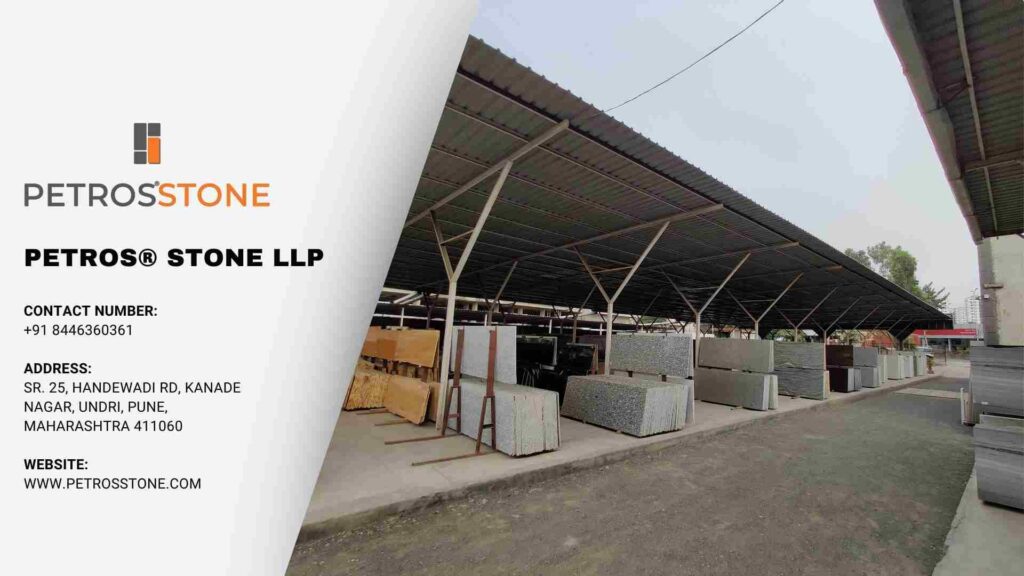
Looking to find the ideal low-silica quartz slab for your kitchen or bathroom in the local market? There are several choices available to you, but it is just a matter of choice.
Stone Suppliers and Showrooms
Nowadays, there are numerous local stone suppliers who stock low-silica quartz. You are even allowed to walk in and view the color and finishes, as well as touch the slabs, before making a purchase. This is perfect if you want to match your space exactly or seek guidance from a skilled person.
Direct from Factories
Some of the finest ones are available right at the source. Low silica quartz slabs are made and exported by factories in India and the USA. Direct purchases may provide an opportunity to have more options in terms of colors, finishes, and sizes. Besides, where a bulk order or custom design is required, then the factories are the place to be.
Online Retailers
Yes, you can also shop online! Many trusted suppliers sell low-silica quartz slabs through websites and can ship them anywhere. They often include detailed product info, photos, and even sample pieces. This is handy if you live far from a stone showroom.
Trusted Names
Well-known names in low silica quartz include Petros Stones. Petros Stones ships worldwide and has a wide range of slabs in different colors and finishes. This makes it easier for homeowners, designers, and contractors to find exactly what they need.
When choosing a supplier, look for:
- Real low silica certification
- Good quality control
- A wide variety of colors, patterns, and finishes
- Reliable delivery, especially for international shipping
FAQs
Q. What exactly is low silica quartz?
Low silica quartz simply refers to an engineered stone that contains less than 10% of silica. It is also usually prepared using recycled materials and bio-resins.
Q. What are the 4 types of silica?
Silica is available in the market in primarily 4 types:
- Quartz (crystalline)
- Cristobalite
- Tridymite
- Amorphous silica
Q. Is low silica quartz more costly than standard ones?
Yes, it will be a little higher because of the production costs, but it will have high health and sustainability advantages.
Q. Does quartz have low silica material in it?
Yes! Traditional Quartz that is rich in silica, and the low silica quartz contains very low levels of silica. It is also close to zero in some cases.
Key Takeaways
- Low silica quartz is gaining popularity as high silica materials may be toxic to health during the cutting and installation.
- It has the same appearance and application, and is normally about $2 – $9 per sq. ft., depending on thickness.
- It is powerful, resistant to scratches, and can be maintained easily just like regular quartz.
- You can purchase it from well-known retailers, local suppliers, or online stores.
- It could be applied in any place: in the kitchen, the bathroom, and even at the workplace.
Feel free to get in touch for a free consultation, quote, and get a detailed understanding from our experts here at Petros®. Visit www.petrosstone.com or call +91-8446360361 or WhatsApp
Hello!
I’m Varsha, with a deep interest in architecture and years of content writing experience, I explore how natural stones like granite and marble shape beautiful, functional spaces. At Petros® Stone, I share insights that help readers appreciate the design potential and timeless appeal of stone.

Brown Granite

White Galaxy Granite

Blue Bahia Granite

Silver Cloud Granite

Black Pearl Granite

Dallas White Granite