Ivory Brown Granite (Shiva Gold Granite) is not the flashiest stone in the yard. It does not try to compete with exotic imported materials. Yet, year after year, it remains one of the most consistently demanded granites in India and abroad.
There is a reason for that.
Ivory Brown sits in a sweet spot that very few stones manage to achieve. It is reasonably priced and visually warm. It is also structurally dependable and widely available in multiple thicknesses and formats.
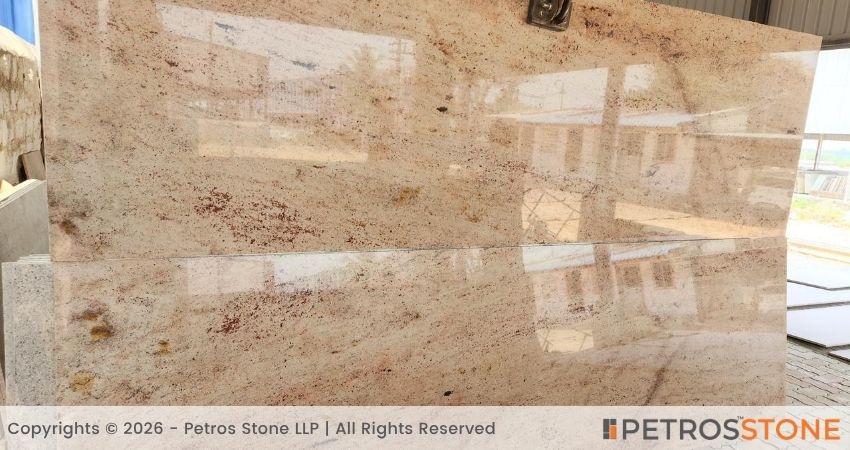
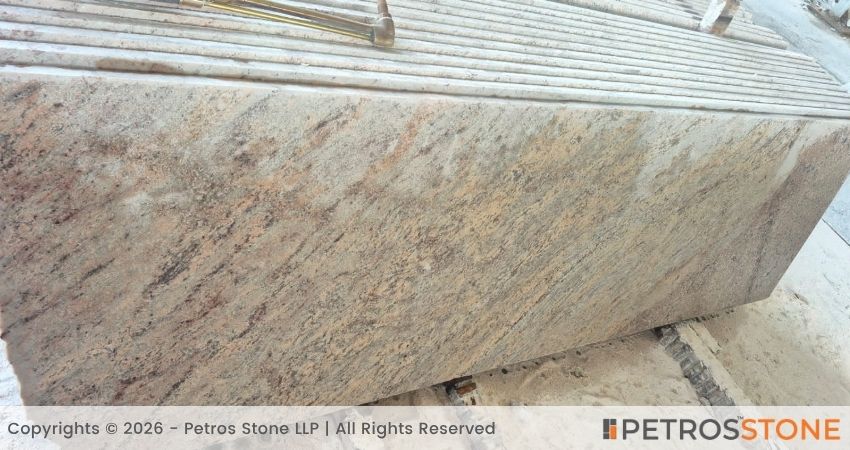
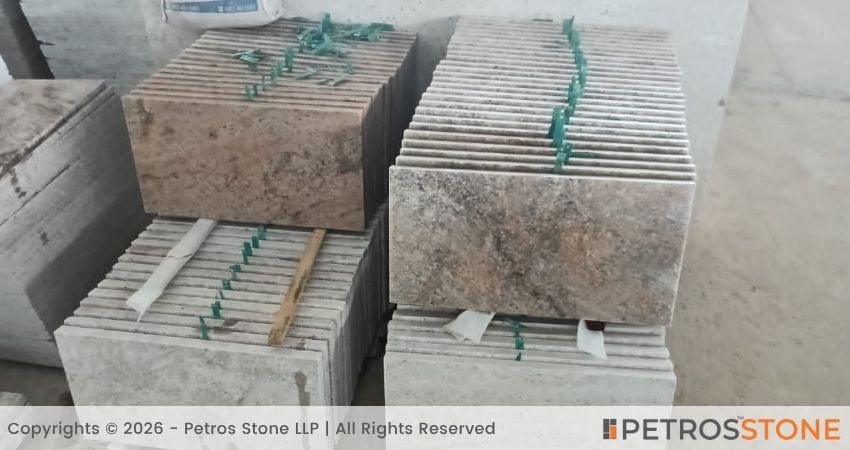
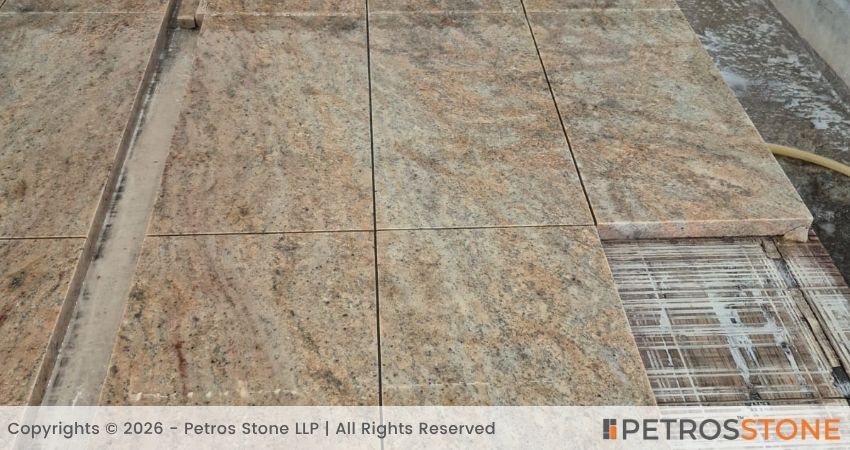
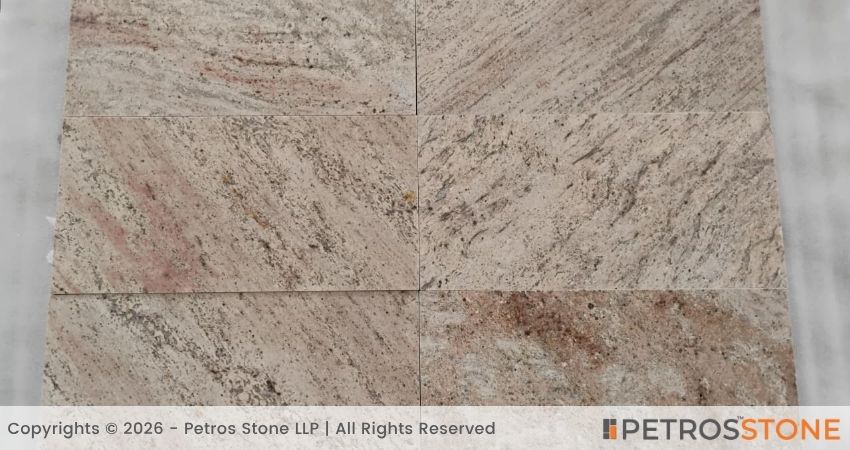
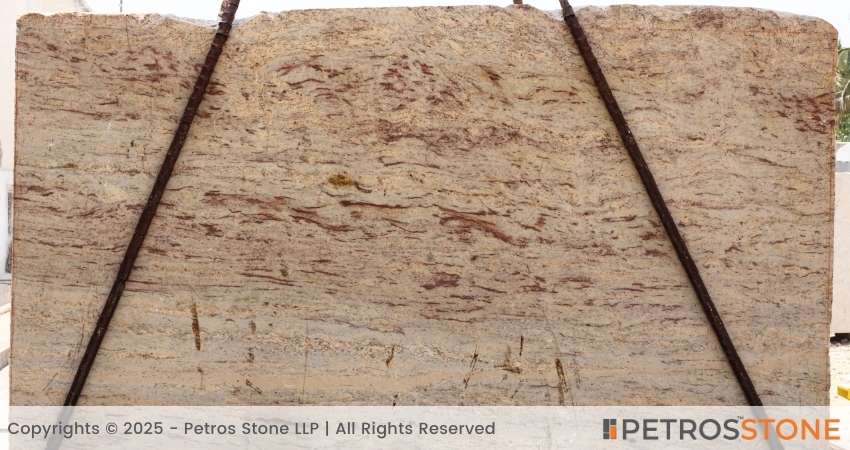
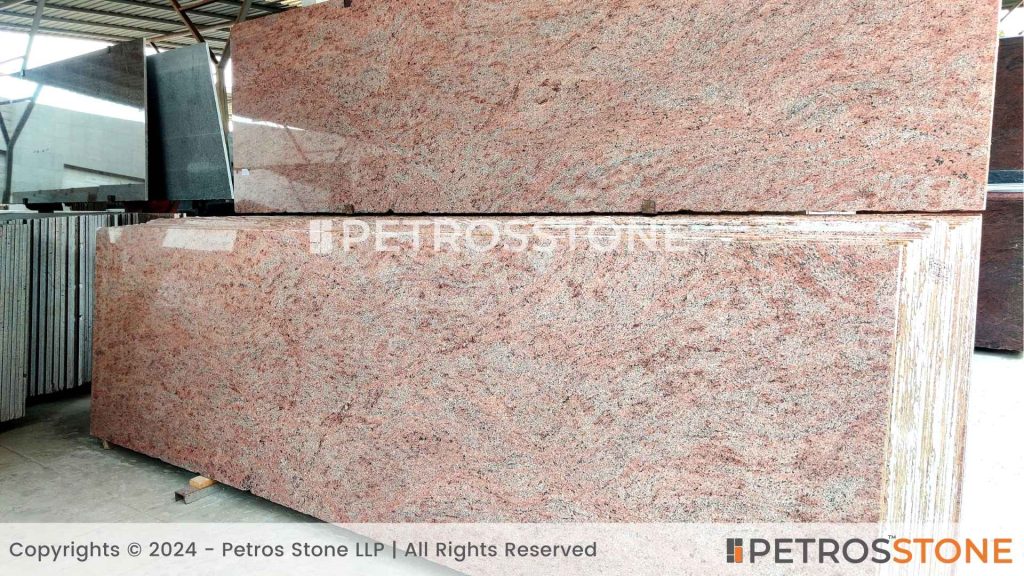
For contractors, it is predictable. For homeowners, it is practical. For exporters, it is a steady performer.
But like most natural stones, not all Ivory Brown is the same.
Prices vary. Quality varies. Even the color tone can shift depending on the quarry lot and processing.
Ivory Brown Granite Price (approx.)
| Product Type | Thickness | Price (USD / sq.ft) | Price (USD / m²) |
|---|---|---|---|
| Tiles | 10–12 mm | $0.75 – $1.40 | $8 – $15 |
| Cutter Slabs | 18–20 mm | $1.85 – $2.80 | $20 – $30 |
| Gangsaw Slabs | 20 mm | $2.90 – $3.40 | $31 – $36 |
| Gangsaw Slabs | 30 mm | $3.10 – $4.20 | $33 – $45 |
If you are considering this granite for your project, in this article we will walk you through everything that actually matters. Be it pricing, grades, slab sizes, best use cases, limitations, or what to check before buying.
What is Ivory Brown Granite
Ivory Brown Granite is an Indian natural stone known for its warm beige-to-light brown base, combined with flowing, darker brown and grey mineral patterns. Depending on the quarry lot, you may also see subtle golden undertones, which is why many suppliers market it as Shiva Gold.
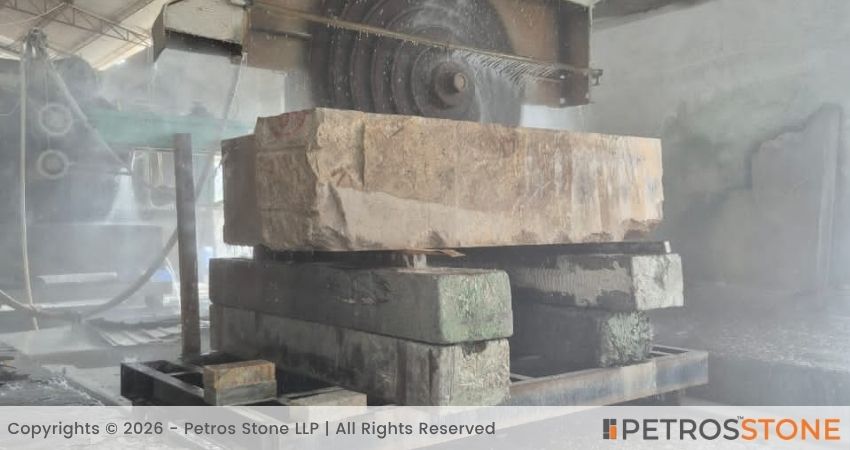
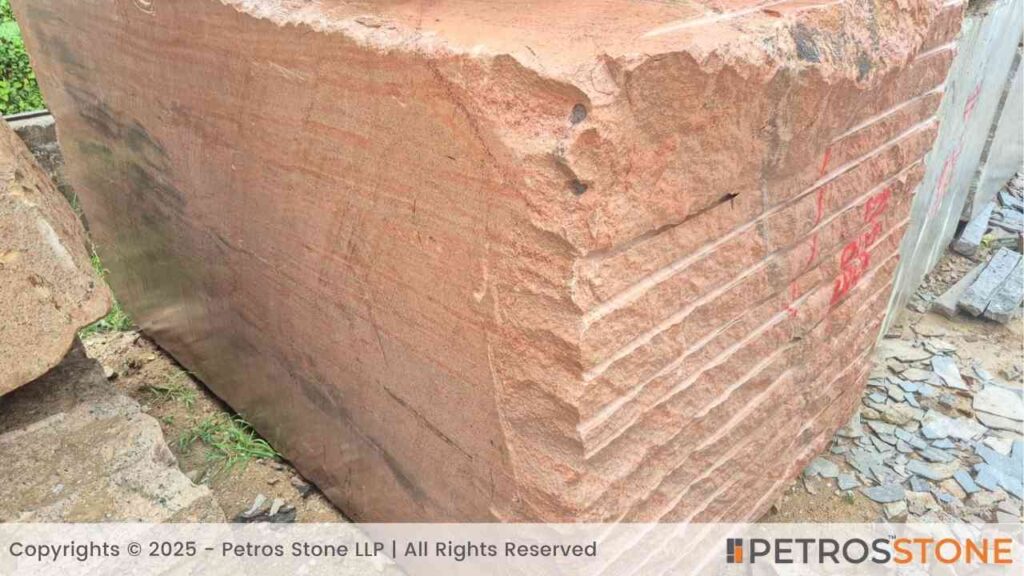
Geologically, it is a durable granite with a medium-grain structure. It is neither too busy nor completely plain, which makes it easy to use across both residential and commercial projects.
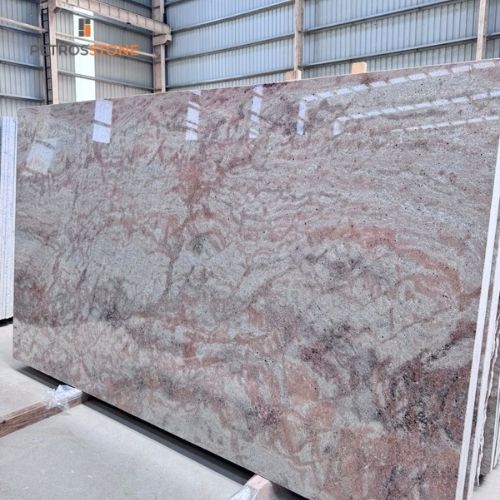
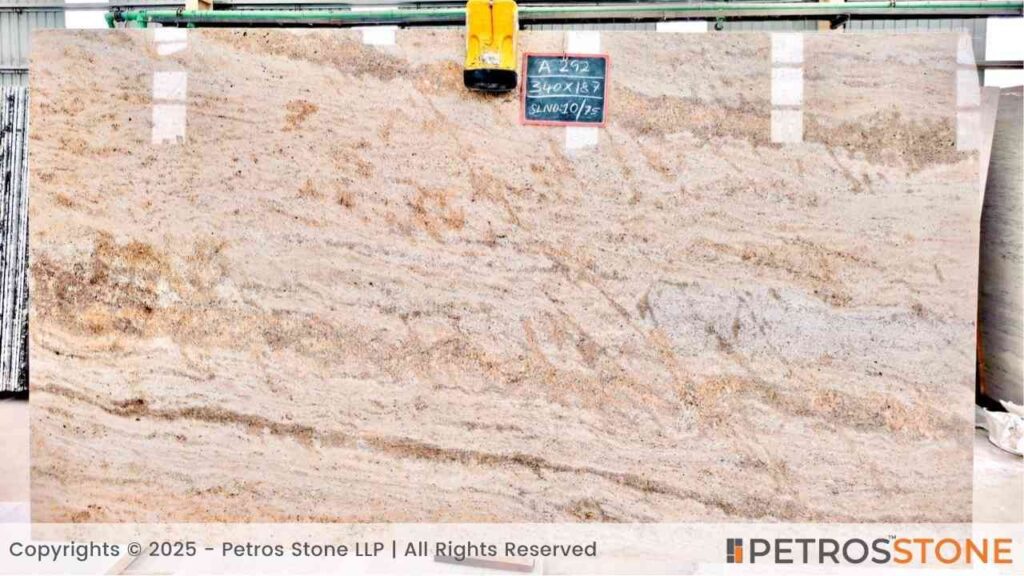
One of the reasons it has stayed relevant in the market is its versatility. It works reasonably well in:
- Kitchen Countertops
- Staircases
- Flooring
- Exterior Cladding
- Commercial Lobbies
- Window Sills and Steps
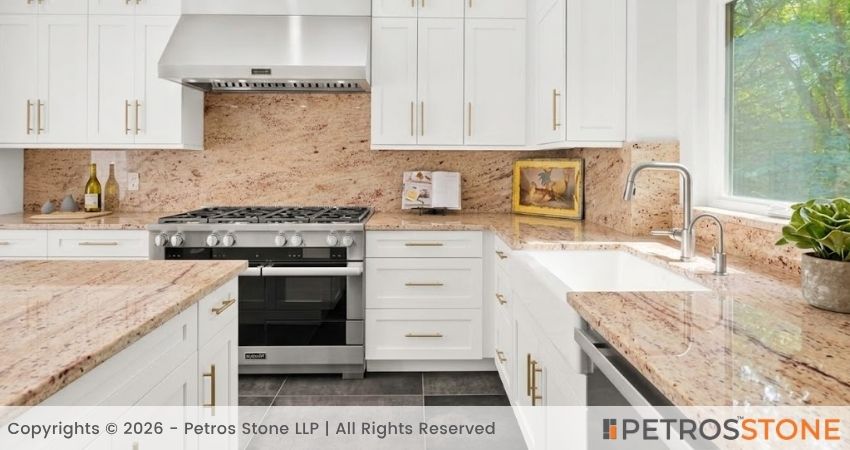
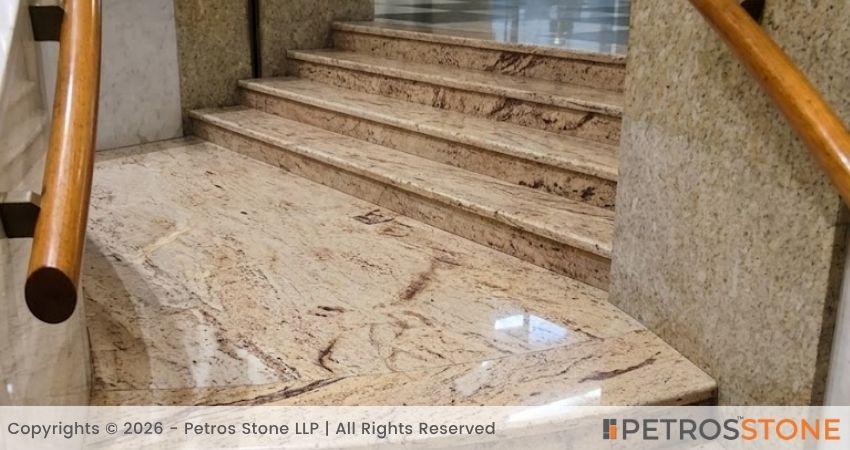
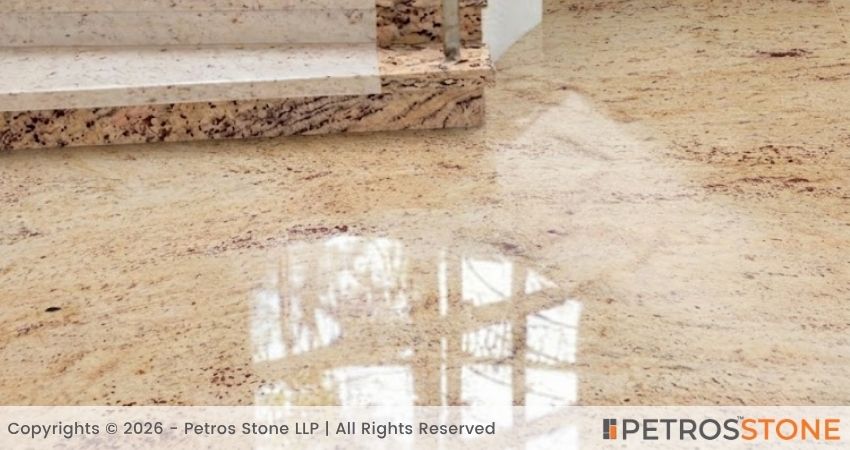
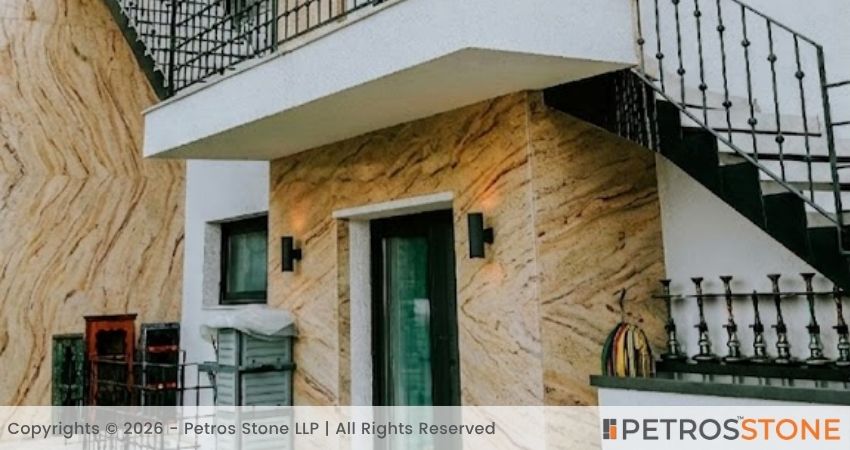
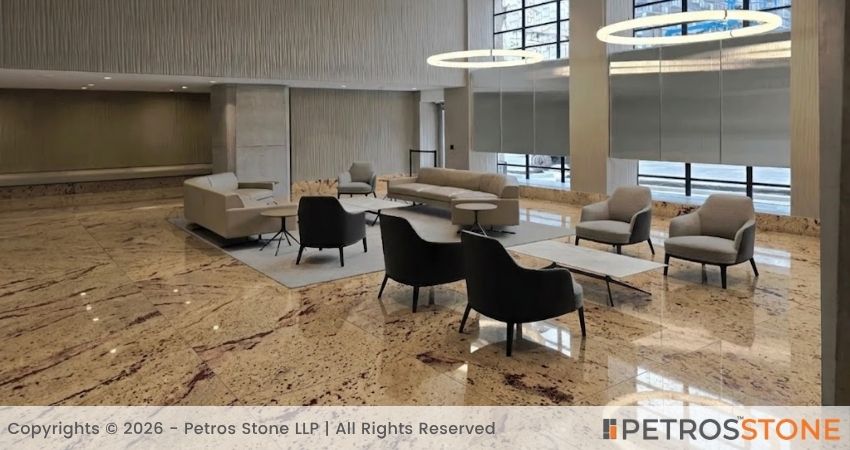
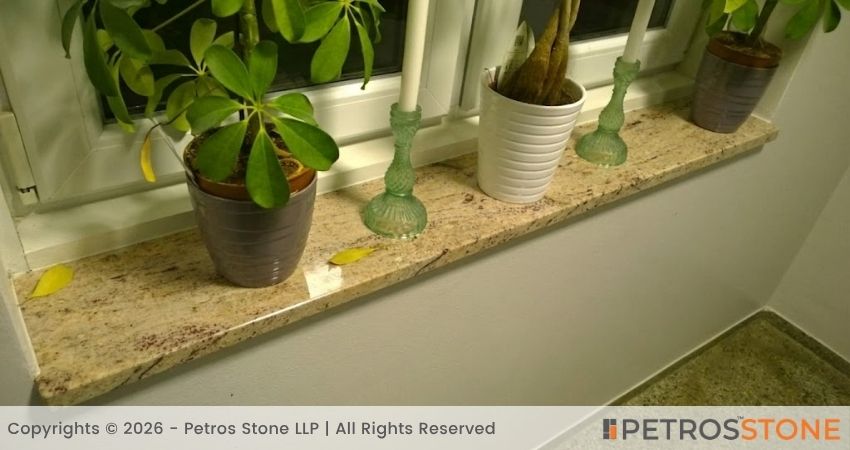
It may not deliver the dramatic veining of quartzite or marble, but it offers something many buyers ultimately prioritize: reliability without premium pricing.
Price, Origin, and Best Use Case
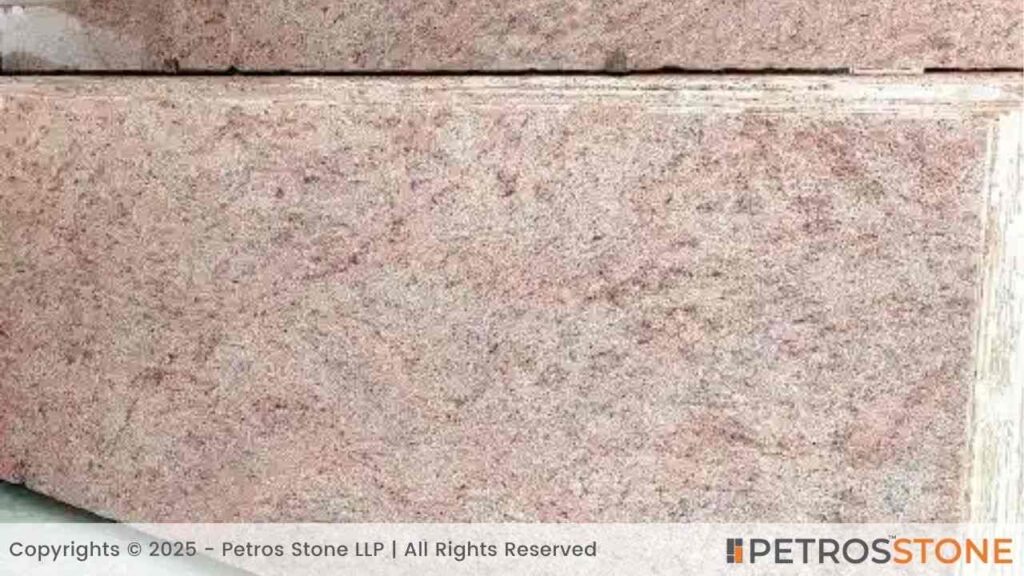
Ivory Brown Granite is primarily quarried in South India, especially in the Telangana and Andhra Pradesh belt. Because of its strong domestic supply chain, it remains more price-stable than many imported stones.
Typical Price Range
Prices vary by:
- Thickness
- Grade (A/B/C)
- Finish quality
- Quantity ordered
- Whether purchased from the factory or the retailer
Broadly speaking, in the Indian market:
- Tiles are the most economical
- Slabs fall in the mid-range
- Blocks are priced per cubic measure for bulk buyers
- Steps and cut-to-size pieces depend heavily on finishing
Ivory Brown Granite Price (approx.)
| Product Type | Thickness | Price (USD / sq.ft) | Price (USD / m²) |
|---|---|---|---|
| Tiles | 10–12 mm | $0.75 – $1.40 | $8 – $15 |
| Cutter Slabs | 18–20 mm | $1.85 – $2.80 | $20 – $30 |
| Gangsaw Slabs | 20 mm | $2.90 – $3.40 | $31 – $36 |
| Gangsaw Slabs | 30 mm | $3.10 – $4.20 | $33 – $45 |
The biggest pricing advantage of Ivory Brown is that it delivers a ‘premium enough’ look without entering exotic stone pricing territory.


Best Use Cases
Ivory Brown works best where you want:
- Warm neutral tones
- Budget-conscious durability
- Large area coverage without pattern fatigue
- Commercial-grade practicality
It is particularly popular in apartment projects, builder floors, and mid-to-premium residential kitchens where the client wants natural stone but not at imported granite or quartzite prices.
Thickness & Standard Sizes
Before discussing price, you must understand how Ivory Brown is sold.
Common Thickness Options
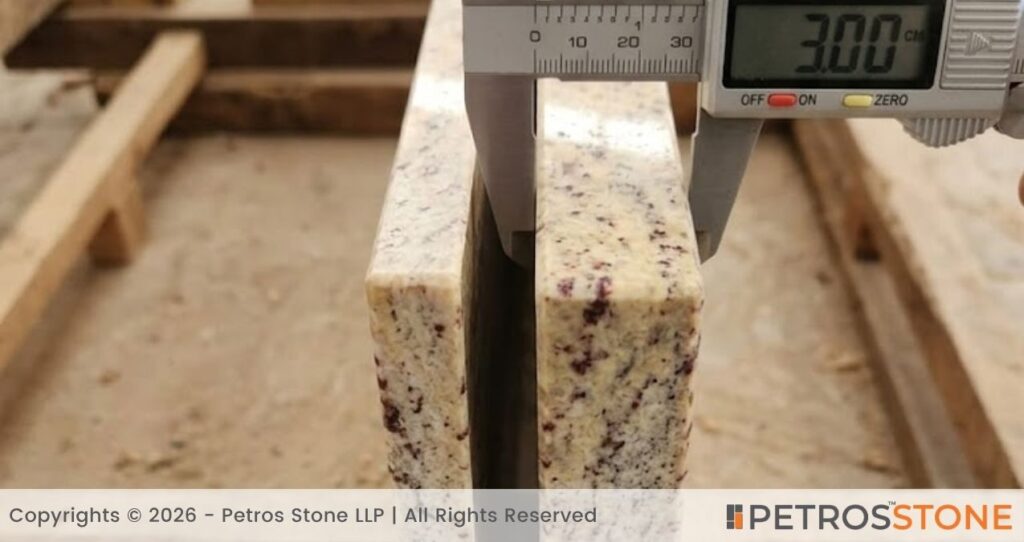
In the Indian market, the standard thicknesses are:
- 2 cm slabs – often used for wall cladding, lighter countertops, and export markets
- 3 cm slabs – preferred for kitchen countertops, steps, and heavy-use surfaces
3 cm is generally recommended for kitchen platforms because it offers better structural strength and reduces the need for excessive reinforcement.
Standard Sizes
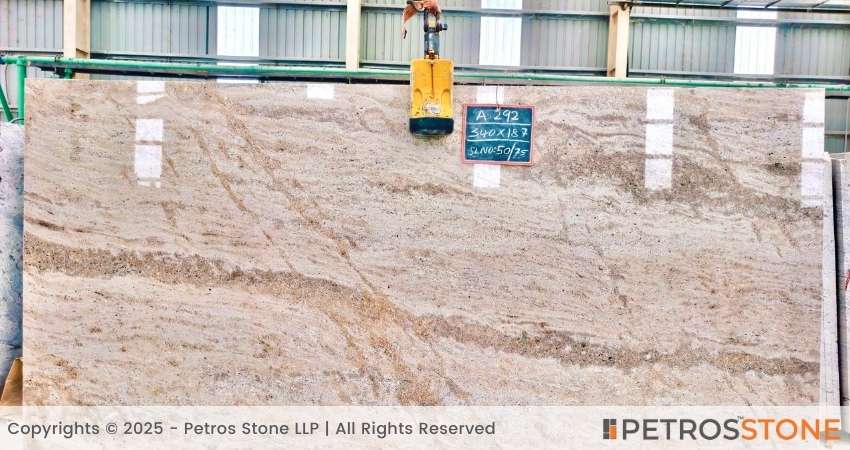
Typical slab sizes vary by lot but usually fall within:
- Cutter slabs: smaller, more economical
- Gangsaw slabs: larger, more premium pieces
Tiles are usually cut in standard modular sizes, while blocks are sold raw for further processing.
Product Specification Table
| Parameter | Description |
| Stone Name | Shiva Gold Granite / Ivory Brown Granite |
| Stone Type | Natural Granite |
| Color Profile | Warm blend of pink, gold, beige, and light brown tones |
| Place of Origin | Southern India |
| Primary Market Use | Residential and commercial construction |
Rough Block Sizes
| Block Type | Dimensions (Approx.) |
| Gangsaw Block | 280–330 × 160–220 × 100–150 CM |
| Cutter Block | 160–300 × 60–100 × 60–100 CM |
Slab Sizes
| Slab Type | Standard Dimensions | Available Thickness |
| Gangsaw Slab | 280 × 180 CM and above | 2 CM, 3 CM, and other thicknesses |
| Cutter Slab | 180 × 60 CM and above | 2 CM, 3 CM, and other thicknesses |
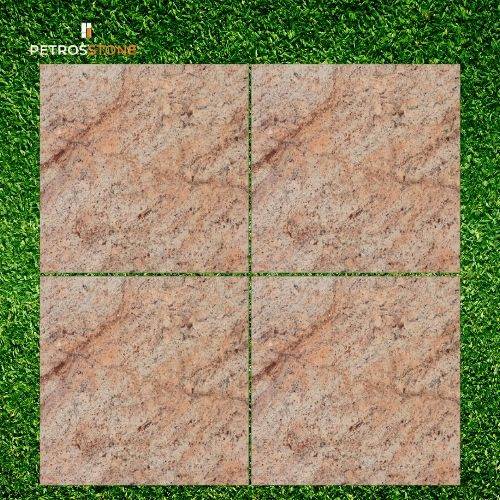
Tile Sizes
| Tile Sizes Available |
| 30 × 30 CM |
| 30 × 60 CM |
| 40 × 40 CM |
| 60 × 40 CM |
| 60 × 60 CM |
| 60 × 90 CM |
| 60 × 120 CM |
| Custom sizes available in various thicknesses |
Standard Thickness
| Parameter | Specification |
| Standard Slab Thickness | 18 mm (other thicknesses available on request) |
Why Ivory Brown Granite Is Always in Demand
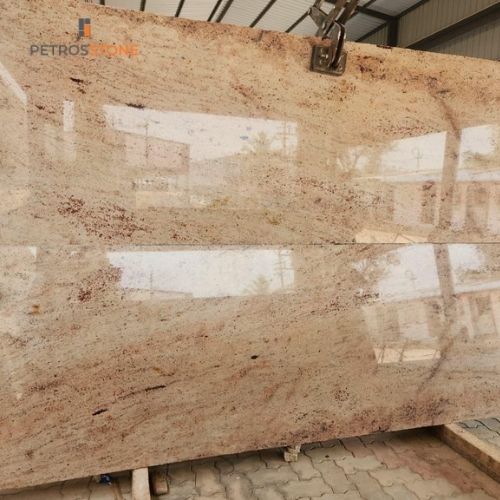
Some stones become trendy. Ivory Brown became dependable.
There are a few reasons it keeps moving steadily in the market.
- First, supply is consistent. Quarries in South India have maintained output for years, so contractors trust availability.
- Second, the color palette is safe. It sits comfortably between too dark and too light. This makes it easier for builders to standardise across projects.
- Third, fabrication is straightforward. Unlike fragile stones, Ivory Brown cuts and polishes predictably using standard Indian machinery.
- Fourth, pricing stays reasonable. Even when premium stones fluctuate, Ivory Brown usually remains within reach of mid-segment buyers.
- Finally, it performs decently in both indoor and outdoor conditions when finished properly.
In the stone business, predictability often beats drama.
Key Applications of Ivory Brown Granite
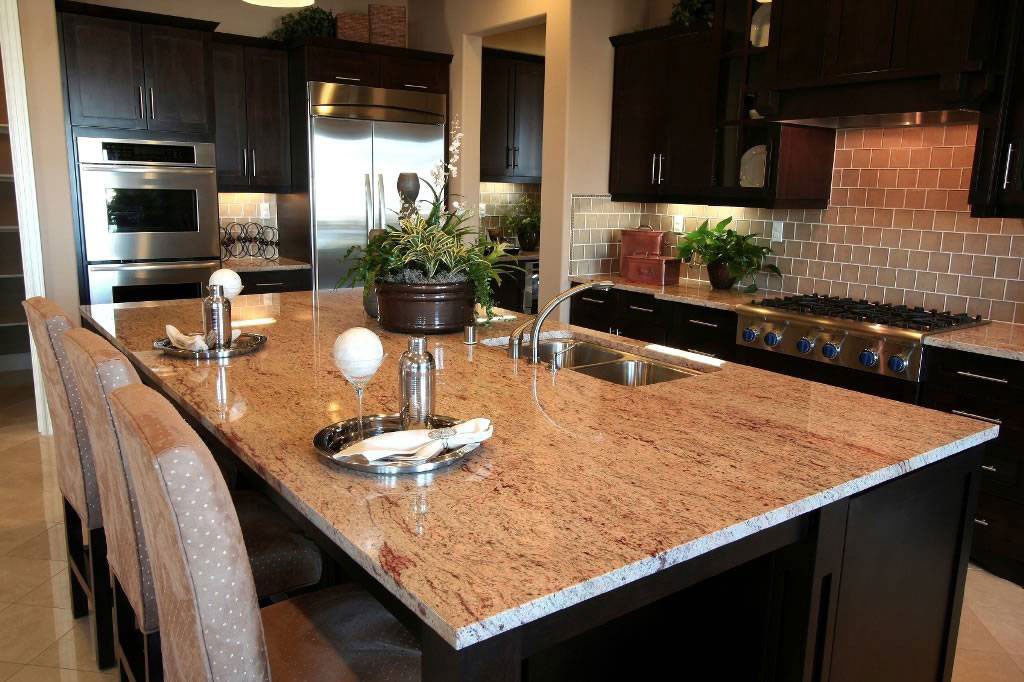
You will most commonly see Ivory Brown used in:
- Residential kitchen platforms
- Apartment staircases
- Commercial flooring
- Exterior wall cladding
- Window sills
- Steps and risers
- Budget hotel projects
- Institutional buildings
It is especially popular in large housing developments where the builder needs a balance of cost control and durability.
Why Factory Outlet Prices Are Lower
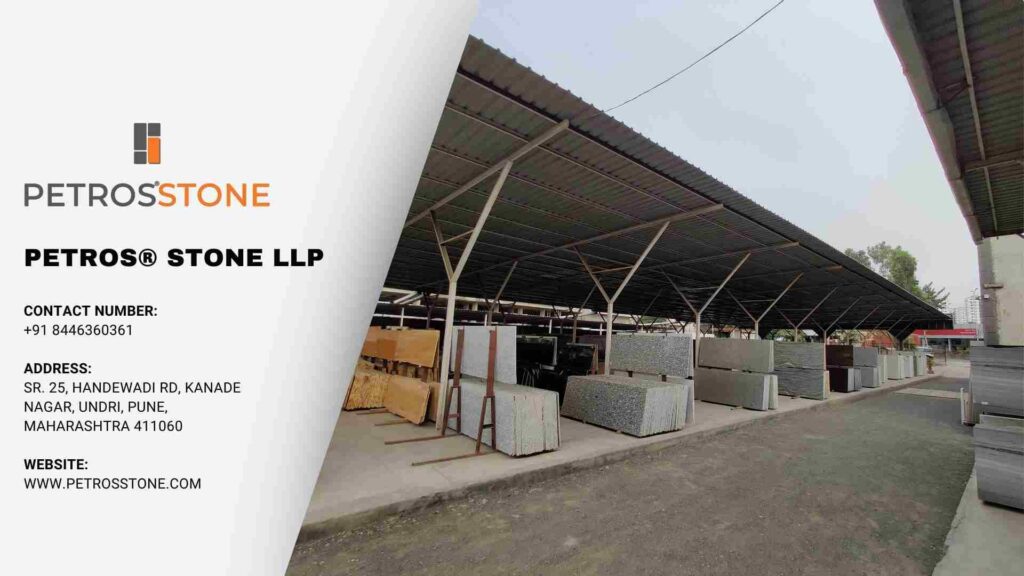
Many buyers notice a significant price difference between factory yards and city retailers.
The reasons are straightforward.
Factory outlets typically sell closer to the source. The stone has undergone:
- Cutting
- Basic polishing
- Bulk stacking
But it has not passed through multiple layers of distribution.
Retail showrooms, on the other hand, add:
- Transport costs
- Inventory holding
- Showroom overhead
- Cutting and finishing margins
- Retail profit markup
If you are buying in volume, factory purchase can save meaningful money, but only if you know how to inspect slabs properly.
Indoor vs Outdoor Use – Is Ivory Brown Suitable?
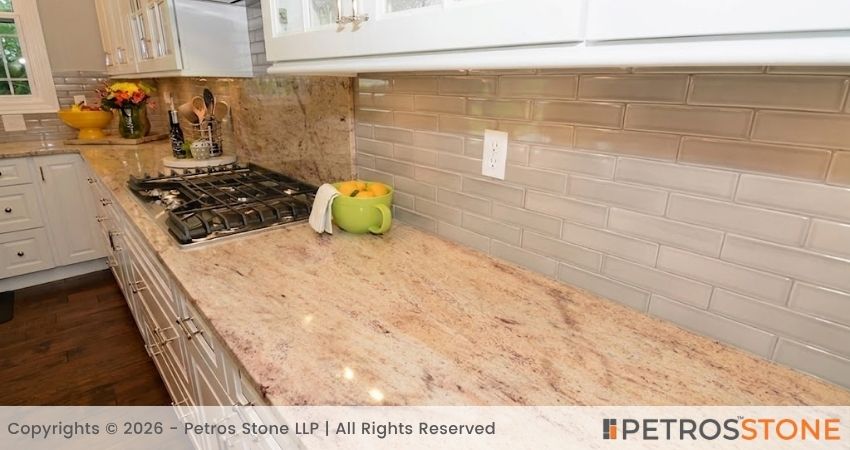
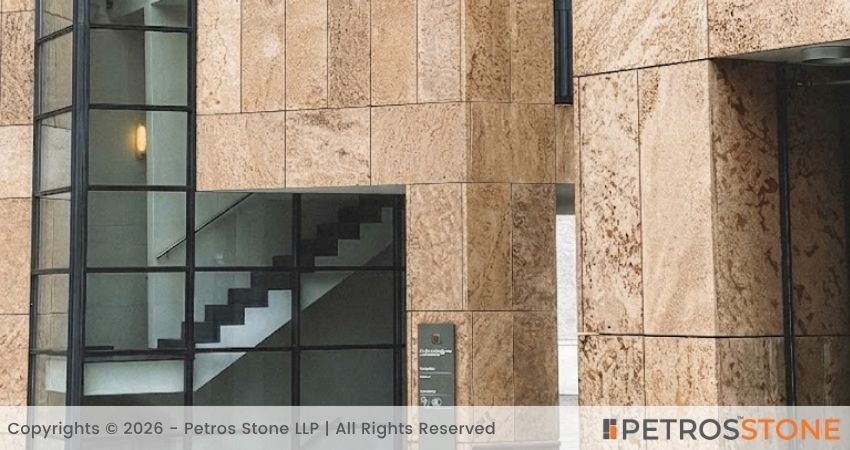
Yes, with some caveats.
Indoor Use
Ivory Brown performs reliably in kitchens, staircases, and flooring when properly sealed.
Outdoor Use
It can be used outside, but finish selection matters. For exterior areas, flamed or rough finishes perform better than high polish because they improve slip resistance and weather tolerance.
Like any natural stone, long-term outdoor performance depends on:
- Installation quality
- Base waterproofing
- Climate exposure
- Maintenance practices
It is not the most exotic facade stone, but it is certainly serviceable.
Cons of Ivory Brown Granite
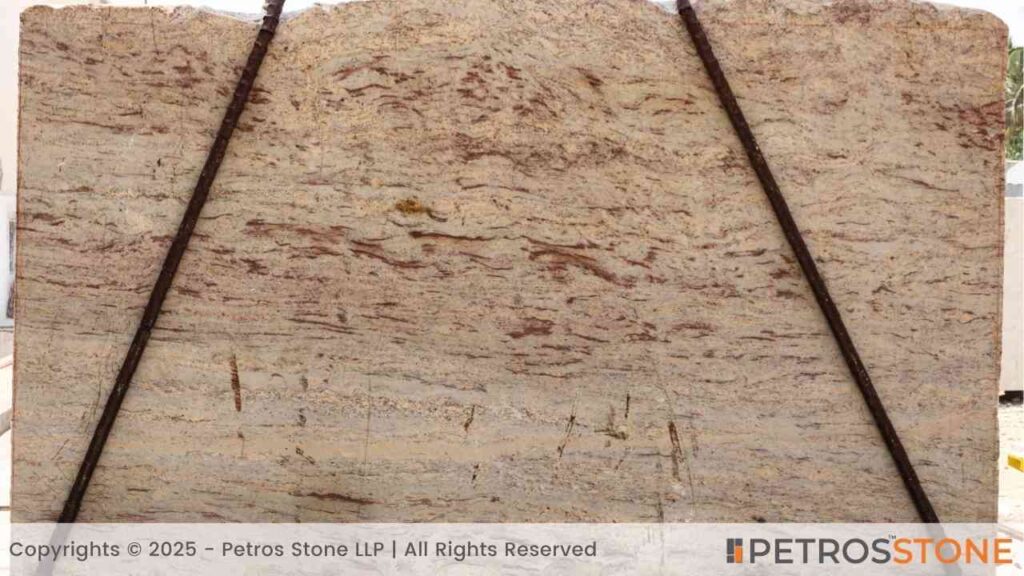
No stone is perfect, and it is better to be clear about limitations upfront.
- Ivory Brown is not a “statement luxury” stone. If you want dramatic veining like quartzite or marble, this may feel visually calm or even slightly plain.
- Color consistency can vary between lots. Large projects must secure material from the same batch.
- It is not as dense as some premium black granites, so sealing is still recommended for kitchen use.
- In very high-end luxury interiors, designers sometimes avoid it simply because the pattern is familiar in the market.
None of these are structural deal-breakers, but they are real-world considerations.
Technical Specifications & Global Testing Standards
For international buyers, performance validation is critical. Ivory Brown Granite (also sold as Shiva Gold) is typically tested as per ASTM International standards used widely in the USA, Canada, and parts of Europe.
Typical Tested Properties
| Property | Test Standard | Typical Value Range | What It Indicates |
|---|---|---|---|
| Density | — | 2.63 – 2.68 g/cm³ | Higher density = better durability and strength |
| Water Absorption | ASTM International | 0.25% – 0.45% | Lower absorption = better stain and moisture resistance |
| Compressive Strength | ASTM International | 160 – 220 MPa | Ability to withstand heavy loads (ideal for flooring & steps) |
| Flexural Strength | ASTM International | 12 – 18 MPa | Resistance to bending (important for countertops & slabs) |
Key Insight
These values place Ivory Brown within the standard durability range for global granite imports, making it suitable for countertops, flooring, and façade applications across varied climates.
Lab vs Field Reality
While ASTM values are consistent, actual performance depends on processing. Export-grade slabs (resin-treated and calibrated) perform significantly better than untreated domestic-grade material.
Durability and Resistance Properties
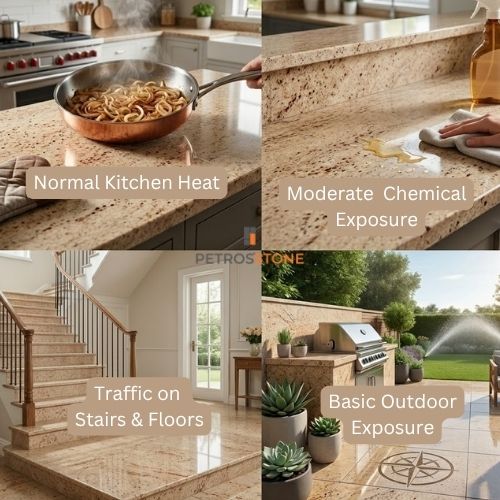
In everyday use, Ivory Brown handles:
- Normal kitchen heat
- Moderate chemical exposure
- Foot traffic on stairs and floors
- Basic outdoor exposure (with correct finish)
It is not indestructible, but it is forgiving enough for most usage patterns.
That is one of the reasons contractors continue specifying it.
Maintenance Tips for Ivory Brown Granite
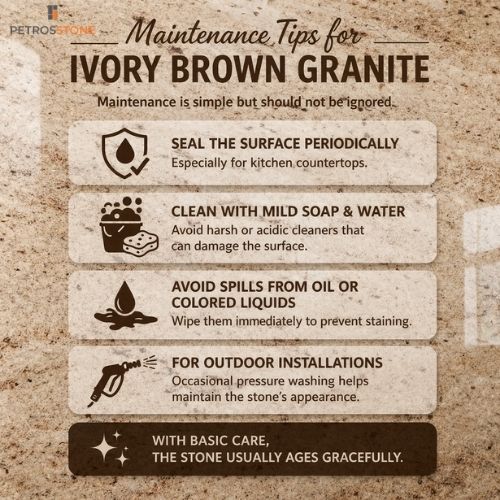
Maintenance is simple
- Seal the surface periodically.
- Clean with mild soap and water.
- Avoid allowing oil or colored liquids.
- Occasional pressure washing is highly recommended for outdoor installations.
Where to Buy?
You generally have two main options.
Factory Outlets
Best for bulk buyers, builders, and experienced homeowners who know how to inspect slabs. Prices are lower, but responsibility for quality checking is higher.
Local Retailers
More convenient for smaller residential buyers. You get curated selection and sometimes better finishing support, but pricing is higher.
There is no universal right choice – it depends on your comfort level with stone inspection and logistics.
What to Check Before Purchasing
Before finalising Ivory Brown, always:
- Inspect color consistency across slabs
- Check for major cracks or filled lines
- Confirm thickness uniformity
- Examine polish quality under strong light
- Verify batch continuity for large projects
Never rely purely on photos or sample pieces.
Importance of Inspecting Slabs in Person
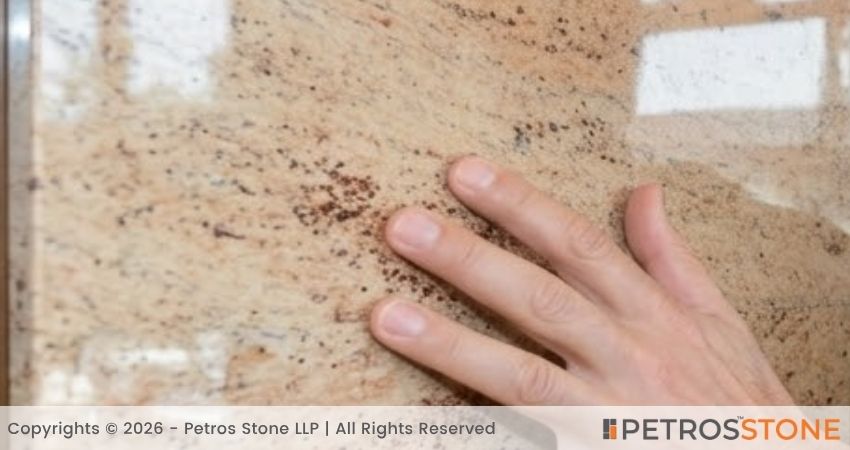
Natural stone is never perfectly uniform. Ivory Brown in particular can shift in tone from lot to lot.
If possible, physically inspect the slabs you will receive. Look at them vertically under good lighting. Walk the entire stack.
This single step prevents most buyer regrets in the natural stone industry.
FAQs
Is Ivory Brown granite good for kitchen countertops?
Yes, especially in 3 cm thickness with proper sealing. It performs reliably for normal cooking.
Does Ivory Brown granite stain easily?
It has moderate porosity. With sealing and basic cleaning, staining is generally manageable.
Is Shiva Gold the same as Ivory Brown?
In most markets, the terms are used interchangeably, though slight tonal variations may exist between quarry lots.
Is it suitable for outdoor use?
Yes, particularly in flamed or textured finish, provided installation is done properly.
Key Takeaways
- Ivory Brown Granite has stayed relevant for a reason. It may not be the most fashionable stone in the yard, but it delivers where it matters. Cost stability, dependable performance, and broad usability.
- As always with natural stone, the real difference lies not just in the name of the material, but in the quality of the slab. The difference lies in the processing, and the care taken during selection and installation.
- Choose carefully, inspect personally, and the stone will usually do its job for years without complaint.
Feel free to get in touch for a free consultation, quote, and get a detailed understanding from our experts here at Petros®. Visit www.petrosstone.com or call +91-8446360361 or WhatsApp

Hi, I’m Shivangi,
With years of experience in the architecture and design space, I write to bridge the gap between material knowledge and practical application. At Petros® Stone, I create content that highlights the beauty, function, and impact of natural stones, helping homeowners and professionals make confident design decisions.
Explore my LinkedIn profile to learn more about my work!

Brown Granite

White Galaxy Granite

Blue Bahia Granite

Silver Cloud Granite

Black Pearl Granite

Dallas White Granite