Sandstone’s beauty and functionality have been beautifying the earth for aeons. Sandstone has exceptional qualities that make it a preferred stone for architects, builders, contractors, and homeowners, whether used for residential or commercial construction. It originates from Agra, because iron oxides are present close to the bedding places. Red Sandstone is also known as Dholpur red sandstone. The ornamental versatility of Agra Red sandstone is still unmatched. It has thus gained popularity among architects as a building material; the variety of sizes permits some creativity in laying design. The edges are crucial to the overall design of the structure in which they are used and the production of beautiful objects and artefacts. The color of this sandstone varies from pale to deep red.
In this article, we explore everything you need to know about Indian Red Sandstone — from its price, key varieties, and standard sizes to its applications, finishes, and maintenance tips. Whether you are an architect designing a grand façade or a homeowner planning outdoor paving, this guide will help you choose the right type of red sandstone for your project.
Indian Red Sandstone – Price
| Stone Type | Key Origin/Name | Images | Indicative Price Range (Tiles/Cut-to-Size)* | Primary Characteristics & Durability | Best Suited Applications |
|---|---|---|---|---|---|
| 1. Agra Red Sandstone | Dholpur Red | 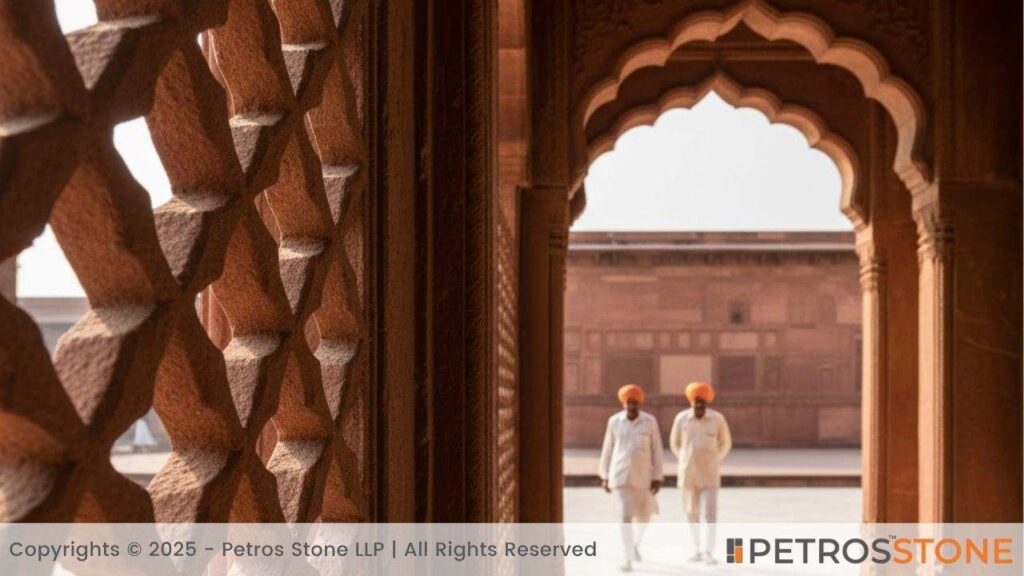 | $0.20 – $0.51 per Sq. Ft.(Basic Finishes) | Classic rose-red to reddish-brown hue. Fine, even grain. Excellent workability and historically significant. Lower density than Mandana. | Monuments (Red Fort), Wall Cladding, Heritage Restoration, Paving, Exterior Facades. |
| 2. Red Mandana Sandstone | Lalitpur Red | 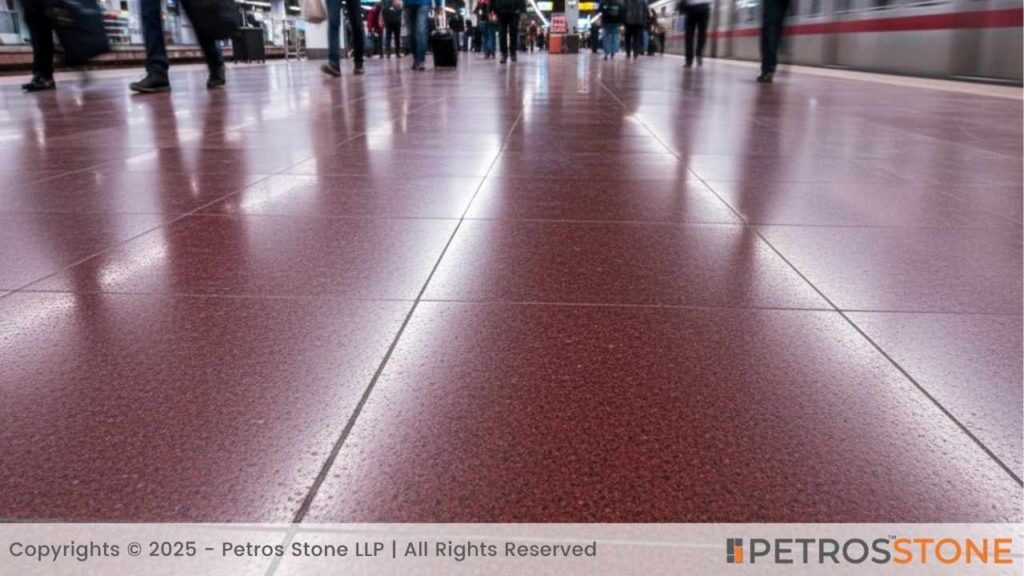 | $0.27 – $0.74 per Sq. Ft.(Basic to Polished) | Deep wine-red to dark maroon color. Hardest and densest of the three. Exceptional resistance to abrasion, acids, and chemicals. | Industrial Flooring, Chemical Factories, Railway Platforms, Heavy-Traffic Commercial Areas, Durable Outdoor Paving. |
| 3. Jodhpur Red Sandstone | Jodhpur Pink/Red | 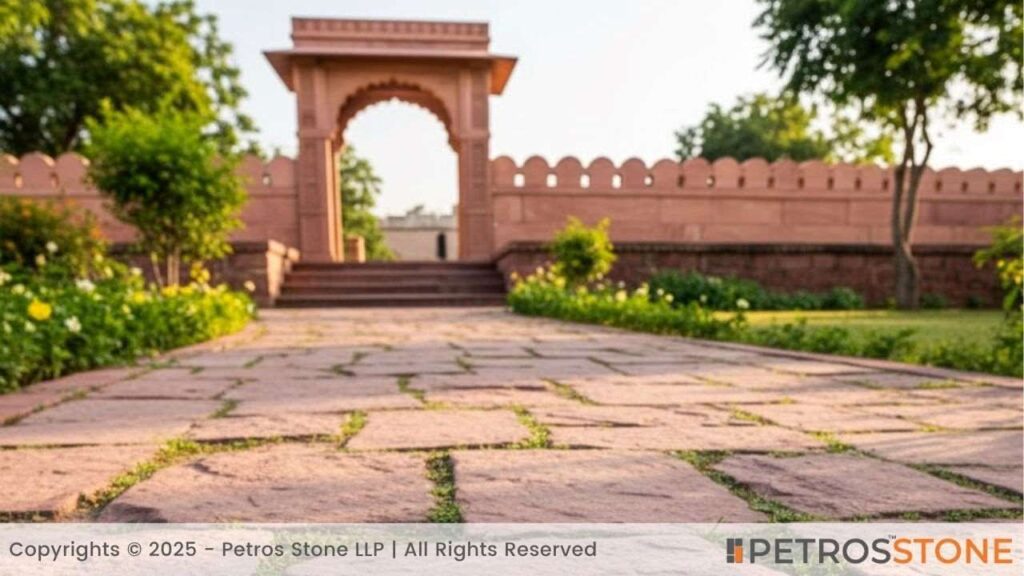 | $0.46 – $0.85 per Sq. Ft.(Natural to Honed) | Rich reddish-pink with occasional brown/purple veining. Coarse natural texture. Excellent weather resistance and vibrant hue. | Paving, Boundary Walls, Pillars, Garden Structures, Traditional Rajasthani Architecture, Landscaping. |
Indian Red Sandstone – Standard Sizes
| Category | Common Sizes (cm) | Typical Applications | Remarks |
|---|---|---|---|
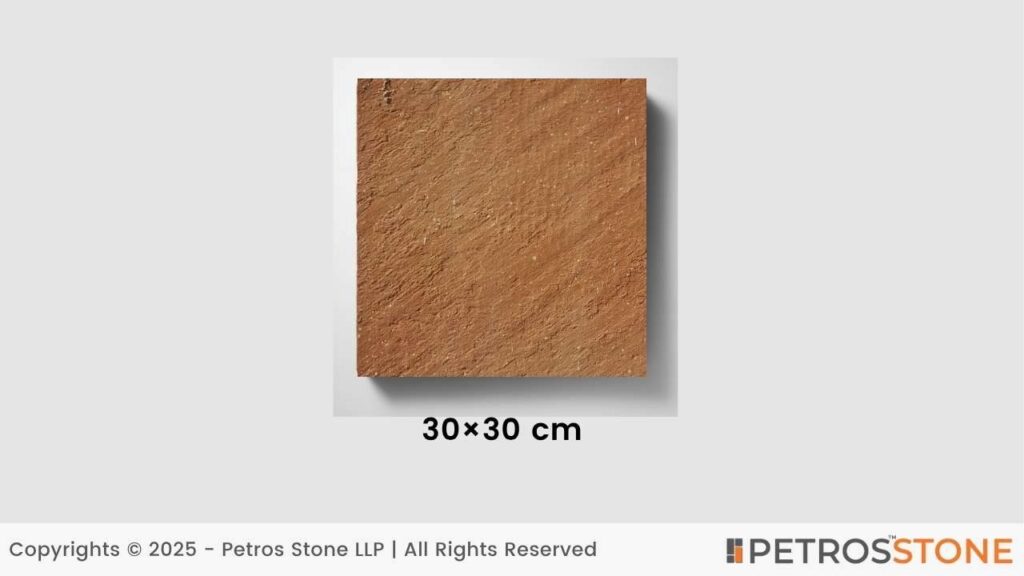
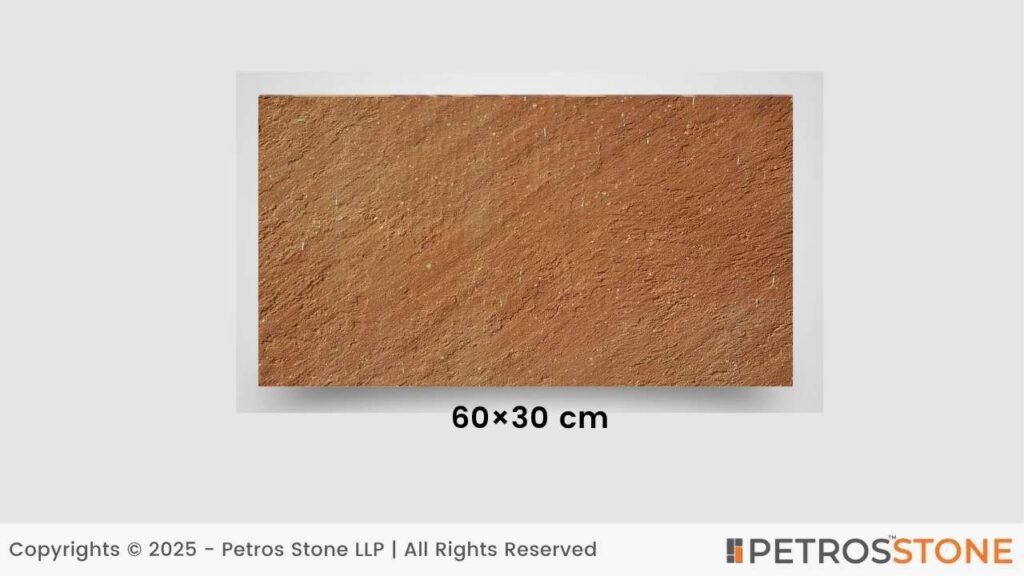
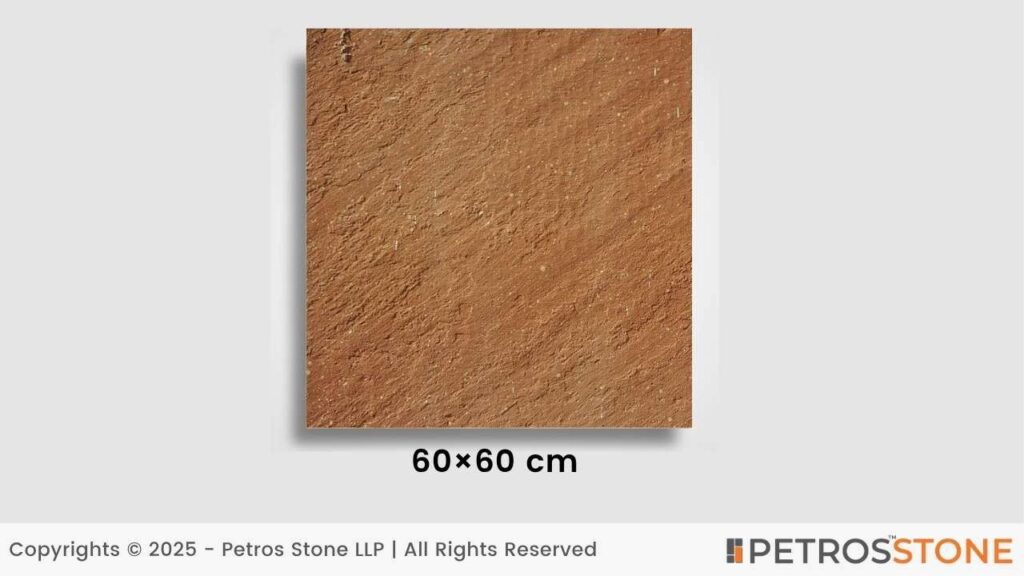
| Tiles | 30×30, 60×30, 60×60, 60×90 | Indoor flooring, wall cladding, pathways | Most popular size range; easily customizable |
| Slabs | Width: 60–120Length: 120–210 | Exterior wall facades, building fronts | Custom sizes available on order |
| Blocks | 120×60×60 and above | Monuments, sculpture, heavy architecture | Cut directly from quarries for bespoke designs |
| Cut-to-Size Pieces | 40×40, 60×40, 80×40 | Steps, risers, coping stones | Precision cutting available for exact fit |
| Thickness Options | 15mm, 18mm, 20mm, 30mm, 40mm, 50mm+ | Varies by use | Thicker slabs used for exterior and load-bearing applications |
- What is Indian Red Sandstone?
- Main Types of Indian Red Sandstone
- Indian Red Sandstone – Versatile Uses
- Popular Finishes of Red Sandstone
- Standard Sizes of Indian Red Sandstone (Tiles)
- Indian Red Sandstone – Standard Sizes
- Indian Red Sandstone – Price
- Factors Affecting the Cost of Indian Red Sandstone
- Famous Structures Made of Indian Red Sandstone
- Benefits of Indian Red Sandstone
- Maintenance Tips for Indian Red Sandstone
- Installation Guide for Indian Red Sandstone
- FAQs
- Key Takeaways
What is Indian Red Sandstone?
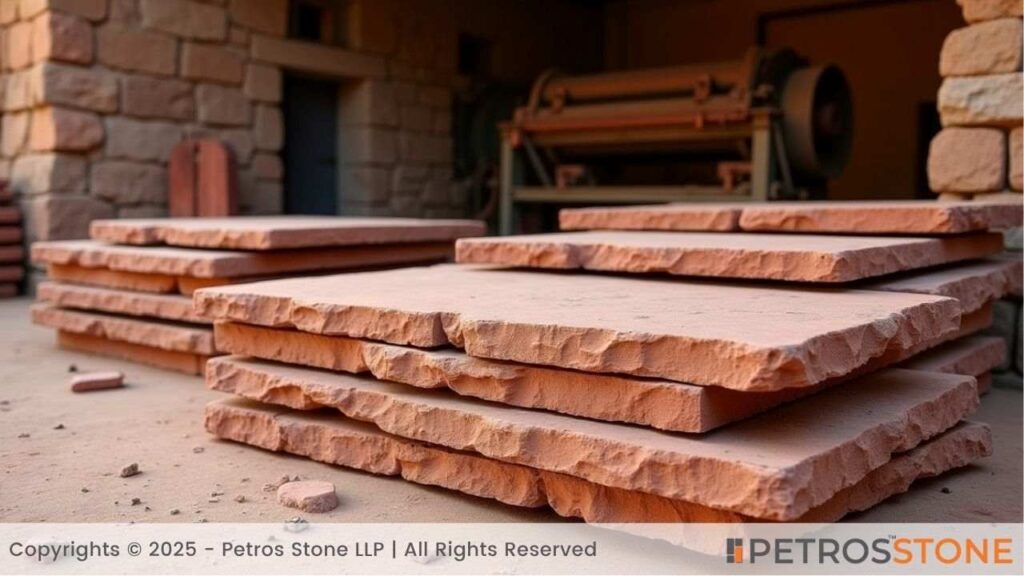
Indian Red Sandstone is a sedimentary rock formed from compacted sand and iron oxides, which give it the distinctive reddish hue. Its fine-grained structure makes it easy to cut and carve, while its moderate porosity allows for good weather resistance.
This stone is widely quarried across Rajasthan, particularly in Dholpur, Karauli, Bharatpur, and Agra, each region producing slightly different tones of red — ranging from deep chocolate-red to light pinkish red.
Key Features
- Distinct rustic red to terracotta shades
- Excellent weather resistance for outdoor use
- Smooth surface ideal for carving and detailing
- Easily available in tiles, slabs, and blocks
- Suitable for paving, wall cladding, and garden features
Main Types of Indian Red Sandstone
Although India produces dozens of sandstone varieties in different hues, three major types stand out for their deep red color, historical use, and global recognition. These are the stones most commonly identified as authentic Indian Red Sandstone.
1. Agra Red Sandstone (Dholpur Red)
Origin: Agra and Dholpur region, Rajasthan–Uttar Pradesh border
Appearance: Classic rose-red to dark reddish-brown color with a fine, even grain.
Characteristics: Durable, easy to carve, and widely used in Mughal architecture — including the Red Fort, Fatehpur Sikri, and Humayun’s Tomb.
Applications: Wall cladding, monuments, paving, and exterior facades.
Remarks: The most iconic red sandstone of India, renowned for both heritage and modern architecture.
2. Red Mandana Sandstone (Lalitpur Red)
Origin: Lalitpur, Uttar Pradesh
Appearance: Deep, wine-red to dark maroon shade with high density and uniform texture.
Characteristics: Harder and denser than most sandstones, giving it exceptional resistance to abrasion and chemicals.
Applications: Industrial flooring, railway platforms, and heavy-traffic areas.
Remarks: Sometimes marketed as Lalitpur Red Sandstone, it is distinct for its deep red tone and superior durability, making it ideal for both commercial and decorative use.
3. Jodhpur Red Sandstone
Origin: Jodhpur, Rajasthan
Appearance: Rich reddish-pink tone, occasionally veined with brown or purple shades.
Characteristics: Excellent weather resistance, good workability, and a coarse natural texture that enhances outdoor aesthetics.
Applications: Paving, boundary walls, pillars, and garden structures.
Remarks: Extensively used in traditional Rajasthani and modern contemporary designs due to its vibrant hue and robustness.
Other Red-Toned Variants
While the above three dominate in architectural and commercial use, certain related sandstones like Modak Sandstone (reddish-orange mix) and Panther Sandstone (pinkish-brown tone) are sometimes marketed as red sandstones. However, these are blends with other hues rather than true red stones.
Indian Red Sandstone – Versatile Uses
Indian Red Sandstone features a vibrant rusty hue from Rajasthan’s sunbaked landscapes. This natural stone combines durability with striking aesthetics for many projects. Builders and designers value it because it withstands time while adding warmth to spaces. You can slice it thin for delicate accents or carve it bold for statements. In 2025, sustainable materials gain popularity, and this stone fits perfectly. It remains eco-friendly and requires low maintenance for versatile uses. Let’s explore how it transforms construction and design into lasting legacies.
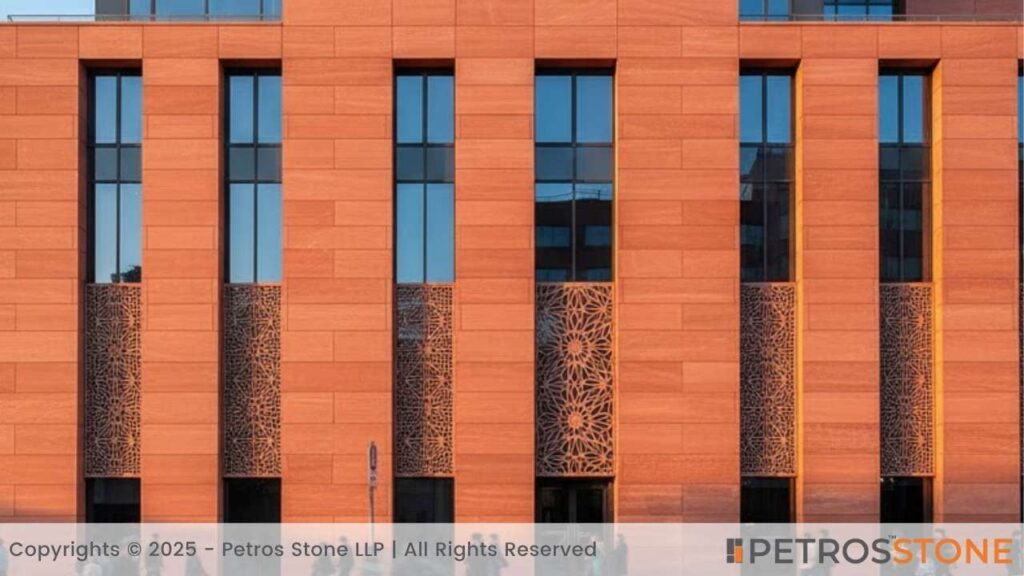
Building Facades
Picture a modern office tower covered in the glowing red of Indian Red Sandstone. This stone elevates exteriors with its iron oxide-infused color that deepens in sunlight. Architects select it for high-rises and heritage revamps to create textured shields. Rain beads off its sealed surface, while UV rays barely fade the bold tone. In urban settings, these facades draw eyes and spark conversations among passersby. Developers in Delhi’s commercial strips layer it over concrete bases for Mughal grandeur. The stone’s natural layers allow subtle patterns like stacked courses mimicking waves. Professionals install it with mortar joints or clip systems for secure fits. It provides mild insulation to keep interiors cooler during scorching Indian summers. Homeowners retrofit bungalows to turn bland stucco into vibrant entryways. Guests feel welcomed by the earthy elegance it brings to the space. Pair it with glass panels for contemporary twists or let it stand alone. Indian Red Sandstone turns facades into storytelling canvases of endurance and beauty.
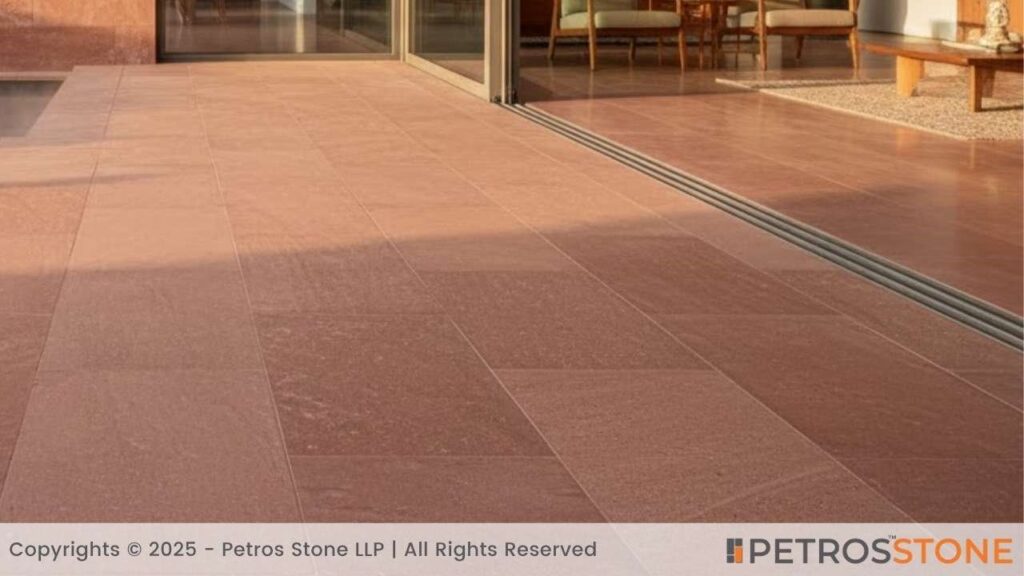
Flooring
Step onto Indian Red Sandstone flooring and feel history under your feet with each step. This material covers living rooms, hallways, and patios with effortless grace and durability. Its flat honed slabs, often 2 feet by 2 feet, lay smooth yet grippy for high-traffic zones. The red tones warm up cool modern interiors while contrasting crisp whites or sleek woods. Designers favor it for open-plan homes where visual flow matters most. In a cozy Jaipur villa, wide planks create continuity from kitchen to terrace seamlessly. The stone resists scratches from daily wear and shrugs off spills when sealed properly. Thickness varies from half an inch indoors to beefier cuts for outdoor footfall. Installers level the subfloor first, then mortar down pieces in running bond patterns. What sets it apart includes subtle veining like frozen rivers in rust for added depth. In 2025 trends, mix it with underfloor heating to hold warmth during cold winters. It suits minimalist lofts and opulent lobbies while proving floors need not be forgettable. Homeowners report it ages gracefully with a soft patina telling family stories.
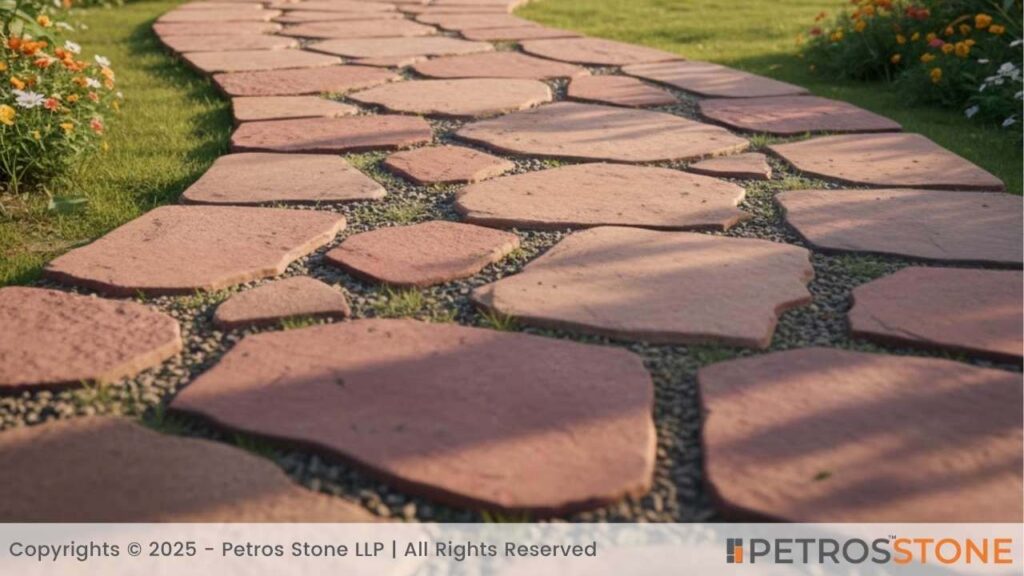
Paving and Walkways
Indian Red Sandstone paves paths that invite leisurely strolls through gardens and estates. Garden walkways and driveway aprons come alive under its rugged yet charming texture. Irregular flags tumbled for authenticity interlock loosely or tightly based on the desired vibe. Water drains easily through joints to prevent puddles on rainy days effectively. Landscapers swear by it for suburban estates where winding trails wind past flower beds. Picture a curving path in a Delhi suburb with red slabs softened by moss over time. The stone’s density around 2,600 kg per cubic meter handles vehicle loads without cracking. Skid resistance shines in wet climates as textured finishes grip shoes firmly. This reduces slip risks in areas with frequent moisture exposure. For urban parks, larger calibrated pavers form grand plazas where crowds gather comfortably. Installers use sand-set methods for permeable designs that recharge groundwater in dry regions.. Vary sizes for interest by mixing 12-inch squares with rectangles for patchwork effects. It blends with gravel borders or brick edgings to craft structured yet free-spirited paths. Families cherish these walkways where kids chase butterflies during evening sunsets.
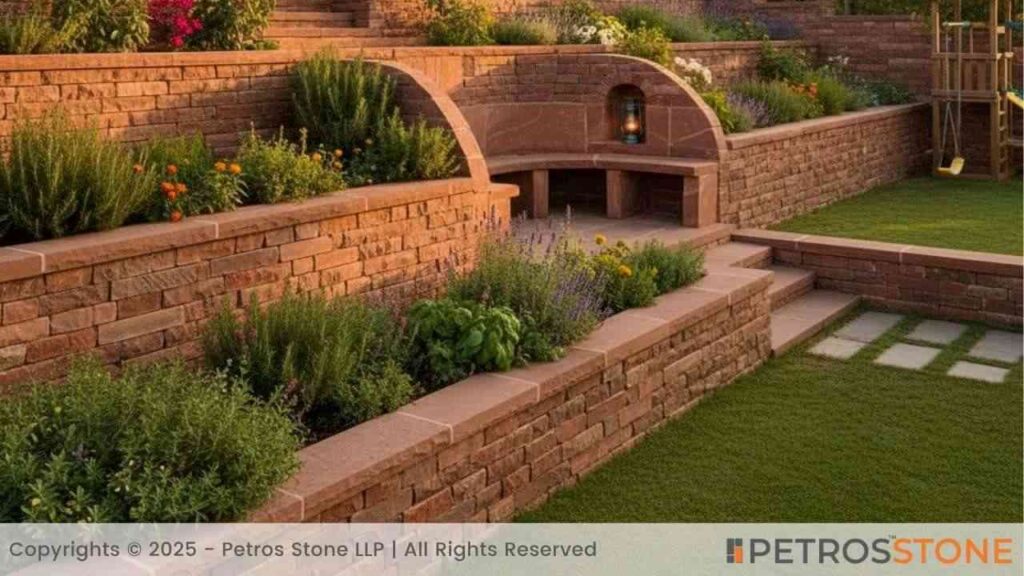
Retaining Walls and Garden Features
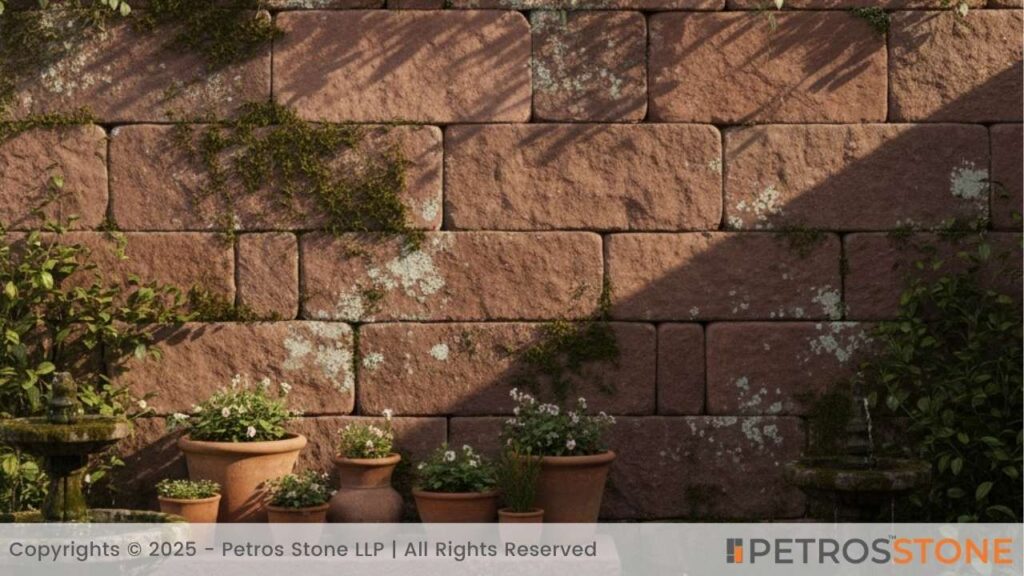
Build boundaries that breathe life with Indian Red Sandstone retaining walls on sloped yards. These stackable blocks hold back soil to prevent erosion while adding sculptural flair to landscapes. Dry-stacked for drainage or mortared for solidity, they rise sturdy against earth’s constant push. Gardeners integrate them into terraced plots for functional yet beautiful herb beds. In Mumbai’s hilly enclaves, curved walls frame greenery with red hues popping against foliage. The stone’s compressive strength up to 100 MPa ensures longevity even in seismic zones. Add capstones for tidy tops or embed niches for lanterns flickering at dusk. It also crafts benches and low dividers to separate play areas from quiet reading spots. Maintenance stays light with quarterly dirt brushing and sealing every two years. Designers layer vines over it to turn functional barriers into living art pieces. Your garden evolves into a red-threaded sanctuary where stone meets soil harmoniously.
Decorative Elements
Sprinkle Indian Red Sandstone into accents that steal the show in any interior or exterior. Wall panels and medallions bring texture to bland spaces with intricate jaali screens. Carve it into perforated lattices that filter light like delicate lace patterns. Interiors glow with its use in etched backsplashes behind bars catching steam and sighs. In a Bangalore cafe, designs echo ancient temples while polishing to a subtle sheen. This highlights fine details without creating unwanted glare in the space. For fireplaces, surround mantels with slim tiles where flames dance on red waves. It warms hearts as much as hearths during cozy gatherings. Outdoors, fountains bubble from carved basins with water trickling over smooth curves. Mix with metals for contrast as brass inlays on red grounds create heirloom vibes. These elements whisper luxury while turning everyday corners into cherished focal points.
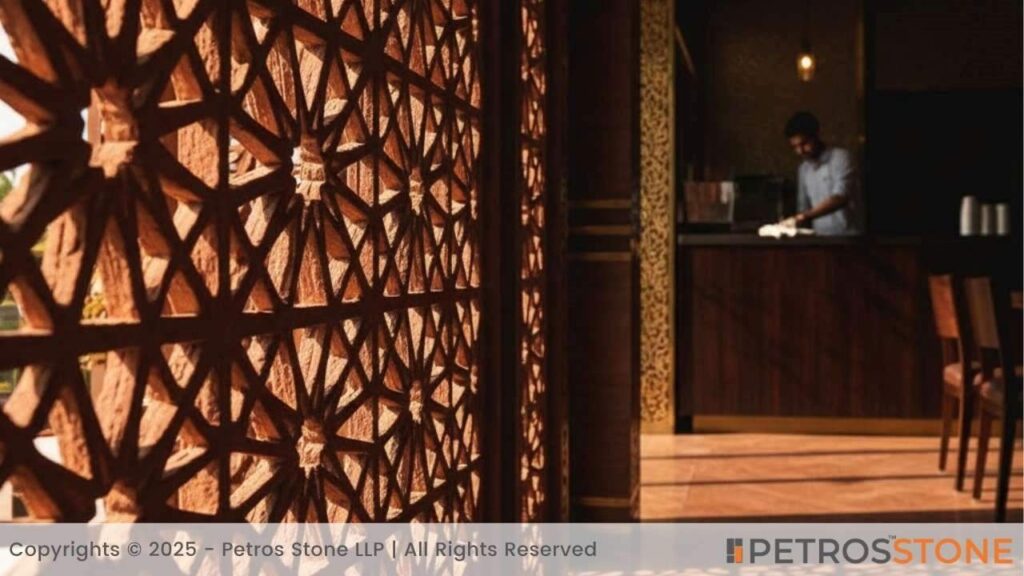
Art and Sculpture
Artists chisel Indian Red Sandstone into forms that pulse with life and emotion. Its workability is soft enough for tools yet hard for detail fuels endless creativity. Sculptors favor it for busts and abstracts where the red base yields to chisels gracefully. Galleries showcase towering figures from Rajasthan quarries standing tall and proud. A Mumbai atelier might craft a family totem with curves evoking desert winds softly. The stone holds fine lines from feathery hair to rippled robes with precision. Weather it outdoors and patina adds soul as fading edges tell exposure’s tale. Public commissions thrive on it too with park statues standing sentinel against green backdrops. Tools like pneumatic hammers speed rough cuts while hand-finishing polishes the poetry. Yet its accessibility inspires amateurs as backyard carvers start small on affordable blocks. Art from this stone does not just decorate spaces but dialogues with viewers. It stirs emotions in silent solidarity across generations.
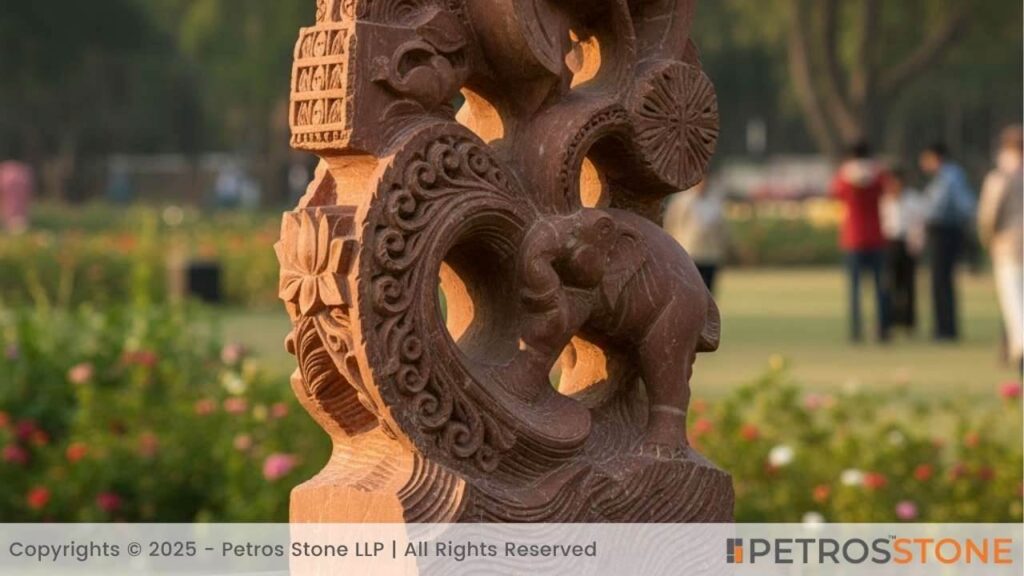
Landscaping
Indian Red Sandstone landscapes whisper of wild beauty tamed into harmonious designs. Mulch beds with its chips for weed-free grounds that retain moisture effectively. Or edge ponds with boulders where red forms mirror the sky above beautifully. In resort designs, winding streams lined with flags create zen retreats for relaxation. The stone’s porosity lets roots grip while supporting climbers like bougainvillea in fiery cascades. For rooftop terraces, lightweight slabs pave sun decks soaking heat for balmy evenings. Sustainability seals its appeal as quarry waste recycles into paths cutting carbon footprints. Landscaping here composes symphonies of stone and soil inviting pause.
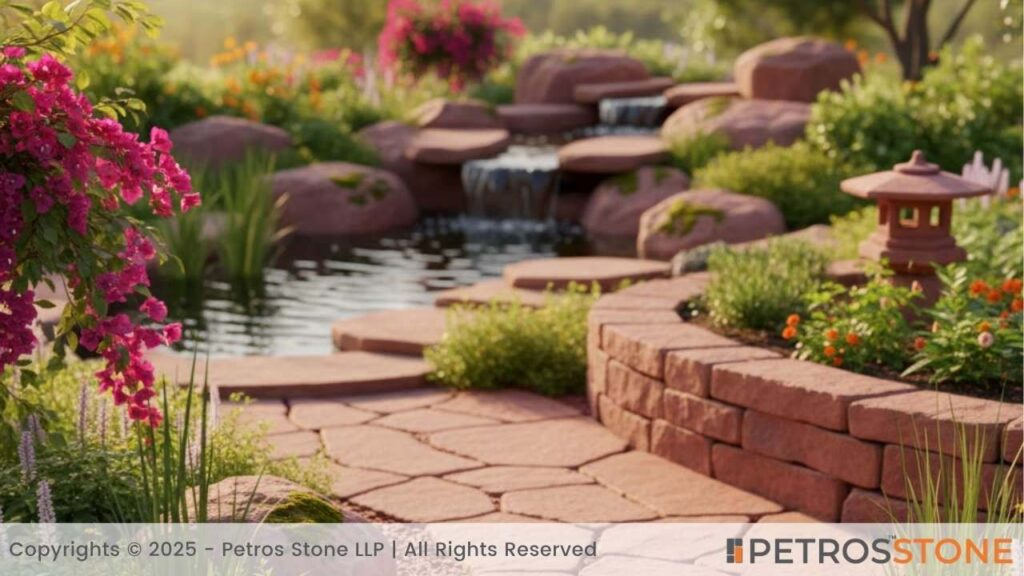
Monuments
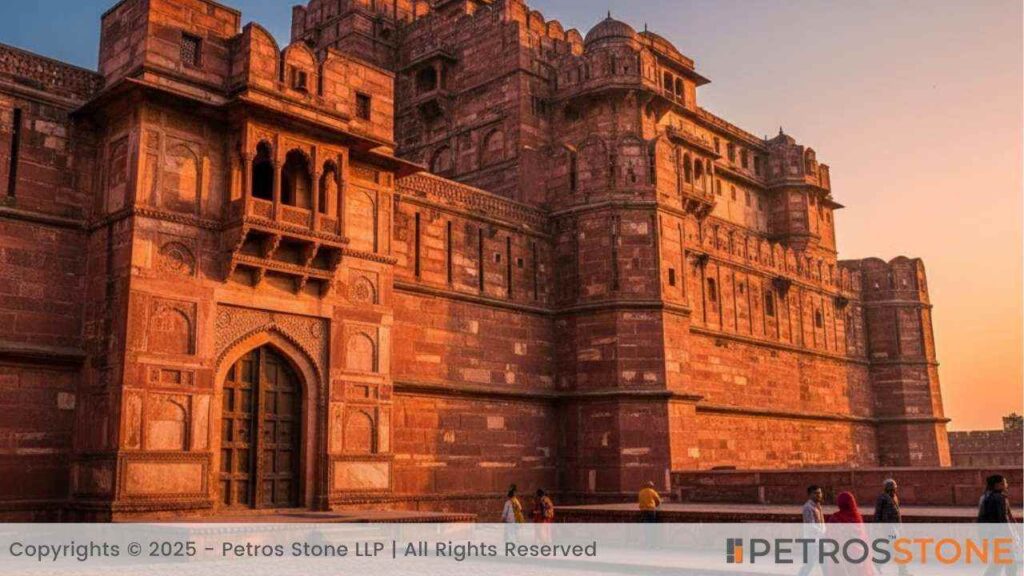
Erect legacies with Indian Red Sandstone monuments demanding reverence and respect. Its imperial red suits memorials from war cenotaphs to civic plinths standing unyielding. Jaipur’s forts prove its pedigree as centuries-old walls defy monsoons year after year. The stone’s uniformity ensures even aging with no weak spots to crumble over time. Engineers bolt bases for stability topping with engraved caps for finishing touches. Inscribe names or symbols as the red amplifies their profound weight. Monuments from this stone do not fade but evolve etching human stories into earth’s red heart.
Across these uses, Indian Red Sandstone proves a chameleon of craft in every application. It builds structures, beautifies surroundings, and endures linking past to present in crimson strokes. Designers lean harder into its green credentials blending tradition with tomorrow’s needs. Whether cladding a skyscraper or edging a herb garden, it delivers impact profoundly.
Popular Finishes of Red Sandstone
Red sandstone can be finished in various ways to enhance both aesthetics and durability. The choice of finish often depends on the intended application.
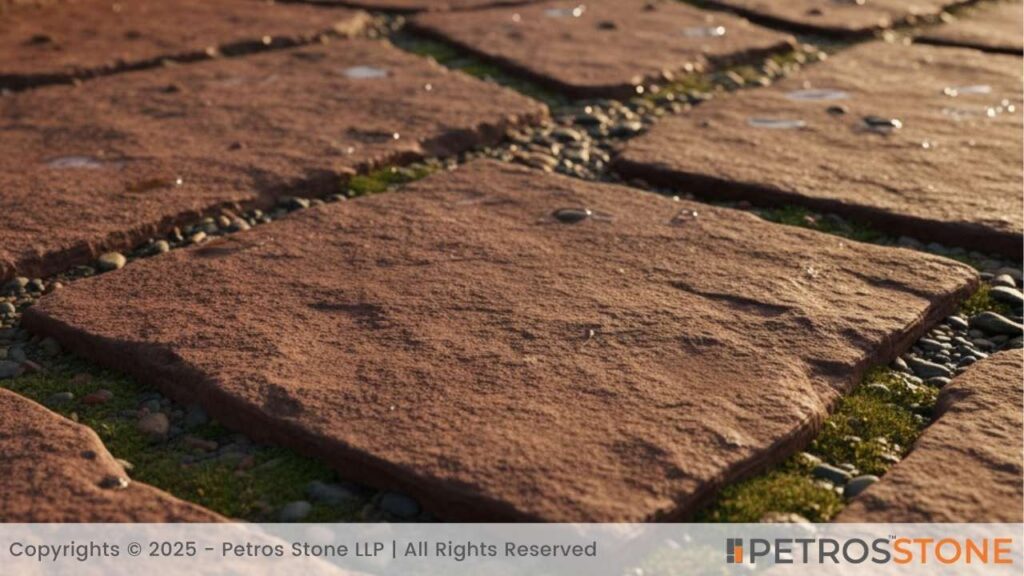
1. Natural Split Finish
This unprocessed surface retains the authentic rustic look, perfect for wall cladding and garden paving.
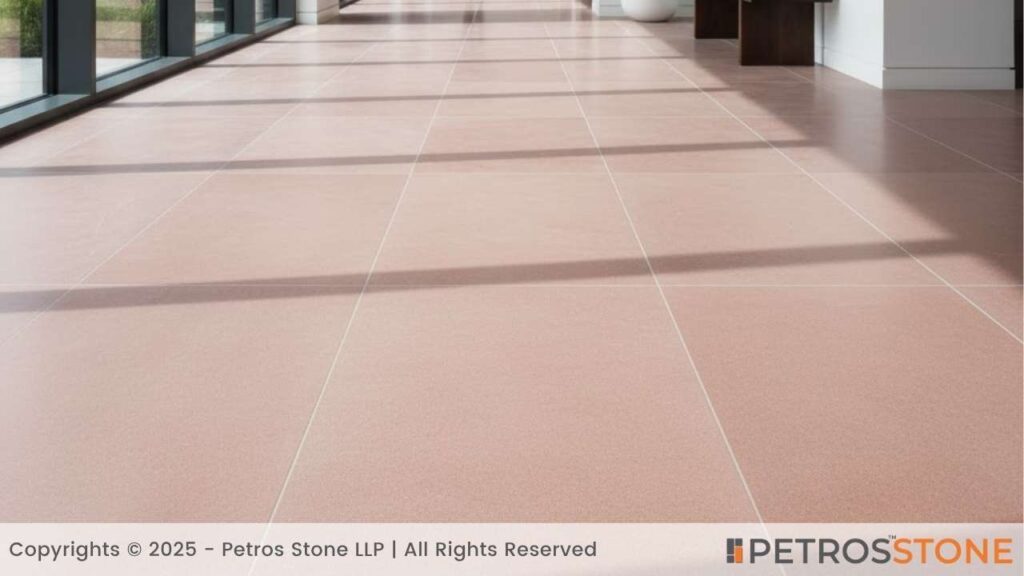
2. Honed Finish
Gives a smooth, matte surface with low reflectivity, ideal for interiors and pathways.
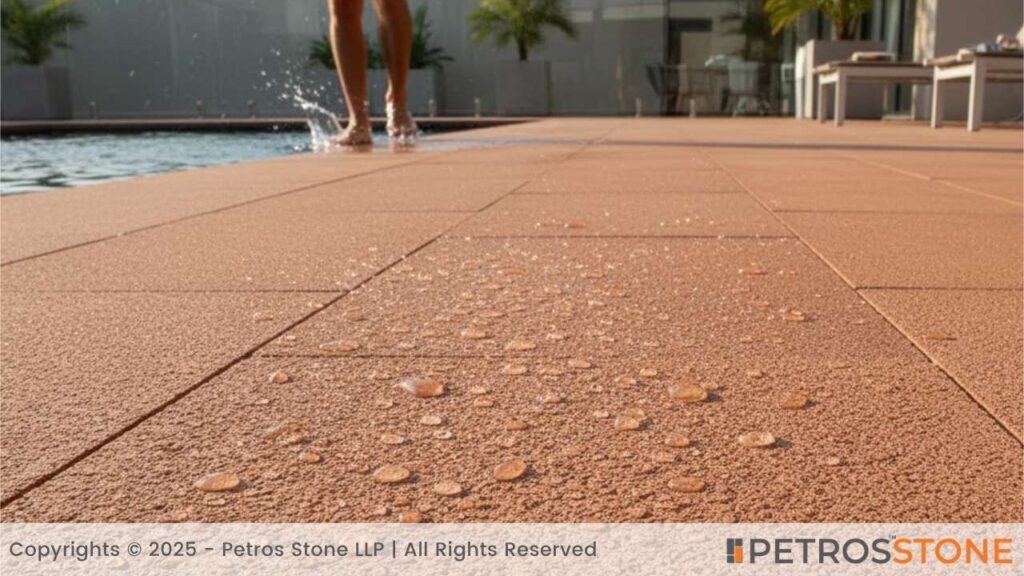
3. Sandblasted Finish
Provides a non-slip texture, excellent for outdoor flooring, driveways, and pool decks.
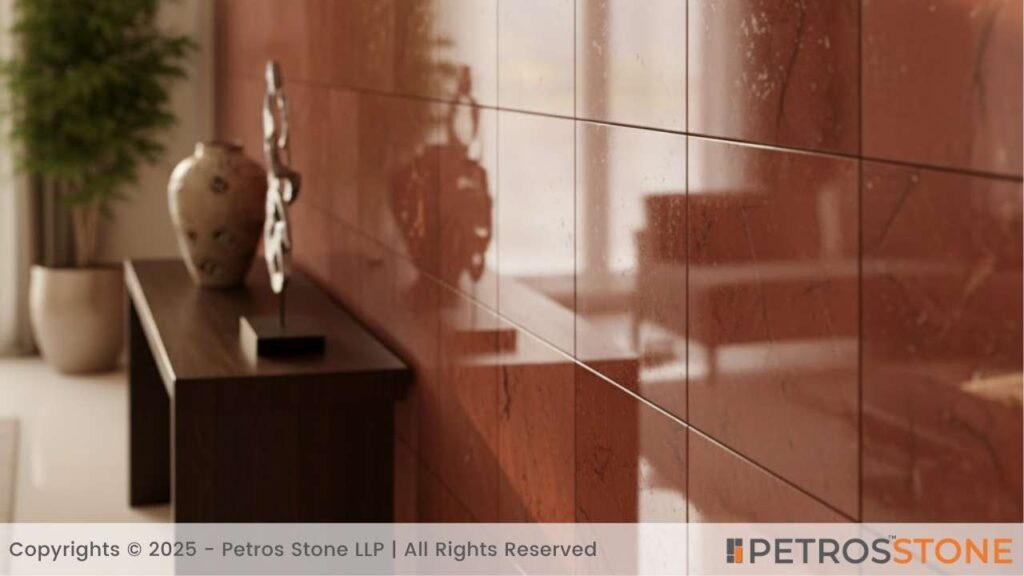
4. Polished Finish
A glossy finish that enhances the color vibrancy, suitable for decorative walls and interiors.
5. Brushed or Antique Finish
Used to create a soft, aged texture for vintage-style facades or landscaping.
Standard Sizes of Indian Red Sandstone (Tiles)
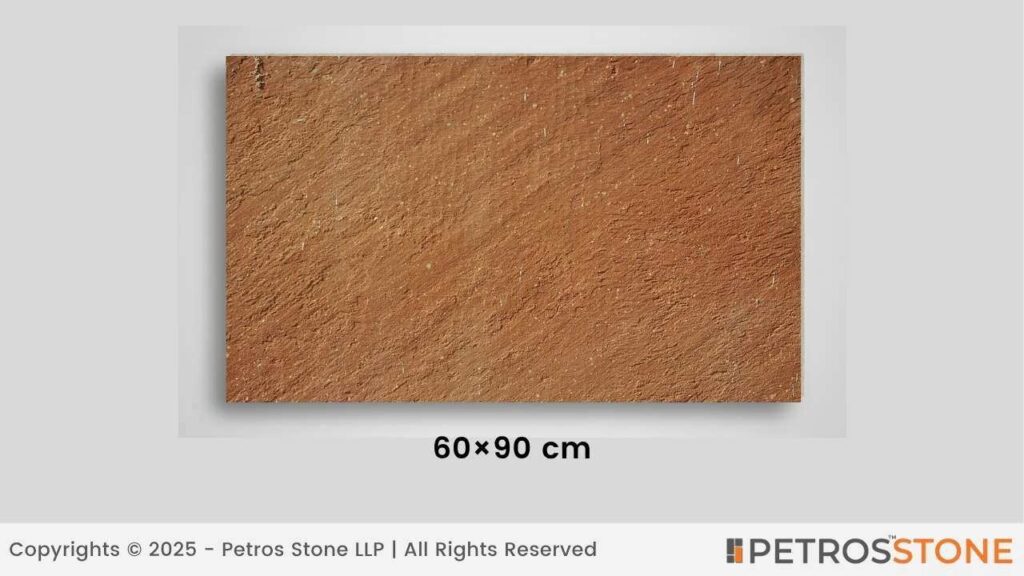
Indian Red Sandstone – Standard Sizes
| Category | Common Sizes (cm) | Typical Applications | Remarks |
|---|---|---|---|
| Tiles | 30×30, 60×30, 60×60, 60×90 | Indoor flooring, wall cladding, pathways | Most popular size range; easily customizable |
| Slabs | Width: 60–120Length: 120–210 | Exterior wall facades, building fronts | Custom sizes available on order |
| Blocks | 120×60×60 and above | Monuments, sculpture, heavy architecture | Cut directly from quarries for bespoke designs |
| Cut-to-Size Pieces | 40×40, 60×40, 80×40 | Steps, risers, coping stones | Precision cutting available for exact fit |
| Thickness Options | 15mm, 18mm, 20mm, 30mm, 40mm, 50mm+ | Varies by use | Thicker slabs used for exterior and load-bearing applications |
Indian Red Sandstone – Price
| Stone Type | Key Origin/Name | Indicative Price Range (Tiles/Cut-to-Size)* | Primary Characteristics & Durability | Best Suited Applications |
| 1. Agra Red Sandstone | Dholpur Red | $0.20 – $0.51 per Sq. Ft.(Basic Finishes) | Classic rose-red to reddish-brown hue. Fine, even grain. Excellent workability and historically significant. Lower density than Mandana. | Monuments (Red Fort), Wall Cladding, Heritage Restoration, Paving, Exterior Facades. |
| 2. Red Mandana Sandstone | Lalitpur Red | $0.27 – $0.74 per Sq. Ft.(Basic to Polished) | Deep wine-red to dark maroon color. Hardest and densest of the three. Exceptional resistance to abrasion, acids, and chemicals. | Industrial Flooring, Chemical Factories, Railway Platforms, Heavy-Traffic Commercial Areas, Durable Outdoor Paving. |
| 3. Jodhpur Red Sandstone | Jodhpur Pink/Red | $0.46 – $0.85 per Sq. Ft.(Natural to Honed) | Rich reddish-pink with occasional brown/purple veining. Coarse natural texture. Excellent weather resistance and vibrant hue. | Paving, Boundary Walls, Pillars, Garden Structures, Traditional Rajasthani Architecture, Landscaping. |
Factors Affecting the Cost of Indian Red Sandstone
- Thicker slabs (e.g., 40mm+) or larger custom dimensions increase material and cutting costs significantly.
- Premium finishes like honed or bush-hammered add labor for processing, raising prices by 20-30%.
- Bulk purchases lower per-unit costs, while small orders incur higher shipping and handling fees.
- Premium quarry selections from Rajasthan command higher rates due to superior color uniformity and durability.
- Distance from Indian quarries affects freight charges, especially for international shipments.
Famous Structures Made of Indian Red Sandstone
These are some of the best ancient Indian monuments that still inspire designers.
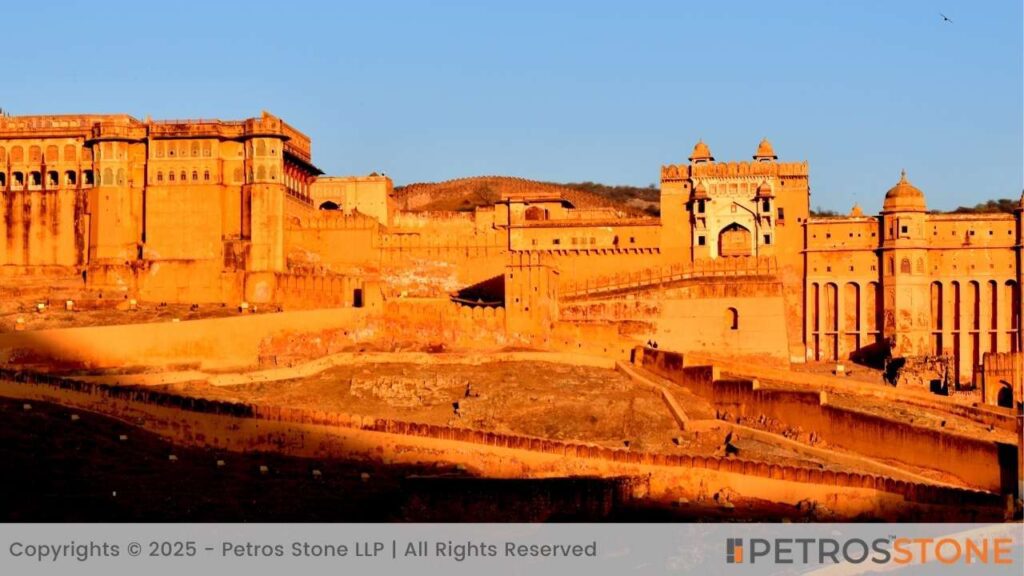
Rajasthan’s Amer Fort
Amer town is home to the heavily fortified monument known as Amer Fort. Amer Fort, which is 11 kilometres from Jaipur, is made of slabs of sandstone with Indian architectural traits. Raja Maan Singh lived in the fort, which was constructed by the Meenas clan. Large ramparts and gates are built with red Indian sandstone slabs and marble. The cobblestone walkways include marble floor tiles, and each wall exudes a beautiful atmosphere. The courtyard and the Diwan-e-Khas section of the palace are prime examples of Sandstone’s wealth. Among Rajasthan’s hill forts, Amer Fort remains revered today and is a UNESCO World Heritage Site.
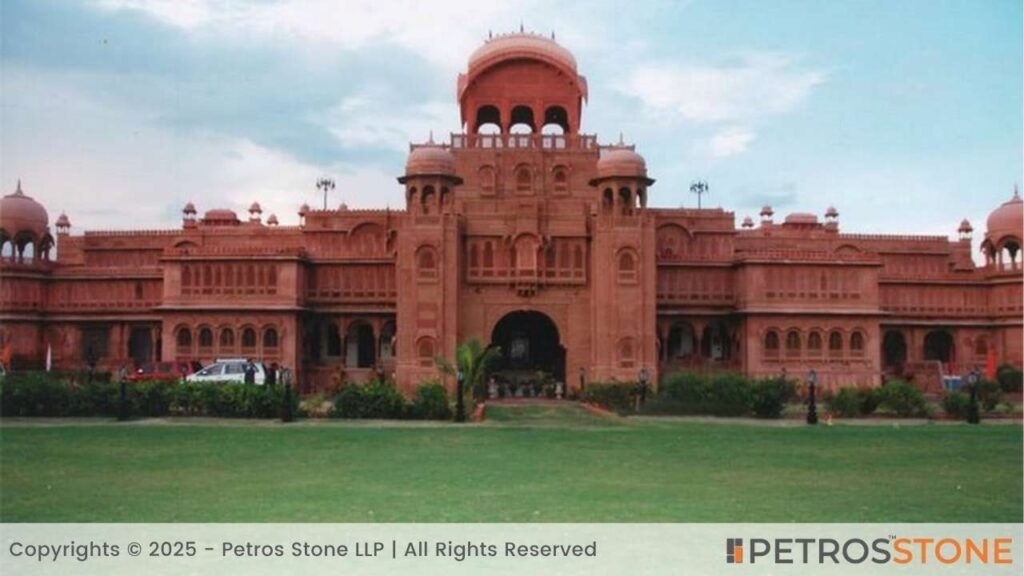
Bikaner’s Lakshmi Niwas Palace
Red Indian sandstone slabs are used to build the Bikaner state royal palace. The Lakshmi Niwas Palace, which was constructed between 1898 and 1902, was intended to be the ideal modern structure. The Golden Triangle Fort & Palace Private Limited is currently the owner and manager of the Indo-Saracenic building. The Indian sandstone slabs blend well with Rajasthan’s desert colors.
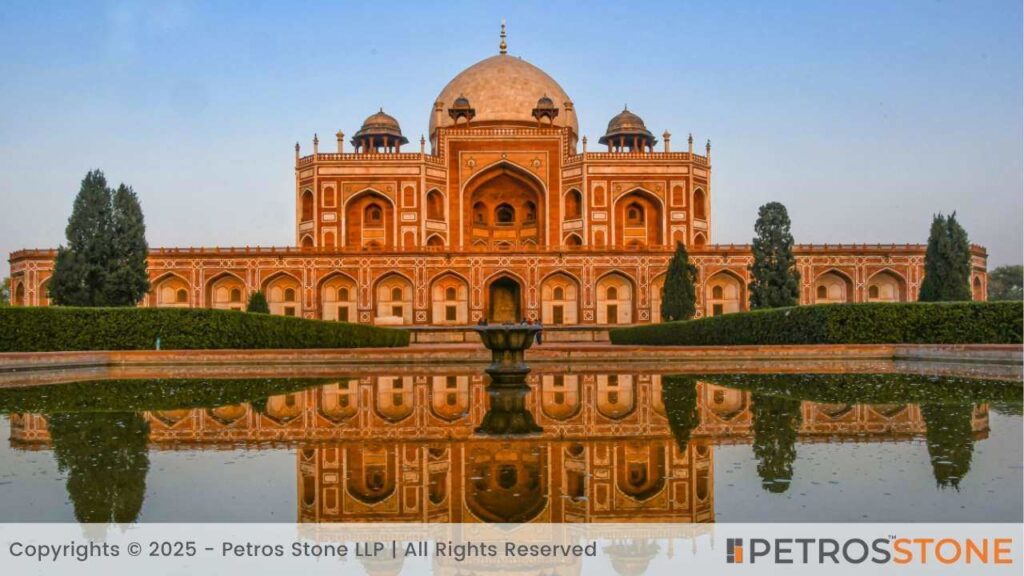
The Tomb of Humayun
One of the most beautiful slabs of Indian Sandstone was also used to build Humayun’s tomb, the tomb of the Mughal emperor. Mirak Mirza Giyas-uddin, a Persian architect, created the first tomb garden in Asia with Humayun’s tomb. The remaining members of the Mughal aristocracy were buried in the sandstone slab tomb square. Sandstone is used to construct the tombs of Hamida Begum, Dara Shikoh, and other notable members. In 1993, the tomb complex’s former splendour was restored using slabs and blocks of Red Indian Sandstone.
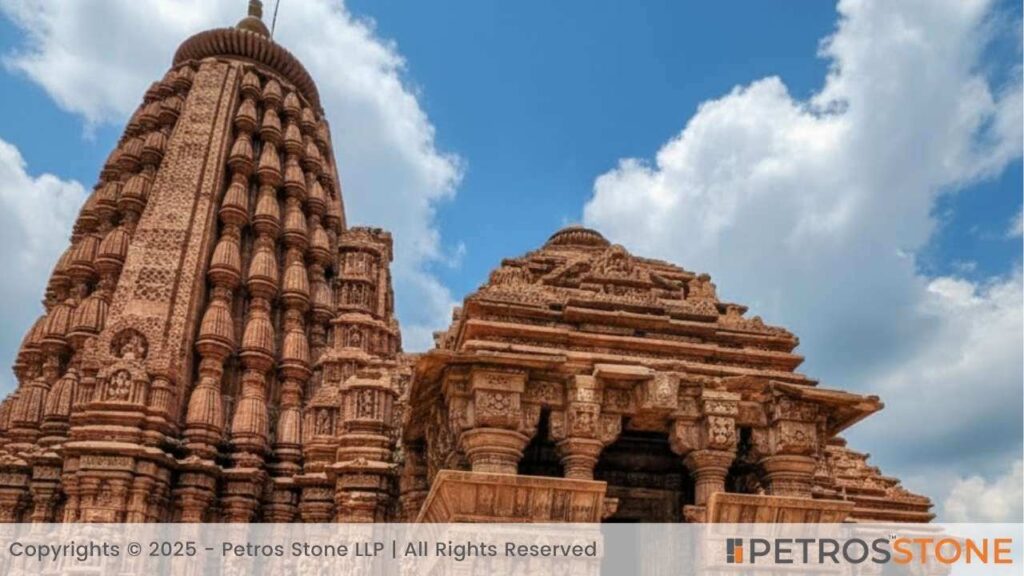
Orissa’s Nilkantheshwara Shiva Temple
In the tenth century, the Somavasis enshrined the temple dedicated to Lord Shiva. Indian sandstone, cemented plaster, and enamel paint was used to create the temple. Laterite and Kalingam architecture were used to build the dry masonry temple.
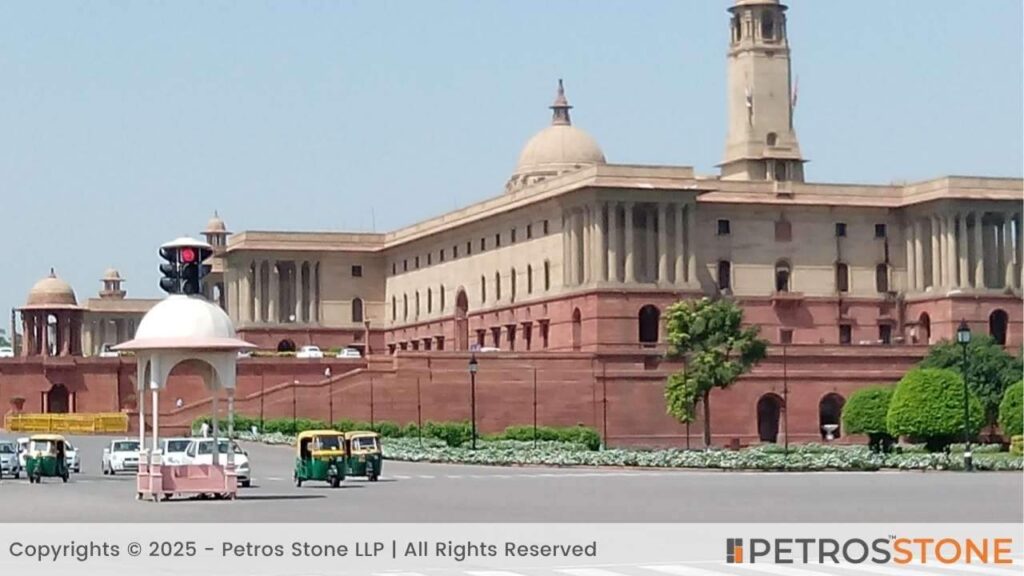
India’s Rashtrapati Bhavan
One of the most famous architectural specimens of Indian Sandstone is the Rashtrapati Bhavan in New Delhi, India. This magnificent structure, which was constructed during the British Raj, exhibits a tasteful fusion of classical and Indo-Saracenic architectural designs. The structure’s grandeur is enhanced by the Dholpur stone, a type of Sandstone employed in its construction. Its elaborate carvings and cosy colors produce a regal and welcoming atmosphere.
Benefits of Indian Red Sandstone
With its vivid red and orange tones, red sandstone, also called agra red sandstone, has long won the hearts of designers, builders, and nature lovers. Red sandstone slabs are a gorgeous option for exterior and interior architectural projects because of their distinctive coloring and elaborate patterns. Agra red sandstone tiles are magnificent because of their classic beauty and innate charm.
- These sandstone slabs are highly sought after because of their exquisite finishing and stain-resistant qualities.
- It is reasonably priced, long-lasting, and simple to maintain.
- This sedimentary rock is frequently used as cladding for external walls. When fitted, it looks fantastic. It is well known for being an excellent option for big architectural projects.
- The natural stone is in great demand because of its physical and chemical characteristics, which function nearly like granite.
- Each piece has a distinct appearance because of its inherent gritty texture.
- The surface can also be used as a non-slip flooring material.
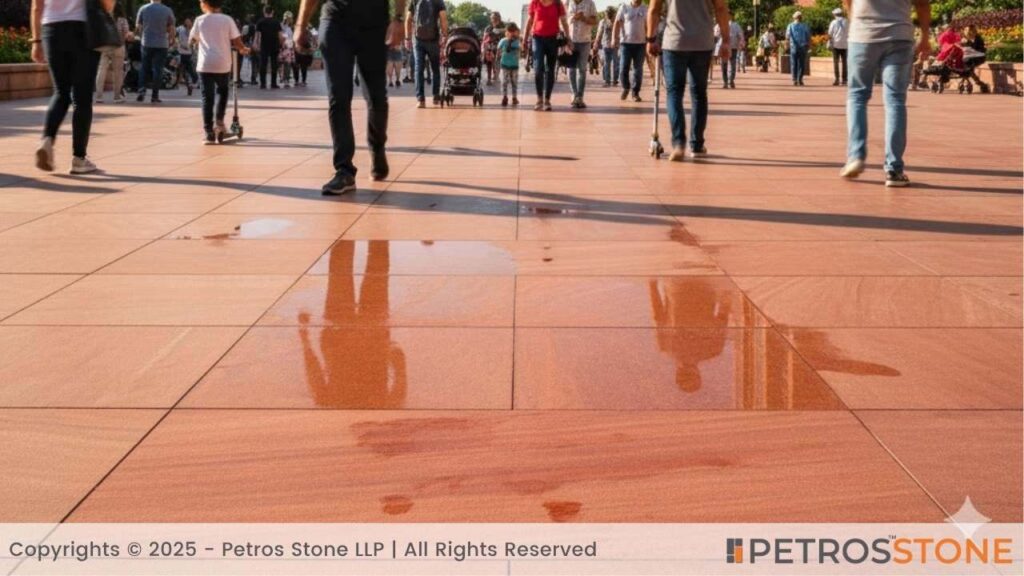
Indian tiles are also straightforward to clean and long-lasting, making them an excellent option for high-traffic areas like bathrooms and kitchens. Red sandstone tiles and slabs made of sedimentary rock are still popular for both designers and homeowners because they blend in with classic and modern design schemes.
Maintenance Tips for Indian Red Sandstone
Indian Red Sandstone keeps its vibrant charm with simple, regular care that prevents wear over time.
- Start by sweeping or vacuuming surfaces weekly to remove loose dirt and debris easily. This stops grit from scratching the stone during daily foot traffic.
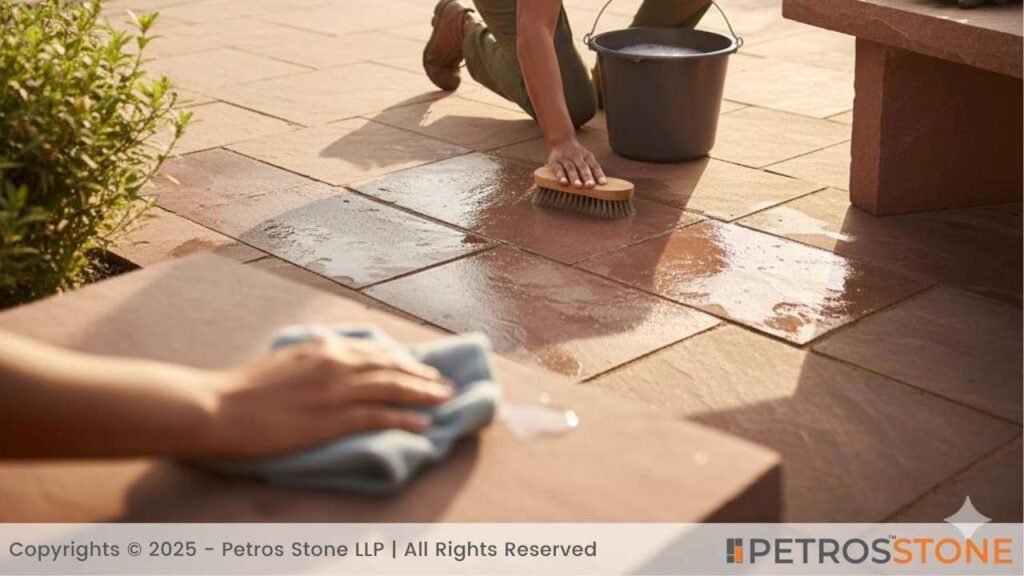
- For deeper cleaning, mix mild soapy water using washing-up liquid or acid-free soap for safety.
- Apply it with a soft brush, then rinse thoroughly with clean water from a hose or bucket. This method lifts pollen, dust, and light stains without harming the porous texture.
- Avoid harsh chemicals or acids, as they etch the surface and dull the red hue quickly. Blot spills immediately with a dry cloth to prevent deep stains from setting in.
- Use coasters under drinks and mats in high-traffic areas to protect against rings and marks.
- Sealing plays a key role in longevity, so apply a penetrating sealant every six to twelve months depending on exposure.
- Choose pH-neutral products like for gentle application on outdoor patios or indoor floors.
- Brush it evenly, let it soak in for an hour, then wipe off excess to avoid residue.
- Test the seal by sprinkling water; if it beads up, protection holds strong against oils and juices. For stubborn stains, use a specialized cleaner scrub lightly, and neutralize with water afterward.
- Pressure washing works at low settings only, keeping the nozzle at least 12 inches away to prevent pitting.
- Inspect joints and edges quarterly for cracks, filling them with color-matched grout to maintain stability.
- In rainy climates, ensure good drainage around installations to avoid water pooling that leads to efflorescence.
Installation Guide for Indian Red Sandstone
Installing Indian Red Sandstone requires careful planning to ensure a stable, beautiful finish that lasts seasons.
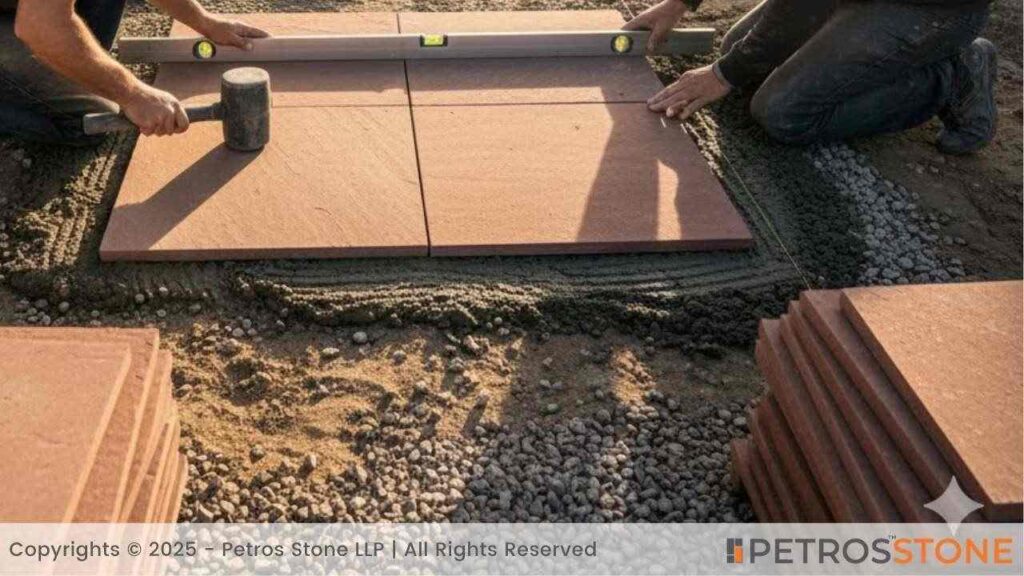
- Begin by sorting slabs for consistent color, texture, and size before laying them down. This step avoids surprises during the project and creates a uniform look.
- Excavate the area to a depth of 150-200mm, removing roots and rocks for a level base.
- Compact hardcore sub-base material in layers, adding sharp sand for drainage and stability underneath.
- Mix a semi-dry mortar bed using five parts sharp sand to one part cement for strong adhesion.
- Spread it 30-50mm thick, then place slabs firmly with a rubber mallet, checking levels every few pieces.
- Use a string line for straight edges and vary patterns like running bond or ashlar for visual interest.
- Leave 10-15mm joints between slabs to allow for natural movement and water flow.
- For outdoor patios, slope the surface slightly away from buildings to direct rainwater effectively.
- Point joints with a mortar mix of three parts soft sand to one part cement, adding water slowly for workability.
- Press it in with a trowel, then brush off excess before it sets to keep lines clean.
- Compact the finished area with a plate vibrator to settle everything securely.
- Seal the surface after 48 hours of curing, using a breathable product to enhance color and protect pores.
FAQs
What is red sandstone used for?
Red sandstone excels in paving, pool decks, retaining walls, exterior cladding, and landscaping paths due to its strength and weather resistance.
Which is cheaper, Indian sandstone or porcelain?
Indian sandstone typically costs $20-45 per m², while porcelain ranges $30-50 per m², making sandstone the more affordable upfront choice.
What is the difference between Old Red Sandstone and New Red Sandstone?
Old Red Sandstone formed in the Devonian period, while New Red Sandstone dates to Permian-Triassic, both red from iron but differing in geological age.
Is sandstone waterproof?
Sandstone is porous and absorbs water naturally, but proper sealing makes it highly resistant to moisture and prevents staining effectively.
What is the lifespan of Indian sandstone?
With correct installation and maintenance, Indian sandstone endures 25-50 years or longer in paving, cladding, and outdoor uses reliably.
Key Takeaways
- Indian Red Sandstone is one of the most popular natural stones for both heritage and modern architecture due to its warm tones and durability.
- The three major types — Agra Red (Dholpur Red), Red Mandana (Lalitpur Red), and Jodhpur Red — vary in color intensity, hardness, and ideal applications.
- Prices range from $0.20 to $0.85 per sq. ft., depending on type, finish, and thickness.
- Available in multiple sizes such as 30×30 cm, 60×30 cm, 60×60 cm, and 60×90 cm, making it highly versatile for flooring, cladding, and paving.
- With regular sealing and cleaning, this stone can last for decades, preserving its vibrant red hue and natural texture.
Feel free to get in touch for a free consultation, quote, and get a detailed understanding from our experts here at Petros®. Visit www.petrosstone.com or call +91-8446360361 or WhatsApp

Hi, I’m Shivangi,
With years of experience in the architecture and design space, I write to bridge the gap between material knowledge and practical application. At Petros® Stone, I create content that highlights the beauty, function, and impact of natural stones, helping homeowners and professionals make confident design decisions.
Explore my LinkedIn profile to learn more about my work!

Brown Granite

White Galaxy Granite

Blue Bahia Granite

Silver Cloud Granite

Black Pearl Granite

Dallas White Granite