If you’re planning a funeral, one of the trickiest parts that you may come across is picking the right memorial stone. Apart from the stone’s design, terms like headstones, gravestones, and tombstones might further puzzle you.
Which is the correct term for a memorial stone?
When you visit a cemetery, you come across several memorial markers. While these may look similar, every monument stone has a distinct meaning, history, and cultural significance. Often, terms gravestone, headstone, and tombstone are used interchangeably.
But are these the same?
No.
Let’s understand the differences among the three and learn about their origins, placements, and design features.
Gravestone vs Headstone vs Tombstone – Simplified Comparison
| Feature | Gravestone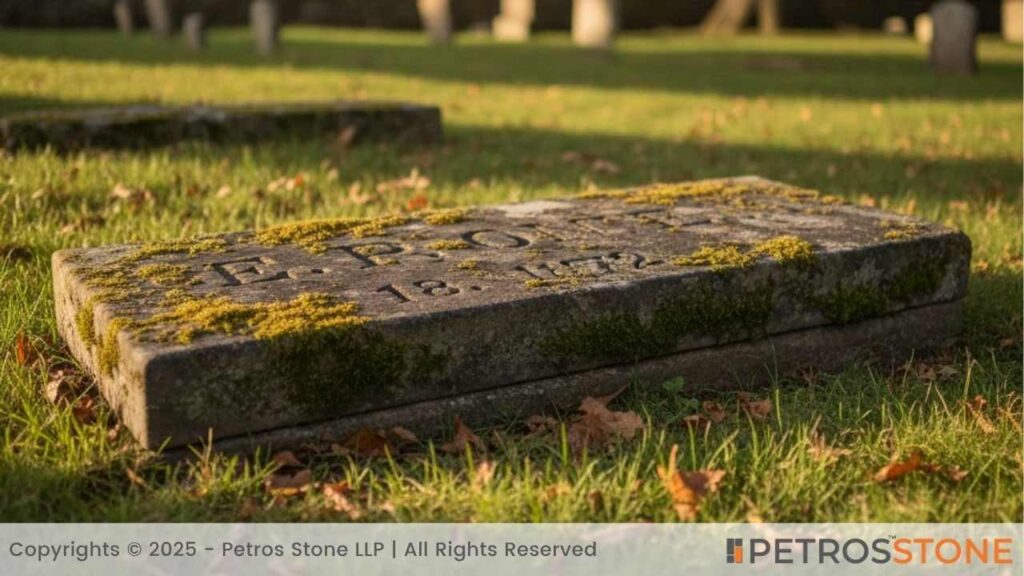 | Headstone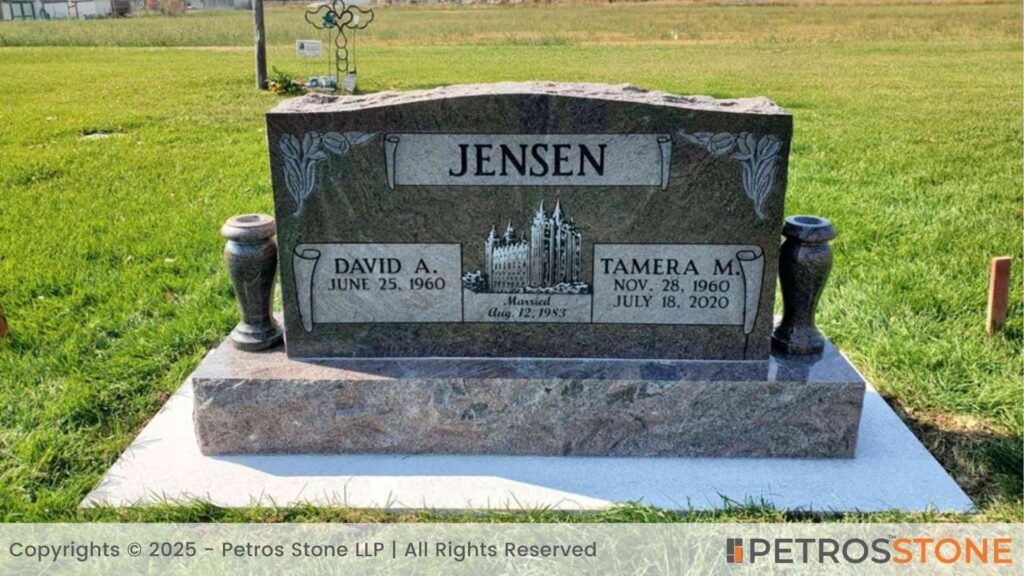 | Tombstone  |
| Placement | Flat and horizontal stone placed on the top of the grave, extending to its expanse. | An upright stone at the head of a grave. | Horizontal stone lid used to cover the coffin. |
| Origin | The term’s roots date back to the 1300s. | Termed “grave markers” in the late 17th Century, it is the common term for a memorial in a modern context. | A Greek origin with its popularity in the English culture in the mid-1500s. |
| Design Style | Horizontal stone slab with inscriptions and symbols. | Vertical marker with inscriptions and personalized motifs. | A heavy structural stone slab. |
| When to Use the Term | If you’re referring to a horizontal marker for a grave, it’s often a matter of tradition. | If you’re looking for a vertical memorial with dates, a name, and personalized inscriptions. | Suppose you’re speaking in a traditional or historic context. It is often associated with the landmark traditions. |
In this article, we break down the differences between headstones, gravestones, and tombstones so you can confidently choose the right memorial stone for your loved one. We explain what each term truly means, how their meanings have evolved over time, and where each type of stone is traditionally placed. Additionally, we explore the design features, cultural significance, and historical context that set these three markers apart. By the end, you’ll clearly understand which term is correct for the type of memorial you are selecting.
- Gravestone vs Headstone vs Tombstone – Simplified Comparison
- Understanding Headstones – Purpose & Design
- Understanding Gravestones – Structure & Use
- Understanding Tombstones – Origin & Modern Meaning
- Gravestone vs Headstone vs Tombstone – Simplified Comparison
- What is the Professional Terminology for Memorials?
- Practical Tips on Selecting the Design of the Structure
- 1. Material
- 2. Shape
- 3. Color
- 4. Budget
- 5. Cemetery Guidelines
- 6. Climatic Conditions
- Cleaning a Headstone, Tombstone, or a Gravestone
- Don’ts for Headstone and Gravestone Cleaning
- Choosing a Memorial Stone – Purpose and Sentiment
- FAQs
- Key Takeaways
Understanding Headstones – Purpose & Design
A headstone is typically an upright stone monument placed at the head of a grave. It is a tribute paid to the deceased.
Being widely used in the modern context, the typical features defining a headstone are:
- These are placed at the head of a grave to symbolize guidance.
- Marble, granite, and durable natural stones are the most common materials for headstones.
- It may display personalized imagery along with the meaningful dates and name.
Understanding Gravestones – Structure & Use
A gravestone is a memorial that covers the entire grave. This horizontally resting stone features inscriptions and may have an image of the deceased. What makes it unique is that rather than sitting on the head, it covers the entire grave.
As gravestones were quite prominent in the historic days, the features included:
- A horizontal stone slab on the burial plot.
- Details like names, dates, and epitaphs are engraved on the stone.
- Decorative symbols or motifs.
These were often used both as markers and as a protection of the grave.
Understanding Tombstones – Origin & Modern Meaning
In ancient times, tombstones were stone covers for the coffins. However, it is often interchangeably termed as a headstone in the modern context.
Here are the typical features of a tombstone:
- These were the stone slabs placed atop a tomb in the 1500s.
- The modern definition regards a tombstone as an upright marker.
- It features personal inscriptions and is a symbol of remembrance.
Gravestone vs Headstone vs Tombstone – Simplified Comparison
| Feature | Gravestone | Headstone | Tombstone |
| Placement | Flat and horizontal stone placed on the top of the grave, extending to its expanse. | An upright stone at the head of a grave. | Horizontal stone lid used to cover the coffin. |
| Origin | The term’s roots date back to the 1300s. | Termed “grave markers” in the late 17th Century, it is the common term for a memorial in a modern context. | A Greek origin with its popularity in the English culture in the mid-1500s. |
| Design Style | Horizontal stone slab with inscriptions and symbols. | Vertical marker with inscriptions and personalized motifs. | A heavy structural stone slab. |
| When to Use the Term | If you’re referring to a horizontal marker for a grave, it’s often a matter of tradition. | If you’re looking for a vertical memorial with dates, a name, and personalized inscriptions. | Suppose you’re speaking in a traditional or historic context. It is often associated with the landmark traditions. |
What is the Professional Terminology for Memorials?
Having understood the basic differences among the three types of memorial stones, let’s examine what each professional considers a memorial.
| Profession | Commonly Used Term |
| Monument Manufacturers | Memorials or Headstones |
| Insurance Policies | Memorial Headstones |
| Cemetry Administrators | Memorial Marker or Headstones |
| Legal Documents | Monuments or Grave Markers |
Practical Tips on Selecting the Design of the Structure
In modern usage, a stone memorial is called a headstone. The design of a headstone plays an important role not only in imparting an identity to the grave but also in offering subtle hints to the deceased’s personality.
Let’s look at expert tips for choosing a headstone design – a memorial that is both functional and personalized.
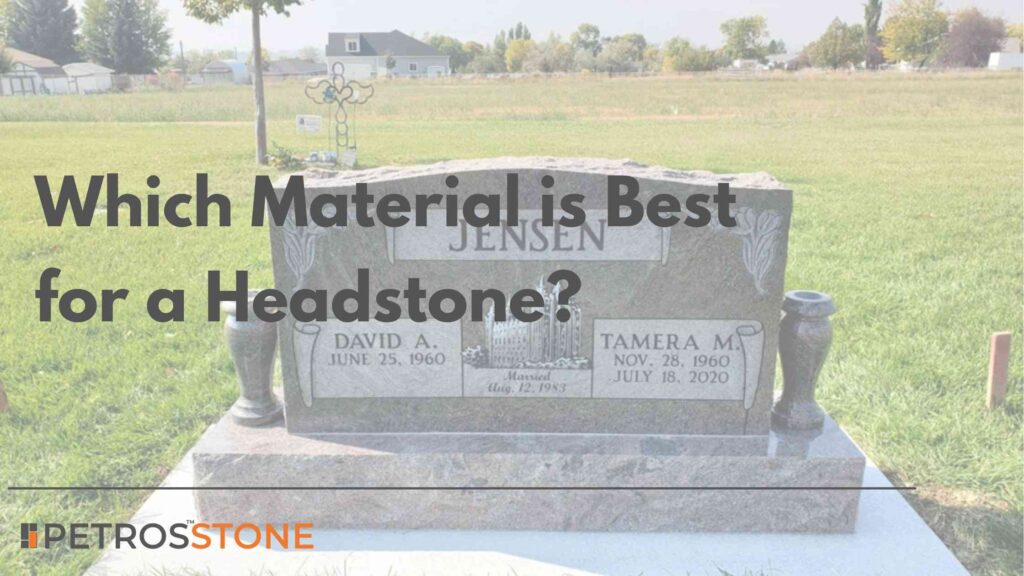
1. Material
A headstone is designed to last for years. Hence, when selecting a design, it’s important to consider the right material that imparts desired aesthetics and, at the same time, is durable.
Here are the top options for materials–
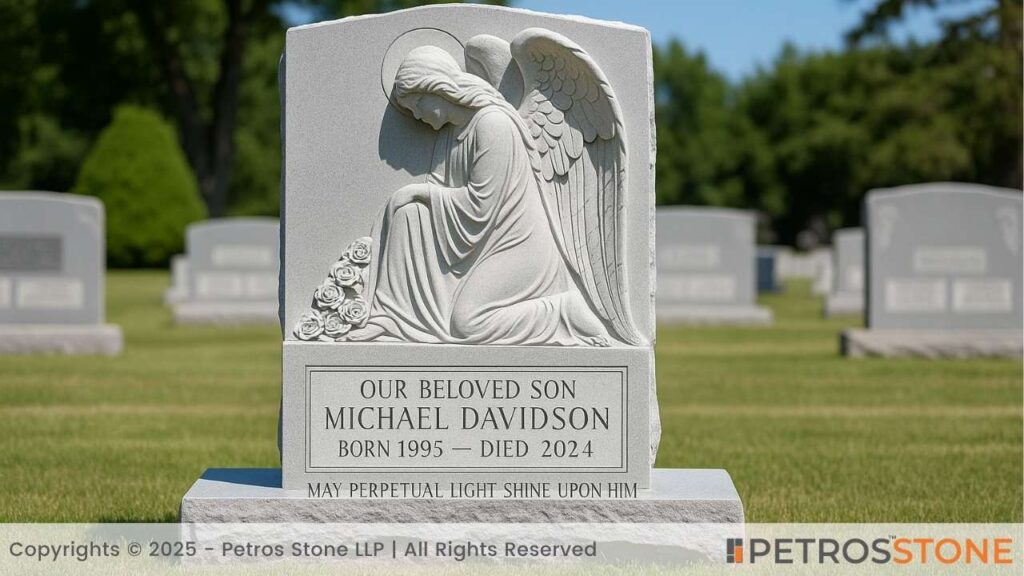

Marble
Marble is often known for its elegance. The delicate veins and its classic look make it a good pick for aesthetic headstones. However, being a soft material, it is prone to weathering over time.
Granite
Granite is the most popular material for headstone designs. It is known for its extreme durability, unparalleled aesthetics, and weather resistance. Granite headstones are available in a wide range of colors and finishes, offering versatility in the design.
Furthermore, it’s one of the ideal materials for intricate carving, etching, and sculptural headstone designs.
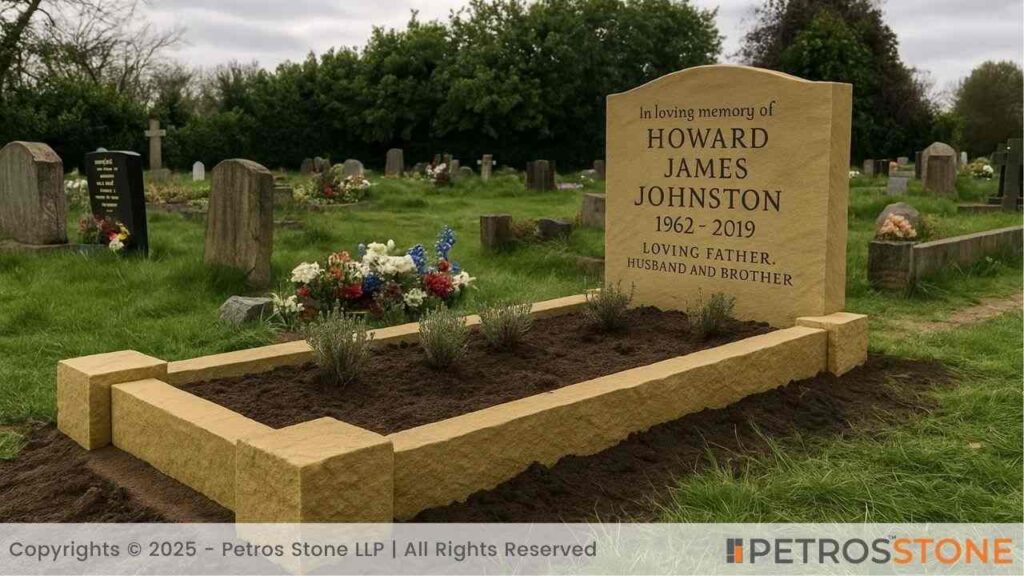

(combined with a granite base)
Limestone or Sandstone
While limestone and sandstone were traditionally used for cemeteries and headstones, these are not common in the modern context. Despite their visual appeal, these stones lack durability in harsh climates.
Bronze
Bronze is commonly combined with granite bases and used as a plaque. It’s not only a durable material but also helps enhance the design’s aesthetics.
Pro-tip: The key to choosing the most appropriate material is to consider the local climate. Your headstone material must be able to withstand extreme cold, heat, or rainfall.

2. Shape
From typical upright rectangles to sculptural designs, there are several options to shape a headstone. The headstone’s form is what makes it stand out from the rest.
Let’s look at the typical headstone designs:
Upright Headstones
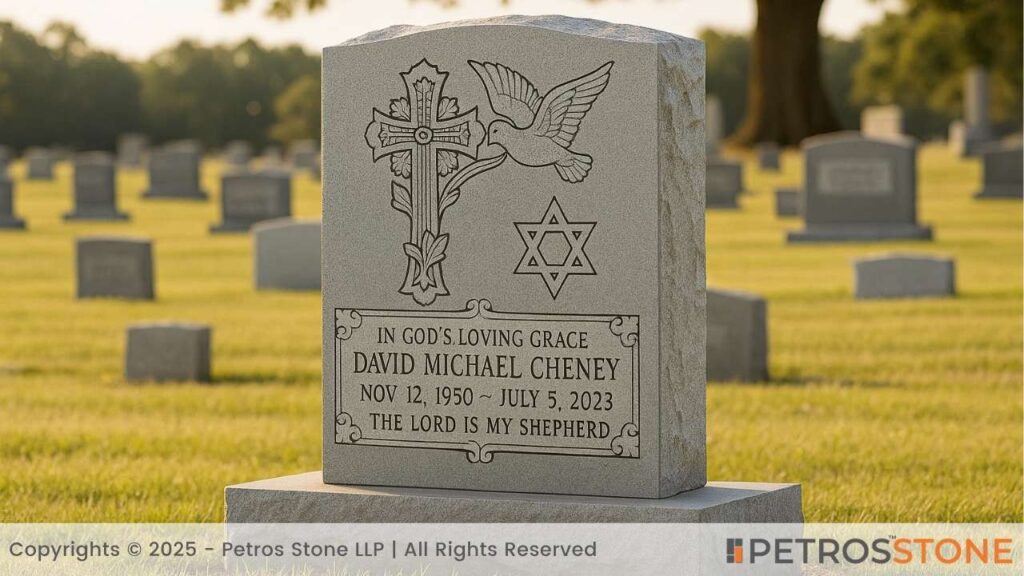
This is the most traditional style of a headstone with a vertical marker placed at the head of the grave. These are among the simplest designs requiring minimal maintenance.
Slant Markers
As the name suggests, slant markers gave a tapered design. These are usually higher at the back and have a slanted front face.
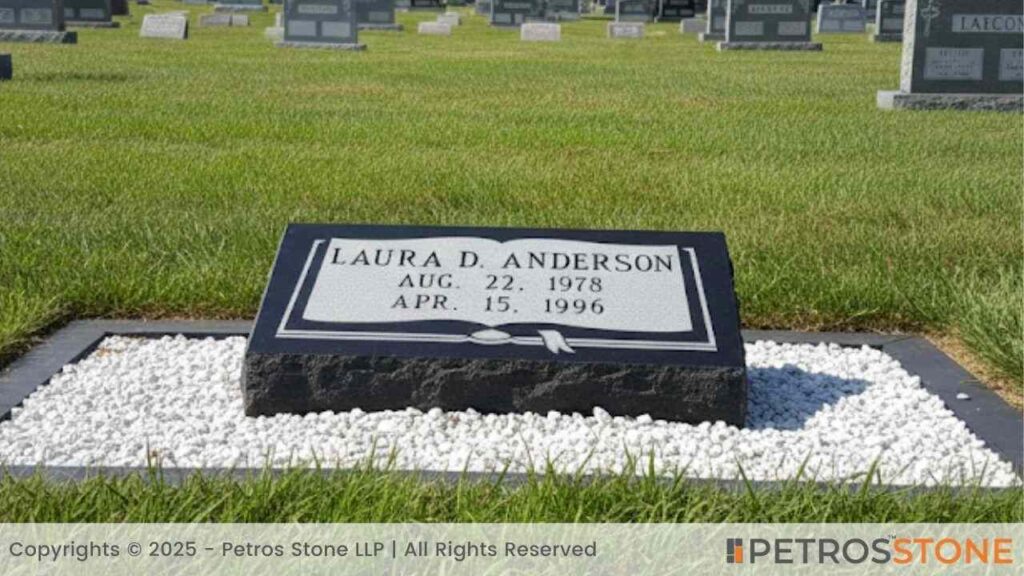
Flat Markers
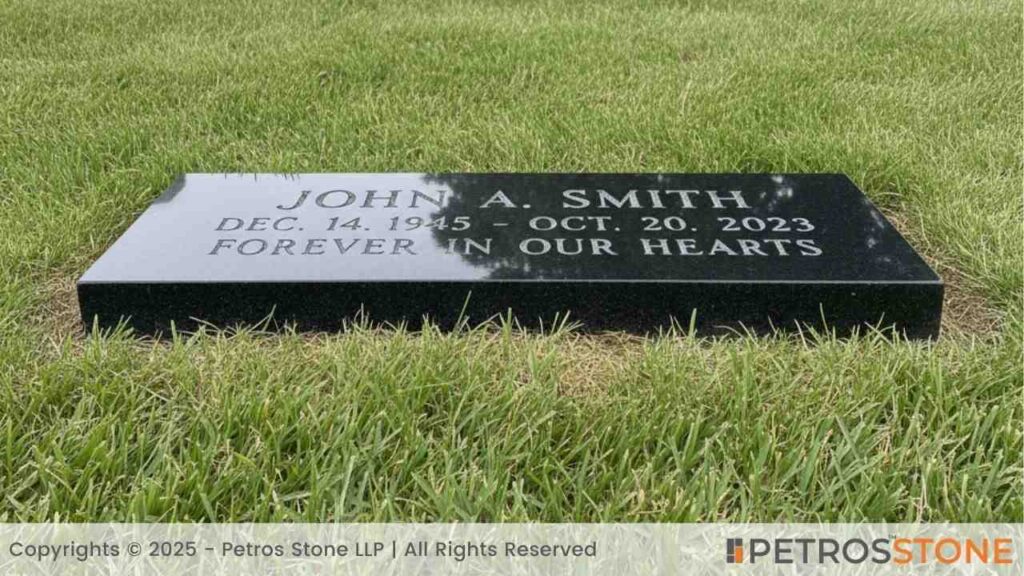
Flat markers lie horizontally on the ground, flushed or slightly raised.
Bevel Markers
Bevel markers are a blend of flat and slant markers. The small memorial stones for graves are placed horizontally on the ground with a gentle slope.
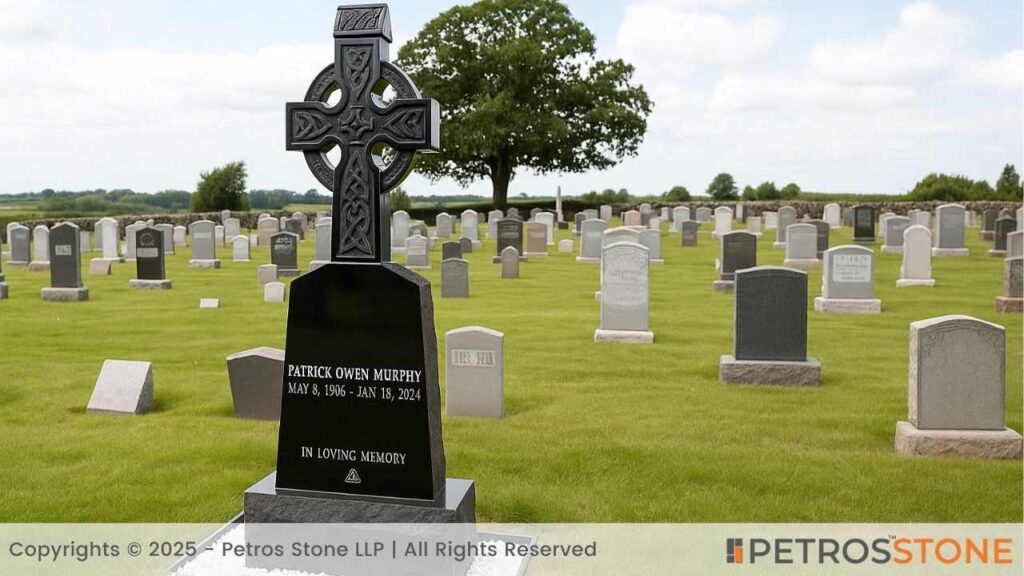

Cross or Religious Motif
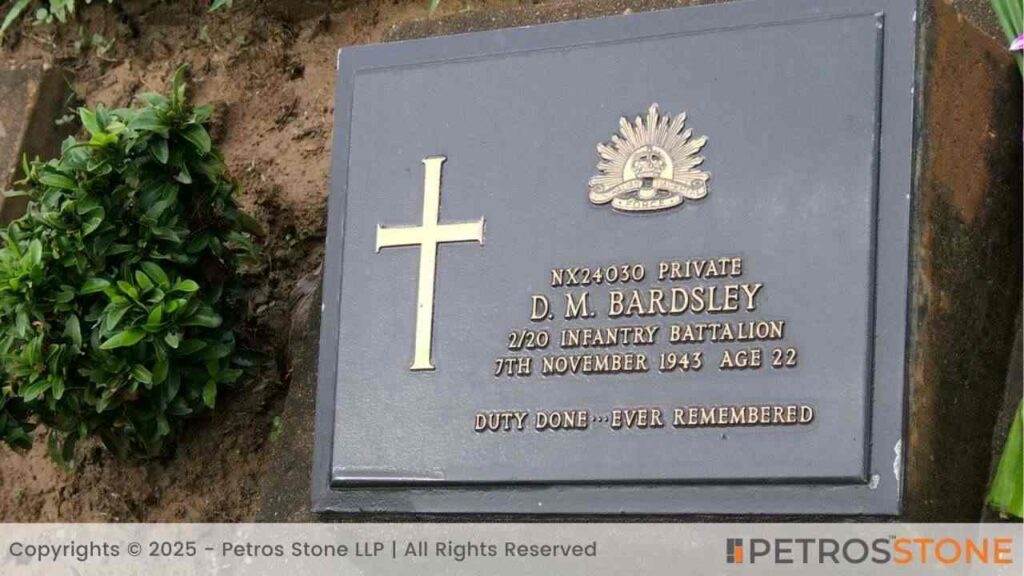
A cross marker features the shape of a Christian cross symbolizing a deep spiritual connection. It can be a stand-alone cross or paired with motifs such as a flower vase or lotus carvings, etc.
Sculptural or Customized Designs
When it comes to sculptural headstone designs, there’s no limit to creativity. It can range from a simple book sculpture to an intricately detailed portrait of the deceased.
Pro-tip: When you’re finalizing the shape of the headstone, keep in mind the cemetery’s regulations. A few cemeteries have strict rules regarding the size and shape of headstones.
3. Color
When it comes to granite headstone designs, there is a wide palette of colors to choose from. You can pick hues ranging from classic white to deep black, with multiple patterns in either tone.
Let’s understand what each color symbolizes for the headstone design.
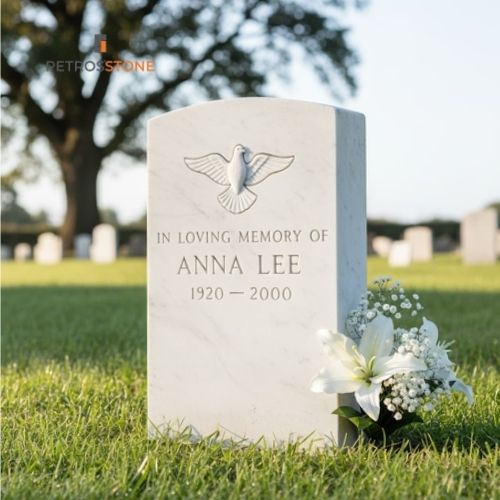
– Peace, innocence, and purity
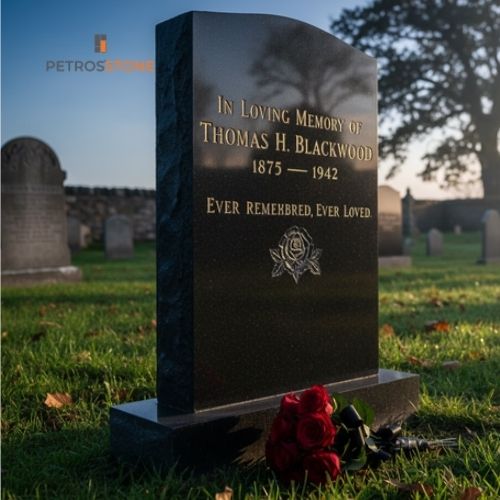
– Dignified and classic appearance
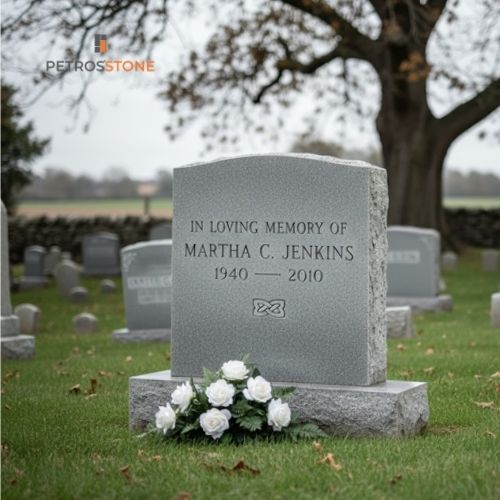
– Balance and neutrality
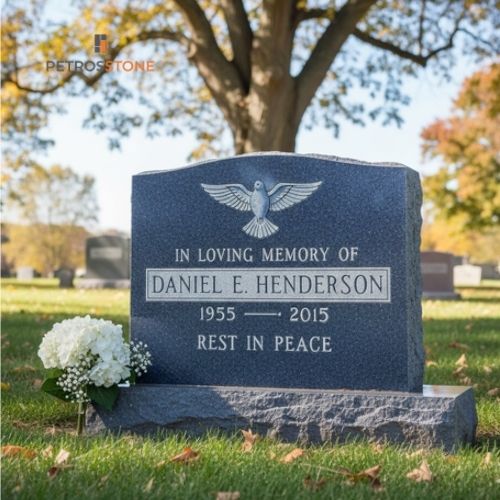
– A sense of peace and calm
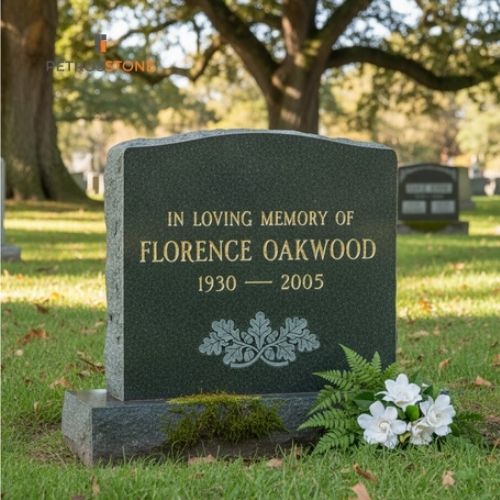
– Hope, growth, and nature
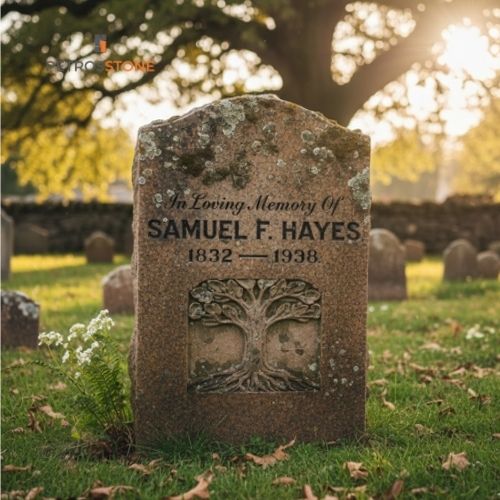
– A connection to nature
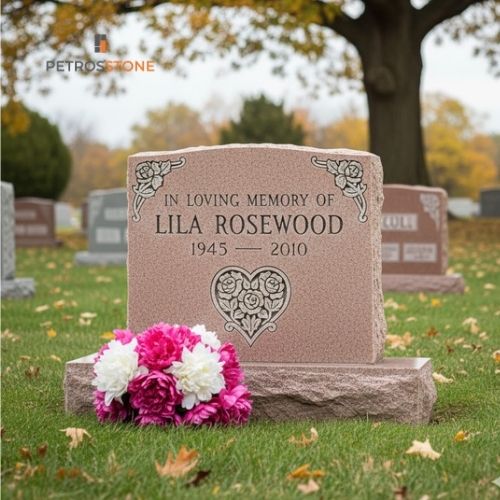
– A touch of gentleness and a symbol of love
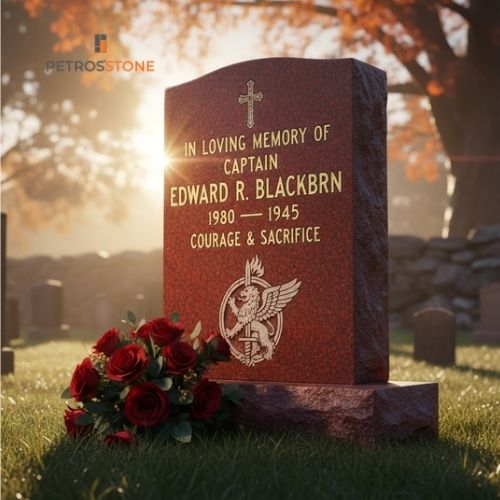
– Passion and courage
Headstone Color with Symbolic Meaning
| Headstone Color | Symbolic Meaning |
| White | Peace, innocence, and purity |
| Black | Dignified and classic appearance |
| Grey | Balance and neutrality |
| Blue | A sense of peace and calm |
| Green | Hope, growth, and nature |
| Earthy Tone | A connection to nature |
| Pink | A touch of gentleness and a symbol of love |
| Red | Passion and courage |
Pro-tip: When choosing a headstone’s color, make sure the tone is pleasing and reflects the deceased’s personality. Also, keep in mind the tone’s durability, as a few shades may fade over time.
Personalization
You wouldn’t want the headstone design to look common and blend with the rest. This is where personalization comes into the picture.
Apart from choosing a unique color or shape, it’s the inscriptions that impart a personal touch to the design. You can add comforting words, an inspirational quote, meaningful phrases, and powerful messages alongside the essential details.
Furthermore, consider introducing symbolic and significant motifs, portraits, and related elements.


4. Budget
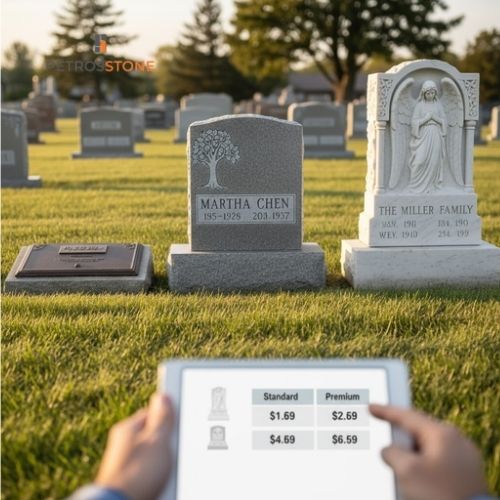
Gravestone vs headstone vs tombstone – whichever memorial one chooses, budget is always a primary concern. The cost structure depends on its size, shape, material, and the level of design customization. Keep in mind this practical factor that while a headstone is a one-time investment and your ultimate tribute to the deceased, it must not break the bank.
5. Cemetery Guidelines
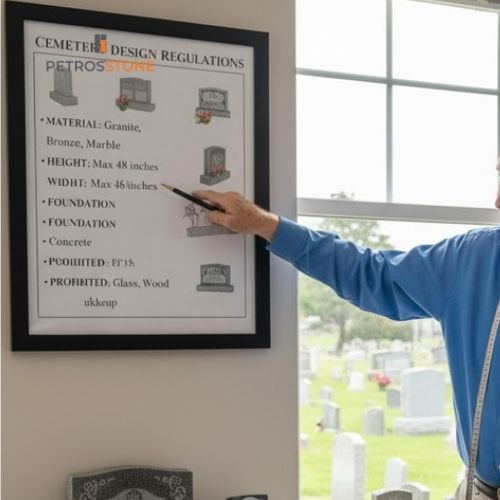
Reviewing the cemetery guidelines beforehand is critical. Most cemeteries have rules for headstones, like:
- Permitted material
- Height and size restrictions
- Color preference
- Permitted design
These regulations are often crafted to maintain a visual balance in the cemetery and to facilitate maintenance. Check with your cemetery administration before investing in a headstone design.
6. Climatic Conditions
Not every weather will favor the chosen material or design of the headstone. Climate plays a critical role in impacting the durability of the design.
For example, bronze or granite often works well in humid regions as they’re resistant to moisture damage. On the other hand, limestone and sandstone will be damaged in such conditions.
Before finalizing the material, make sure to understand the climate and the materials’ performance.
Pro-tip: To choose a durable headstone material, connect with your local headstone suppliers for an expert’s opinion.
Cleaning a Headstone, Tombstone, or a Gravestone
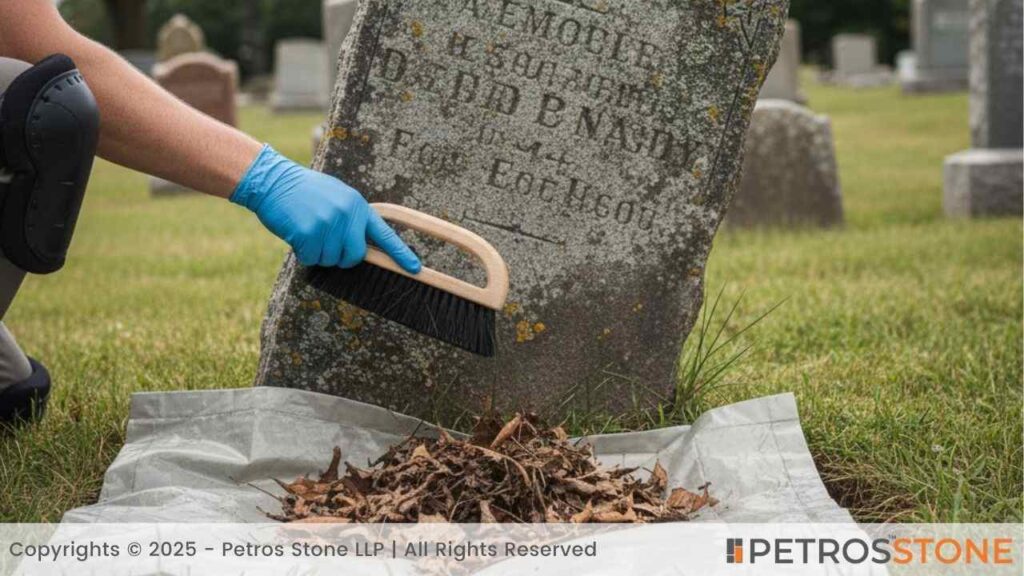
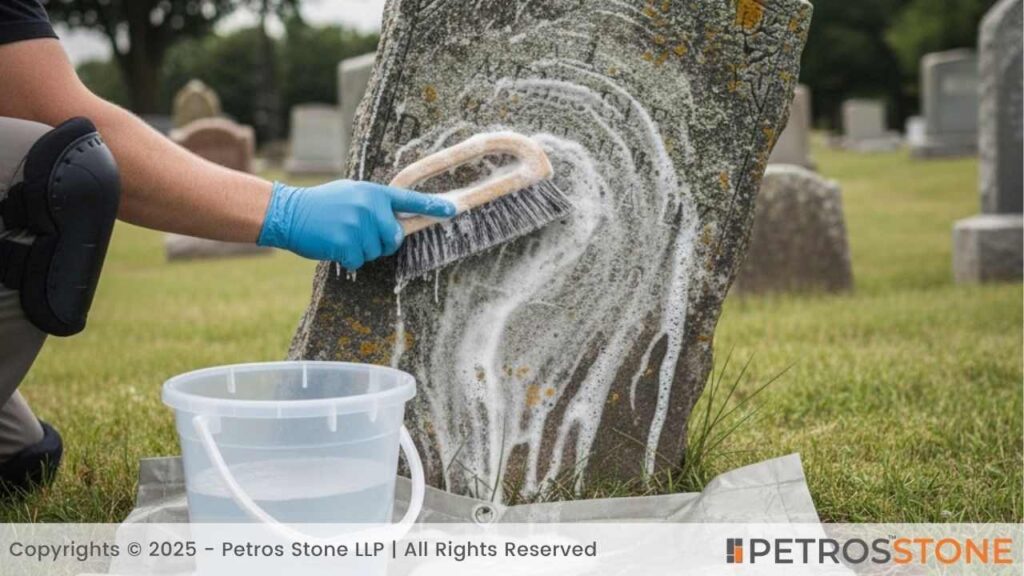
- The first step in cleaning is to soak the headstone in water for some time. It will help soften the debris deposited on the stone’s surface.
- After that, scrape the vegetation and debris with a scraping tool. Don’t use metallic tools for grinding, as they may cause stone chipping or scratch the stone surface.
- The next step is to apply stone cleaner and gently scrub the surface. Use a soft-bristled brush in a circular motion on the surface.
- Brush the engravings with a soft toothbrush to remove dirt.
- Rinse the solution off with clean water and dry the headstone with a clean cloth.
Among the different surface finishes for granite headstones, polished granite is among the easiest to maintain. The smooth texture gets cleaned even with a damp cloth.
Don’ts for Headstone and Gravestone Cleaning
Let’s look at what to avoid when cleaning headstones, as a single mistake can cause irreversible damage.
- Don’t use metallic tools, scrapers, brushes, or metal bristles. These may lead to scratches or groove formation on the stone surface.
- Avoid using harsh chemicals on natural stone, like bleach, vinegar, ammonia, or other household cleaning solutions. The reaction between the stone surface and chemicals might lead to discoloration or weakening of the stone.
- Don’t use power washers, as they may cause surface erosion.
Choosing a Memorial Stone – Purpose and Sentiment
Whether it’s a gravestone, a headstone, or a tombstone, each term has a significant meaning and cultural practice associated with it. In the modern context, it’s important to understand not only the right term but the appropriate materials and finishes.
Make sure to analyze the climate, select a material that withstands, and choose a tone and design that feels right for both function and your sentiments. Explore more about modern granite headstone designs.
FAQs
Q. Why are headstones important?
A headstone is important for identifying a grave as it contains details such as dates and names. Furthermore, it’s a tribute to the deceased and is a monument to preserve memories.
Q. Gravestone, headstone, or tombstone – which is the right term?
None of the terms, whether gravestones, headstones, or tombstones, is wrong. All three served the fundamental purpose of remembrance and identification. However, in the modern era, a headstone is the most commonly used term for a memorial.
Q. Where does the headstone get its name from?
It is derived from the placement of the memorial at the head of a grave.
Q. What are the different types of stone memorials?
Grave markers, upright headstones, memorial benches, angel sculptures, bevel markers, and flat markers are among the most common types of stone memorials. Each design is defined by its distinct shape and form.
Q. What is a tombstone?
In the historic context, a tombstone referred to the stone lid of a coffin. However, it is used interchangeably with ‘headstone’ in modern days. A tombstone includes details such as the deceased’s name, personal information, and dates for identification.
Key Takeaways
- Gravestone covers the grave expanse, headstone sits at the head of a grave, and tombstone refers to the stone coffin lids.
- In modern usage, a headstone is the most commonly used term for a memorial marker.
- Select the material and finishing for the headstone design, considering practicality. Keep in mind the climate, maintenance, symbolic design, and cemetery regulations.
- Keep the headstone design within budget.
- Ensure you follow the cleaning and maintenance tips to preserve the headstone’s charm.
Feel free to get in touch for a free consultation, quote, and get a detailed understanding from our experts here at Petros®. Visit www.petrosstone.com or call +91-8446360361 or WhatsApp

Hello!
I’m Tanika, an architect and writer, blending design expertise with a passion for storytelling. At Petros Stone, I help readers navigate through the complex material choices and empower them to craft well-informed and beautiful spaces through natural stones.

Brown Granite

White Galaxy Granite

Blue Bahia Granite

Silver Cloud Granite

Black Pearl Granite

Dallas White Granite