Botticino marble is sold in six commonly listed varieties: Classico, Semiclassico, Classico Extra, Fiorito, Crema (Crema Italia), and Perlato. They differ in veining density, background tone, and the part of the Brescia hills they come from. Classico is the benchmark, Semiclassico is calmer, Extra is the cleanest selection, Fiorito is the busiest, and Crema is the warmest.
Here are the 6 Types of Botticino Marble with Images and Prices:
| Name | Image | Indicative price range (USD/Sq. ft.) | Click Here For Exact Price | Contact |
| Botticino Classico Marble | 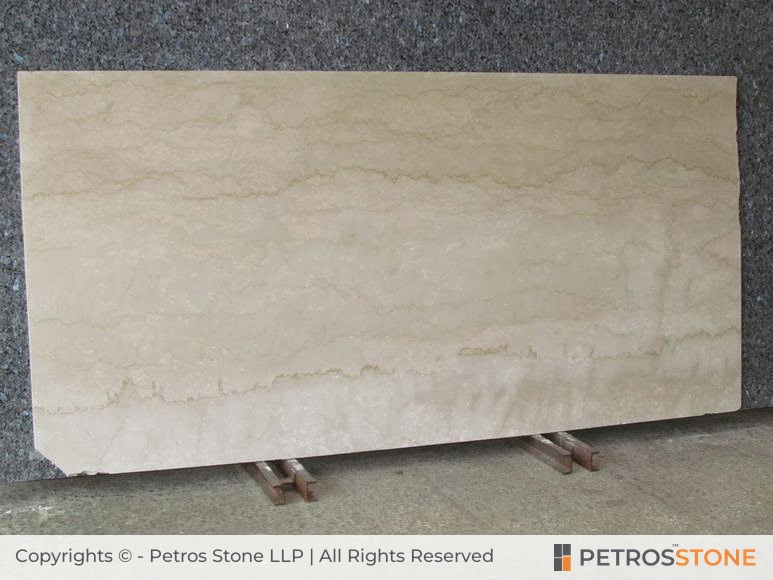 | USD 2.0 – 3.1/ sq. ft. | Exact Price | Chat |
| Botticino Semiclassico Marble | 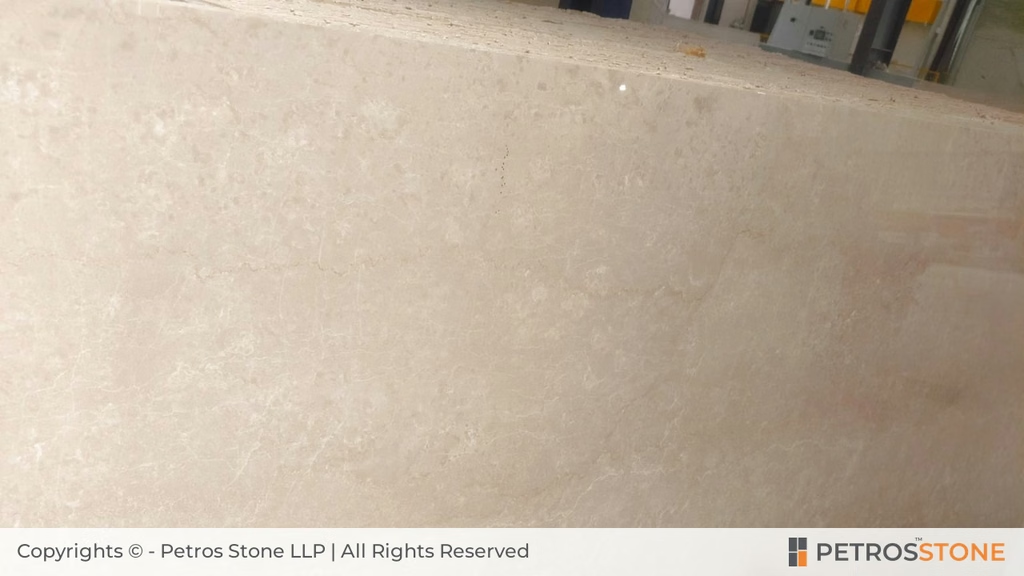 | USD 2.6 – 2.7/ sq. ft. | Exact Price | Chat |
| Botticino Extra/Classico Extra Marble | 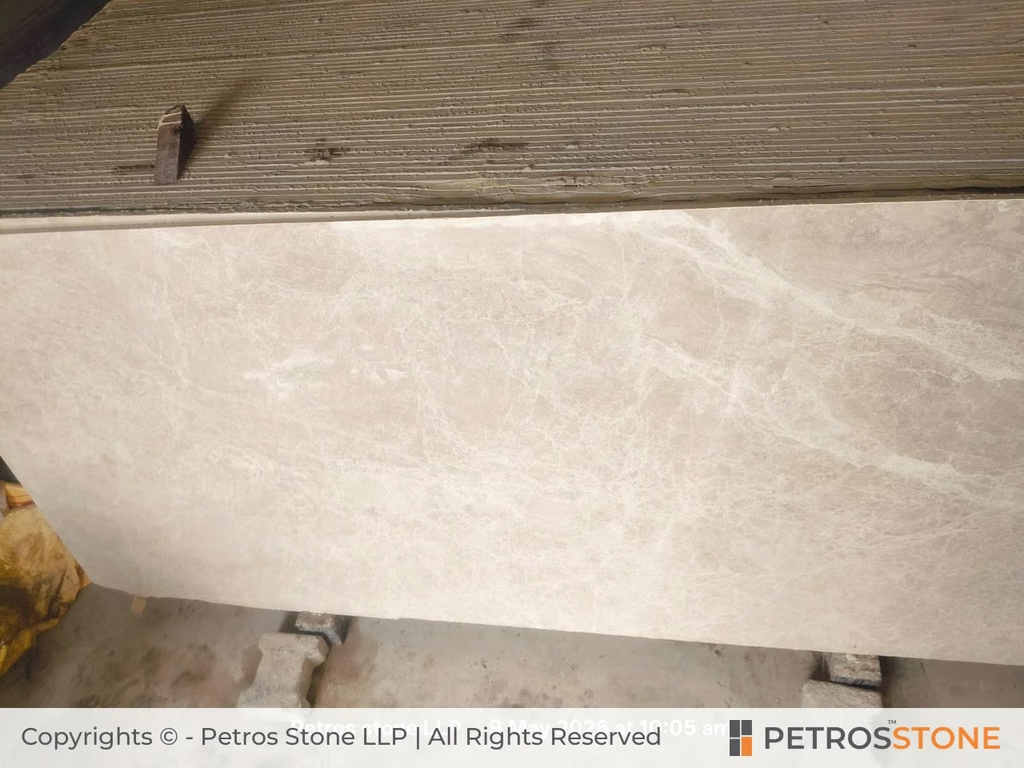 | USD 2.1 – 4.7/ sq. ft. | Exact Price | Chat |
| Botticino Fiorito Marble | 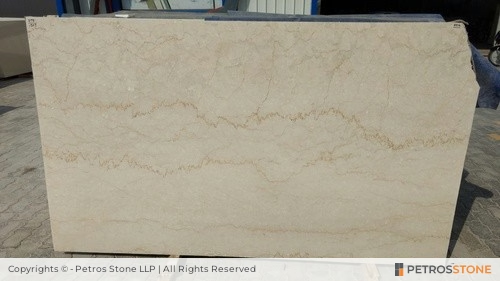 | USD 2.1 – 4.8/ sq. ft. | Exact Price | Chat |
| Botticino Cream / Crema Marble | 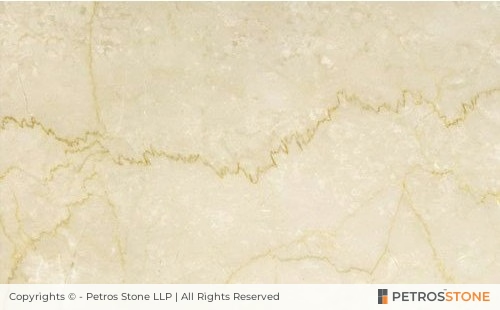 | USD 1.6 – 2.1/ sq. ft. | Exact Price | Chat |
| Botticino Perlato Marble | 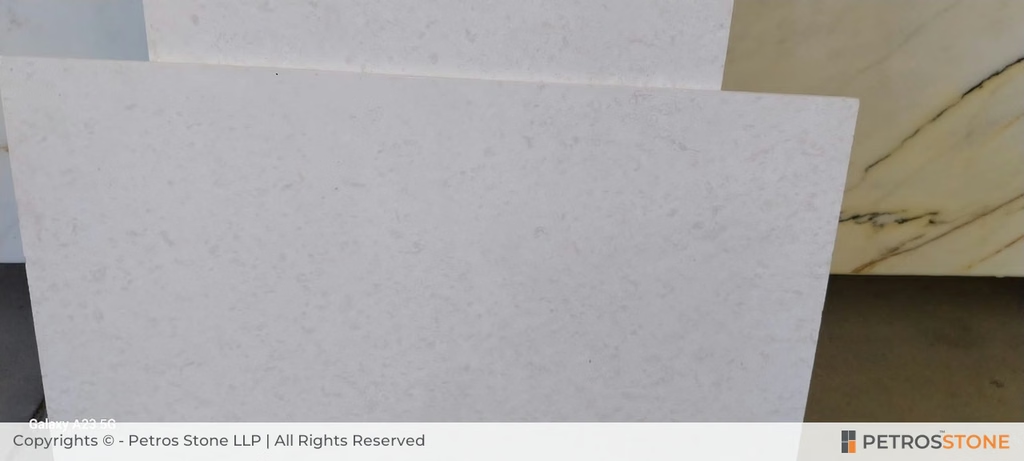 | USD 2.1– 2.8/ sq. ft. | Exact Price | Chat |
- Here are the 6 Types of Botticino Marble with Images and Prices:
- What Makes a Marble 'Botticino'?
- The 6 Types of Botticino Marble
- 1. Botticino Classico Marble
- 2. Botticino Semiclassico Marble
- 3. Botticino Classico Extra Marble
- 4. Botticino Fiorito Marble
- 5. Botticino Crema (Crema Italia) Marble
- 6. Botticino Perlato Marble
- Iconic Architecture in Botticino Marble
- What Are the Technical Properties of Botticino Marble?
- What Are the Most Popular Finishes for Botticino Marble?
- What Are the Standard Sizes and Thicknesses of Botticino Marble?
- What Are the Best Uses for Botticino Marble?
- Is Botticino Marble Suitable for Bathrooms and Wet Areas?
- How Durable Is Botticino Marble for High-Traffic Areas?
- What Factors Affect Botticino Marble Prices?
- Botticino Marble Price by Variety and Thickness
- What Should You Check Before Buying Botticino Marble?
- Which Botticino Marble Should You Avoid — and Why?
- FAQs
- Key Takeaways
What Makes a Marble ‘Botticino’?
Botticino is a compact beige limestone quarried in Lombardy’s Brescia province, northern Italy. Although commonly marketed as marble, it is technically limestone. Its varieties differ in colour, veining, and fossil patterns. Classico, Semiclassico, Classico Extra, Fiorito, and Perlato are associated with the Botticino quarrying area, while Crema Italia is a related commercial variety. Since trade names and grading can vary, buyers should verify quarry origin and slab characteristics before purchasing.
The 6 Types of Botticino Marble
1. Botticino Classico Marble
Identifying characteristic
Beige to warm ivory background with regular brown veins and light beige fossil residues. It is the standard commercial grade and the benchmark the other varieties are compared with. It is quarried in the municipality of Botticino and is the only variety covered by the ‘Marmo Botticino Classico’ origin mark.
Best for: Interior floors, wall cladding, stairs, vanity tops, and decorative features. Exterior applications are also possible with a suitable finish and project-specific technical verification.
Botticino Classico: Indicative prices range from USD 2.00–3.10 per sq. ft. for 2 cm (20 mm) slabs.
2. Botticino Semiclassico Marble
Identifying characteristic
A pattern halfway between Classico and Fiorito: cream-ivory background, thin veins, fewer stylolites than Fiorito, and limited tonal difference between slabs. Retailers describe a very fine grain with rare white spots. Quarried between Nuvolera and Serle.
Best for: Interior floors, wall cladding, stairs, and bathroom surfaces where a relatively restrained beige pattern is preferred.
Botticino Semiclassico: Indicative prices range from USD 2.60–2.70 per sq. ft. for 2 cm (20 mm) slabs.
3. Botticino Classico Extra Marble
Identifying characteristic
The premium, first-choice selection of Classico: a warm ivory-beige base with very fine golden-tan veins and minimal veining. Be careful with the name. Another Italian supplier describes “extra” as having darker, brownish veins, so always judge the physical slab, not the label.
Best for: Premium interior flooring, feature walls, vanity tops, and decorative panels, subject to the appearance and quality of the selected slab.
Botticino Classico Extra: Indicative prices range from USD 2.10–4.70 per sq. ft. for 2 cm (20 mm) slabs.
4. Botticino Fiorito Marble
Identifying characteristic
“Fiorito” means flowered. It has the busiest pattern: dense veins, golden-brown stylolites and cloudy, flower-like patches, with a lively look that still reads warm. Some sellers note pink accents. It is more dolomitised than the other two, and one supplier calls it the most resistant variety. A now-closed UK supplier claimed the opposite on veining, so check the slab in person.
Best for: Interior floors, feature walls, wall cladding, and decorative panels where its distinctive veining and cloudy patterns can stand out.
Botticino Fiorito: Indicative prices range from USD 2.10–4.80 per sq. ft. for 2 cm (20 mm) slabs.
5. Botticino Crema (Crema Italia) Marble
Identifying characteristic
A warmer, creamier tone. “Crema Italia” is a trade name that the Eredi Martinelli group says it produces exclusively.
Best for: Interior floors, wall cladding, and bathroom surfaces where a warm, creamy appearance is desired.
Botticino Crema (Crema Italia): Indicative prices range from USD 1.60–2.10 per sq. ft. for 2 cm (20 mm) slabs.
6. Botticino Perlato Marble
Identifying characteristic
A white-to-cream base with slight cloud effects, offered as slabs and blocks for interior and exterior use in many finishes. It is the least commonly cited variety; only one manufacturer’s catalogue was found.
Best for: Interior floors, wall panels, vanity tops, and decorative applications, provided the material is confirmed as the specific Botticino Perlato product being supplied.
Botticino Perlato: Indicative prices range from USD 2.10–2.80 per sq. ft. for 2 cm (20 mm) slabs.
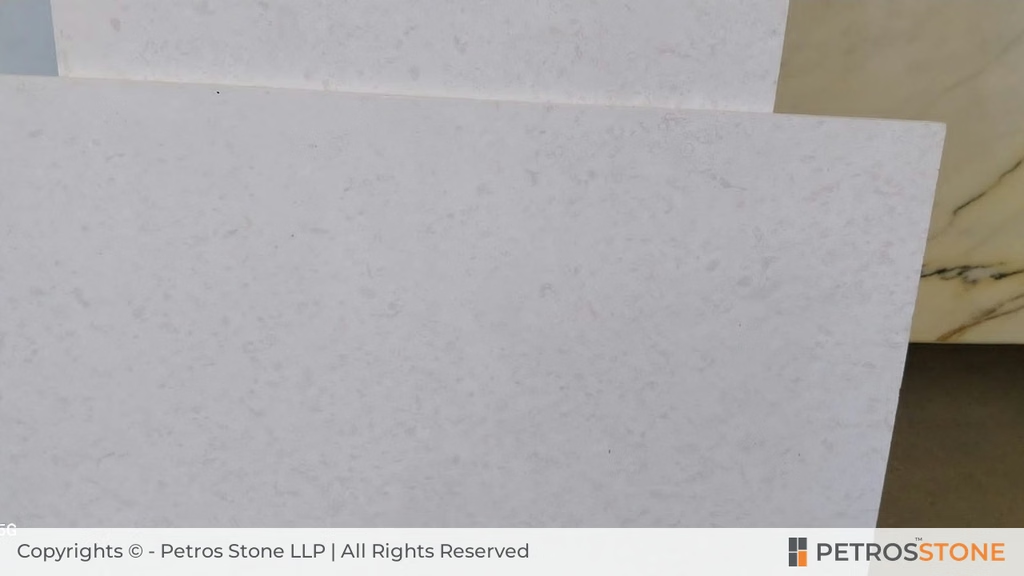
Botticino Perlato Slab Price ( USD/sq. ft.)
| Slab thickness | Indicative price range (USD/sq. ft.) |
|---|---|
| 2 cm (20 mm) | USD 2.1 – 2.8/ sq. ft. |
Iconic Architecture in Botticino Marble
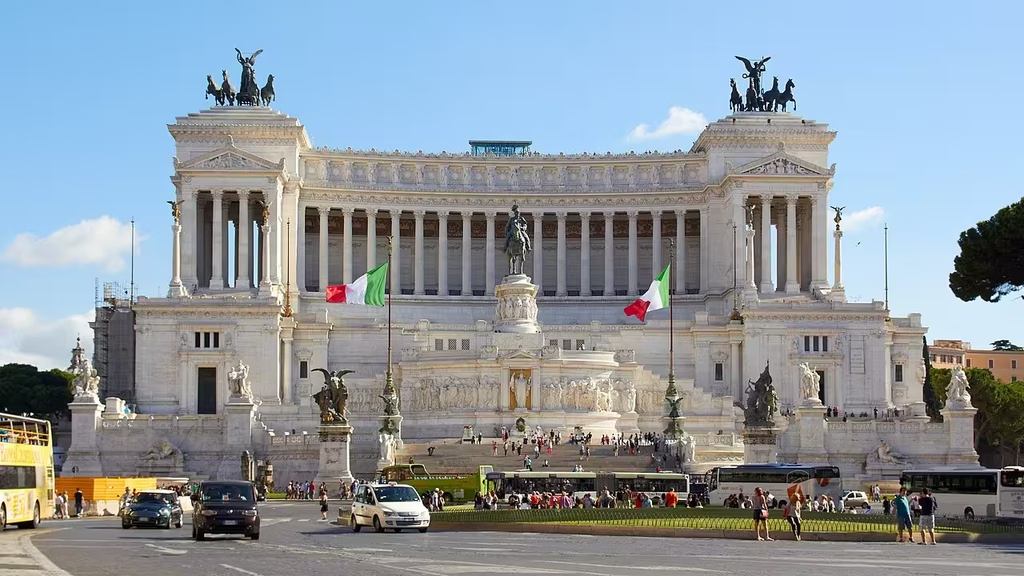
The Monument to Vittorio Emanuele II in Rome, also known as the Vittoriano, is a notable example of Botticino marble in monumental architecture. Its exterior incorporates Botticino Classico and Mazzano marble, chosen for their appearance and suitability for large-scale architectural work. The monument was inaugurated in 1911.
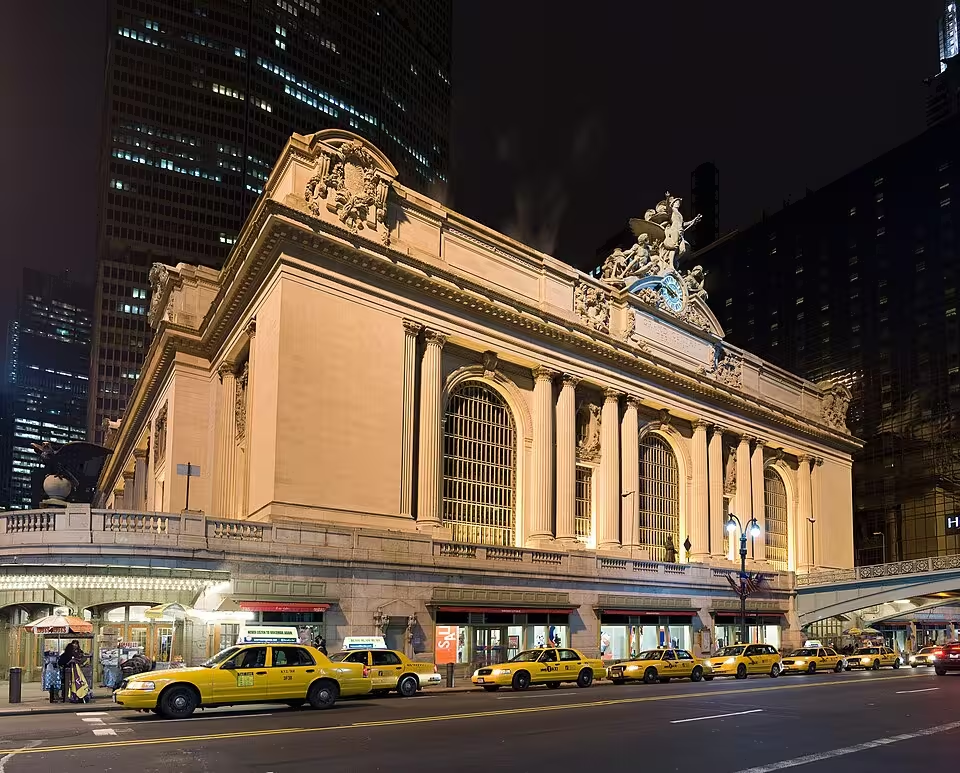
Grand Central Terminal, New York City, also features Botticino Classico marble, selected in 1904 for parts of its interior, including the double staircase, wall skirting, and ticket offices. Its warm beige tones and refined appearance complement the terminal’s grand architectural design.
What Are the Technical Properties of Botticino Marble?
Botticino marble is a compact stone with very low water absorption and a density near 2,700 kg/m³. Published figures vary by source because each uses a different quarry block, lab, and test method, so use them as a reference and request a test report for your batch (the MIA datasheet itself recommends retesting for major projects).
| Property | Reported values |
| Water absorption | 0.1% (Classico, ASTM C97; EN 13755 declaration); 0.15–0.17% (Fiorito) |
| Density | 2,700–2,714 kg/m³ |
| Compressive strength | 75 MPa (Classico, 10,930 psi, ASTM C170); 117 MPa (Fiorito); about 207 MPa (Semiclassico, 2,110 kg/cm²) |
| Flexural strength | 19.3 MPa (Classico, 2,799 psi, ASTM C880); 20.9 MPa (Fiorito) |
| Hardness | Mohs about 3 |
| Fire reaction | Class A1 |
| Freeze-thaw | 3.1% change in flexural strength after cycles |
| Slip resistance (wax finish) | SRV 59 dry, 47 wet |
One Italian manufacturer’s declaration of performance classes the stone as a dolomitic biopelmicrite, and states it is for external paving, cladding, and floor coverings.
What Are the Most Popular Finishes for Botticino Marble?
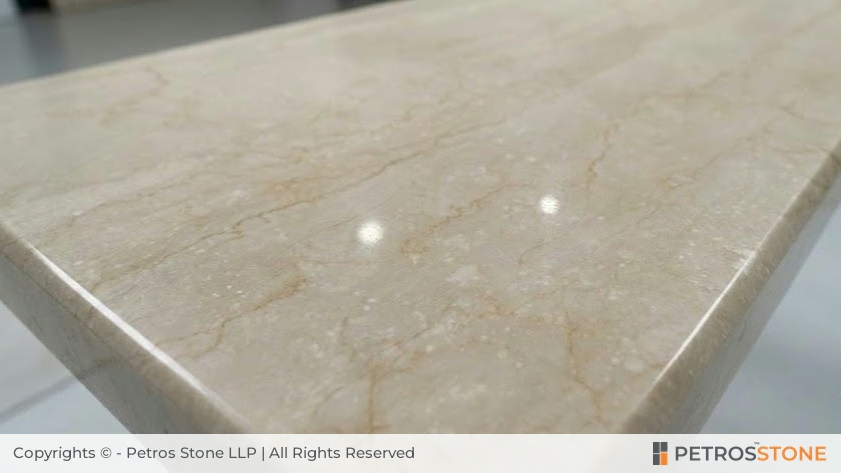
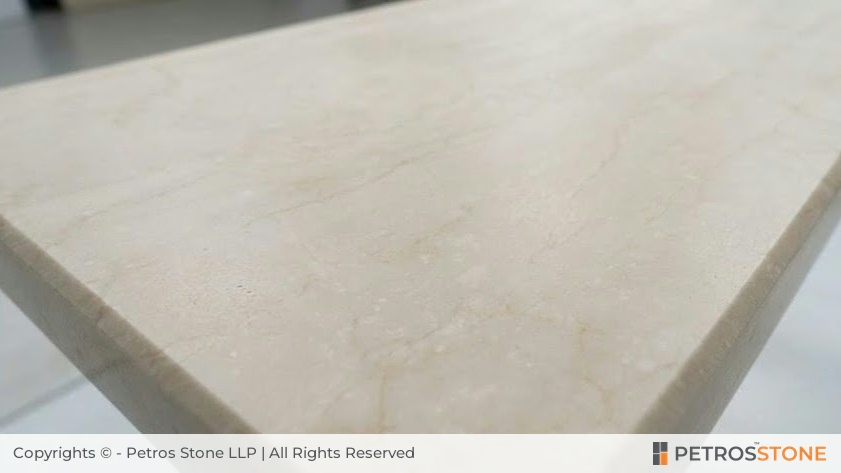
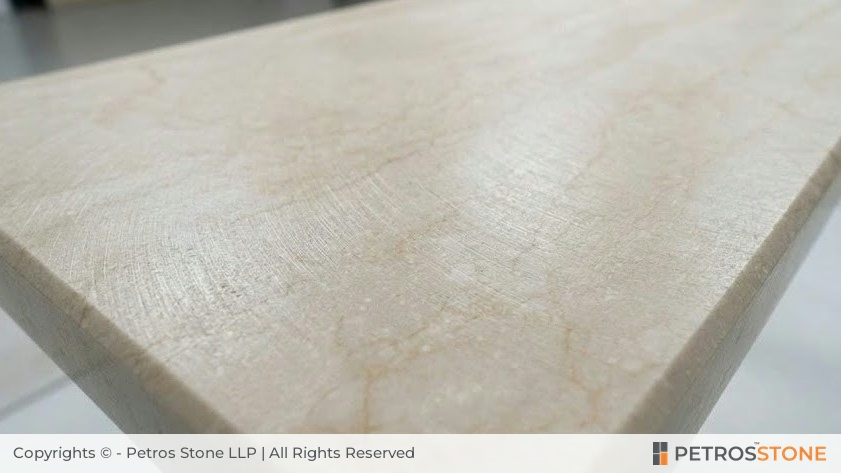
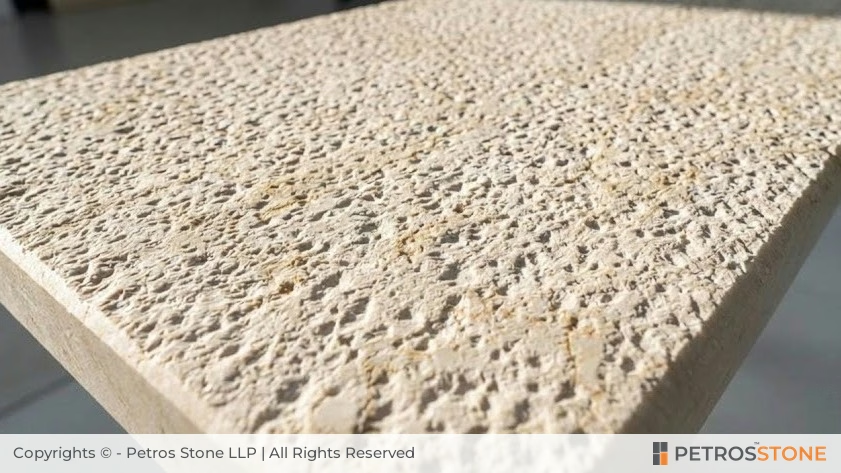
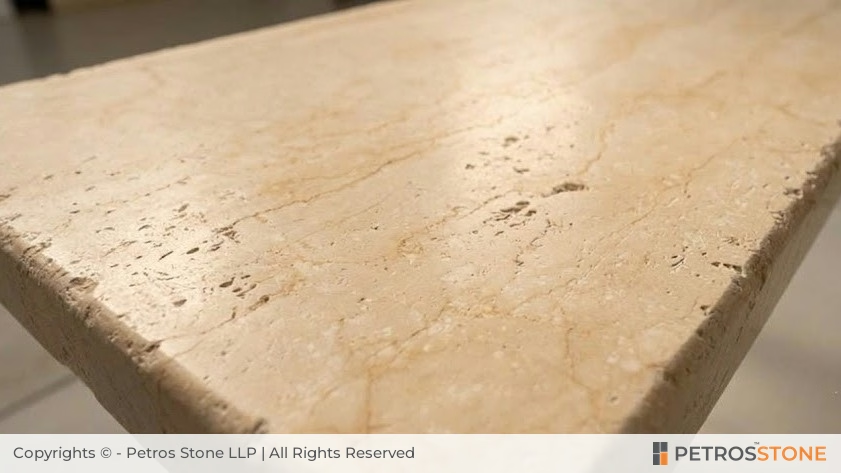
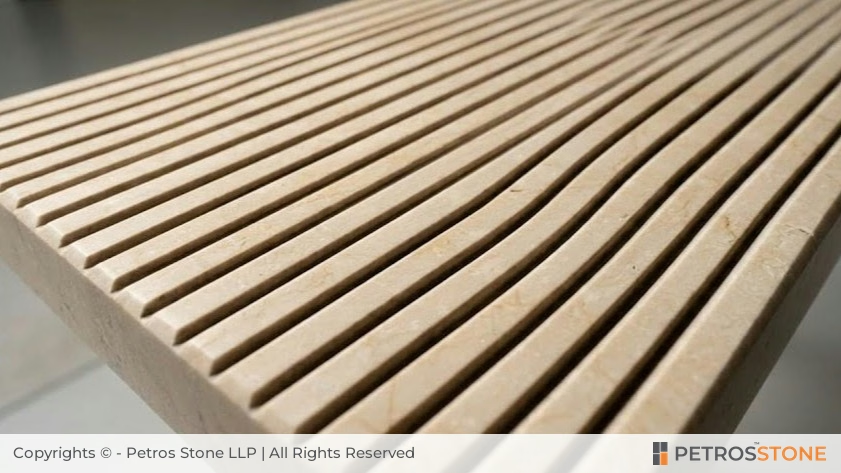
Polished and honed are the two standard finishes; textured finishes are offered on request.
- Polished: Glossy, with a warm lustre that deepens the cream color and veining. Best for vanity tops, feature walls, and dry interior floors. It shows etching and is slippery when wet.
- Honed: Matte and softer-looking. It hides minor etching better and suits floors, kitchens, and bathroom floors.
- Brushed, sandblasted and satin: More natural and matte; recommended for stairs and outdoor use because they give better grip.
- Bush-hammered and flamed: Rough, grippy surfaces for exteriors, facades and steps.
- Antiqued or tumbled: A rustic, aged look for floors and courtyards.
- Waterjet and Rigato (grooved): Decorative treatments for inlays, borders and wall panels.
Outdoors, honed, brushed or bush-hammered finishes are preferred.
What Are the Standard Sizes and Thicknesses of Botticino Marble?
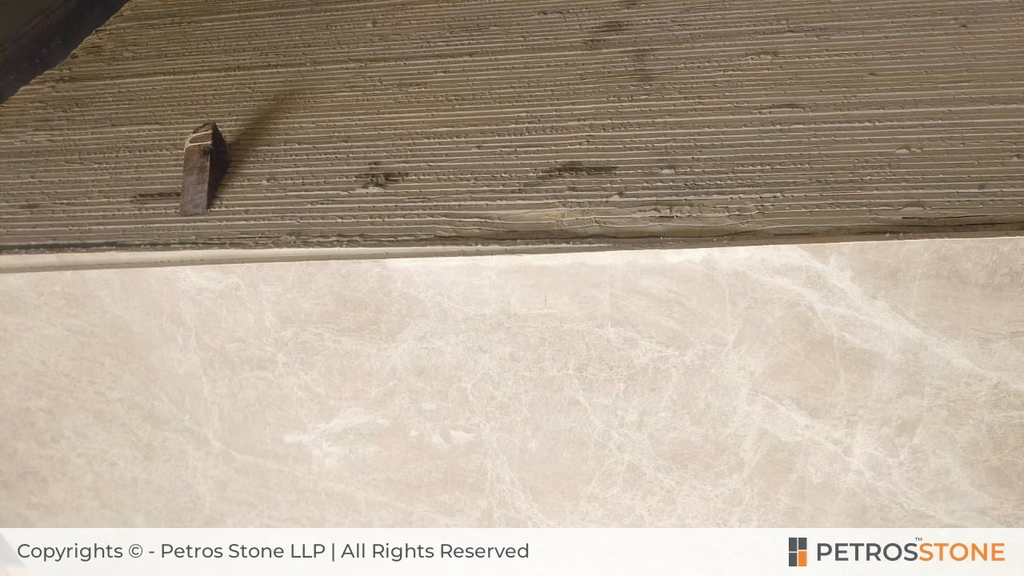
Slabs come mainly in 2 cm and 3 cm; calibrated tiles are 1 cm or 2 cm.
| Format | Typical Size |
| Fabricated slab (Classico) | 250 × 120 cm average; blocks 250 × 120 × 120 cm |
| Slab | 203 × 102 cm to 305 × 178 cm (80×40 in to 120×70 in) |
| Large Slab | 270 × 180 cm to 310 × 195 cm |
| Thickness | 2 cm and 3 cm standard (¾ in and 1¼ in in the US); 4–8 cm on request |
| Thin tiles | 305×305, 305×610, 610×610 mm at 10 mm; maximum 61×61×1 cm |
| 20 mm tiles | 300×300, 600×600, 800×800 mm and larger |
What Are the Best Uses for Botticino Marble?
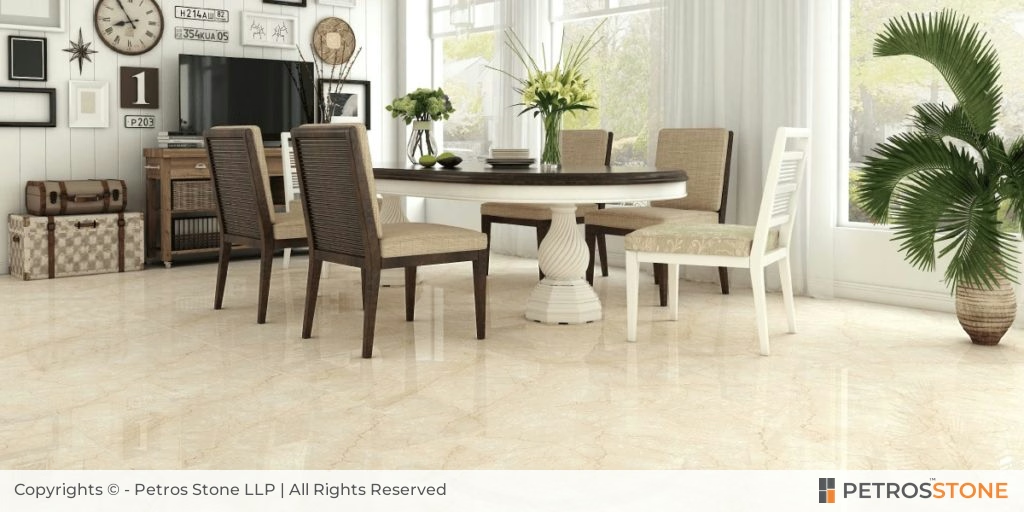
Botticino suits floors, wall cladding, stairs, thresholds, window sills, vanity tops, and decorative elements, indoors and out.
- Floors: Its most common use, in homes, lobbies, and offices. Honed is more forgiving underfoot.
- Stairs: A classic choice. It holds up to foot traffic, and honed or brushed finishes give grip.
- Wall cladding and feature walls: Even tone works across large areas; thin tiles and lightweight panels are available.
- Bathroom vanity tops and walls: Good, with sealing and careful cleaning (see next section).
- Facades and exterior steps: Suitable in honed, brushed or bush-hammered finishes, with a water repellent.
- Fireplaces, tables, sinks, inlays: Common decorative uses.
- Kitchen worktops: Possible but not ideal. It reacts to acids, so Marmi di Carrara recommends less acid-sensitive materials for heavily used kitchen worktops. If you choose it, pick honed and seal it.
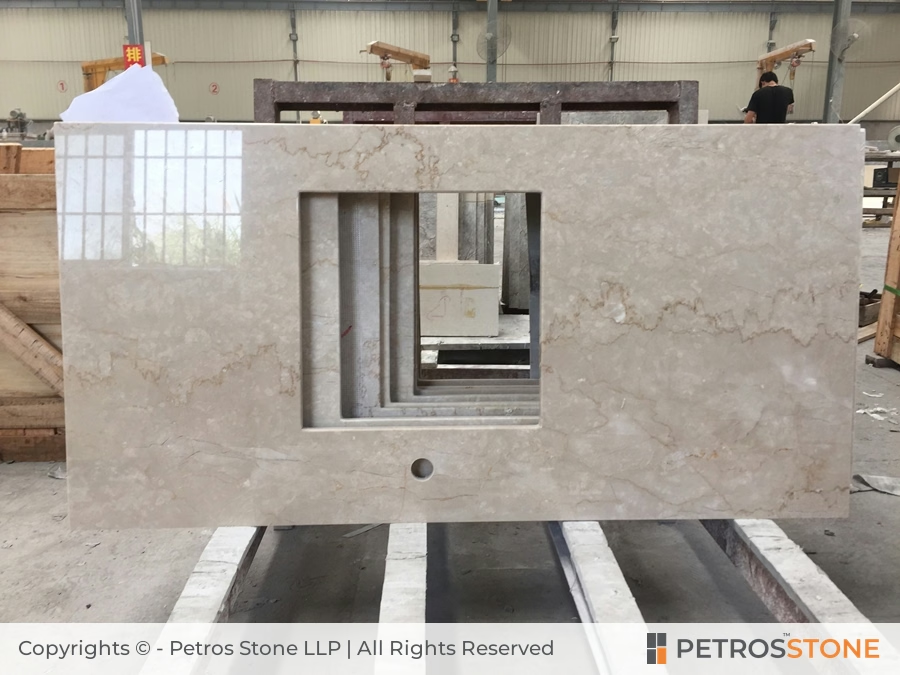
Is Botticino Marble Suitable for Bathrooms and Wet Areas?
Yes, with limits. Its low water absorption (about 0.1%) means water does not soak in easily, and its warm beige tone hides water spots better than white marble. The risk is chemical, not moisture: Botticino is calcium carbonate, so acids dull it (etching). Shampoo, vinegar, lemon, limescale removers, and many bathroom sprays can all do it.
Botticino Marble in Bathrooms – Uses and Limitations
| Area | Verdict |
| Vanity top | Best bathroom use: mostly dry, wiped daily |
| Dry bathroom floor | Good, preferably honed |
| Shower walls | Possible in dense stone, sealed well, with epoxy grout |
| Shower floor | Avoid. Standing water, soap, and slip risk |
Two points to remember. Sealer stops staining but does not stop acid etching; only avoiding acids does. And use pH-neutral cleaners, squeegee showers dry, and ventilate.
How Durable Is Botticino Marble for High-Traffic Areas?
Botticino is durable by marble standards, not by granite standards. It is dense, absorbs about 0.1% water, and has been walked on for generations: the Valverde quarry cooperative cites Grand Central Station, La Scala in Milan, and the Vittoriano among buildings that use it. But at Mohs hardness of about 3, it scratches and etches more easily than granite or porcelain.
Technical Test Results for Botticino Marble
| Test | Reported result |
|---|---|
| Abrasion hardness (ASTM C241) | 14.24 |
| Abrasion (EN 14157, method A) | 20.0 mm groove width |
| Freeze-thaw | 3.1% change in flexural strength |
| Slip resistance, wax finish (EN 14231) | SRV 59 dry, 47 wet |
| Fire reaction | Class A1 |
What wears first. The polish, not the stone. In entrances, corridors and shop floors, a polished surface dulls along walking lines from grit, and acids leave pale etched marks. Both can be repaired: the polish on floors can be restored by professional honing and polishing.
How to specify it for heavy use.
- Choose honed or brushed, not high-gloss, so wear and etching show less, and grip is better.
- Put walk-off mats at entrances to stop grit.
- Clean with a pH-neutral cleaner and dust-mop often.
- Reseal with a penetrating sealer; one guide suggests every year or two.
- Plan a re-hone for the busiest zones every few years. Specialists set the exact interval by the finish and traffic.
What Factors Affect Botticino Marble Prices?
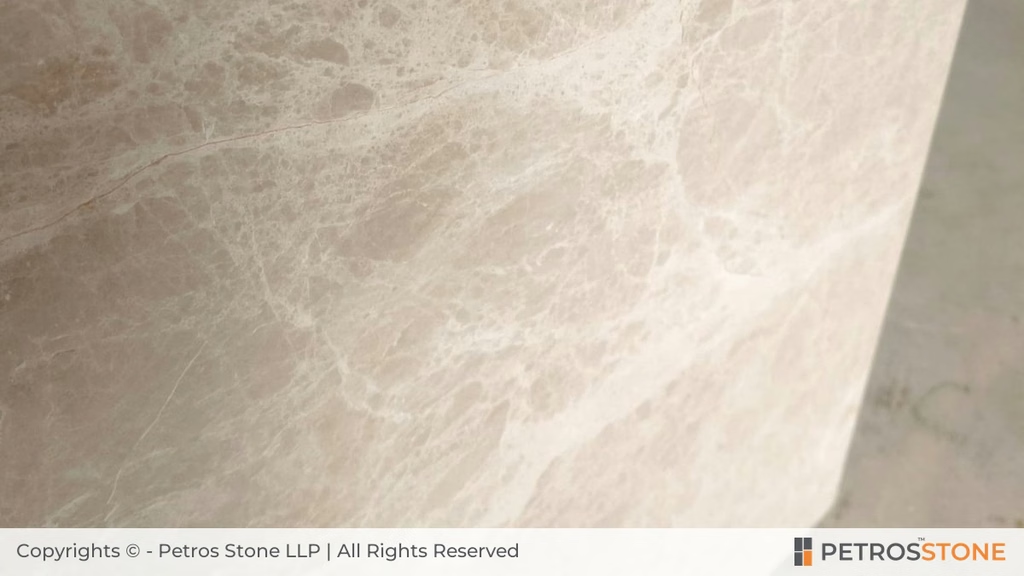
The quarry label and the slab in front of you move the price more than the variety name does. Seven factors matter most.
- Origin and authenticity. Stone from the Botticino classic area carries a protected origin mark; other Botticino-style stones are cheaper. The consortium’s own account is that competition from similarly named stones pushed prices down.
- Variety and selection. Cleaner, more uniform selections such as Classico Extra command a premium over busier or lower selections, and Crema Italia is sold by one producer exclusively.
- Block and slab quality. Color consistency, fewer fissures and fewer dark stylolites mean fewer rejected pieces.
- Thickness and format. 3 cm costs more than 2 cm, and 16–18 mm slabs sold in India cost less than 20 mm. Thin 10 mm tiles are priced separately.
- Finish. Specialised finishes such as leathered or brushed add factory time and cost.
- Freight, duty and tax. Imported stone carries freight and duty. In India, marble and laying attract 18% GST, and quotes often leave it out.
- Installation, which can equal the stone. Installed cost typically runs about 1.6 to 2.1 times the slab rate. These are indicative figures for Indian marble generally, not Botticino alone.
Sanity check. Compare like with like: same variety, thickness, finish, origin, and whether GST and delivery are included. A quote that is far below the market range probably leaves out something or is not the stone you think.
Botticino Marble Price by Variety and Thickness
| Botticino marble variety | Slab thickness | Indicative price (USD/sq. ft.) |
|---|---|---|
| Botticino Classico | 2 cm (20 mm) | $2.00–$3.10 |
| Botticino Semiclassico | 2 cm (20 mm) | $2.60–$2.70 |
| Botticino Classico Extra | 2 cm (20 mm) | $2.10–$4.70 |
| Botticino Fiorito | 2 cm (20 mm) | $2.10–$4.80 |
| Botticino Crema (Crema Italia) | 2 cm (20 mm) | $1.60–$2.10 |
| Botticino Perlato | 2 cm (20 mm) | $2.10–$2.80 |
What Should You Check Before Buying Botticino Marble?
Use this checklist before paying a deposit.
1. Origin in Writing
Ask where it was quarried: Botticino classic area, Nuvolera–Serle area, or elsewhere (including Turkey). Ask for the origin mark or producer’s paperwork if the quote says Classico.
2. Exact Variety Name
Classico, Semiclassico, Extra, Fiorito or Crema. Be wary of vague labels such as “Botticino” alone, “Extra Light” or “Perlato”.
3. Inspect the Slab
Photos hide veining and tone shifts; check several slabs side by side.
4. Color – Beige and Warm
Grey, green or blue is not Italian Botticino.
5. Thickness and Size
Confirm 16, 18, 20 or 30 mm and the slab dimensions, since quotes often differ.
6. Finish and Slip Suitability
Classico, Semiclassico, Extra, Fiorito or Crema. Be wary of vague labels such as “Botticino” alone, “Extra Light” or “Perlato”.
7. Technical Data
Ask for a test report or declaration of performance for water absorption, flexural strength and slip resistance.
8. Resin and Mesh Backing
Fine on tiles, but ask whether slabs were resin-treated or reinforced.
9. Quote Scope
Is it per sq ft or per m², material only or installed, with or without GST, wastage and delivery?
10. Sealer and Care Plan
Ask for the recommended sealer and pH-neutral cleaner in writing.
11. Batch and Wastage
Order the whole job from one batch, with 5–10% spare (10–15% for patterned layouts).
Which Botticino Marble Should You Avoid — and Why?
No Botticino variety is bad. What to avoid is mislabelled or mismatched stone, and a few uses.
Avoid:
- ‘Botticino’ that is not Italian and is sold as if it were. Turkish stones traded as Botticino exist, quarried in Burdur, and are described as grey and blue or as light grey-green with white and pink veining. The Turkish stone is not to be confused with the Italian Botticino. These can be sound stones, but they are different products and should not be priced as Italian.
- Listings that contradict themselves. Examples seen: a ‘Botticino Granite’ listing (Botticino is a limestone-marble, not granite), ‘Botticino’ slabs described as grey, and a density given in grams per litre. Treat such listings as unreliable.
- Prices far below the market range with no origin paperwork. Prices significantly lower than the market price are not credible for the Italian stone.
- Mixed batches. Busy Fiorito mixed with calmer Classico on one floor leads to visible patches.
Avoid these uses:
- A shower floor in polished Botticino, because of slip risk and standing water.
- A heavily used kitchen worktop in polished finish. It is sensitive to citrus, vinegar, and limescale removers; choose a less acid-sensitive material if you cook heavily.
- Polished finish on exterior steps or wet ramps.
- Acidic cleaners anywhere, whatever the variety.
FAQs
How many types of Botticino marble are there?
Six are commonly listed: Classico, Semiclassico, Classico Extra, Fiorito, Crema (Crema Italia), and Perlato.
What is the difference between Botticino Classico and Fiorito?
Botticino Classico has a more uniform beige appearance, Semiclassico has moderate variation, and Fiorito features more pronounced veining and cloudy, flower-like patterns.
Is Botticino marble suitable for bathrooms?
Yes, Botticino marble is suitable for vanity tops, walls, and dry bathroom floors when properly sealed and cleaned with a pH-neutral cleaner. Avoid it on shower floors unless slip resistance and drainage are properly addressed.
Can Botticino be used outdoors?
Yes, Botticino marble can be used outdoors for facades and steps. Choose honed, brushed, or bush-hammered finishes, and verify its suitability for local weather conditions and freeze-thaw exposure.
How do I tell Italian Botticino from a lookalike?
Check its warm beige color, request documentation confirming Italian origin, and inspect the slabs for consistency. Be cautious of unusually low prices, and ask for traceable quarry-origin documentation rather than relying on appearance alone.
Key Takeaways
- Six varieties, one family. Classico, Semiclassico, Classico Extra, Fiorito, Crema and Pergamena differ mainly in veining and tone; Classico is the benchmark, Fiorito the busiest.
- Only Classico has a protected origin mark. ‘Botticino’ on a quote may describe a look, not an origin, so ask for paperwork.
- Its weakness is acid. It etches, and sealer does not prevent that. Avoid shower floors and heavy-use polished kitchen worktops.
- Buy with care. Check color, origin, thickness, finish, and what the quote includes, and avoid mislabelled or Turkish stone sold as Italian.

Tapas Koul leads editorial direction and content strategy at Petros® Stone, bringing over 15 years of combined experience in e-commerce, publishing, and digital communication. His work spans research, strategy, and communication, with a focus on natural stone, its technical properties, processing, and architectural applications. Collaborating with Petros® Stone’s production team, laboratory experts, and specialists, he translates industry knowledge into clear, engaging content and communication for diverse audiences.
Feel free to get in touch for a free consultation, quote, and get a detailed understanding from our experts here at Petros®. Visit www.petrosstone.com or call +91-8446360361 or WhatsApp

Brown Granite

White Galaxy Granite

Blue Bahia Granite

Silver Cloud Granite

Black Pearl Granite

Dallas White Granite