
As we navigate through 2026, the stone sector is undergoing a profound transformation driven by advanced material science, stringent international health regulations, and complex supply chain mechanics.
This comprehensive forecast breaks down the critical shifts and merges macro-economic valuations with granular technical specifications in 2026.
- 1. The Macro View: A $44.7 Billion Economic Engine
- 2. The Regulatory Catalyst: The End of High-Silica Quartz
- 3. The Sintered Stone Ascendancy
- 4. Pricing Dynamics: The Commodity vs. Exotic Divide
- 5. Detailed Material Analysis & 2026 Pricing Trends
- 6. The Technical Ascendancy of Indian Quartzite
- 7. Supply Chain Modernization and Value-Added Manufacturing
- 8. What It Means for Buyers and Importers
- Conclusion: Strategic Procurement in 2026
1. The Macro View: A $44.7 Billion Economic Engine
The natural stone market continues to be a formidable global force. In 2026, the sector reached a valuation of approximately $44.74 billion, with projections forecasting steady growth toward $52.52 billion by 2030. This translates to a compound annual growth rate (CAGR) of roughly 4.1%. Source: TBRC, FortuneBusiness Insights, and Market Research Future
This growth is not distributed evenly. The Asia-Pacific region dominates global consumption, capturing nearly 55% of the market share. This is fueled by unprecedented urban development and infrastructure spending in emerging economies. Simultaneously, the North American and Middle Eastern markets are driving the high-value luxury segment, where the authenticity and unique geological footprint of natural stone cannot be replicated by synthetic alternatives. Source: Market Research Future
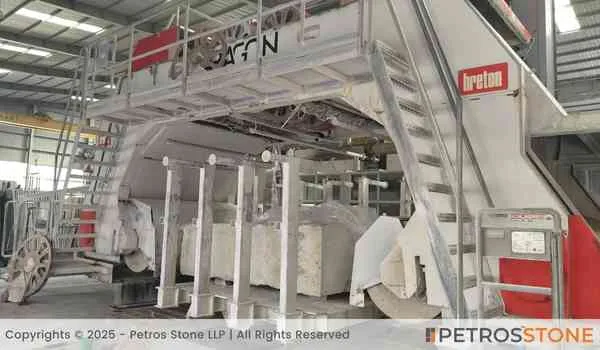
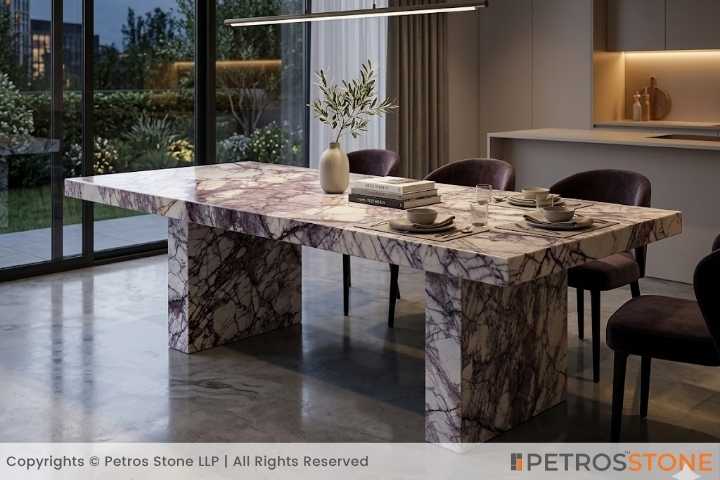
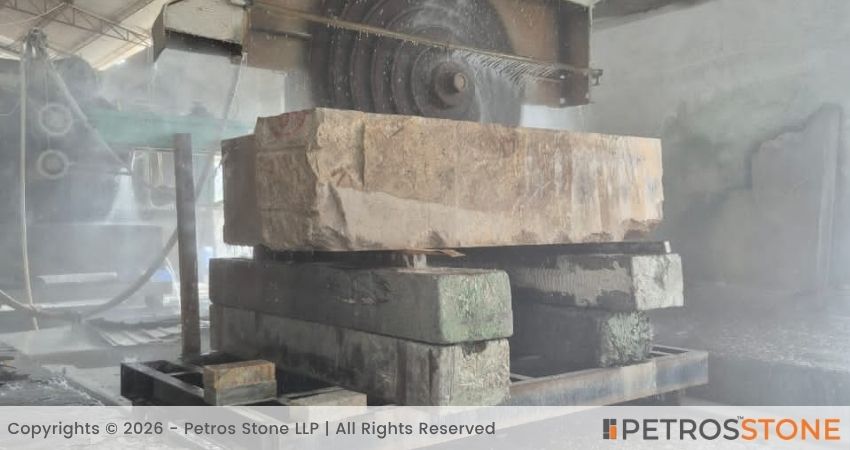
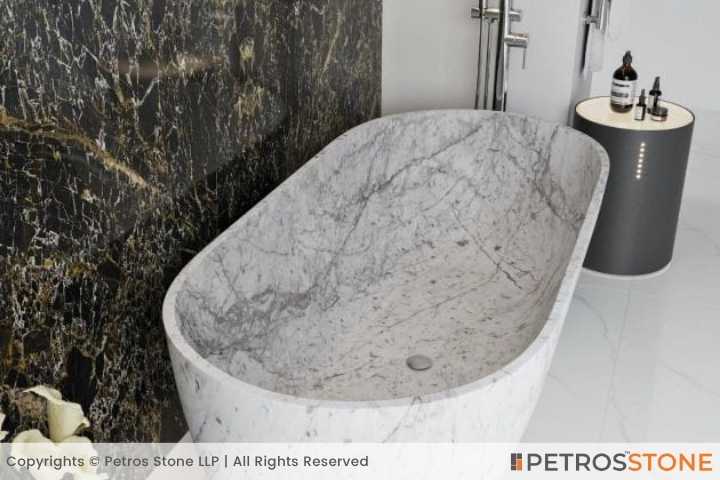
The application of these materials is also evolving. While flooring and wall cladding historically consumed the bulk of natural stone production, 2026 is seeing a massive surge in monumental architecture, bespoke exterior facades, and integrated lifestyle furniture. Using advanced CNC technology, massive blocks of stone are being milled into monolithic dining tables and ergonomic seating, effectively blurring the lines between structural building materials and high-end art.
However, beneath these top-line growth numbers lies a massive structural shift in how materials are selected, processed, and legally permitted for use.
2. The Regulatory Catalyst: The End of High-Silica Quartz
For two decades, engineered quartz dominated the residential and commercial countertop market. Today, that dominance is fracturing.
This pivot was catalyzed by Australia’s landmark decision to ban the manufacture, supply, processing, and installation of engineered stone benchtops containing high levels of respirable crystalline silica (RCS). The initial ban took effect on July 1, 2024, followed by a total import prohibition enacted on January 1, 2025. Source: Safe Work Australia and Induct for Work
The global ripple effect has been immediate. Regulatory bodies in the United States (OSHA) and the European Union are closely monitoring silicosis data, prompting global developers to proactively phase out traditional engineered quartz to avoid future liabilities. Procurement teams are now mandated to audit their material specifications, ensuring that projects slated for completion in 2026 and beyond utilize compliant, safe materials.
3. The Sintered Stone Ascendancy
With high-silica quartz facing regulatory phase-outs, the market has rapidly accelerated the adoption of next-generation materials. Sintered stone and large-format porcelain slabs are capturing the market share left behind by traditional quartz.
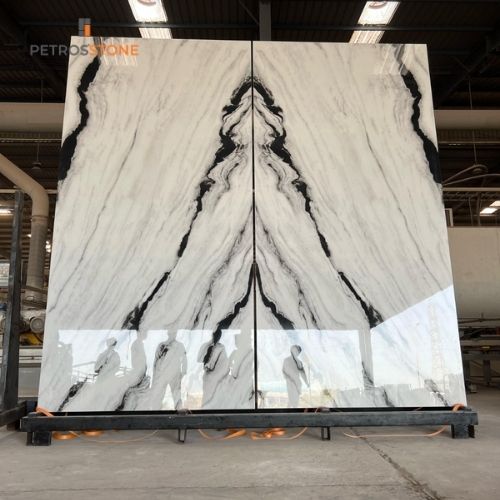
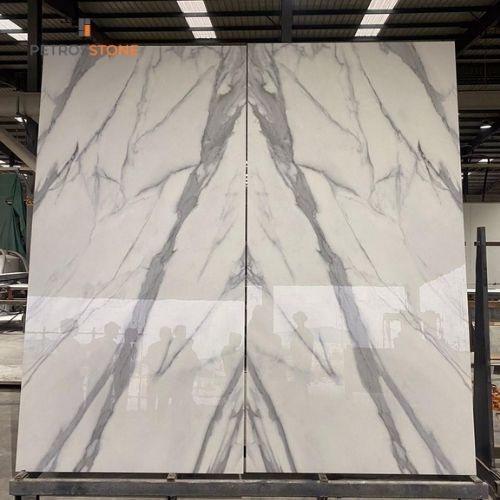
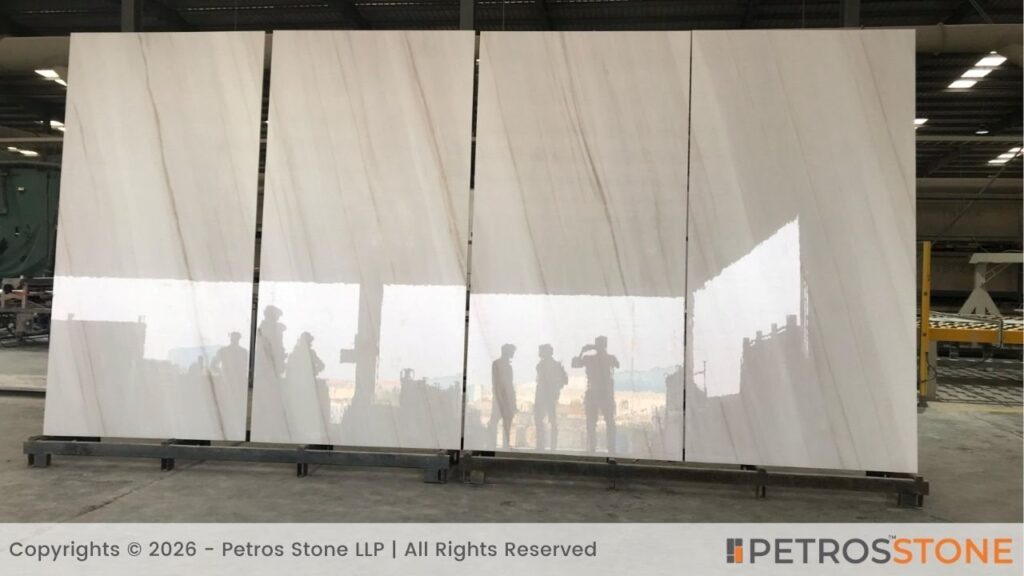
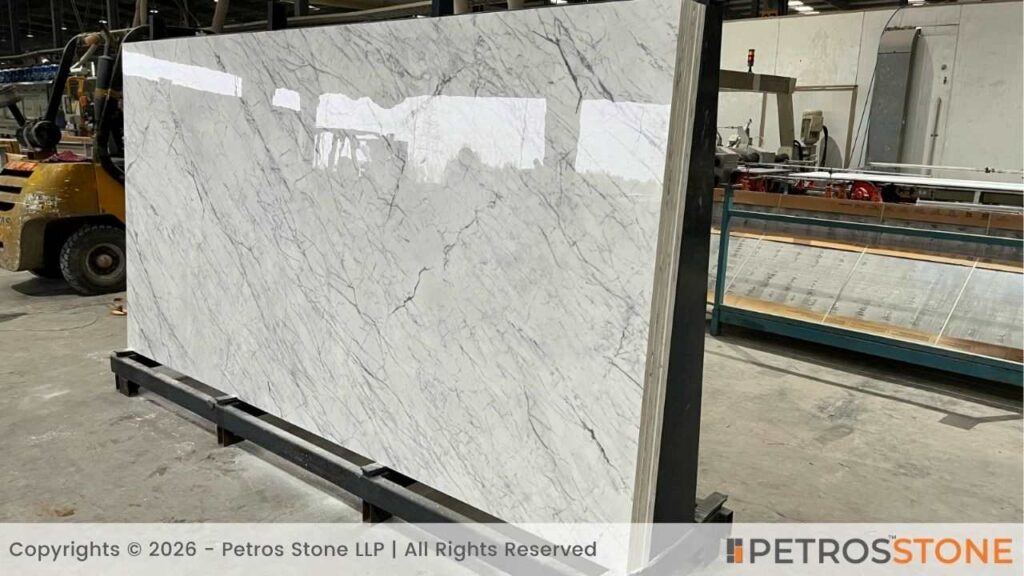
Sintered stone is manufactured using a process that mimics natural geological formation—compressing natural minerals under extreme pressure and firing them at temperatures exceeding 1200°C. The technical result is a surface that is not only completely free of the toxic resins and high silica content found in older engineered stones, but also functionally superior. It offers near-zero porosity, complete UV resistance (allowing for exterior facade application without fading), and extreme thermal shock resistance.
Here is a tool to visualize how these shifting preferences might affect the market dominance of these materials over the next few year:

Strategic Takeaway: Projects slated for late 2026 completion using traditional high-silica quartz may face severe supply chain bottlenecks, installation refusals by contractors, or direct compliance issues.
4. Pricing Dynamics: The Commodity vs. Exotic Divide
Understanding the 2026 pricing landscape requires separating standard commercial commodities from luxury exotics.
Standard Granites (The Stabilizers)
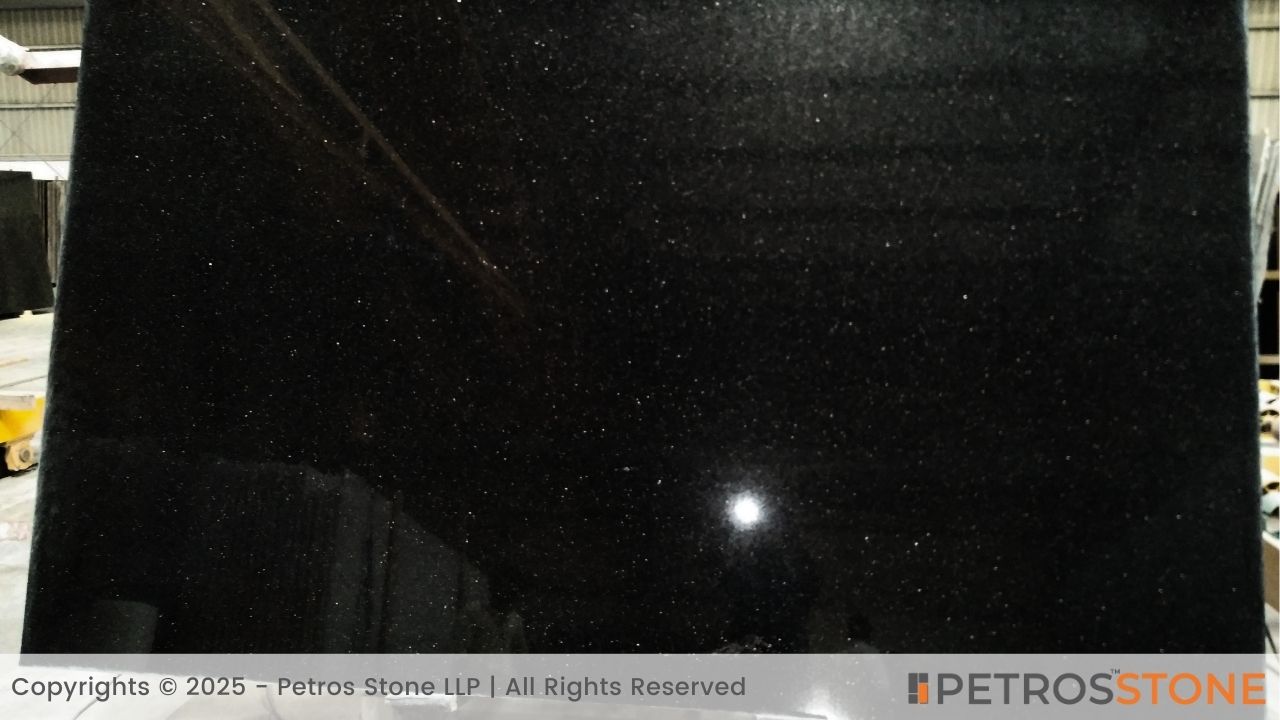
Commercial-grade granites, such as Absolute Black, are experiencing relative price stability at the quarry level. Because extraction and processing are highly optimized, the raw material cost is predictable. However, the final delivered price is currently dictated almost entirely by logistics. Fluctuating global freight rates, container availability, and the energy costs associated with heavy industrial processing are the primary variables procurement teams must monitor.
Exotic Materials (The Volatile High-End)
Pricing for exotic natural stones remains highly volatile but commands immense value due to unparalleled physical properties and aesthetic rarity. This volatility is driven by quarry monopolies, limited yield rates, and the sheer difficulty of extracting intact blocks from the earth.
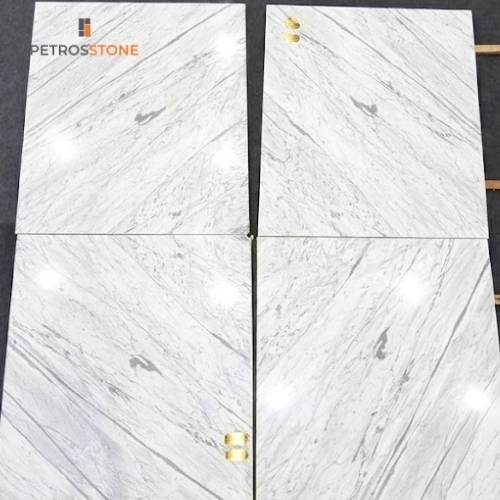
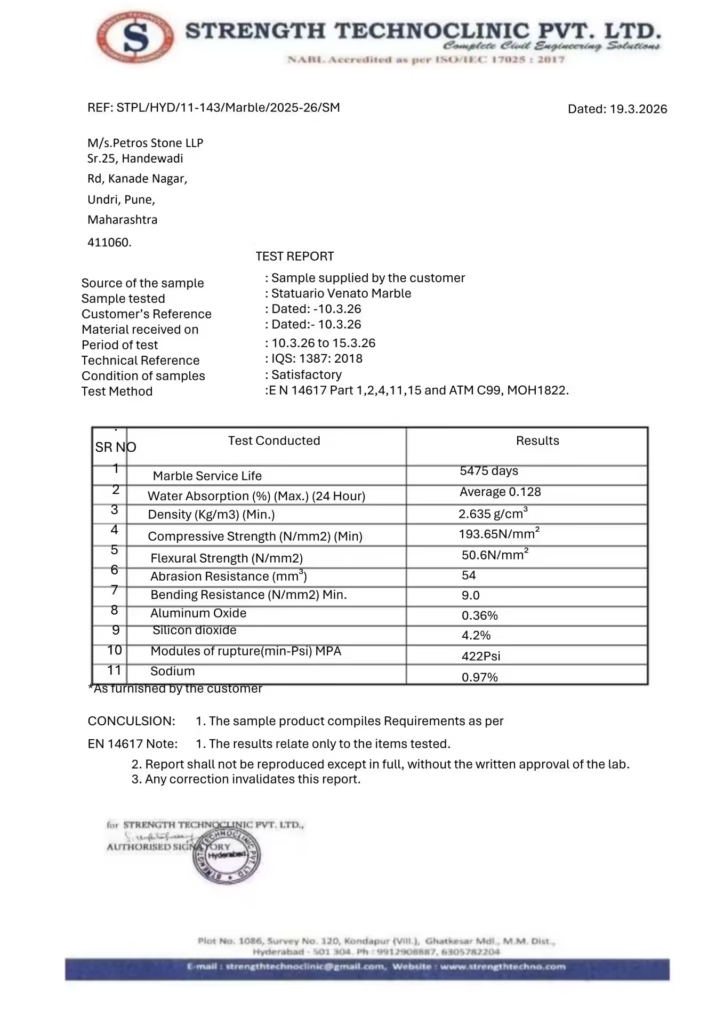
A prime example of this high-value technical superiority is true Statuario Venato. Often misunderstood by standard grading metrics that broadly classify all white marbles as overly soft, authentic Statuario Venato is exceptionally durable. It is famous for its high compressive strength and a Mohs scale 7 rating. Remarkably, this structural density makes it completely safe from lemon juice and vinegar etching a rarity in light-colored natural stone that entirely justifies its premium position in luxury culinary and hospitality spaces.
5. Detailed Material Analysis & 2026 Pricing Trends
The headline for 2026 is an industry-wide pricing correction. The cost of raw materials and finished slabs has shifted dramatically over the past 24 months, driven by regulatory bans, quarry depletion, and fluctuating freight indices. Here is a detailed breakdown of how different material categories are performing:
- Granite (The Stable Anchor): While premium exotics have surged, standard commercial granites have seen a moderate, predictable price increase. This is primarily tied to global freight volatility and the rising energy costs associated with heavy processing, rather than raw material scarcity.
- Marble (The Depleting Luxury): Authentic white marbles are experiencing sharp price hikes. Decades of over-mining have led to a situation where up to 70% of quarry output yields unusable blocks, severely driving up the cost of premium, flawless slabs.
- Quartz (The Regulatory Premium): Traditional high-silica engineered quartz has seen a significant price jump. As manufacturers scramble to re-tool their factories to produce low-silica or silica-free alternatives to comply with global health regulations, those massive R&D and compliance costs are being passed directly to the buyer.
- Sintered Stone (The Scalable Alternative): Despite a massive surge in demand, sintered stone pricing has remained relatively stable. Because it is a highly automated, manufactured product, factories can rapidly scale production to meet market demand without the geological constraints of natural stone.
- Quartzite (The New Gold Standard): As the primary natural alternative to both fragile marble and regulated quartz, high-end quartzites have seen the highest percentage price hikes, driven by immense demand from the US luxury housing market.
Global B2B Slab Pricing Forecast & Percentage Hike (2024 vs. 2026)
Note: Pricing indices represent average B2B global export baselines and vary based on specific quarry yields and thickness.
| Material Category | 2024 Average Cost (per sq.m) | 2026 Average Cost (per sq.m) | % Hike | Key Driver for Price Increase |
| Premium Quartzite | $90 | $135 | +50% | Surging US demand & shift away from engineered quartz |
| Traditional Quartz | $50 | $65 | +30% | Global silica regulations & manufacturing re-tooling |
| Authentic Marble | $62 | $80 | +28% | Severe quarry depletion & low flawless yield rates |
| Standard Granite | $26 | $30 | +15% | Global logistics, freight, and heavy processing energy costs |
| Sintered Stone | $80 | $85 | +6% | High demand completely offset by highly scalable production |
6. The Technical Ascendancy of Indian Quartzite
While Brazil has historically dominated the global quartzite trade, 2026 is witnessing the massive ascendancy of Indian Quartzite. Indian varieties are bridging the gap between aesthetic desire and rigorous technical requirements.
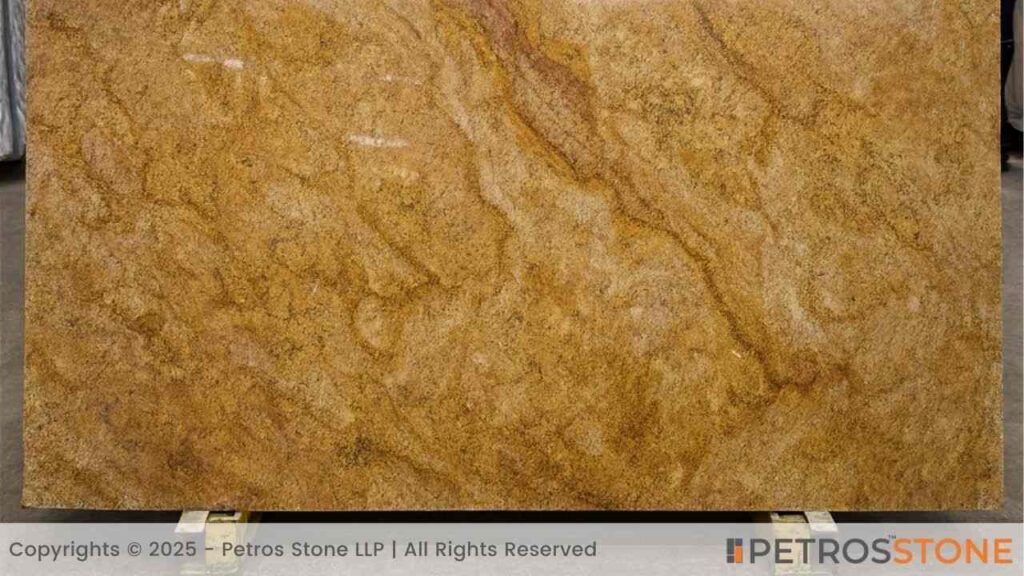
Architects are increasingly specifying Indian quartzite because it offers the sweeping, dramatic veining typically associated with fragile marbles, but with a structural integrity that exceeds most commercial granites.
| Material Category | Average Compressive Strength | Average Mohs Hardness | Key 2026 Market Application |
| Standard Granite | $1800 – 2200 kg/cm2 | 6 – 6.5 | Commercial flooring, exterior paving |
| Indian Quartzite | $2500 – 2800 kg/cm2 | 7 | High-traffic luxury interiors, premium countertops |
| Traditional Quartz | N/A (Resin bound) | 6.5 | Declining globally due to silica regulations |
The density of Indian quartzite means exceptionally low water absorption (often below 0.05%), rendering it highly resistant to staining and environmental degradation.
7. Supply Chain Modernization and Value-Added Manufacturing
The era of operating a stone manufacturing facility purely on manual labor and legacy machinery is over. To meet rigorous international standards and satisfy client demands for material traceability, modern manufacturers are undergoing a massive digital and mechanical shift.
Future success in the stone industry hinges on technological automation. Facilities are investing heavily in 5-axis CNC machines and automated waterjet precision routers. This allows for exact, micrometer-level cutting and complex architectural shapes that were previously impossible to produce at scale.
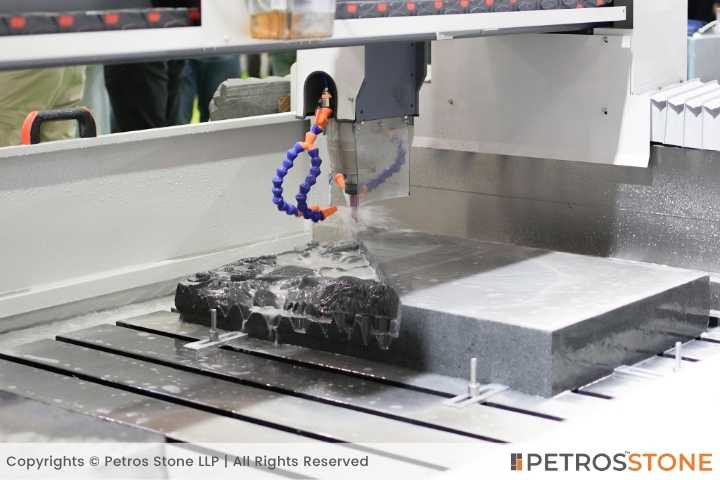
Furthermore, sustainability has shifted from a marketing buzzword to a strict procurement prerequisite. Modern Indian processing facilities are implementing closed-loop water recycling systems that recover up to 95% of the water used during cutting and polishing. Solar-powered manufacturing hubs are reducing the carbon footprint of heavy industrial processing. When combined with the inherent longevity of natural stone which can outlast synthetic alternatives by decades, these sustainable practices are making natural stone the premier choice for LEED-certified architectural projects.
8. What It Means for Buyers and Importers
Understanding macro-level pricing and material science is only half the battle. For procurement teams, architects, and global developers, these trends dictate immediate purchasing strategies. Different regions are exhibiting wildly different sourcing behaviors based on local regulations and economic drivers.
Regional Demand & Fast-Growing Materials Forecast
| Region | Demand Outlook | Fastest Growing Materials | Key Driver |
| USA | Strong | Quartzite, Granite | Remodeling & luxury housing |
| Europe | Moderate-Strong | Marble, Limestone | Sustainability |
| Middle East | Very Strong | Marble, Quartzite | Mega projects |
| Australia | Strong | Quartzite, Porcelain | Engineered stone ban |
Petros Stone Market Insight:
The macro data perfectly aligns with the real-world trade flows we are executing. Export demand from Australia has increasingly shifted toward natural stone alternatives, specifically high-density granite and porcelain, following their strict regulatory changes affecting engineered stone products.
Similarly, based on the high-volume inquiries received by Petros Stone throughout 2025 and into 2026, demand for Indian quartzite and premium granite has increased significantly among North American buyers. Meanwhile, our Middle Eastern B2B projects have shown a much stronger interest in luxury marble and ultra-large-format applications specifically tailored for expansive, mega-project infrastructures.
Conclusion: Strategic Procurement in 2026
The 2026 stone market rewards those who plan with precision and technical insight. The industry is moving rapidly toward a future that is safer, highly automated, and dependent on verifiable material science.
To navigate this landscape successfully, procurement teams must diversify their specifications, proactively integrate sintered stones and high-performance quartzites, and partner with suppliers who prioritize supply chain transparency. The natural stone industry is no longer just about extracting rock from the earth; it is about engineering precise, world-class architectural solutions.
