The outer surface, or external face, of a structure is known as a building façade. It is the first visual impression of any building and contributes significantly to its architectural identity. Nevertheless, a façade is not only about design or appearance. It acts as a shield against the sun, rain, wind, dust, and outside noise.
Here’s a list of 10 Best Materials for Building Façade
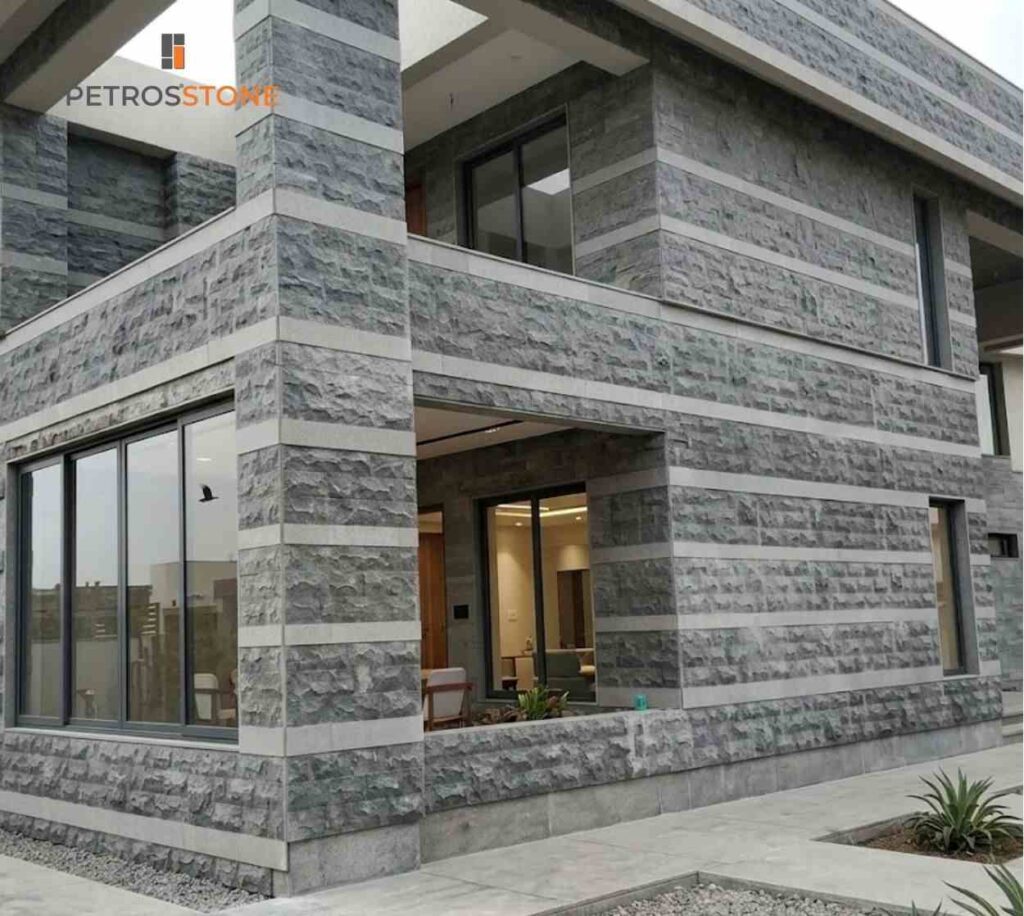
- Granite Wall Cladding
- Marble Wall Cladding
- Kota Stone Building Facade
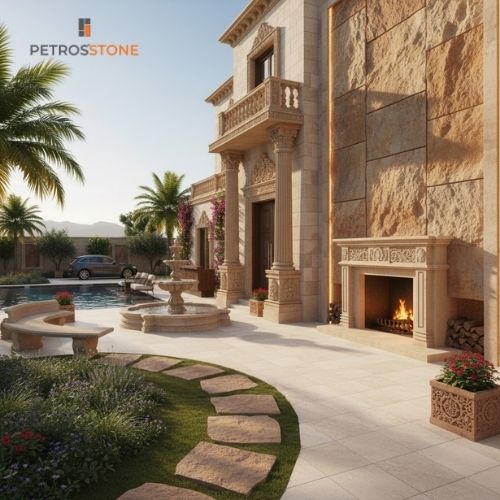
- Sandstones Façades
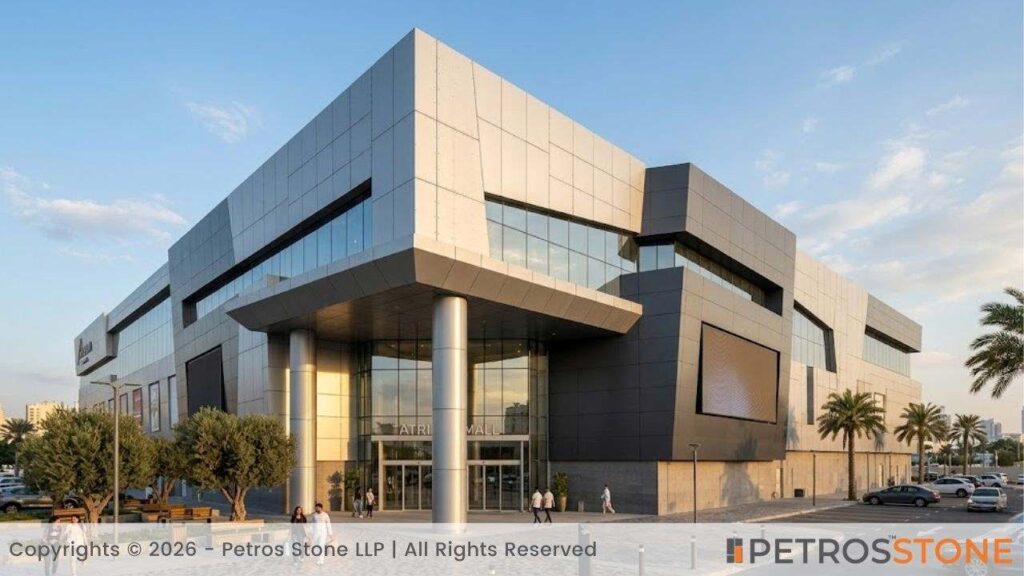
- Aluminium Composite Panels (ACP)
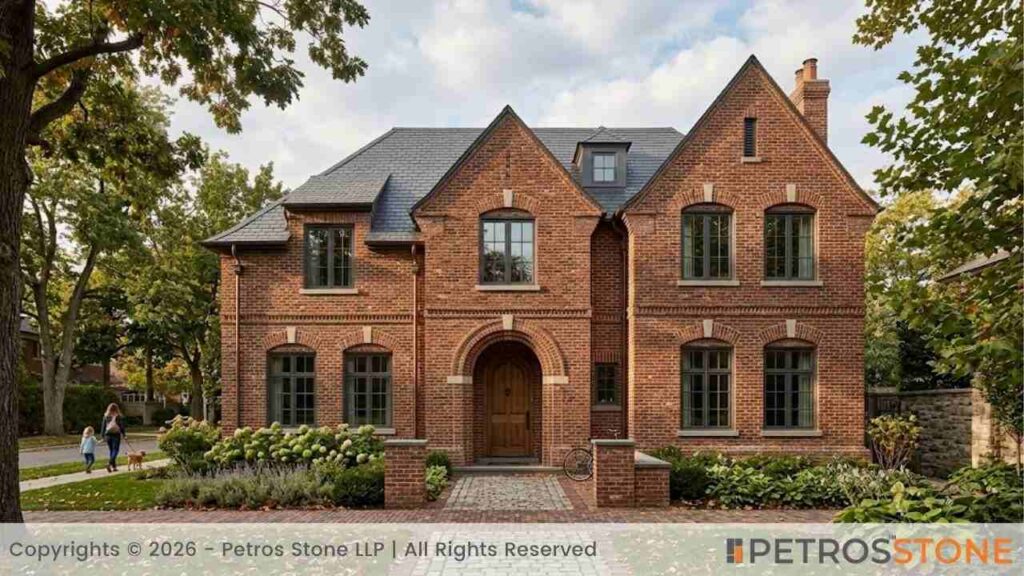
- Brick Façade
- Wood & Engineered Timber Cladding
- Terracotta Clay Panels
- Fiber Cement Boards
- Concrete & Precast Concrete Panels
The right façades system enhances indoor comfort in terms of heat transfer and loss of energy. It also preserves a fixed indoor temperature, which reduces heating and cooling expenses. A good-looking structure enhances durability and the long-term structural cover.
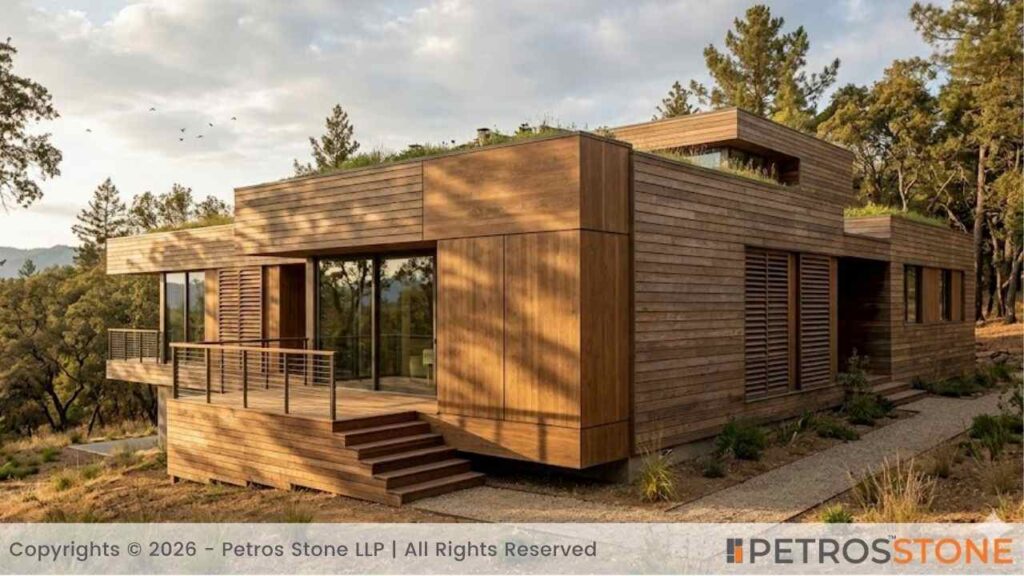
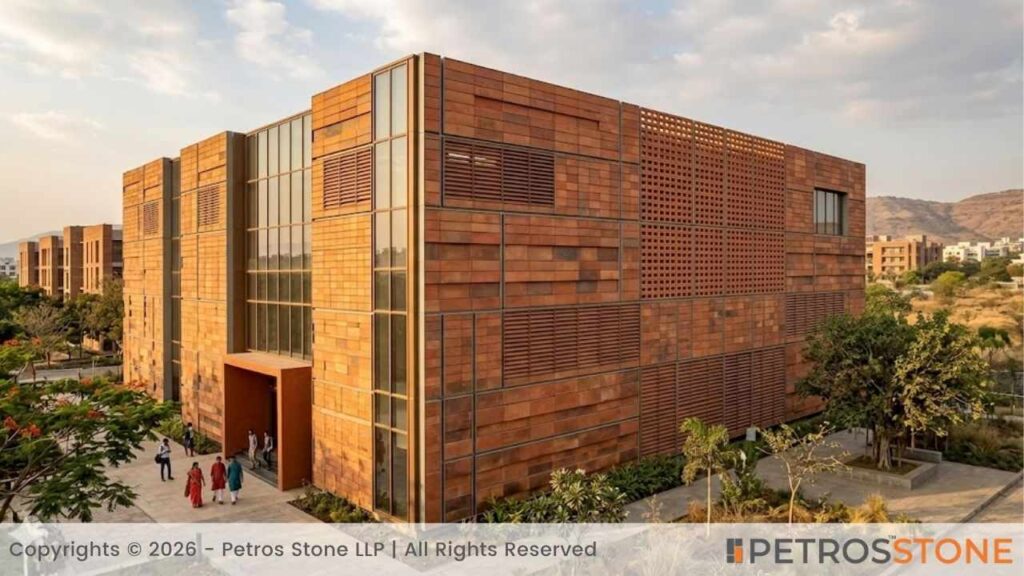
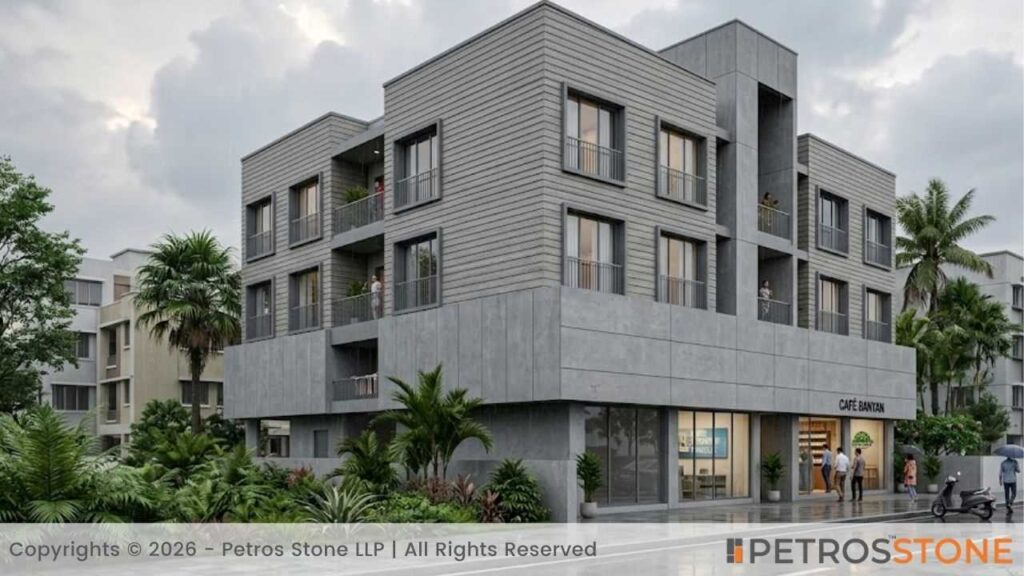
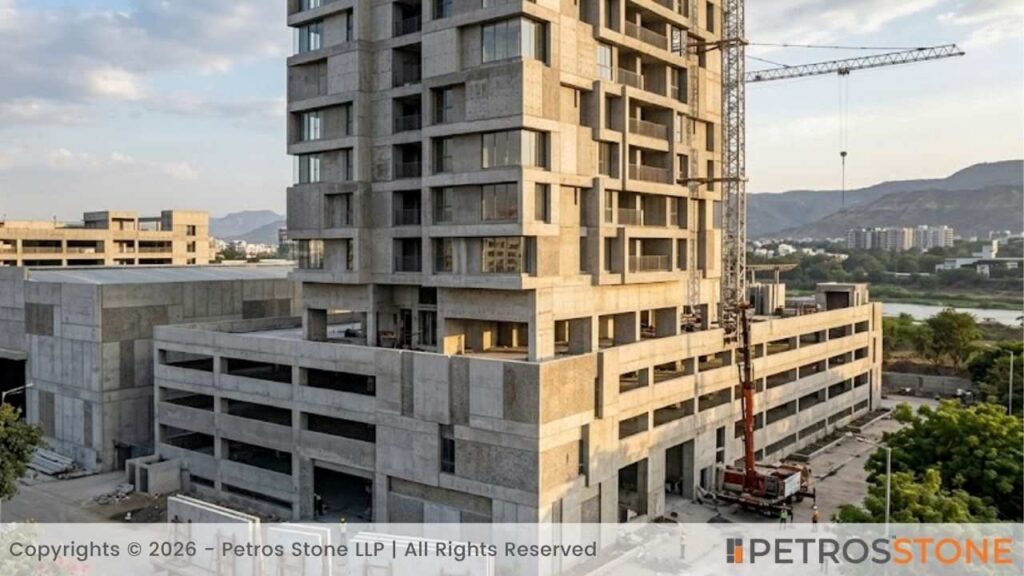
Choosing the right façades material is a vital choice among architects, property owners, and other developers. The option has a direct relationship to installation complexity, maintenance requirements, and the long-run cost of the project.
In this article, we discuss the top 10 materials used to construct façades. We explore their structure, advantages, restrictions, price spectrum, serviceability, and weather adaptability so that you can make a personal and definite decision.
Before Choosing a Façade Material, the Key Factors to Consider
1. Environmental Conditions & Climate
The most significant factor is climate.
- Good heat-resistant materials and insulation are preferred in hot climates.
- Thermal insulation is of utmost importance in cold climates.
- Coastal corrosion requires corrosion-resistant materials.
- Water-resistant materials are significant in rainy areas.
Use of a material without looking at the climate may result in early damage.
2. Structural Load & Installation Requirements
Certain materials are heavy (such as natural stone and concrete). Others are light (such as ACP and HPL panels).
Heavy materials:
- Needs high structural support.
- Increase foundation cost
Lightweight materials:
- Easier to install
- Faster construction
- Lower structural load
Labor costs also depend on the installation complexity.
3. Thermal & Acoustic Performance
A façade influences sound control and interior temperature.
- Glass surfaces might need to be insulated with a double-glazed window.
- Brick and concrete provide good thermal mass.
- HPL panels and fiber cement enhance sound insulation.
Improved insulation saves on HVAC energy expenses.
4. Maintenance & Lifecycle Cost
Initial cost is not the only factor. Over 20-30 years of maintenance costs are also significant.
- Glass needs frequent cleaning.
- Sealing may be required on natural stone.
- Metal can require anti-corrosion treatment.
Maintenance materials are low, which minimizes the long-term costs.
5. Sustainability & Green Ratings
A significant number of buildings pursue LEED or other green certifications.
Sustainable façade materials:
- Recycled metal
- Engineered timber
- Fiber cement
- Terracotta panels
Green façades enhance property value and ratings.
10 Best Materials for Building Façade
The 10 best façade materials are discussed in a logical, practical format that is easily compared as listed below.
1. Granite Wall Cladding
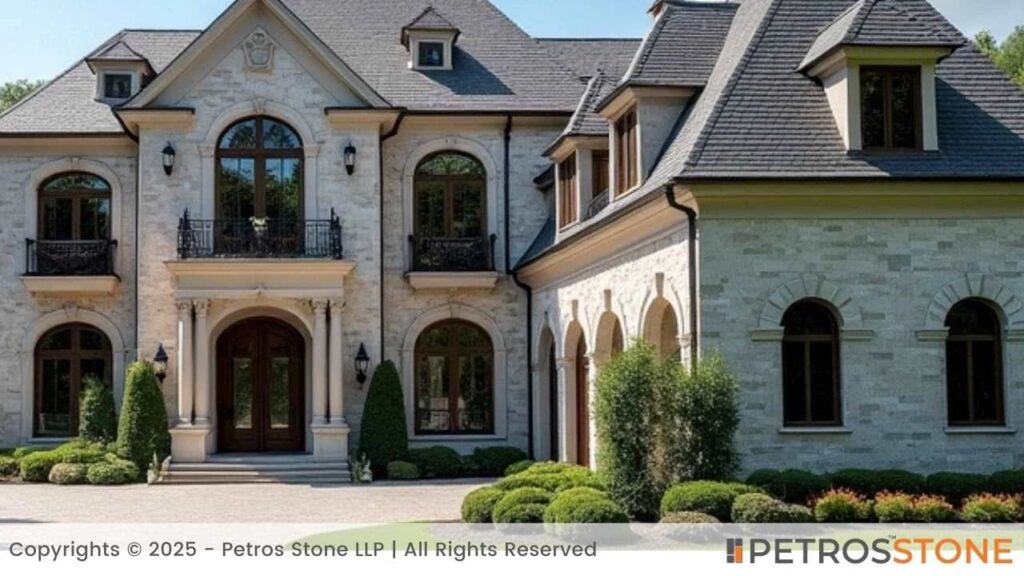
| Overview | Granite wall cladding is a premium exterior and interior surface solution known for its durability, natural appearance, and resistance to harsh weather conditions. It is widely used in luxury residential, commercial, and institutional projects. |
| Composition | • Natural granite stone • Cut-to-size granite panels or tiles • Mechanical anchoring or adhesive system • Sealants and grout joints |
| Advantages | • Extremely durable and long-lasting • Resistant to heat, moisture, and scratches • Natural luxurious appearance • Low maintenance compared to painted surfaces • Suitable for both interiors and exteriors |
| Disadvantages | • Heavy material requiring proper structural support • Higher installation and transportation cost • Requires skilled installation for proper alignment |
| Ideal Applications | • Luxury villas • Hotel façades • Commercial buildings • Feature walls • Landscape walls and elevations |
| Cost Range (India + Global) | • India: $4–$15 per sq. ft. • Global: $15–$40 per sq. ft. |
| Maintenance Level | Low to Medium (periodic sealing recommended for some finishes) |
| Best Climate Suitability | Suitable for hot, humid, coastal, and harsh weather conditions due to its high durability and weather resistance. |
2. Sandstone Facade
| Overview | Sandstone façade is a timeless architectural cladding solution known for its earthy appearance, natural textures, and ability to blend with both traditional and contemporary architecture. It is widely used in residential, hospitality, and landscape projects. |
| Composition | • Natural sandstone panels or tiles • Quartz and feldspar-rich sedimentary stone • Mechanical anchoring or adhesive fixing system • Sealants and joint fillers |
| Advantages | • Natural warm and textured appearance • Good weather resistance • Available in multiple colors and finishes • Suitable for both rustic and modern designs • Remains relatively cool under sunlight |
| Disadvantages | • More porous compared to granite • Requires sealing for long-term durability • Can develop surface erosion in highly polluted or acidic environments |
| Ideal Applications | • Villa façades • Resort and hospitality projects • Landscape walls • Garden elevations • Feature exterior walls |
| Cost Range (India + Global) | • India: $3–$12 per sq. ft. • Global: $12–$35 per sq. ft. |
| Maintenance Level | Medium (periodic sealing and cleaning recommended) |
| Best Climate Suitability | Best suited for hot, dry, and moderate climates; proper sealing recommended for heavy rainfall and freeze-thaw regions. |
3. Marble Wall Cladding
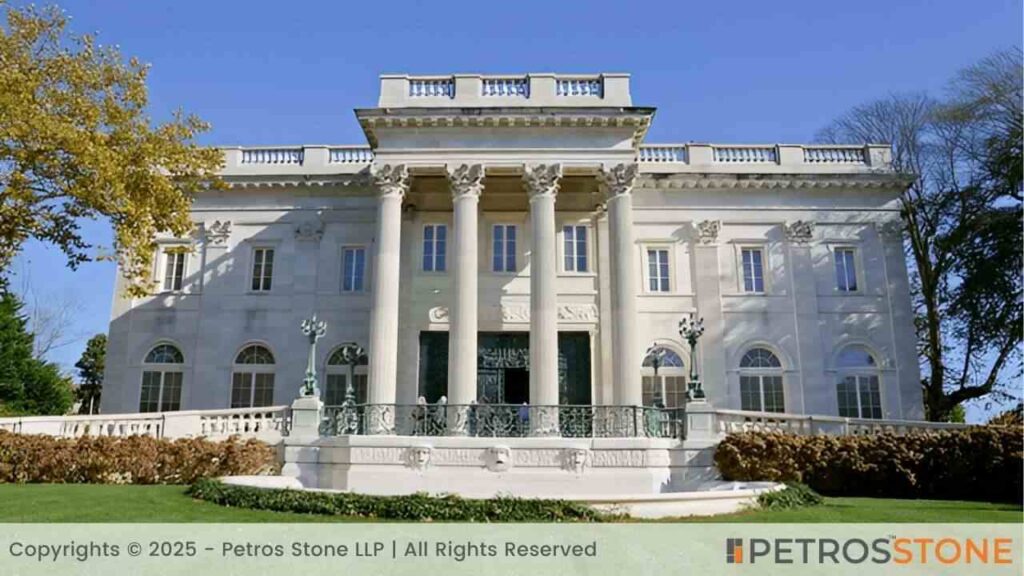
| Overview | Marble wall cladding is a premium architectural surface solution known for its luxurious appearance, natural veining, and timeless elegance. It is widely used in high-end residential, hospitality, and commercial interiors and façades. |
| Composition | • Natural marble slabs or tiles • Calcite-based metamorphic stone • Mechanical anchoring or adhesive fixing system • Sealants and grout joints |
| Advantages | • Luxurious and elegant appearance • Unique natural veining patterns • Enhances property value and aesthetics • Available in polished, honed, leathered, and textured finishes • Suitable for statement walls and premium interiors |
| Disadvantages | • Softer and more porous than granite • Requires periodic sealing and maintenance • Susceptible to staining and scratching • Higher material and installation cost |
| Ideal Applications | • Luxury villas • Hotel lobbies • Feature walls • Premium commercial interiors • Bathroom and living room cladding |
| Cost Range (India + Global) | • India: $6–$25 per sq. ft. • Global: $20–$80 per sq. ft. |
| Maintenance Level | Medium to High (regular sealing and careful maintenance recommended) |
| Best Climate Suitability | Best suited for interior applications and moderate climates; proper sealing is essential in humid and exterior environments. |
4. Kota Stone Wall Cladding
| Overview | Kota stone cladding is a durable and cost-effective natural limestone façade solution widely used in residential, institutional, and landscape architecture. Known for its earthy appearance and cooling properties, Kota stone offers a timeless and understated aesthetic. |
| Composition | • Natural Kota limestone • Cut-to-size Kota stone panels or tiles • Mechanical anchoring or mortar fixing system • Sealants and joint fillers |
| Advantages | • Naturally cool surface in hot climates • Durable and weather-resistant • Non-slip texture in natural finish • Cost-effective compared to granite and marble • Rustic and earthy visual appeal |
| Disadvantages | • Limited color variation compared to premium stones • Can develop flaking if poorly maintained • Requires sealing for long-term exterior durability • Acid-sensitive due to limestone composition |
| Ideal Applications | • Exterior wall cladding • Landscape walls • Farmhouses and villas • Institutional buildings • Garden elevations and pathways |
| Cost Range (India + Global) | • India: $2–$8 per sq. ft. • Global: $10–$25 per sq. ft. |
| Maintenance Level | Low to Medium (occasional sealing and polishing recommended) |
| Best Climate Suitability | Best suited for hot, dry, and tropical climates due to its natural cooling properties and heat resistance. |
5. Aluminium Composite Panels (ACP)
| Overview | ACP panels are lightweight and versatile façade materials widely used in commercial and retail buildings because of their flexibility and design options. |
| Composition | • Two thin aluminum sheets • Polyethylene or fire-retardant core |
| Advantages | • Lightweight and easy to install • Wide range of colors and finishes • Cost-effective • Smooth and uniform finish |
| Disadvantages | • Fire risk with low-quality panels • Moderate lifespan compared to stone or concrete |
| Ideal Applications | • Commercial buildings • Retail outlets • Renovation projects |
| Cost Range (India + Global) | • India: $3–$8 per sq. ft. • Global: $10–$25 per sq. ft. |
| Maintenance Level | Low |
| Best Climate Suitability | Suitable for most climates; fire-resistant panels recommended in hot areas |
6. Brick Façade
| Overview | Brick is a traditional façade material valued for its durability, strength, and warm visual appeal. |
| Composition | • Fired clay bricks • Cement mortar |
| Advantages | • Durable and fire-resistant • Good thermal mass • Low maintenance • Cost-effective |
| Disadvantages | • Heavy material • Limited modern design flexibility |
| Ideal Applications | • Residential homes • Schools • Institutional buildings |
| Cost Range (India + Global) | • India: $2–$6 per sq. ft. • Global: $8–$20 per sq. ft. |
| Maintenance Level | Low |
| Best Climate Suitability | Suitable for most climates |
7. Wood & Engineered Timber Cladding
| Overview | Wood cladding creates a natural, warm, and eco-friendly appearance commonly used in villas and resort-style projects. |
| Composition | • Hardwood or softwood • Engineered wood panels • Protective coatings |
| Advantages | • Attractive natural finish • Lightweight • Sustainable when certified wood is used |
| Disadvantages | • Requires regular maintenance • Sensitive to moisture and termites • Can fade over time |
| Ideal Applications | • Villas • Resorts • Eco-friendly homes |
| Cost Range (India + Global) | • India: $6–$18 per sq. ft. • Global: $15–$40 per sq. ft. |
| Maintenance Level | High |
| Best Climate Suitability | Best for dry climates; treated wood required in humid regions |
8. Terracotta / Clay Panels
| Overview | Terracotta panels are eco-friendly façade materials made from natural clay and known for thermal performance and natural aesthetics. |
| Composition | • Natural clay • Fired ceramic panels • Anchoring support system |
| Advantages | • Eco-friendly • Fire-resistant • Good thermal insulation • Long-lasting |
| Disadvantages | • Brittle if mishandled • Moderate to high cost |
| Ideal Applications | • Educational institutions • Commercial buildings • Cultural centers |
| Maintenance Level | Low |
| Best Climate Suitability | Best for hot and dry climates |
9. Fiber Cement Boards
| Overview | Fiber cement boards are affordable and durable façade materials used in residential and commercial buildings. |
| Composition | • Cement • Sand • Cellulose fibers |
| Advantages | • Moisture-resistant • Fire-resistant • Termite-proof • Cost-effective |
| Disadvantages | • May crack if improperly installed • Needs sealing for long-term durability |
| Ideal Applications | • Residential homes • Commercial complexes • Renovation projects |
| Cost Range (India + Global) | • India: $3–$7 per sq. ft. • Global: $10–$30 per sq. ft. |
| Maintenance Level | Low |
| Best Climate Suitability | Suitable for rainy and humid climates |
10. Concrete & Precast Concrete Panels
| Overview | Concrete and precast concrete panels are durable façade systems commonly used in large-scale and high-rise construction. |
| Composition | • Cement • Sand • Aggregates • Steel reinforcement |
| Advantages | • Extremely durable • Fire-resistant • Good acoustic performance • Low maintenance |
| Disadvantages | • Heavy material • Transportation and installation can be expensive |
| Ideal Applications | • High-rise buildings • Parking structures • Industrial projects |
| Cost Range (India + Global) | • India: $5–$15 per sq. ft. • Global: $20–$50 per sq. ft. |
| Maintenance Level | Low |
| Best Climate Suitability | Suitable for all climates |
Comparative Table of Best Façade Materials for Buildings
| Material | Global Cost Range (USD per sq. ft.) | India Cost Range (USD per sq. ft.) | Durability (Approx. Lifespan) | Maintenance Level | Thermal Performance | Fire Resistance | Best Applications |
|---|---|---|---|---|---|---|---|
| Granite Wall Cladding | $18–$45 | $6–$15 | 50+ years | Low | High | Very High | Luxury villas, hotels, commercial façades |
| Sandstone Façade | $12–$35 | $4–$12 | 35–50 years | Medium | High | High | Resorts, villas, landscape walls |
| Marble Wall Cladding | $25–$80 | $8–$25 | 30–50 years | Medium–High | Moderate | High | Luxury interiors, hotel lobbies, feature walls |
| Kota Stone Cladding | $10–$25 | $2–$8 | 40–60 years | Low–Medium | High | High | Farmhouses, institutional projects, landscape walls |
| ACP Panels | $10–$25 | $3–$8 | 20–30 years | Low | Moderate | Moderate–High (FR grade required) | Retail façades, offices, renovation projects |
| Brick Façade | $8–$20 | $2–$6 | 50+ years | Low | High | Very High | Residential homes, schools, institutions |
| Wood & Engineered Timber Cladding | $15–$40 | $6–$18 | 20–40 years | High | Moderate | Low–Moderate | Villas, resorts, eco-homes |
| Terracotta / Clay Panels | $20–$45 | $7–$15 | 40–50 years | Low | High | Very High | Educational and commercial buildings |
| Fiber Cement Boards | $10–$30 | $3–$7 | 25–40 years | Low | Moderate–High | Very High | Residential and commercial projects |
| Concrete & Precast Concrete Panels | $20–$50 | $5–$15 | 50+ years | Low | High | Very High | High-rise buildings, industrial projects |
Note – Natural stone pricing is updated closer to current export-oriented supplier pricing commonly seen from Indian manufacturers and exporters like Petros® Stone. Final pricing varies based on stone origin, thickness (18mm/20mm/30mm), finish, project quantity, anchoring system, calibration, resin treatment, and FOB/CIF export terms.
Best Façade Materials for Different Building Types

1. Residential Homes
In the case of residential houses, the materials ought to be durable, cheap, and low-maintenance.
- Brick Façade – Strong, fire-resistant, and thermally efficient.
- Fiber Cement Boards – Cost-efficient and moisture-proof.
- HPL Panels – Modern look and low maintenance.
These materials have a long life span, power-saving properties, and equalized aesthetics to independent houses and small apartment buildings.
2. High-Rise Commercial Buildings
High-rise buildings demand lightweight systems and modern aesthetics..
- Glass Curtain Wall Systems – Clean look and natural daylight.
- Aluminium Composite Panels (ACP) – Easy to set up and light.
- Metal Cladding – Strong and can be applied to large façades.
The materials decrease the weight load on the structure and enable quick construction schedules.
3. Hospitals & Institutional Buildings
Of great importance are safety, durability, and low maintenance.
- Natural Stone – Durable and powerful.
- Terracotta Panels – Sustainable and thermally efficient.
- Precast Concrete Panels – Fire-resistant and sound-insulating.
These materials have a high level of hygiene, durability, and low lifecycle expenditure.
4. Villas & Luxury Homes
Luxury houses specialize in high-quality finishes and appearance.
- Natural Stone – Elegant and timeless.
- Engineered Wood Cladding – Warm and elegant look.
- HPL Panels – Modern accents and decorative.
These are materials that increase property prices and architecture.
5. Industrial Buildings
Industrial projects need strength and cost efficiency.
- Metal Cladding – Strong and easy to maintain.
- Precast Concrete Panels – Structural stability.
- Fiber Cement Boards – Cost-effective alternative.
These materials are suitable for use in heavy applications as well as under extreme conditions.
FAQs
1. Which façade material is regarded as highly durable?
The precast concrete and natural stone are regarded as the most enduring façade materials. They have a lifetime of 50 years or more when installed correctly. These are highly fireproof, weatherproof, and impact-resistant materials. They can best be used in long-term projects whose main concern is the strength and life span of the project.
2. Which is the most cost-effective material for a façade?
Some of the cheapest façade materials include brick and fiber cement boards. They have excellent durability at a reduced initial price. Maintenance needs are low as well, and this decreases the long-term costs. In residential work, these materials are of very good value.
3. Does a glass façade use less energy?
Glass overlay may be frugal in case you use high-performance double or triple glazing. Heat loss and heat gain are minimized with low-e coatings and insulated glass units. In hot climates, glass can raise the cooling expenses without adequate insulation. Design and shading systems ought to be designed properly to enhance the overall energy performance.
4. Which is the best façade material in a coastal setting?
In coastal regions, the materials are affected by salt corrosion and moisture. Cured in concrete, board fiber cement, and metallic panels with coated metals are good performers. Protective finishes may also be made of stainless steel or zinc. The sealing and maintenance are also significant to minimize damage over time.
5. What is the least-maintained façade material?
Brick, terracotta panels, and precast concrete are the least maintained. These are resistant materials that withstand the weather. Cleaning and occasional checks are usually adequate. They are best applicable to projects with minimal long-term maintenance requirements.
Key Takeaways
- Multifunctional Impact – A building’s façade is crucial because it goes far beyond aesthetics; it directly impacts long-term structural durability, energy efficiency, indoor comfort, and future maintenance costs.
- Material Strengths by Application – Different materials serve specific project needs—glass delivers a modern, transparent look for commercial spaces; natural stone offers premium longevity; brick and fiber cement provide economical residential options; while metal and precast concrete supply the necessary strength for high-rise and industrial builds.
- Climate & Environmental Adaptability – Weather conditions heavily dictate material selection, meaning hot regions demand high thermal efficiency while coastal locations require strong corrosion resistance.
- Lifecycle Budgeting – Financial planning should focus on long-term value over initial installation costs, as investing in highly durable, low-maintenance materials yields significant savings over a 20-to-30-year span.
- Balanced Decision Making – A successful façade relies on a quality installation that balances the building type, local climate, design goals, and budget to achieve an aesthetically pleasing and structurally sound result.
Feel free to get in touch for a free consultation, quote, and get a detailed understanding from our experts here at Petros®. Visit www.petrosstone.com or call +91-8446360361 or WhatsApp

Hello!
I’m Dr Mridali, a content writer with a background in dentistry and a passion for turning complex topics into clear, engaging stories. From healthcare to architecture, I create blogs that inform, educate, and connect with readers. With every piece, I aim to blend accuracy with creativity to make information truly valuable.

Brown Granite

White Galaxy Granite

Blue Bahia Granite

Silver Cloud Granite

Black Pearl Granite

Dallas White Granite